Leave Your Message
Deployable containment solutions engineered to prevent hazardous emissions and accelerate ecological restoration.
Soil contamination remains one of the most critical environmental challenges of the 21st century. Industrial legacies, chemical spills, mining activities, and agricultural runoff have left vast areas of land contaminated with heavy metals, volatile organic compounds (VOCs), and hazardous particulates. Traditional open-air excavation and treatment methods are no longer acceptable due to the high risk of secondary pollution, where toxic gases and dust escape into surrounding urban communities.
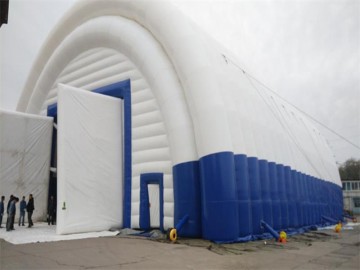
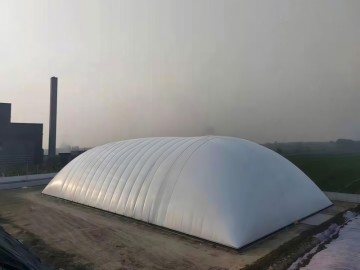
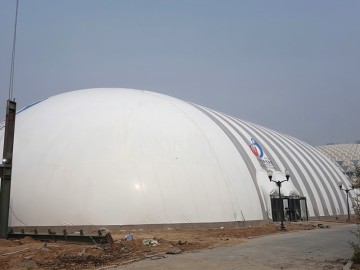
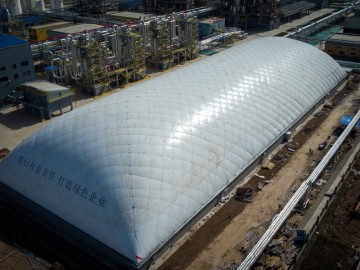
This is where Air Buildings (also known as air-supported structures or air domes) have emerged as the gold standard for eco-friendly soil remediation projects. By providing a completely sealed, negative-pressure environment, these structures act as a physical shield, ensuring that all contaminants are contained, filtered, and neutralized on-site without impacting the local environment.
Prevents volatile organic compounds (VOCs), dust, and toxic odors from escaping into nearby residential areas during excavation.
Continuous ventilation coupled with advanced carbon filtering ensures air inside is purified before being released.
Modular design allows for quick installation and dismantling, making it ideal for multi-phase brownfield remediation projects.
Globally, environmental regulations have tightened dramatically. Agencies such as the EPA in the United States and the European Environment Agency (EEA) enforce strict standards regarding airborne dust and gas emissions during land cleanup. In China and Southeast Asia, rapid urbanization has led to the reclamation of former factory sites (brownfields) situated close to metropolitan centers. The demand for enclosed soil remediation systems has experienced exponential growth.
From a commercial perspective, developers and municipal bodies are realizing that the cost of enclosing a site using an air dome is far lower than the potential fines, project delays, and public relations crises associated with open-air contamination leaks. Air buildings represent a highly cost-effective alternative to traditional steel-frame temporary structures. They require no internal pillars, offering a massive clear-span working area where heavy machinery—such as excavators, dump trucks, and soil mixing rigs—can operate without physical obstructions.
As cities expand, old industrial zones, chemical plants, and gasworks are being repurposed for residential and commercial use. Remediating these soils requires excavating highly toxic volatile compounds. Air buildings provide a secure dome over the excavation site, keeping volatile chemical odors fully sealed. The air-supported structure can be equipped with airlock vehicle access systems, allowing dump trucks to enter and exit without releasing contaminated air.
Mining operations often leave behind vast tailings ponds or dry waste piles containing heavy metals like arsenic, lead, and cadmium. Wind erosion can carry these toxic dusts over long distances. Erecting large-span air domes over these waste sites prevents wind-blown dispersal during the stabilization and phytoremediation phases, safeguarding regional water basins and ecosystems.
Bioremediation processes require controlled temperatures and moisture levels to optimize microbial activity that breaks down hydrocarbons. Similarly, thermal desorption processes generate heat and steam. Air buildings can be customized with thermal insulation linings and integrated HVAC systems to maintain optimal conditions for biological soil treatment, accelerating the remediation timeline while minimizing energy consumption.
The next generation of air-supported structures is incorporating AI and smart monitoring technologies. Real-time gas sensors, dust monitors, and automated pressure regulation systems are being integrated into the dome's control center. If VOC levels rise inside the dome, the system automatically increases the negative pressure and routes more air through the activated carbon filtration units.
Furthermore, sustainable material science is changing the membrane industry. Manufacturers are moving towards highly recyclable PVDF and ETFE membranes with self-cleaning properties, which reduce the environmental footprint of the building itself. Solar-integrated membrane technologies are also being developed, allowing air domes to generate their own operational power, making soil remediation projects truly green and self-sustaining.
Yifan Air Dome is a high-tech enterprise dedicated to innovative, eco-friendly air-supported membrane structures and integrated air dome building solutions. As a leading integrated service provider in the application of membrane structure technology across China, we cover the full industrial chain of R&D, design, manufacturing, installation and full-cycle operation and maintenance, delivering high-efficiency, energy-saving and low-carbon sustainable building space solutions for global clients.
With years of deep cultivation in the air dome and membrane structure industry, we adhere to the development philosophy of green low-carbon, technological innovation and quality priority, and strictly comply with industrial construction and production standards. Supported by standardized production techniques and abundant experience in large-scale project implementation, we professionally customize various air domes, including sports stadiums, industrial warehouses, environmental enclosures, cultural tourism venues and exhibition membrane buildings, which are widely applied in sports fitness, industrial storage, environmental dust prevention, cultural tourism scenic spots and public supporting facilities.
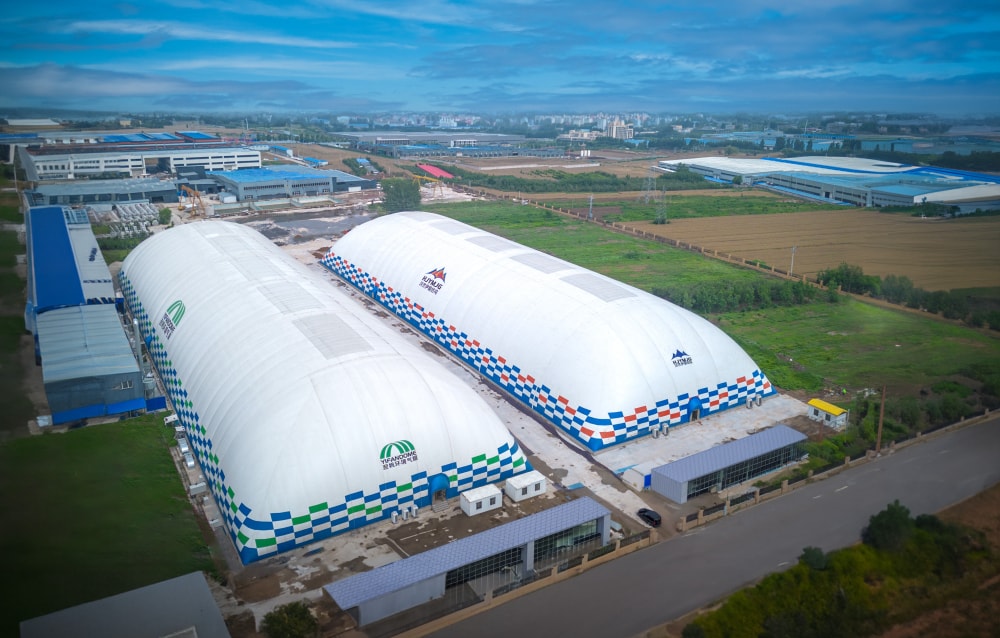
Taking modular innovation and environmental adaptation technology as our core philosophy, we focus on the R&D and scenario application of air dome buildings. Leveraging an advanced modular structure and robust environmental adaptability, we deliver core strengths including shorter construction cycles, cost-effectiveness, easy disassembly and relocation, and recyclable reuse. Our structures perfectly withstand complex weather and natural conditions such as snow, gale winds, heavy rain, high temperature and severe cold. We adhere to tailored solutions adapted to local conditions. Fully suited for diverse application scenarios, we comprehensively meet clients’ customized needs for personalized space utilization and engineering construction.
Moving forward, Yifan will further advance core technologies in air-supported structure innovation and environmental adaptability. By deeply cultivating the global market for membrane structures, the company aspires to become a leading international provider of comprehensive solutions for air-supported buildings. Leveraging green, low-carbon technologies to empower the transformation of architectural spaces, Yifan aims to create a new global ecosystem of modular air-supported structures—one that is safer, more energy-efficient, better adapted to diverse needs, and more sustainable.
Personnel Operation Flowchart & Manufacturing Excellence
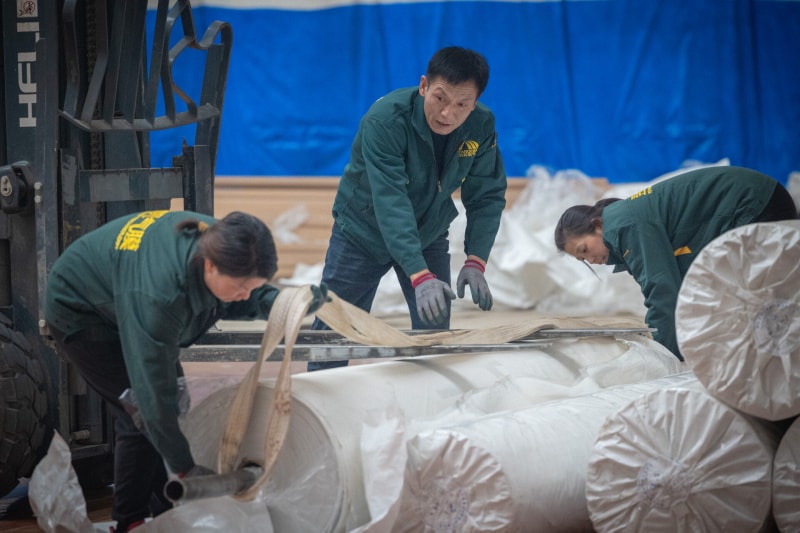
1. Select the customized membrane material
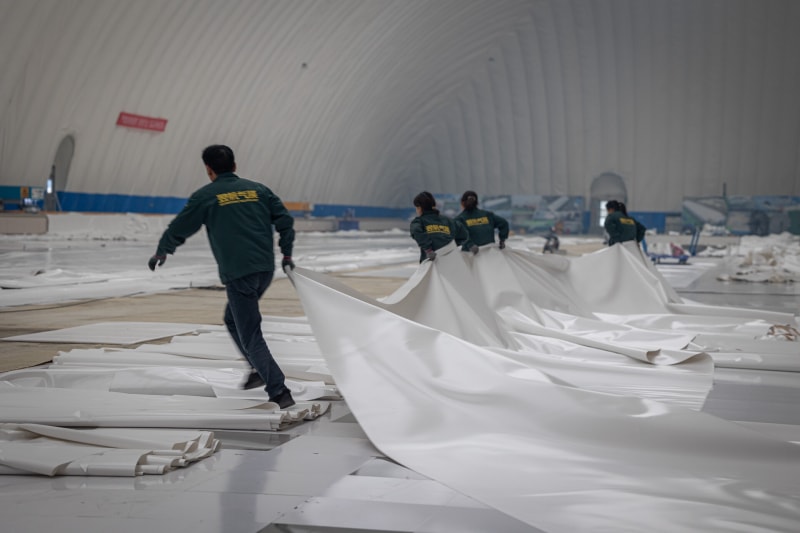
2. Deploy the membrane material
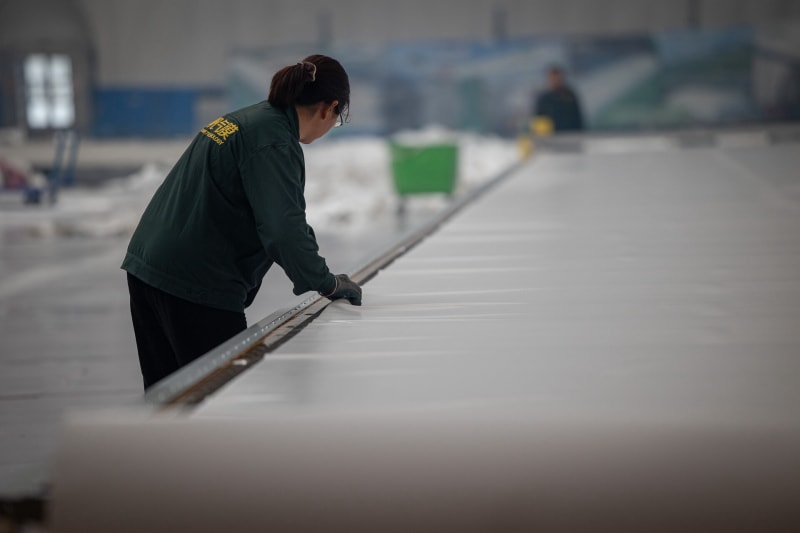
3. Lay material on automated cutting machine & import designs
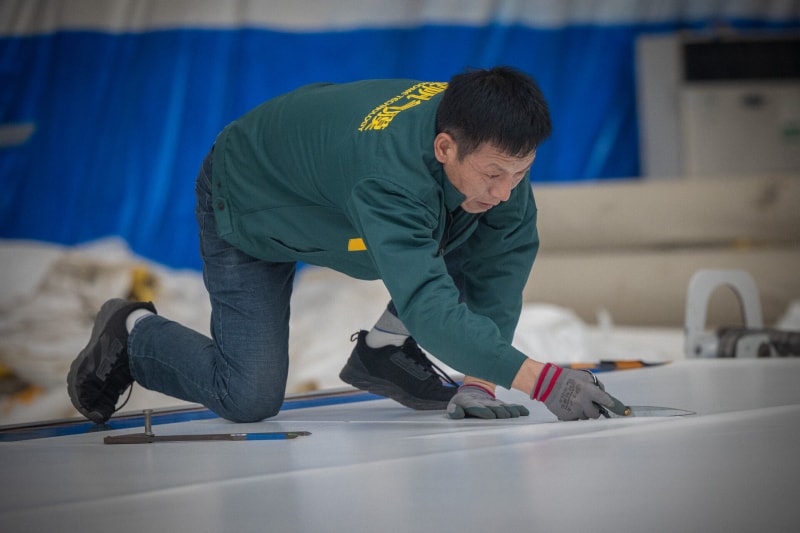
4. Manually trim edges to remove exposed fibers & ensure weld
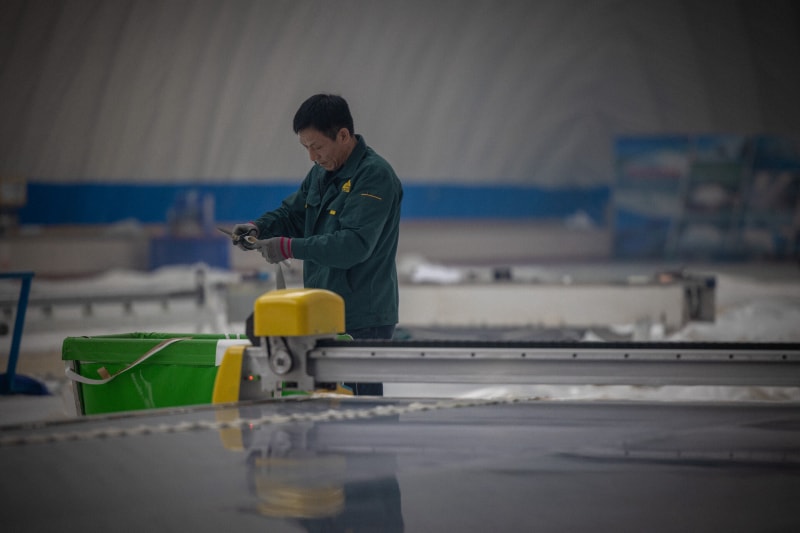
5. Cutting, Splicing, and Reinforcement Strips
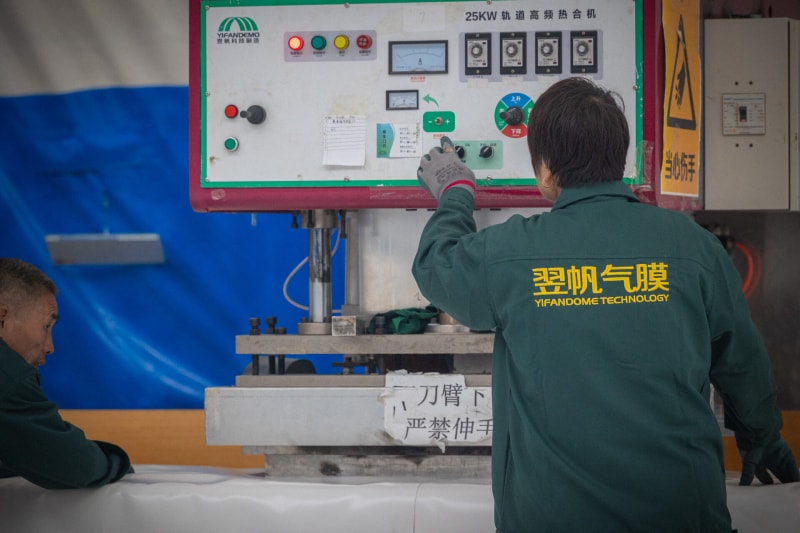
6. Arrange materials & weld using high-frequency heat-sealer
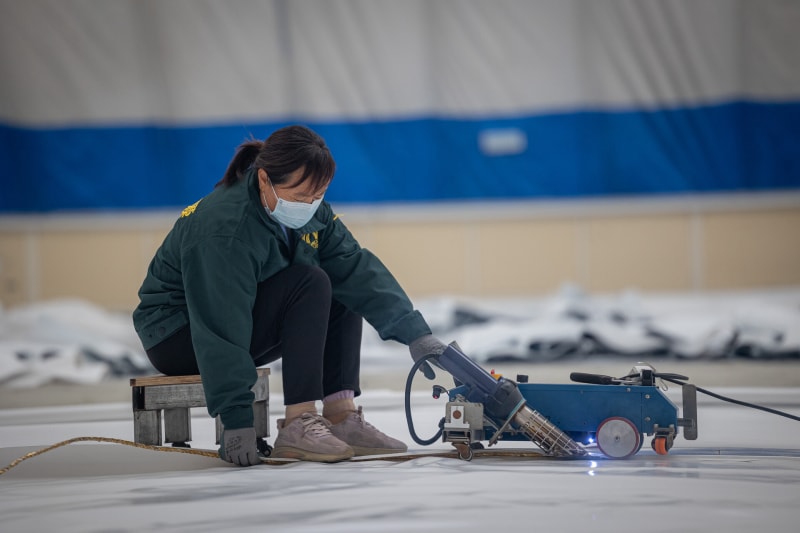
7. Small Hot Sealer Welding Rope Channel
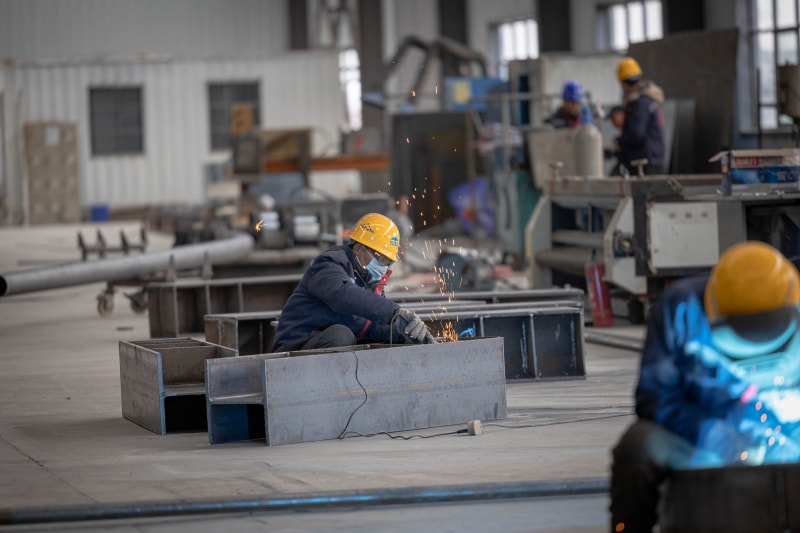
8. Manufacturing alloy clamps, fittings, & inflatable pipes
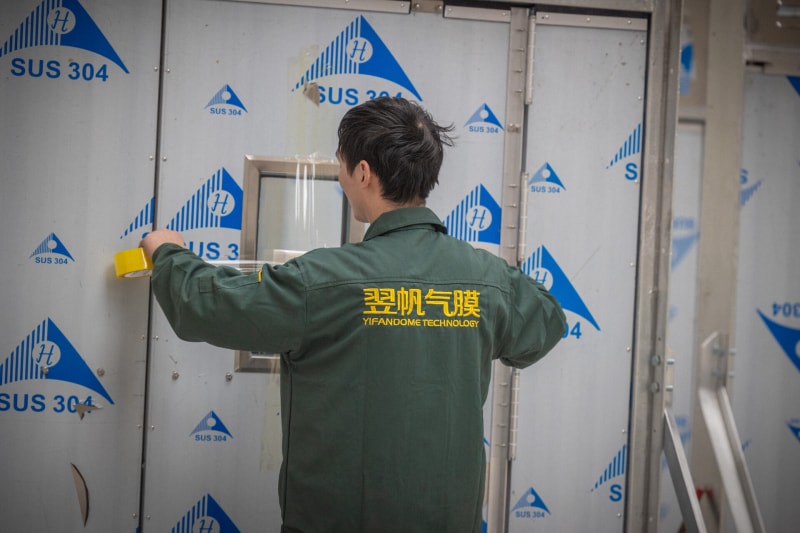
9. Quality check, packing, and transport preparation
Discover our full suite of customized air domes designed for environmental containment, sports, agriculture, and industrial operations.