Leave Your Message
The global agricultural sector is undergoing a profound paradigm shift. Driven by climate volatility, soil degradation, and the pressing demand for sustainable food production systems, traditional farming infrastructures are reaching their operational limits. Standard glass and polyethylene greenhouses, while historically effective, often struggle with high installation costs, limited structural spans, and poor resistance to extreme weather events. This is where Air Dome Structures for Agricultural Greenhouses and Crop Protection emerge as a disruptive technological solution.
Commercial and industrial agricultural operations are increasingly adopting air-supported membrane structures to build large-scale, column-free farming environments. These systems utilize continuous internal air pressure to support a lightweight, highly durable polymer membrane envelope. By eliminating internal pillars, air domes maximize the arable footprint, allowing for unobstructed movement of heavy agricultural machinery, vertical farming racks, and automated harvesting systems.
From an economic perspective, the agricultural air dome market is experiencing rapid expansion. Large agribusinesses, seed cultivation firms, and municipal food security initiatives are recognizing the fast return on investment (ROI) offered by these structures. Compared to traditional glasshouses, air domes cut initial construction costs by up to 40% and reduce construction times by more than half, enabling growers to deploy massive cultivation facilities in a matter of weeks rather than months.
Key Market Driver: The need for highly controlled, bio-secure, and climate-independent farming systems that can withstand extreme snow loads, typhoons, and heatwaves without structural failure.
The future of agricultural air domes lies at the intersection of advanced material science and automated environmental control. As the industry strives for higher yield efficiency and lower energy consumption, several key development trends are shaping the design of next-generation agricultural membrane structures:
Historically, air domes were primarily utilized for industrial warehousing and sports facilities where light transmission was not a priority. However, the development of high-transparency PVDF (polyvinylidene fluoride) and ETFE (ethylene tetrafluoroethylene) films has revolutionized their agricultural utility. Modern agricultural air domes feature multi-layer, high-transparency membranes that allow optimal Photosynthetically Active Radiation (PAR) to reach crops while filtering harmful UV rays. Additionally, anti-condensation and self-cleaning coatings ensure that dust and moisture do not block sunlight over time.
To address the heating and cooling challenges of large-span spaces, modern air domes utilize double- or triple-layer membrane systems with dead-air insulation pockets. Some advanced configurations integrate lightweight thermal blankets that automatically deploy within the membrane cavity during the night to retain heat. This thermal barrier significantly reduces the energy required to maintain optimal growing temperatures, making crop cultivation viable in sub-zero Arctic zones or scorching desert landscapes.
Modern agricultural air domes are no longer passive structures; they are active, smart ecosystems. Integrated Internet of Things (IoT) sensors continuously monitor temperature, humidity, carbon dioxide levels, and soil moisture. Linked with automated HVAC systems, variable-frequency air blowers, and intelligent shading nets, these systems adjust the internal pressure and climate parameters in real-time. If external wind speeds rise, the control system automatically increases internal pressure to reinforce structural rigidity, ensuring absolute safety.
Air dome structures are highly versatile and adapt to a wide variety of specialized agricultural applications that traditional greenhouses cannot support. Below, we analyze the most prominent industrial use cases:
Hydroponic and aquaponic facilities require extensive flat layouts with sophisticated water circulation, lighting, and nutrient delivery systems. The pillar-free interior of an air dome allows designers to lay out continuous, automated growing channels without navigating structural supports. The sealed environment also prevents water loss through evaporation, making it highly sustainable for arid regions.
Seed breeding and genetic research require strict isolation to prevent cross-pollination and pest infestations. Air domes operate under positive pressure; air is continuously forced out of the structure, preventing external air, pests, and airborne spores from entering through access points. By passing all incoming air through HEPA filtration systems, researchers can maintain a sterile, bio-secure growth environment.
In regions prone to heavy snowfalls, typhoons, or hail, traditional greenhouses risk catastrophic structural collapse, which can wipe out an entire season's harvest. The curved, aerodynamic shape of an air dome naturally sheds wind and snow. When equipped with internal snow-melting systems or heat trace cables, snow slide-off is accelerated, ensuring uninterrupted protection for high-value cash crops.
Modern agriculture relies heavily on sustainable waste-to-fertilizer loops. Air domes provide an ideal enclosure for organic sludge fermentation and composting. The sealed membrane structure traps odors and harmful emissions, routing them through bio-filters and scrubbing systems before discharge, ensuring compliance with strict environmental regulations.
Yifan Air Dome is a high-tech enterprise dedicated to innovative, eco-friendly air-supported membrane structures and integrated air dome building solutions. As a leading integrated service provider in the application of membrane structure technology across China, we cover the full industrial chain of R&D, design, manufacturing, installation and full-cycle operation and maintenance, delivering high-efficiency, energy-saving and low-carbon sustainable building space solutions for global clients.
With years of deep cultivation in the air dome and membrane structure industry, we adhere to the development philosophy of green low-carbon, technological innovation and quality priority, and strictly comply with industrial construction and production standards. Supported by standardized production techniques and abundant experience in large-scale project implementation, we professionally customize various air domes, including sports stadiums, industrial warehouses, environmental enclosures, cultural tourism venues and exhibition membrane buildings, which are widely applied in sports fitness, industrial storage, environmental dust prevention, cultural tourism scenic spots and public supporting facilities.
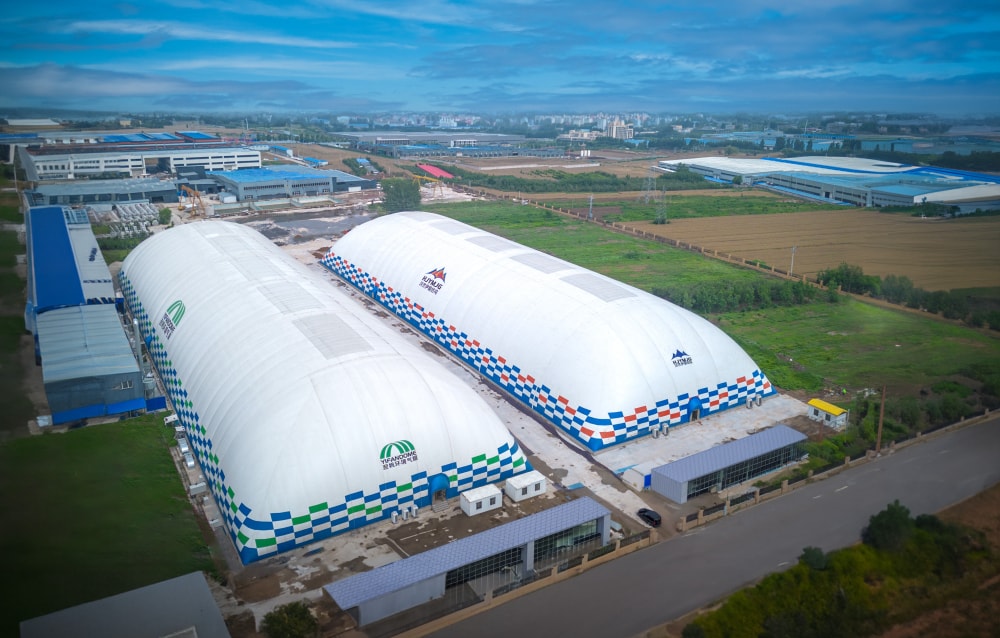
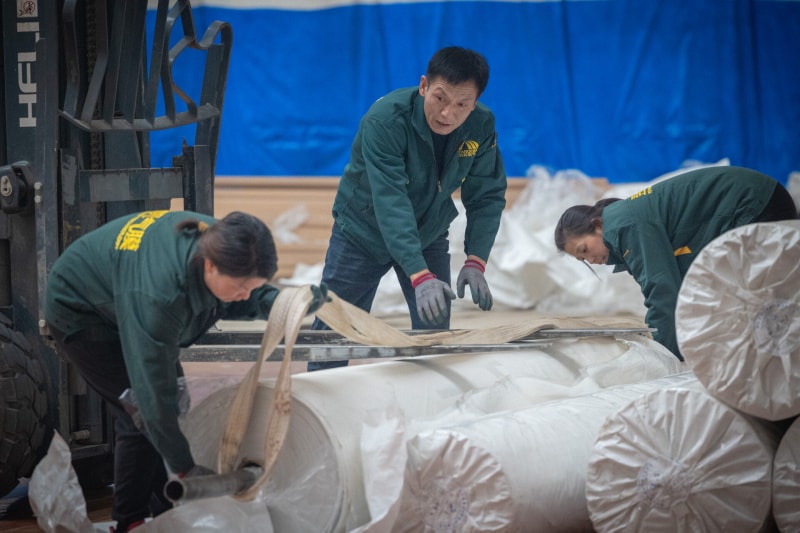
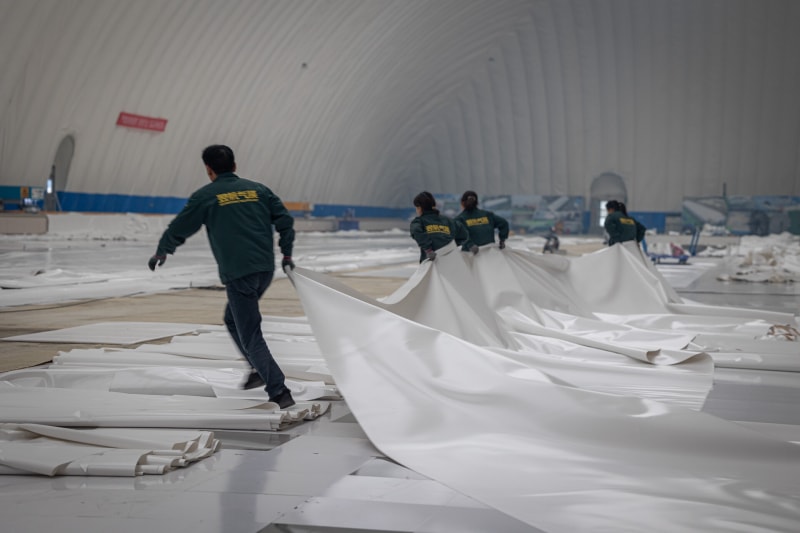
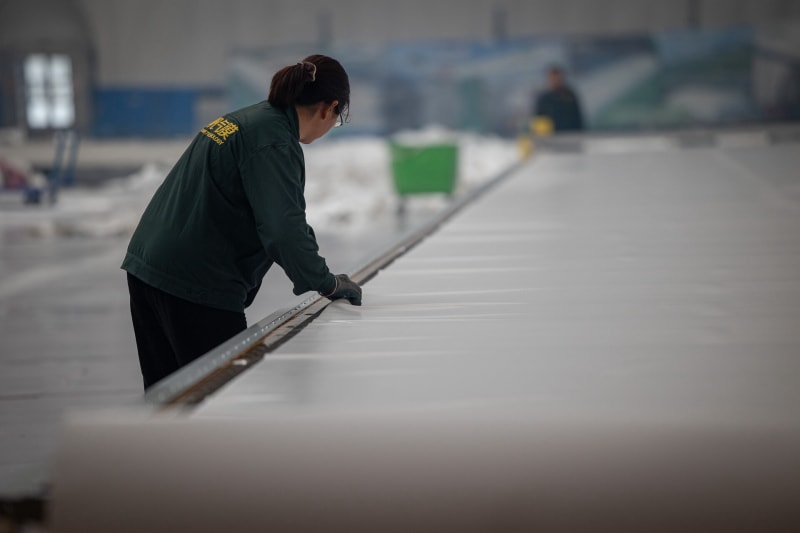
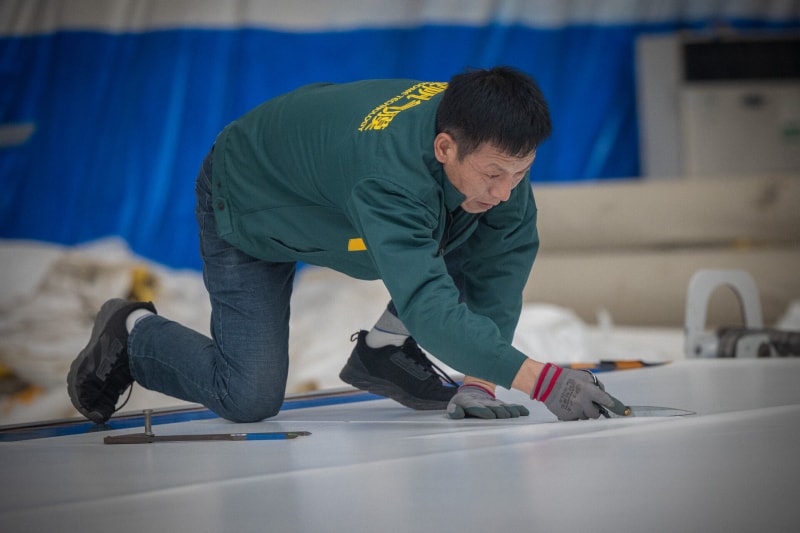
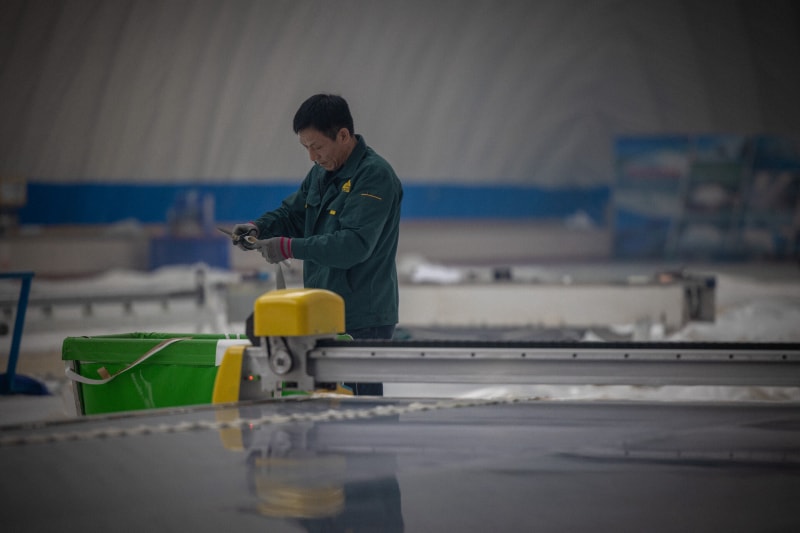
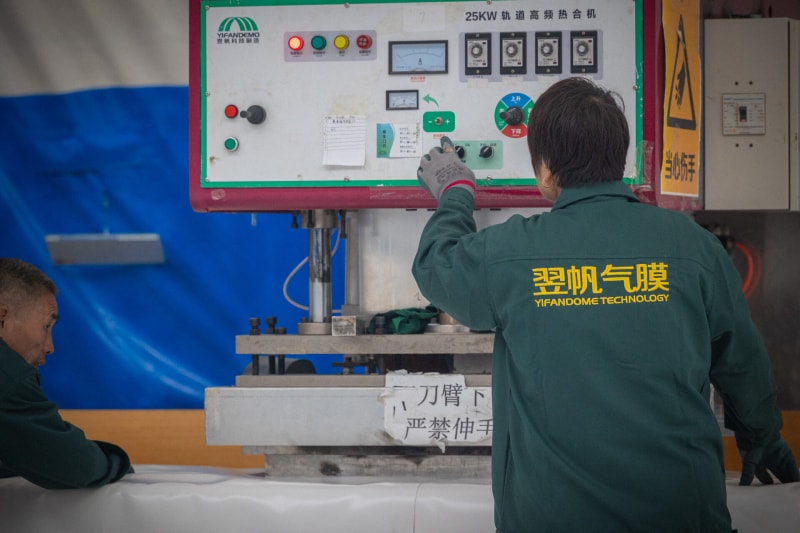
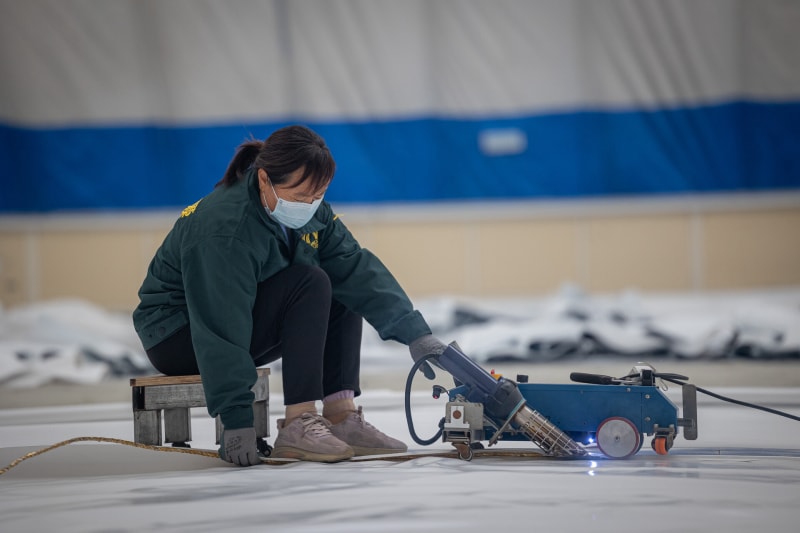
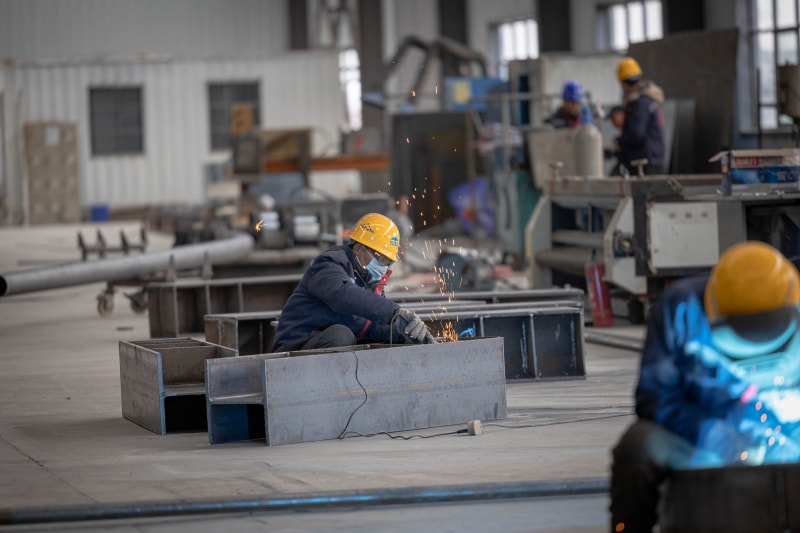
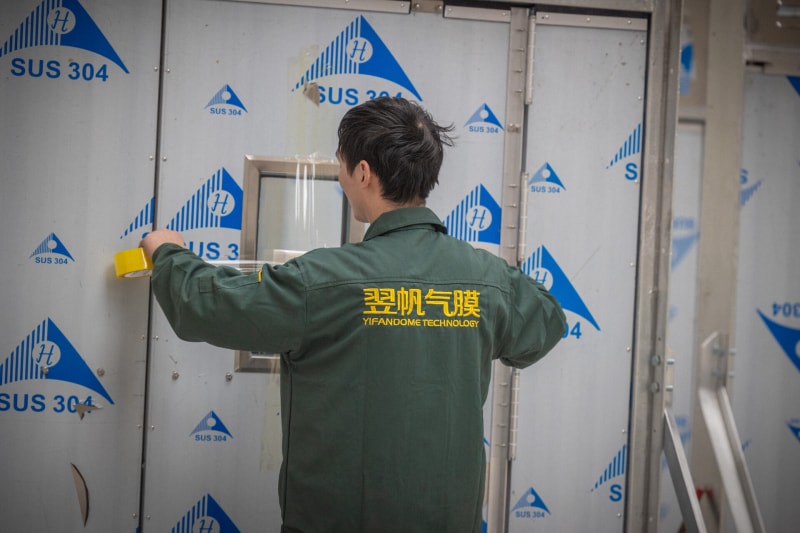
Our standardized manufacturing process ensures the highest quality control at every stage of membrane production, from raw material selection to final delivery.