Leave Your Message
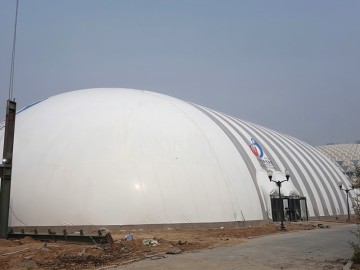
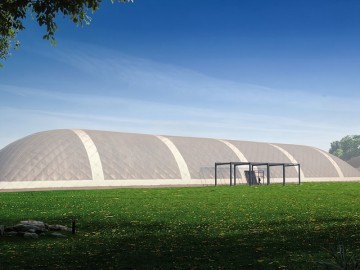
The global sports infrastructure market is undergoing a paradigm shift, transitioning from rigid steel-and-concrete complexes to flexible, sustainable, and rapidly deployable building envelopes. At the forefront of this architectural transformation are Air Dome Structures for all-weather badminton and basketball courts. These air-supported structures represent a fusion of advanced material science, smart thermodynamic engineering, and automated environmental controls, delivering an optimal playing environment regardless of external climatic challenges.
Traditional outdoor courts are highly vulnerable to weather disruptions, including rain, extreme solar radiation, high winds, and snow. Conversely, constructing conventional brick-and-mortar indoor stadiums requires substantial capital expenditure, lengthy structural engineering cycles, complex regulatory approvals, and a heavy carbon footprint. Air-supported structures address these bottlenecks directly, offering sports operators, municipalities, and educational institutions a cost-effective, high-performance alternative.
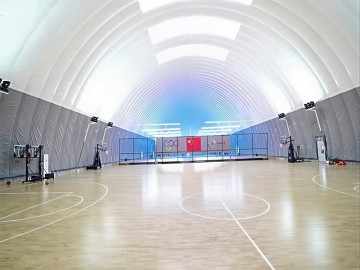
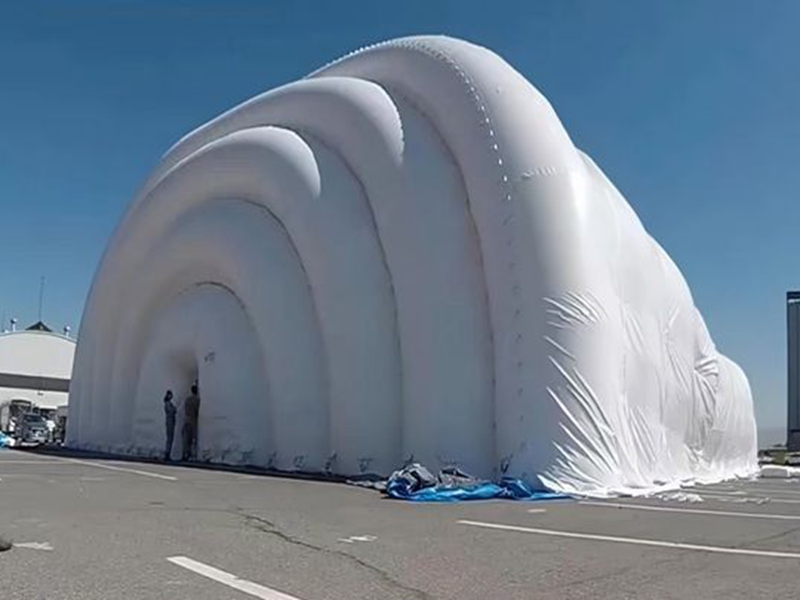
✓Key Strategic Advantage: Air domes operate under positive internal pressure, sustained by energy-efficient blower systems. This structural design eliminates the need for heavy internal support pillars, providing a 100% clear-span interior layout. This architectural freedom is uniquely beneficial for high-velocity sports like badminton and basketball, where overhead clearance and unobstructed peripheral vision are critical to athletic performance.
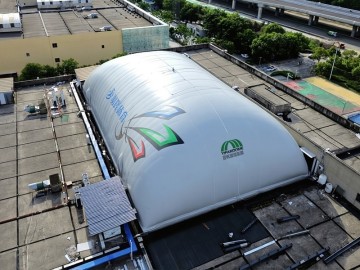
The commercial viability of air dome structures has exploded over the past decade. Driven by urbanization, land scarcity, and the growing public demand for year-round fitness venues, the commercial sports real estate market has quickly embraced inflatable dome systems. Developers are utilizing these structures to convert underutilized land, such as rooftop spaces, industrial brownfields, and temporary parking lots, into lucrative athletic centers.
From a business operations perspective, air domes offer an unprecedented return on investment (ROI). Traditional sports complex developments require multi-year construction timelines. In contrast, an air dome structure can be designed, manufactured, shipped, and inflated within a few months, with on-site assembly often taking less than a week. This rapid deployment allows operators to begin generating court rental fees, hosting tournaments, and enrolling training academies far ahead of traditional construction schedules.
Equipped with thermal insulation layers, translucent skylight membranes, and smart HVAC controls, modern air domes significantly reduce daily operational costs. By leveraging natural daylight during peak hours and utilizing automated thermodynamic systems that adjust air pressure, heating, and cooling based on real-time occupancy, air dome facilities can cut energy consumption by up to 30% to 50% compared to traditional metal-clad sports halls.
Designing a multi-sport facility requires careful consideration of the specific physical demands of each sport. Badminton and basketball, while often housed in the same facility, present distinctly different structural and environmental requirements. Air dome technology excels at accommodating both simultaneously.
As the construction sector aligns with global sustainability goals, air dome manufacturers are integrating cutting-edge materials and digital technologies to deliver smarter, greener structures.
Modern air domes utilize multi-layer membrane envelopes. The outer layer typically consists of high-strength polyester fabric coated with PVDF (Polyvinylidene Fluoride). This coating provides self-cleaning properties, UV blocking, and flame retardancy. Emerging designs are also incorporating ETFE (Ethylene Tetrafluoroethylene) sections to create highly transparent panels, bringing natural sunlight into the facility without compromising thermal insulation.
Integrating IoT sensors and Artificial Intelligence allows air domes to respond dynamically to external weather changes. If sensors detect heavy snowfall or rising wind speeds, the automated control system increases the internal air pressure to enhance structural rigidity. Similarly, air purification systems monitor indoor CO2 and PM2.5 levels, adjusting air exchange rates dynamically to ensure clean, oxygen-rich air for athletes.
Yifan Air Dome is a high-tech enterprise dedicated to innovative, eco-friendly air-supported membrane structures and integrated air dome building solutions. As a leading integrated service provider in the application of membrane structure technology across China, we cover the full industrial chain of R&D, design, manufacturing, installation and full-cycle operation and maintenance, delivering high-efficiency, energy-saving and low-carbon sustainable building space solutions for global clients.
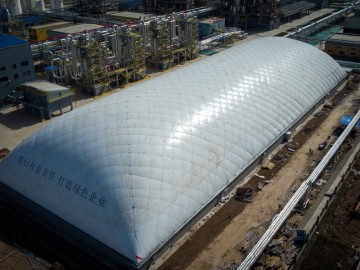
With years of deep cultivation in the air dome and membrane structure industry, we adhere to the development philosophy of green low-carbon, technological innovation and quality priority, and strictly comply with industrial construction and production standards. Supported by standardized production techniques and abundant experience in large-scale project implementation, we professionally customize various air domes, including sports stadiums, industrial warehouses, environmental enclosures, cultural tourism venues and exhibition membrane buildings, which are widely applied in sports fitness, industrial storage, environmental dust prevention, cultural tourism scenic spots and public supporting facilities.
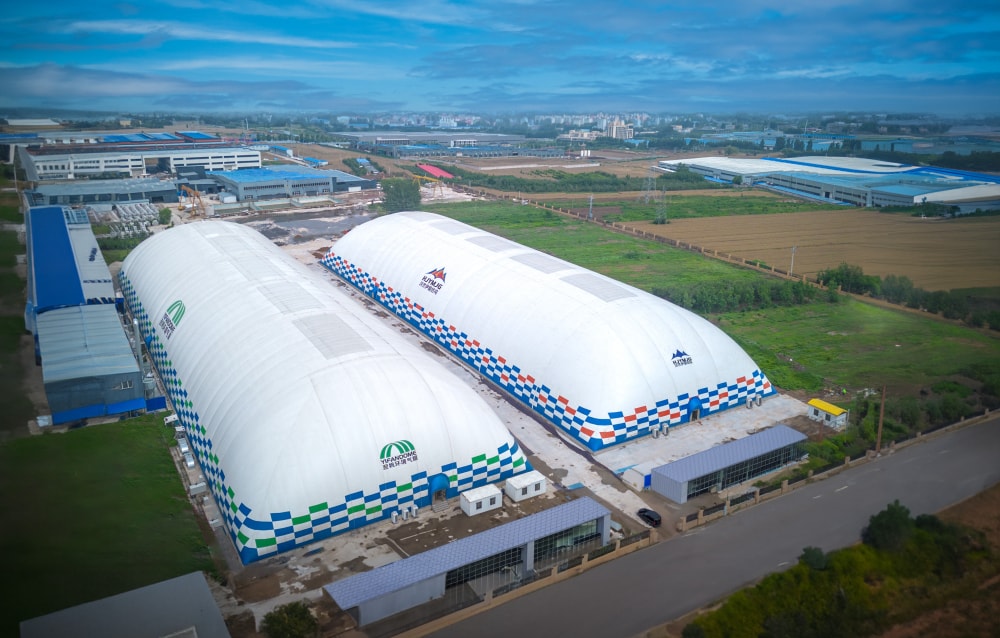
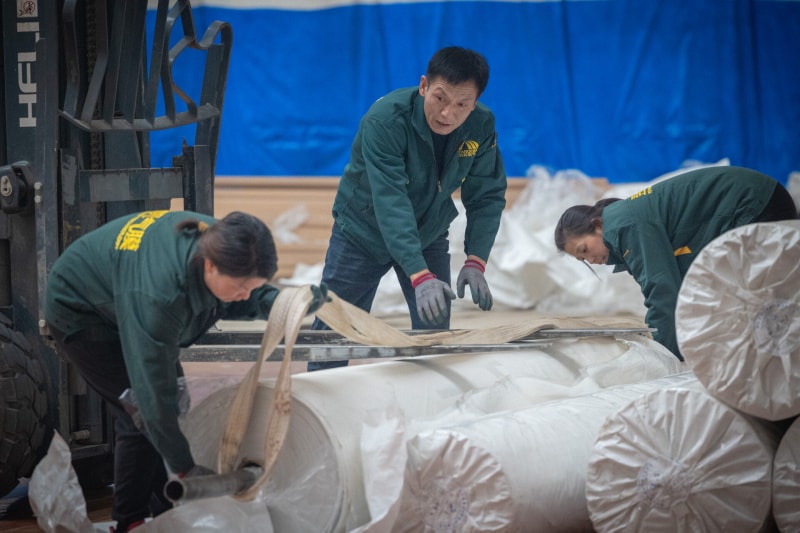
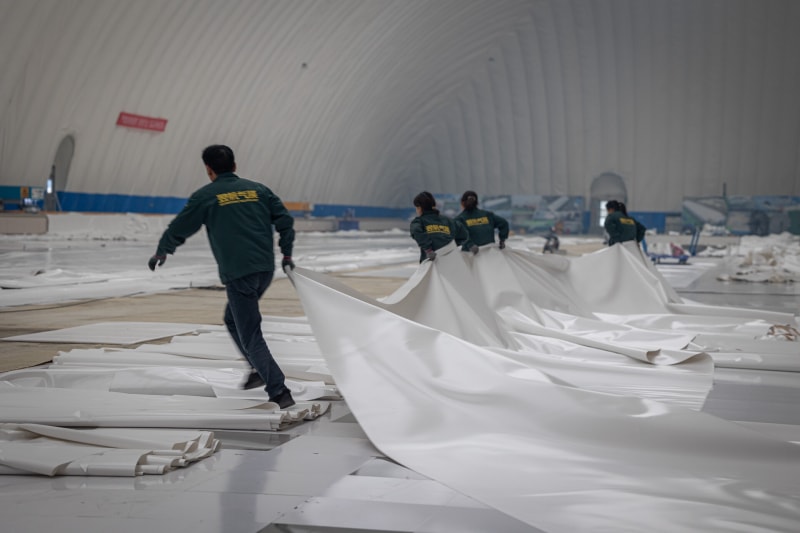
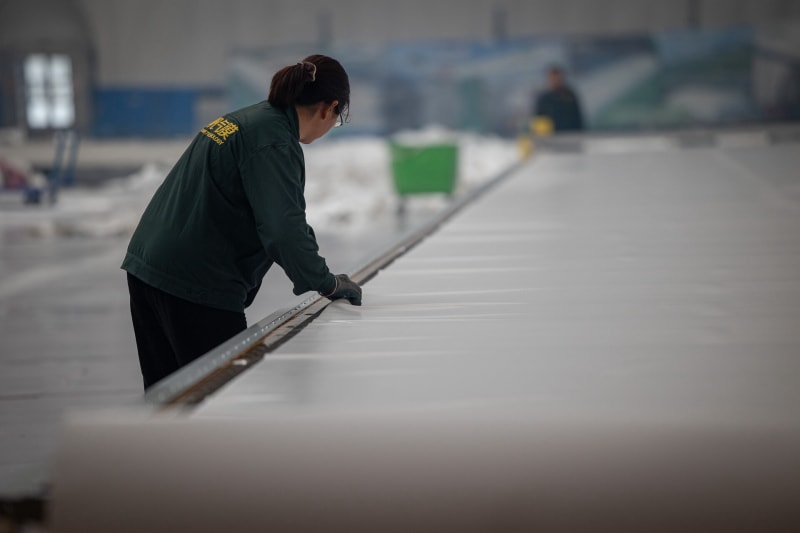
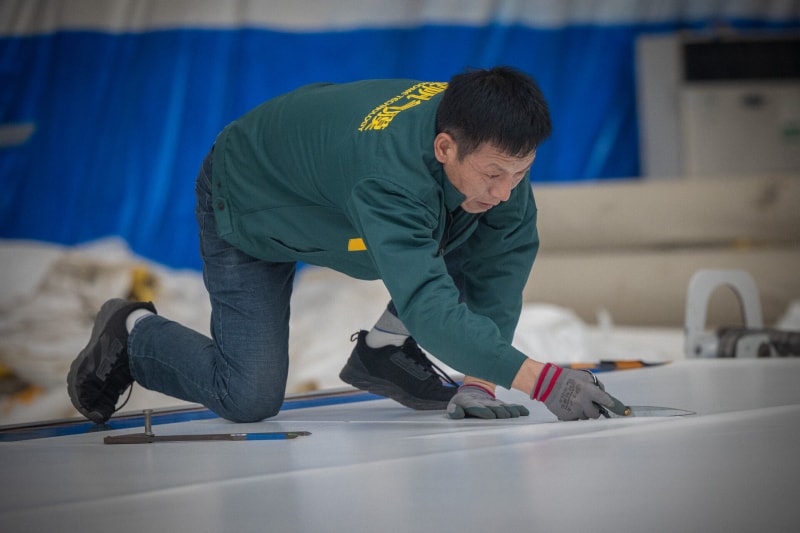
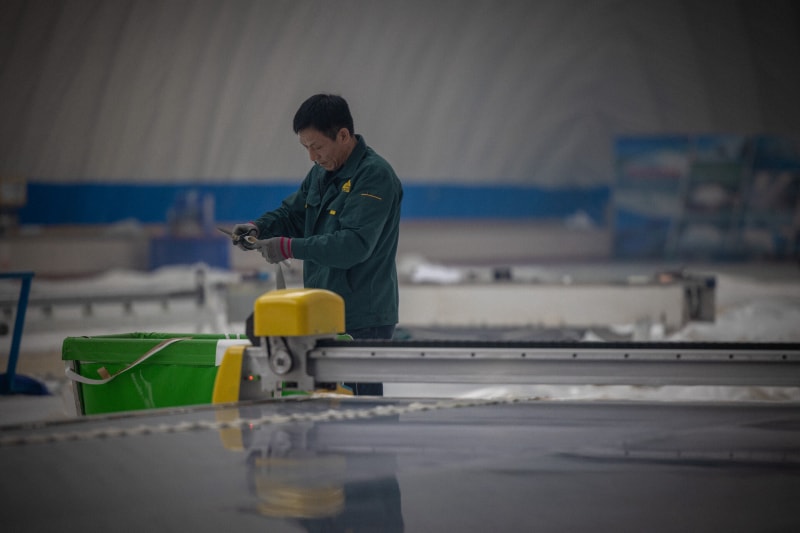
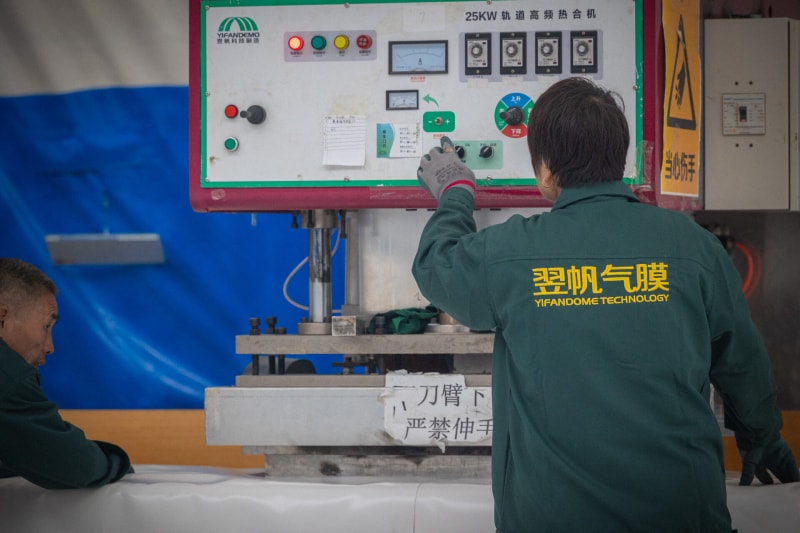
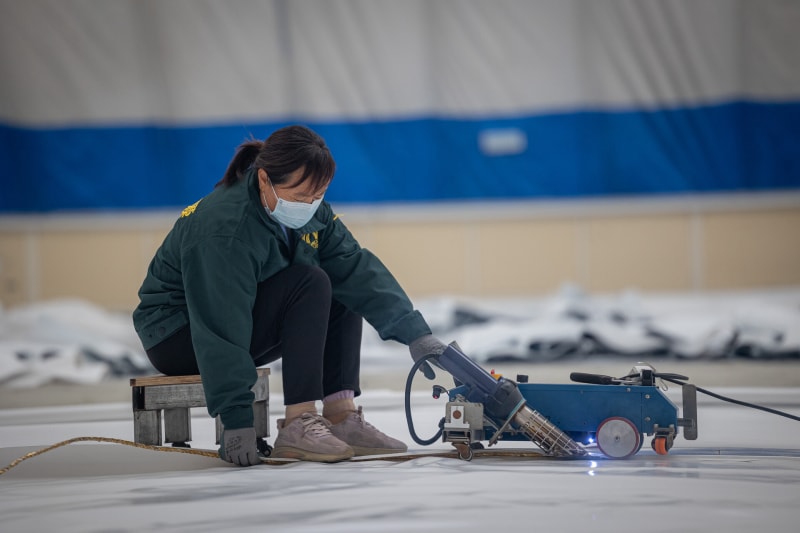
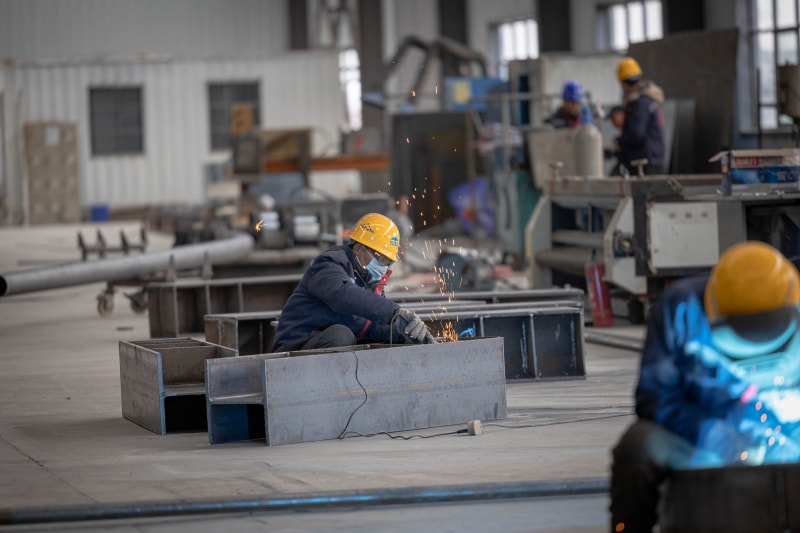
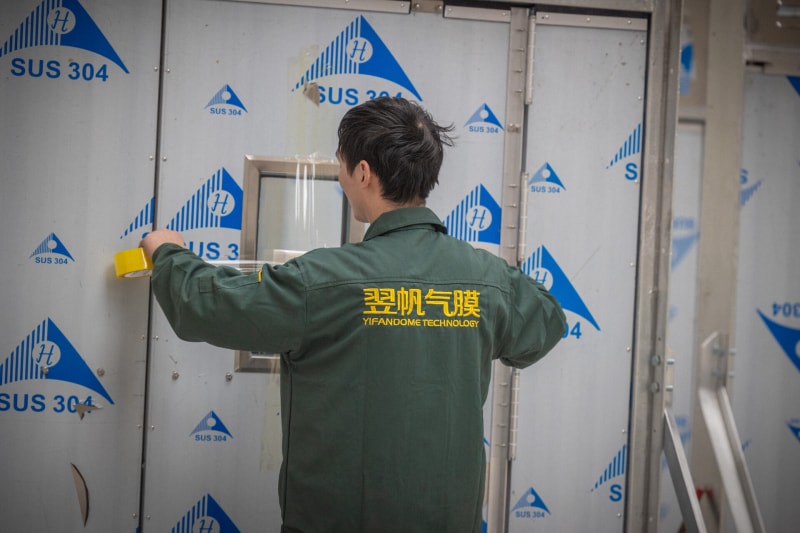
Take a look inside our state-of-the-art manufacturing facility and discover the precise engineering steps involved in creating durable, high-performance air dome membrane structures.