Leave Your Message
Explore our core high-performance air-supported membrane structures engineered specifically for large-span industrial and bulk material storage enclosures.
In the modern industrial landscape, bulk material handling industries—specifically coal mining, power generation, and logistics hubs—face unprecedented challenges. Stringent environmental protection policies, notably regarding fugitive dust emissions (PM2.5 and PM10), have forced enterprises to rethink traditional open-air storage practices. The transition from open coal yards to fully enclosed systems is no longer optional; it is a regulatory mandate and a corporate social responsibility.
Historically, traditional steel-frame space frames and concrete structures were the default options for coal site enclosures. However, these traditional methods suffer from severe drawbacks: long construction cycles, susceptibility to structural corrosion from sulfur dioxide and moisture, high initial capital expenditure, and spatial limitations imposed by internal support pillars. This is where Air Structure Buildings emerge as a disruptive and highly efficient alternative.
By leveraging advanced air-supported membrane technology, modern bulk material yards can achieve 100% dust containment, massive clear-span operational spaces, and intelligent environmental monitoring at a fraction of the cost and time of traditional steel structures.
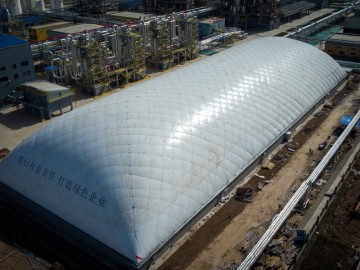
The global market for air-supported structures in industrial applications is experiencing exponential growth. As heavy industries align with "carbon neutrality" and "green mining" initiatives, the demand for modular, relocatable, and energy-efficient structures has surged. Air domes utilize internal air pressure to support a heavy-duty, flame-retardant membrane, eliminating the need for internal beams and pillars. This structural characteristic provides maximum volumetric efficiency, allowing heavy machinery, stacker-reclaimers, and dump trucks to operate without obstruction.
Enclosing a coal site is significantly more complex than enclosing a sports field. Coal storage presents harsh conditions, including highly corrosive atmospheres, high explosion risks, and massive mechanical stresses. An air structure building designed for bulk material coal site enclosure must integrate cutting-edge engineering solutions across several key areas:
Coal dust contains sulfur, which combines with moisture to form highly corrosive acids. Air domes use advanced PVDF/PVF coated membranes that are chemically inert, rust-proof, and self-cleaning.
Coal dust is highly combustible. Industrial air domes are equipped with explosion-proof ventilation, dust suppression misting systems, and real-time gas/dust concentration sensors integrated into the PLC.
A smart control system automatically adjusts internal pressure based on external wind, snow loads, and internal air quality, ensuring structural integrity and worker safety 24/7.
A primary concern in enclosed coal sites is the accumulation of coal gas (methane) and airborne coal dust, which poses severe explosion hazards. Modern air structure designs solve this through cross-ventilation engineering. High-volume, low-speed (HVLS) fans combined with automated louvers and dust filtration systems ensure that air changes per hour (ACH) meet strict occupational safety standards. Furthermore, by maintaining a slight negative pressure inside the dome, dust is prevented from escaping through access airlocks, securing absolute environmental containment.
For industrial operators and project developers, structural choices are ultimately guided by financial performance and operational continuity. Air structure buildings offer compelling financial advantages over traditional steel hangars:
1. Reduced Capital Expenditures (CapEx): The cost per square meter of an air dome decreases as the span increases. For massive coal yards (spans exceeding 100 meters), an air dome can reduce initial construction costs by 30% to 50% compared to traditional steel structures.
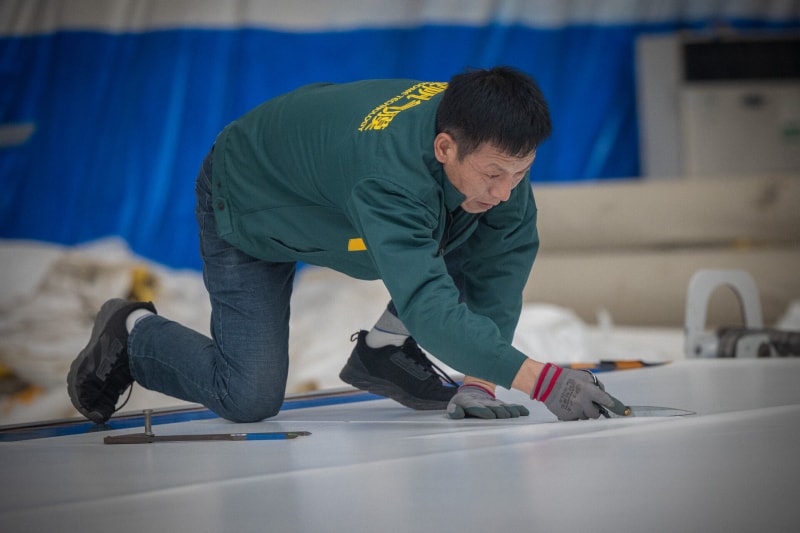
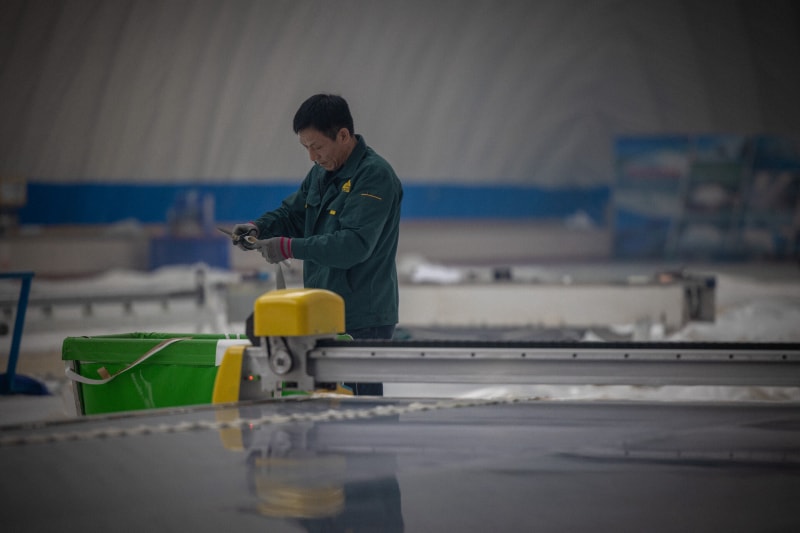
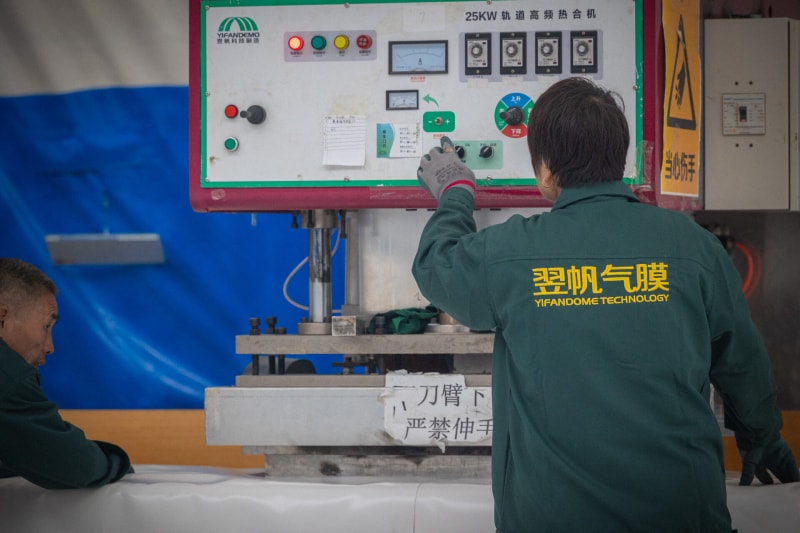
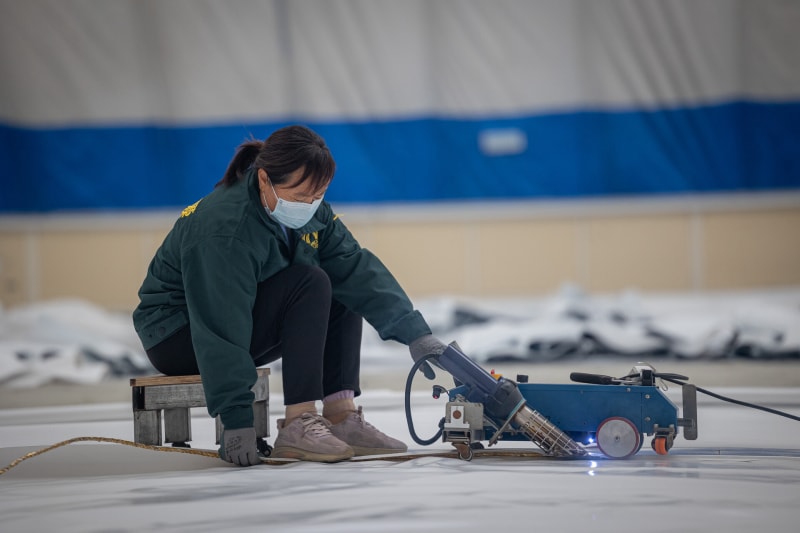
2. Rapid Deployment and Minimal Downtime: Traditional steel construction requires extensive foundation work and on-site welding, frequently halting coal yard operations. In contrast, air dome membranes are prefabricated in controlled factory environments and inflated on-site within days, minimizing operational disruption.
3. Low Operational Expenditures (OpEx): Translucent membrane sections allow natural daylight to illuminate the interior during the day, significantly reducing electricity consumption. Additionally, the absence of steel components eliminates the recurring, costly rust-proofing and painting maintenance cycles required by traditional structures in corrosive coal environments.
Pioneering sustainable, low-carbon, and highly adaptable air-supported membrane structures globally.
Yifan Air Dome is a high-tech enterprise dedicated to innovative, eco-friendly air-supported membrane structures and integrated air dome building solutions. As a leading integrated service provider in the application of membrane structure technology across China, we cover the full industrial chain of R&D, design, manufacturing, installation and full-cycle operation and maintenance, delivering high-efficiency, energy-saving and low-carbon sustainable building space solutions for global clients.
With years of deep cultivation in the air dome and membrane structure industry, we adhere to the development philosophy of green low-carbon, technological innovation and quality priority, and strictly comply with industrial construction and production standards. Supported by standardized production techniques and abundant experience in large-scale project implementation, we professionally customize various air domes, including sports stadiums, industrial warehouses, environmental enclosures, cultural tourism venues and exhibition membrane buildings, which are widely applied in sports fitness, industrial storage, environmental dust prevention, cultural tourism scenic spots and public supporting facilities.
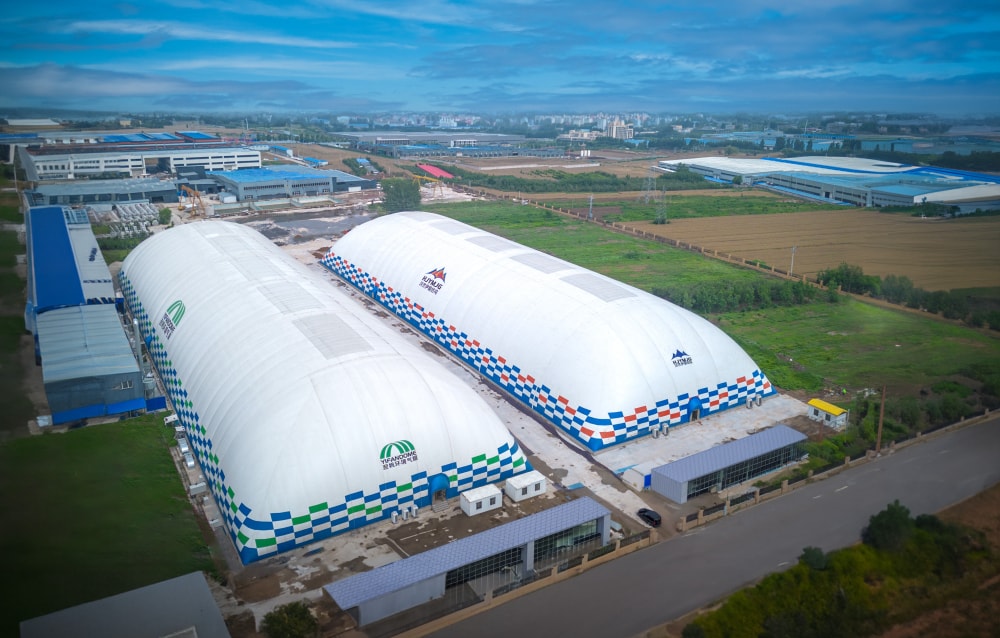
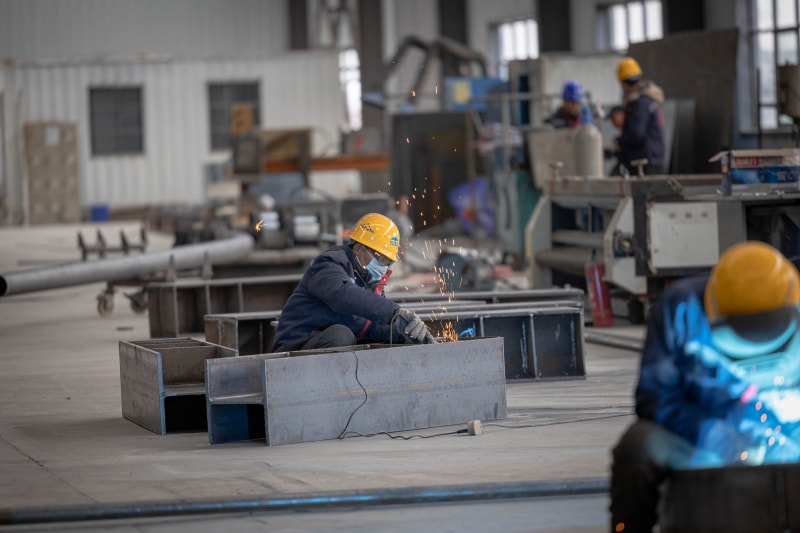
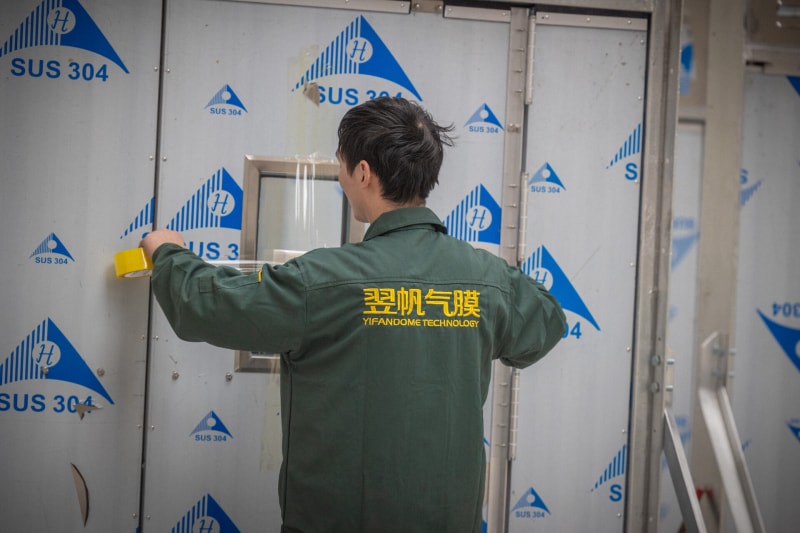
Our standardized, high-precision manufacturing workflow ensures unmatched quality and structural reliability for every air dome project.
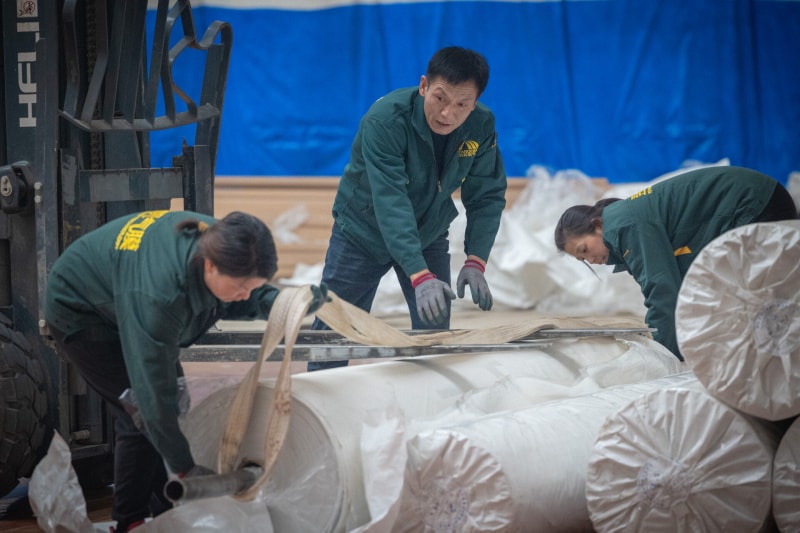
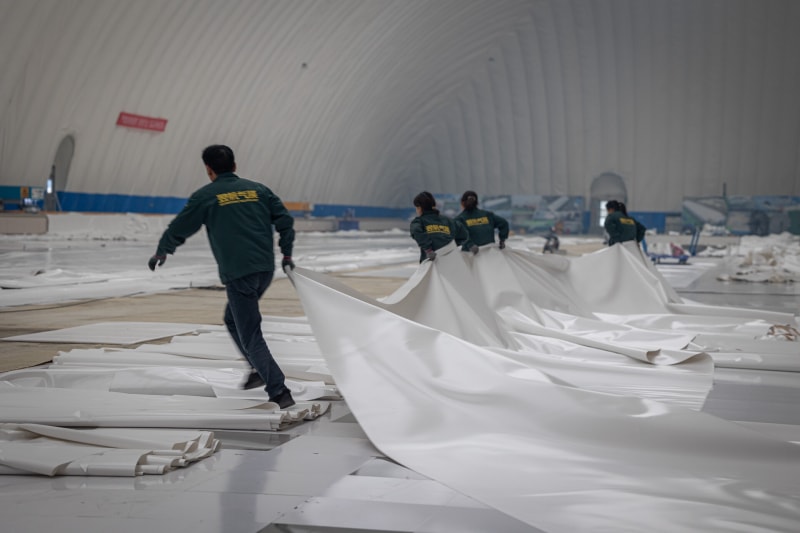
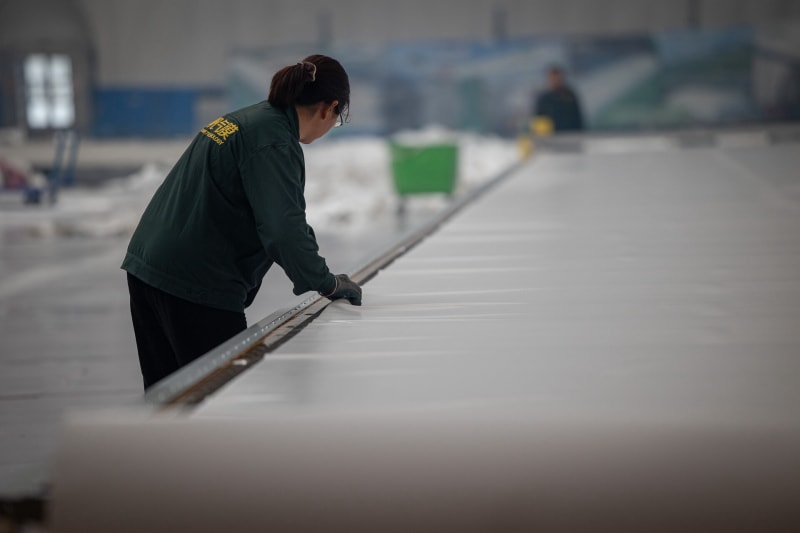
As the industrial world transitions toward Industry 4.0, air structure buildings are evolving from passive enclosures into highly intelligent, active systems. Key trends shaping the future of bulk material enclosures include:
AI-Driven Structural Monitoring: Future air domes will increasingly utilize AI and IoT sensors to monitor real-time mechanical stresses, internal air pressure, and external weather variations. Machine learning algorithms can predict maintenance needs, optimize ventilation schedules, and dynamically adjust internal support pressure to withstand extreme storms or heavy snow loads before they occur.
Integration of Solar PV Membranes: To further align with carbon reduction goals, thin-film flexible solar panels are being integrated directly onto the outer PVDF membrane. This allows the massive surface area of the dome to generate clean electricity, powering the dome's own inflation blowers and ventilation systems, achieving near-net-zero energy operations.
Advanced Self-Cleaning and Anti-Pollution Coatings: Next-generation PVDF membranes feature enhanced titanium dioxide (TiO2) coatings. These coatings utilize photocatalytic properties to break down organic dirt and industrial soot under sunlight, ensuring the dome remains clean and maintains high light transmission over decades of exposure to harsh coal dust environments.
Discover our full range of structural solutions designed for sport, environmental protection, and heavy industrial storage.