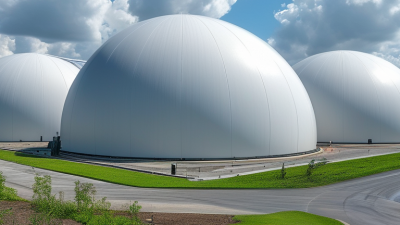
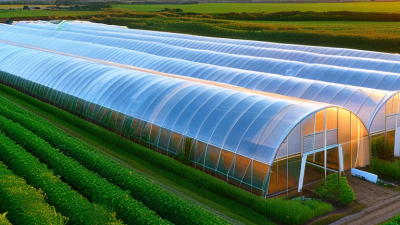
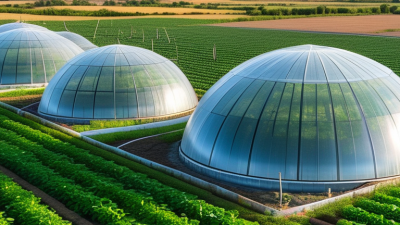
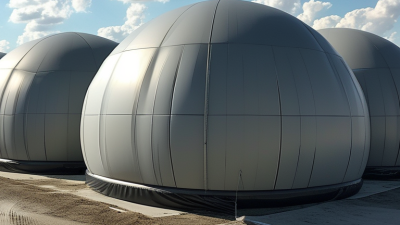
You know, there's definitely a growing buzz around new and innovative ways to build structures these days, especially when it comes to Membrane Building. I recently read what industry pro Thomas G. Meyer from MembraneTech had to say—he mentioned that, 'Adopting Membrane Building solutions can really boost both efficiency and style in construction.' That really sums up how people are starting to see the potential of Geodetic frameworks and things like Tent Membrane tech.
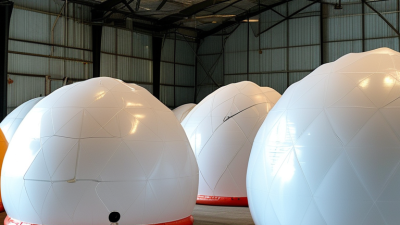
These membrane buildings are pretty fascinating because they're super lightweight and flexible, which means they can be used for all sorts of purposes. We see them as event halls, sports venues, and even quick, makeshift shelters during disaster relief efforts. Plus, the creative possibilities are almost endless—architects can really push the boundaries and come up with stunning yet practical designs that wow you.
That said, there are still some hurdles to overcome. For example, making sure these materials can stand up to tough weather conditions and last over time is an ongoing challenge. Sustainability is also a big deal these days; companies need to focus on eco-friendly practices if they want to keep up. As the industry keeps evolving, tackling these issues head-on will be key to satisfying the growing global demand by 2026 and beyond.
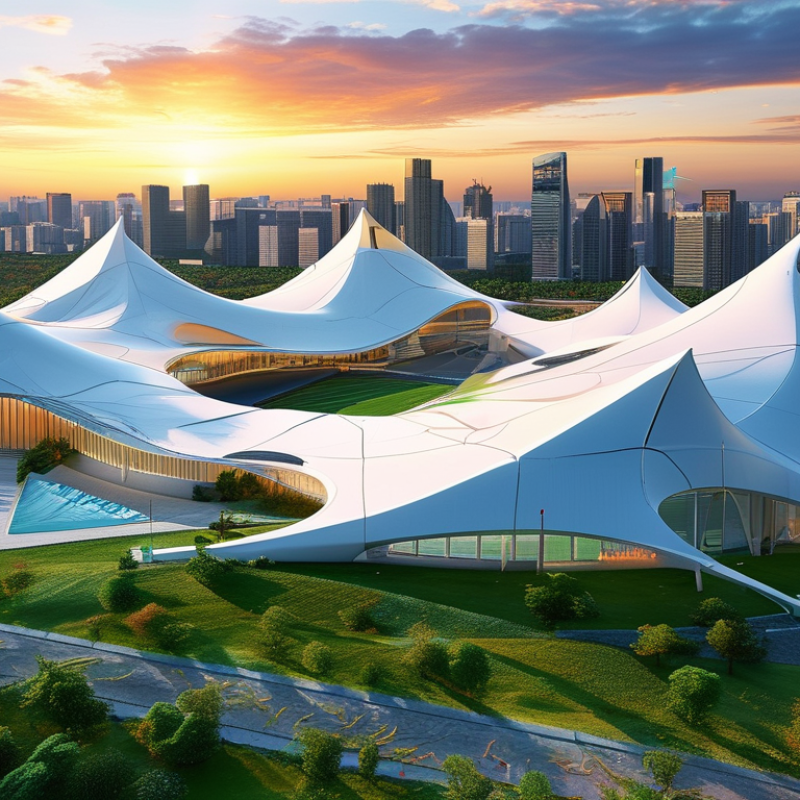
Overview of Membrane Building Solutions in 2026
As we look ahead to 2026, membrane building solutions are gaining significant traction among global buyers. These structures are not only aesthetically pleasing but also provide essential functionality. The market for tensile membrane architecture is projected to reach a value of $7 billion by 2026, according to industry reports. This growth reflects the increasing demand for lightweight, durable, and adaptable solutions in urban construction and beyond.
Membrane structures offer advantages in terms of sustainability. Many designs incorporate energy-efficient materials and technologies. The lightweight nature of these membranes often reduces the need for substantial supporting frameworks, potentially lowering material costs and time spent on construction. However, challenges remain, such as proper maintenance and ensuring that materials can withstand extreme weather conditions. These factors can significantly affect the longevity and reliability of membrane buildings.
Pricing is also a critical consideration. Reports indicate that the average "Harga Tensile Membrane" varies greatly based on material quality and design complexity. While some premium options promise longevity, cheaper alternatives may lead to higher maintenance costs and replacements. This reflection on cost versus quality is essential for buyers seeking long-term value in their construction projects. As the market evolves, a careful approach is necessary to balance innovation with practicality.
Key Features and Advantages of Membrane Structures
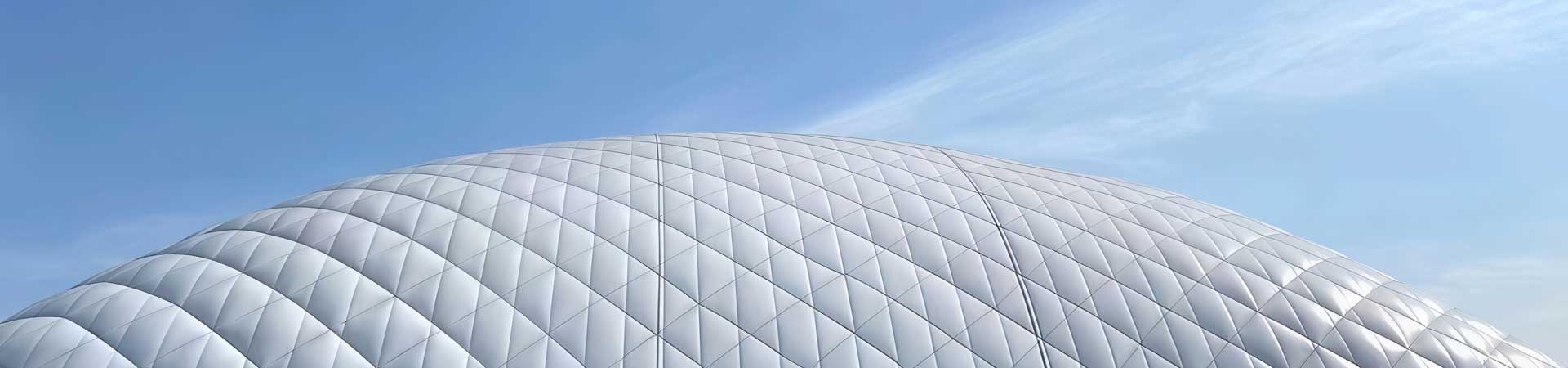
Membrane structures are increasingly popular in various construction applications. They are lightweight yet strong, making them ideal for large-span roofs and canopies. These structures utilize flexible materials that can adapt to diverse designs. The aesthetic appeal of membrane structures often captivates architects and builders alike.
Key advantages include energy efficiency and durability. Many membrane materials have insulation properties that reduce energy usage. These structures can withstand harsh weather conditions, which helps lower maintenance costs. However, installation can be complex and requires skilled professionals. This can lead to unexpected costs and delays.
Membrane buildings also encourage sustainability. Their design allows for natural light, reducing the need for artificial lighting during the day. Yet, environmental performance can vary based on the materials used. Some membranes may not be recyclable, which poses a challenge. Buyers should consider these factors when selecting membrane solutions.
2026 Membrane Building Solutions: Key Features and Advantages
Top Global Suppliers of Membrane Building Solutions
As the demand for innovative construction solutions grows, membrane building technologies have gained significant attention. These structures offer versatility, durability, and aesthetic appeal, making them suitable for various applications. Global suppliers are now focusing on enhancing the quality and sustainability of membrane materials.
Key suppliers in the industry emphasize experience and expertise. Their deep understanding of material science allows them to create membranes that withstand harsh weather conditions. Some have developed advanced weather-resistant coatings to improve longevity. This indicates a strong commitment to reliability and performance. However, potential buyers must consider the limitations of these solutions, such as the need for regular maintenance and the environmental impact of production.
Exploring options from various suppliers can be overwhelming. Buyers should evaluate each supplier's portfolio carefully. Engaging in direct conversations can unearth valuable insights about different product specifications. It's crucial to assess not only the price but also the long-term benefits and drawbacks of each membrane solution. This reflective approach can lead to more informed decisions in an evolving market.
2026 Best Membrane Building Solutions for Global Buyers
| Solution Type |
Material Type |
Application Area |
Durability (Years) |
Cost (USD per m²) |
| Tensile Membrane Structure |
PVC Coated Polyester |
Sports Facilities |
15 |
25 |
| Inflatable Structures |
TPU |
Event Tents |
10 |
18 |
| Fabric Facades |
ETFE |
Commercial Buildings |
25 |
80 |
| Shade Structures |
HDPE |
Public Parks |
20 |
15 |
Innovative Technologies in Membrane Construction
Innovative technologies are transforming membrane construction.
Membrane Structure Roof
systems offer great flexibility and lightweight advantages. They allow architects to create stunning designs while maintaining structural integrity. These roofs are incredibly versatile for various applications, from sports arenas to temporary structures.
When choosing membrane solutions, consider durability and maintenance needs. Not all membranes are created equal. While some materials provide exceptional weather resistance, others may not perform as expected. Researching different membrane options can save headaches down the road.
Tips: Always consult with experts before making decisions. Test materials in real-world conditions to evaluate their performance. Engaging with experienced professionals ensures better outcomes for projects. Membrane construction is an exciting field, but it requires careful consideration of various factors. Each project may present unique challenges that need tailored solutions.
Sustainability and Environmental Impact of Membrane Materials
The sustainability of membrane materials is becoming increasingly important in architecture and design.
Membrane structures are lightweight and flexible, making them ideal for applications like temporary shelters
and sports facilities. These structures not only reduce material usage but also lower energy consumption.
However, the environmental impact of the raw materials must be carefully considered.
Choosing environmentally friendly options is crucial. Some membrane materials can release harmful chemicals
into the environment during production and disposal. This raises questions about their long-term sustainability.
Further research is needed to develop biodegradable alternatives. The industry is gradually shifting towards
more eco-friendly practices and materials.
Membrane Structure Tent
are versatile solutions that can adapt to various environments. While they offer significant benefits, their full lifecycle still poses challenges.
Understanding these issues is vital for ensuring a greener future. Designers and architects must continuously assess their choices.
It’s essential to balance functionality with ecological responsibility.
Case Studies: Successful Membrane Buildings Around the World
Membrane buildings have transformed modern architecture. They are lightweight, flexible, and often visually striking. One notable case is the Eden Project in the UK. This project features giant biome domes. These domes create unique ecosystems. They have become an emblem of sustainable design.
Another impressive example is the Tempelhofer Feld in Berlin. Formerly an airport, it now serves as a public park. The large, membrane-covered structures provide shelter for events. They allow for community activities while protecting against bad weather. However, the initial concept faced criticism. Some locals were unsure about the structures’ aesthetics.
In Australia, the Sydney Olympic Park showcases various membrane applications. The buildings there blend functionality with beauty. Yet, some designs did not hold up well over time. This suggests a need for continuous evaluation of materials and techniques in membrane construction. Despite these flaws, the innovations in membrane technology encourage experimentation and new creations.
Future Trends in Membrane Building Design and Applications
The future of membrane building design is evolving rapidly. Emerging trends indicate a strong focus on sustainability. A report from Grand View Research predicts the global membrane market will surpass $55 billion by 2026. This growth reflects heightened demand for eco-friendly and efficient construction materials.
Architects are increasingly favoring lightweight membrane structures. These designs reduce material usage while maximizing space and functionality. In urban areas, membrane buildings offer flexibility. They can adapt to various conditions, allowing for creative architectural solutions. However, challenges remain. The durability of materials often comes into question, specifically under extreme weather conditions.
Development in membrane technology focuses on smart features. Integrating sensors can enhance energy management and structural health monitoring. Yet, the industry grapples with regulatory hurdles and standardization issues. Effective collaboration among experts is essential for addressing these barriers. Many professionals are optimistic, envisioning a future where membrane buildings play a vital role in sustainable urban planning.
Revitalizing Sports Facilities: The Growth and Impact of Customized Air Supported Membrane Structures in Basketball Courts
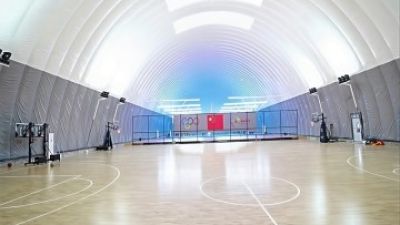
The integration of customized air-supported membrane structures in sports facilities, particularly basketball courts, is transforming the landscape of athletic infrastructure. These innovative designs not only enhance the functionality of sports venues but also address critical logistical challenges. A prime example is the Nanchang Green Construction Project, which features a 3,000-square-meter air-supported basketball dome completed in a remarkable 50 days. This swift construction timeline meets the urgent needs of clients while seamlessly blending with the surrounding aesthetic environment.
Air-supported membrane structures offer unique advantages over traditional buildings. Their lightweight construction significantly reduces material costs and lowers energy consumption, leading to a reduced environmental footprint. Reports from the International Association for Sports and Leisure Facilities indicate that transitioning to such structures can decrease construction time by up to 50% and operational costs by 30%, making them an appealing option for municipalities and private organizations alike. Since its inauguration in 2025, the Nanchang facility has received positive feedback, illustrating the growing demand and appreciation for these versatile sports complexes.
Furthermore, the flexibility and innovative design of air-supported structures cater to a variety of activities beyond basketball, enabling year-round usage in diverse climates. This versatility, coupled with speed of construction and lower operational costs, positions air-supported membrane structures as a viable solution for revitalizing sports facilities across urban landscapes. As communities seek to invest in engaging and sustainable sports environments, the adoption of these customized structures is likely to continue to rise, reshaping the future of recreational sports infrastructure.
FAQS
: Membrane structures are lightweight and flexible. They allow for stunning architectural designs while maintaining structural integrity.
Consider durability and maintenance. Research different options as not all membranes perform equally in various conditions.
Experts provide guidance tailored to your project. Their experience can help avoid potential issues and improve outcomes.
The Eden Project in the UK is a great example. It's known for its giant biome domes that support unique ecosystems.
The project faced criticism regarding its aesthetics. Some locals were unsure about the visual impact of the structures.
Yes, some designs may not withstand the test of time. Ongoing evaluation ensures better material use and design choices.
No, some provide exceptional resistance, while others do not. Testing in real-world conditions is crucial to evaluate performance.
Membrane structures are used in sports arenas, public parks, and temporary shelters. They are versatile and adaptable to many uses.
Testing materials helps identify their true performance. It prepares you for real-world challenges and aligns expectations with reality.
Aesthetics are important but can lead to community concerns. Balancing beauty and functionality is essential for successful projects.
Conclusion
In 2026, Membrane Building solutions continue to revolutionize architectural design and construction, standing out for their versatility and aesthetic appeal. These structures offer unique advantages, including lightweight materials, flexibility in design, and excellent weather resistance. The article delves into the key features of membrane structures, showcasing how they can meet diverse building needs while also enhancing energy efficiency.
Furthermore, advancements in innovative technologies are driving the evolution of membrane construction, ensuring greater sustainability and a reduced environmental footprint. By exploring various successful case studies from around the world, the article illustrates the practical applications of Membrane Building solutions. As the industry progresses, future trends will likely focus on integrating smart technologies and further sustainable practices, positioning membrane structures at the forefront of modern architecture.