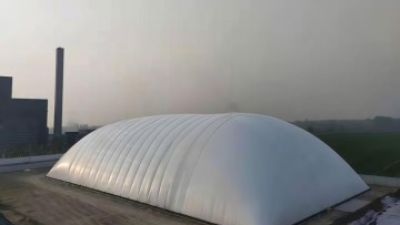
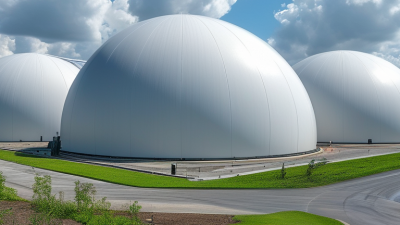
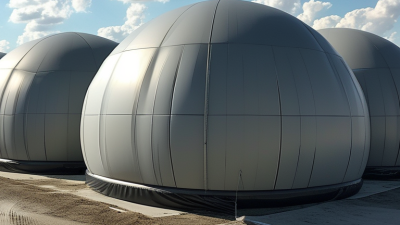
In today's constantly changing world of storage options, the Storage Air Dome has really started to stand out. Even folks like John Smith from Global Storage Innovations point out how important it is, saying something like, "The Storage Air Dome combines efficiency with flexibility, making it a pretty great choice." It’s an innovative solution that aims to meet the needs of buyers around the globe who are looking for dependable storage options.
But here’s the thing—this isn’t just some temporary setup. The Storage Air Dome is built to handle different weather conditions, giving solid protection to whatever you’re storing inside. Its lightweight yet sturdy design makes it appealing across a bunch of industries, whether it’s farming, logistics, or something else. Still, figuring out what exactly you need can sometimes feel overwhelming.
Even though the benefits are clear, it’s important for potential buyers to really think about their specific situation—that means considering the location, environmental factors, and other details. Doing your homework might seem a bit daunting, but it’s totally worth it. By understanding what you truly need and looking at your environment, you can make smarter decisions that match your goals. The Storage Air Dome is pretty versatile, but taking the time to do some research will help you get the most out of it.
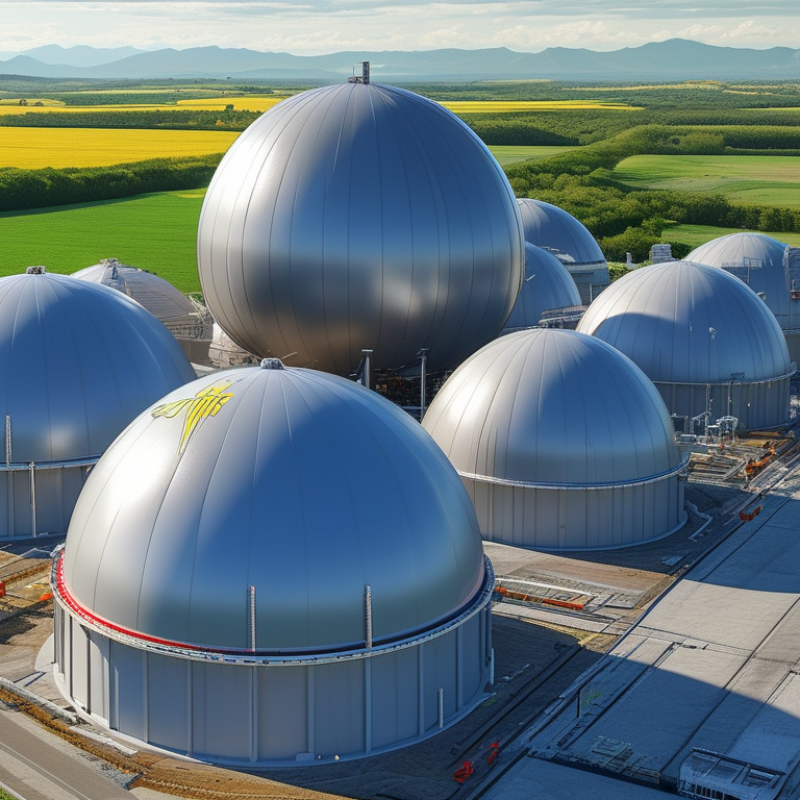
Overview of Storage Air Domes: Definition and Functionality
Storage air domes are innovative structures designed for various storage needs. They are inflatable and provide a controlled environment for a wide range of products. These domes are effective in protecting goods from external elements. The air-filled structure creates an insulating barrier, which helps maintain temperature and humidity levels.
The functionality of storage air domes is impressive. They can be used for agricultural products like grains or fruits. This keeps them fresh and safe from pests. However, proper maintenance is essential. Regular inspections can help identify leaks or wear. Neglecting these aspects may lead to significant losses.
While air domes are convenient, they have limitations. Their durability may depend on the quality of materials used. Environmental factors can also impact their lifespan. Buyers should consider these factors before purchasing. Researching different options can help find the best fit for specific needs.
Global Storage Air Dome Usage in Different Regions (2021)
Benefits of Using Storage Air Domes for Various Applications
Storage air domes offer several advantages across diverse applications. Their ability to provide protection from environmental factors is crucial. For instance, a report by the International Storage Association highlights that using air domes can extend asset lifespan by up to 30%. This is particularly beneficial for agricultural storage. They create optimal microclimates for perishable goods.
These structures also contribute to energy savings. According to a study from the Energy Efficiency Council, air domes can reduce heating and cooling costs by 20-40%. Their insulated design limits temperature fluctuations. This leads to savings that can offset initial installation costs over time.
Tips for using storage air domes effectively include ensuring proper sealing to avoid air leaks. Regular maintenance checks can also prevent structural weaknesses. Consider the size needed based on your storage requirements. Larger domes might require more significant initial investment but can offer better long-term benefits. Reflecting on these aspects can guide better decision-making for storage solutions.
Key Features to Consider When Choosing a Storage Air Dome
When selecting a storage air dome, it's essential to consider several key features that can impact efficiency and usability. Firstly, the material quality plays a crucial role. High-density polyethylene (HDPE) offers durability and UV resistance. According to industry data, structures made with HDPE can last up to 20 years under optimal conditions. Weighing the benefits of materials can influence long-term storage viability.
Temperature control is another critical factor. Many structures now include insulation to minimize heat loss. This can lead to significant savings in energy costs. A report from the Global Storage Solutions Association indicated that properly insulated domes can reduce energy expenses by as much as 30%. Furthermore, be mindful of the air circulation systems. Proper ventilation is vital to maintain temperature and prevent condensation issues.
Space efficiency is just as important. The design should maximize storage capacity while allowing for easy access. Inadequate spacing can lead to disorganization. A compromised layout may waste valuable storage opportunities. Always assess the dimensions and layout to ensure functionality. Reflecting on these aspects can provide clearer insights into what will work best for your needs.
Top Brands and Models of Storage Air Domes in 2026
In 2026, storage air domes have gained considerable popularity among global buyers. These innovative structures provide a versatile solution for various storage needs. They are ideal for storing seasonal equipment, agricultural tools, and more. Key factors to consider when selecting a storage air dome include durability, size, and insulation capabilities. Many models are designed to resist harsh weather conditions, ensuring your items remain protected.
Several top brands offer reliable storage air domes this year. Consumers often appreciate domes that are easy to assemble and disassemble. Some models even come with added features like ventilation systems. However, buyers need to be cautious about the materials used. Low-quality materials can lead to early wear and tear. Reliability is a primary concern.
While many domes excel in functionality, user feedback suggests there are areas for improvement. Some models may struggle with visibility during inclement weather. Proper maintenance can also require additional effort. Prospective buyers should weigh these factors carefully. Ultimately, choosing the right storage air dome requires balancing features and worthiness. Reliable sources can help buyers make informed decisions.
Installation and Maintenance Tips for Storage Air Domes
When setting up a storage air dome, proper installation is crucial. Begin by selecting a level site free of debris. Ensure the area is well-drained to avoid water accumulation. A flat surface minimizes air pressure changes, which can affect stability. Align support structures correctly for balanced weight distribution.
Maintenance is equally important for longevity. Regularly inspect the dome for tears or punctures. A small hole can lead to bigger issues if not addressed quickly. Clean the exterior periodically to remove dirt and debris. Also, check the inflation system. This will help maintain optimal air pressure inside.
Some users find it challenging to keep up with maintenance tasks. Over time, some components may wear down or become less effective. Keeping spare parts on hand can alleviate these concerns. Additionally, regularly reviewing installation procedures reinforces good practices. This ongoing reflection ensures your storage air dome serves its purpose effectively.
Comparative Analysis of Storage Air Domes vs. Traditional Storage Solutions
When considering storage solutions, many buyers are evaluating storage air domes against traditional options. Storage air domes offer a flexible and innovative approach to space management. They utilize inflatable structures that expand and contract, providing adaptability in various environments. Traditional storage solutions typically involve fixed spaces that may limit usability. This lack of flexibility can lead to wasted space.
Air domes can be set up quickly. Their lightweight design makes them easier to transport and install compared to traditional buildings. On the downside, while air domes are durable, they may require occasional maintenance. Users must ensure they are properly secured to withstand weather changes. Traditional storage options, while more stable, can be costly and time-consuming to erect.
In reality, there isn’t a one-size-fits-all solution. Some may find air domes impractical for long-term use. Others appreciate their cost-effectiveness for short-term needs. The choice depends on the specific requirements of the user. Each storage solution has advantages and limitations that demand reflection before making a decision.
Future Trends in Storage Air Dome Technology and Design
The future of storage air dome technology is promising. As more industries adopt this solution, several trends are emerging. One key trend is the increasing use of sustainable materials in their construction. Eco-friendly designs are in demand, influenced by global concerns about climate change. Many companies are exploring ways to create durable, yet biodegradable domes. This shift presents challenges for manufacturers, requiring innovation and investment.
Moreover, the integration of smart technology is transforming how air domes operate. Advanced sensors and automation systems enhance energy efficiency. These innovations aim to lower operational costs and improve user experiences. However, the reliance on technology also invites risks, such as system failures or cyber threats. Industry players must consider these factors as they evolve.
Design aesthetics are also becoming a focus. Customers no longer prioritize functionality alone. There is a growing desire for visually appealing structures. In response, designers are experimenting with shapes, colors, and finishes. Striking a balance between beauty and practicality can be difficult. Each project must address specific needs while embracing creativity.
Harnessing the Power of Sludge Fermentation: Exploring the Benefits of Air Domes for Waste Treatment Efficiency
The innovative concept of utilizing air domes for sludge fermentation has garnered significant attention, particularly in the context of waste treatment efficiency. In 2019, a custom-built air dome composting workshop was established for a sludge treatment plant in Bozhou, Anhui. This facility, covering an impressive area of 100m×70m, addresses the critical need for intelligent environmental control in aerobic sludge fermentation processes. By creating a controlled atmosphere, these air domes enhance the overall efficiency of waste treatment, ensuring optimal conditions for microbial activity.
The benefits of integrating air domes into sludge fermentation extend beyond mere efficiency. These structures provide a microclimate that promotes the degradation of organic matter, reducing the volume of waste and minimizing odors associated with traditional treatment methods. Additionally, the aeration provided within the domes facilitates more effective oxygen delivery to microorganisms, which is crucial for enhancing the digestion process. As a result, operators of wastewater treatment facilities not only achieve improved waste management outcomes but also contribute to a cleaner and more sustainable environment.
FAQS
: Storage air domes are inflatable structures used for versatile storage needs like seasonal and agricultural equipment.
Key factors include durability, size, insulation capabilities, and ease of assembly.
Yes, their lightweight design allows for quick transport and installation compared to traditional buildings.
Yes, occasional maintenance is needed to ensure they remain secure against weather changes.
The materials can vary; low-quality options lead to wear and tear, so quality is essential.
Air domes offer flexibility, while traditional solutions may be more stable but can be costly and time-consuming.
Trends include using sustainable materials and integrating smart technology for energy efficiency.
Yes, customers now seek visually appealing designs, balancing beauty with functionality can be challenging.
Risks include system failures and cyber threats, which need to be considered as technology evolves.
No, each storage type has its advantages and limitations, requiring careful consideration based on user needs.
Conclusion
The article "2026 Best Storage Air Dome Guide for Global Buyers" provides a comprehensive overview of Storage Air Domes, elucidating their definition and functionality. Storage Air Domes are innovative structures designed to offer flexible and efficient storage solutions for various applications. They boast numerous benefits, including cost-effectiveness, quick setup, and protection against environmental factors.
In selecting the ideal Storage Air Dome, buyers should consider key features such as size, material quality, and insulation capabilities. The article also highlights essential installation and maintenance tips to ensure longevity and optimal performance. Furthermore, there is a comparative analysis of Storage Air Domes versus traditional storage solutions, showcasing their advantages in modern scenarios. Lastly, it explores future trends in Storage Air Dome technology and design, hinting at advancements that will enhance their usability and efficiency in the coming years.