Looking ahead to 2026, buyers around the world are asking sharper questions about tensile membrane materials. Sure, price is important, but it’s not the only thing to consider. When you’re dealing with things like stadium roofs, airport canopies, or temporary pavilions, these structures face all sorts of challenges—wind, fire, UV exposure, and ongoing maintenance—each demanding different solutions.
According to Grand View Research, the global market for tensile structures is still growing. People are loving lightweight designs and the quick install times these materials offer. Similarly, Smithers’ analysis of technical textiles points to a rising demand for coated fabrics, performance finishes, and materials that are gentler on the planet. But let’s be real—just because the reports show momentum, that doesn’t mean every material is right for every project. You still need engineering proof to back up your choices.
Changing the material can totally transform how a roof feels and functions. For example, PVC-coated polyester is popular because it helps keep costs down and can be bright and colorful. On the other hand, PTFE-coated fiberglass is known for being super durable, maintaining its shape, and looking pretty shiny. If you’re after loads of daylight, ETFE foil is awesome—just remember, it needs careful design to handle inflation and punctures. And don’t forget, seam quality and easy cleaning access are spot-on important.
Horst Berger, one of the top minds in tensile design, famously said, “The structure is the architecture.” That’s still true today. A membrane isn’t just a pretty face; it carries load through tension, shape, edge design, and how everything’s connected.
This guide is all about helping global purchasing teams pick the best tensile membrane materials for 2026. We look at how long they last, fire safety, how see-through they are, sustainability, how easy they are to manufacture, and regional availability. We even compare the costs, including hidden expenses like transportation, welding, testing, replacing, and maintaining—because the price you see isn’t the whole story.
No one material checks all the boxes for every project, and that’s okay. Our comparison tries to be practical, but it’s not perfect—manufacturer data can sometimes differ from real-world performance. So, before approving any specs, make sure to ask for up-to-date certificates, independent tests, and examples of completed projects. Remember, reliability isn’t just about pretty samples—it's about asking the right questions.
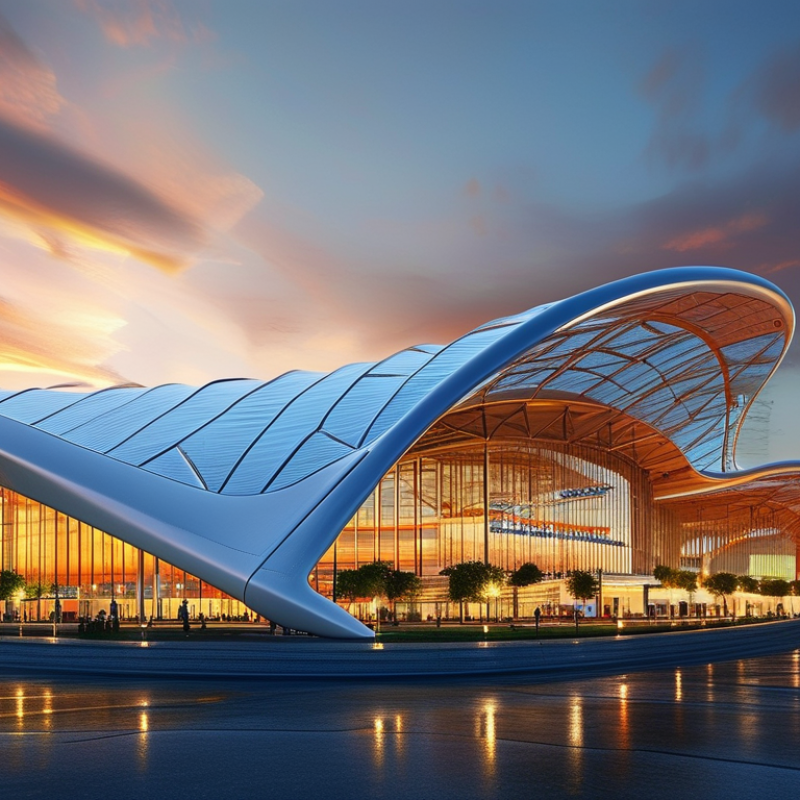
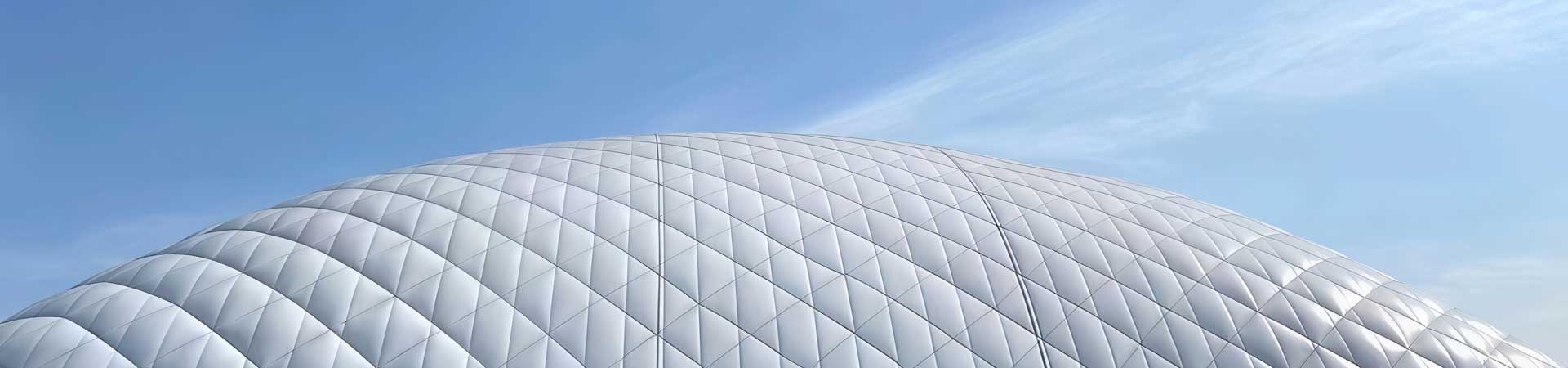
Tensile membrane materials are engineered fabrics or foils that carry loads through tension. Unlike concrete roofs, they need continuous pulling forces to remain stable. Common systems use polyester scrim with PVC coating, glass-fibre fabric with PTFE coating, or ETFE foil cushions. The scrim provides strength. The coating protects against moisture, ultraviolet radiation, and abrasion.
A typical Tensile Membrane Architecture system includes membrane panels, welded seams, edge cables, masts, clamps, and foundation anchors. Curved surfaces are not decorative accidents. Their double curvature improves stability and helps distribute wind and snow loads. Membranes also filter daylight, reduce glare, and create large column-free spaces. The 2024 Global Status Report for Buildings and Construction states that buildings consume about 32% of global energy. This supports wider use of daylighting and passive shading, although membrane performance depends strongly on orientation and ventilation. Poor detailing can still create heat buildup.
Tips: Check coating thickness, fire classification, tear strength, and seam quality before comparing prices. Request test reports aligned with EN 13782 or relevant local standards. Ask for solar transmission values, not only fabric weight. A lighter membrane may reduce structure costs, but it can demand tighter maintenance. That trade-off is easy to underestimate. Personally, I would also inspect drainage edges on completed projects, because small water traps often reveal design weaknesses earlier than laboratory data.
2026 Best Tensile Membrane Material Types for Global Buyers
How Tensile Membrane Systems Work in Architectural Applications
In 2026, tensile membrane architecture combines flexible surfaces with carefully calculated structural forces. The membrane does not simply cover a building. It transfers tension through edges, cables, masts, and anchoring points. Designers choose materials according to span, climate, fire requirements, maintenance access, and expected service life. PTFE-coated glass fiber offers strong dimensional stability and long-term weather resistance. PVC-coated polyester usually provides cost efficiency and practical fabrication. ETFE foil creates lightweight cushions and transparent façades.
The geometry controls the performance. Double-curved surfaces usually resist wind better than loose, flat sheets. Every system needs pretension. Steel masts, perimeter cables, and connection plates maintain the designed form. Engineers also study snow drift, drainage, ultraviolet exposure, and local wind pressure. Rainwater must leave quickly. Small depressions can become serious maintenance problems.
In practice, installation quality often matters as much as material selection. Creases, uneven tension, or poorly sealed joints can shorten service life. A clean computer model can still hide difficult site conditions. That limitation deserves attention. Buyers should request structural calculations, coating data, fire test evidence, welding specifications, and inspection procedures. They should also confirm replacement access and cleaning methods before approving the design. A cheaper membrane may create higher lifecycle costs when repairs require cranes or temporary closures. Practical review remains essential, especially when local weather data is incomplete.
How tensile membrane systems work in architectural applications
Chart metric: Typical service life in architectural tensile membrane applications, expressed as an indicative industry range midpoint.
Application insight: PTFE-coated fiberglass is commonly selected for long-term permanent structures, PVC-coated polyester offers a cost-effective solution for medium-term projects, and ETFE foil provides very high daylight transmission with a lightweight cushion or panel system. HDPE shade fabric is generally used for lighter, open-air shading applications.
Actual service life depends on coating quality, UV exposure, pollution, climate, structural detailing, maintenance, and installation conditions.
Tensile Fabric selection starts with climate, span, and maintenance expectations.
PVC-coated polyester remains widely used for stadium roofs, walkways, and temporary halls. It offers practical welding, color options, and competitive pricing. Typical service life reaches 15–25 years, depending on ultraviolet exposure and cleaning.
PTFE-coated fiberglass supports longer-term architecture. Its surface resists dirt, heat, and ultraviolet degradation. Many projects expect more than 25 years of service.
ETFE foil serves lightweight roofs and transparent façades. It weighs far less than conventional glass, but sharp objects and installation damage remain concerns.
HDPE and other knitted fabrics suit shade structures, playgrounds, and sports courts. They provide airflow and lower structural loads. However, their visual performance can change after years of tensioning.
A 2024 Grand View Research assessment reported continued growth in tensile membrane structures, driven by lightweight construction and large public venues. Smithers’ coated-fabrics analysis also identifies construction as a major application sector. These findings support demand, but market forecasts should not replace project-specific testing.
Tips:
Ask for test data under local heat, wind, rain, and pollution conditions. Check tear strength, weld strength, fire classification, coating weight, and expected service life. ISO 1421 tensile testing helps compare fabric performance.
No material wins every brief. Designers sometimes overvalue appearance and undervalue access for repairs. A beautiful membrane can still become an expensive maintenance problem.
2026 Best Tensile Membrane Material Types for Global Buyers
Key Performance Differences Among Membrane Material Options
Tensile membrane selection depends on climate, span, cleaning access, and expected service life. PVC-coated polyester is often practical for temporary halls, sports shelters, and moderate budgets. It offers flexible fabrication and colorful finishes, but ultraviolet exposure can gradually weaken its coating. PTFE-coated fiberglass usually provides stronger UV resistance and longer service life. Its low surface energy also helps dust release after rain. However, it is less forgiving during fabrication and often requires higher installation precision. ETFE film creates lightweight cushions and transparent roofs. It admits abundant daylight, yet sharp objects, pressure loss, or poor detailing can create maintenance concerns.
Tips: Compare coating weight, light transmission, tear strength, fire performance, and warranty conditions. Request test data for the actual climate, not only generic laboratory results. Inspect welded seams and edge details before approving production.
On active projects, I have found that the cheapest membrane can become expensive after repeated cleaning or tension adjustments. Coastal air, industrial dust, and snow loads change the decision significantly. Designers should review wind uplift, drainage paths, and replacement access with structural engineers. No material wins every project. A transparent roof may reduce daytime lighting costs, but glare can disturb occupants. White membranes reflect heat effectively, although interior brightness may need control. Some specifications also overlook repair procedures, which is a costly weakness. Reliable buyers should compare lifecycle performance, not just the initial quotation.
| Membrane Material Type | Typical Construction | Typical Tensile Strength | Typical Solar Light Transmission | Approx. Service Temperature | Typical Service Life | Main Performance Advantages | Key Limitations | Common Applications |
|---|---|---|---|---|---|---|---|---|
| PTFE-Coated Fiberglass | Glass-fiber woven fabric with a polytetrafluoroethylene coating | Approximately 3,500–7,000 N/5 cm, depending on fabric grade and direction | Approximately 8–20% | About −73°C to +260°C for the coating; project limits may be lower | Approximately 25–40+ years in suitable outdoor conditions | Excellent ultraviolet resistance, low dirt retention, strong dimensional stability, high temperature resistance, and low maintenance | Higher initial cost; limited translucency; fabrication and repair require specialized procedures | Permanent stadium roofs, airports, atriums, transport terminals, and large-span structures |
| PVC-Coated Polyester | Polyester woven fabric coated with flexible polyvinyl chloride, often with a protective topcoat | Approximately 2,500–5,500 N/5 cm, depending on fabric weight and grade | Approximately 5–15% | Generally about −30°C to +70°C, depending on formulation and coating system | Approximately 15–25 years; premium protective finishes may extend performance | Good flexibility, weldability, color availability, impact resistance, and relatively competitive cost | Greater sensitivity to ultraviolet aging, plasticizer migration, dirt, and temperature than PTFE-based systems | Canopies, temporary buildings, sports facilities, façades, walkways, and tensile shade structures |
| ETFE Foil | Transparent ethylene tetrafluoroethylene film, commonly used as single-layer or pneumatic cushions | Approximately 40–50 MPa ultimate tensile strength; values depend on foil thickness and test direction | Approximately 90–95% for clear single-layer foil; printed or fritted foil transmits less | Approximately −80°C to +150°C for typical architectural use | Commonly 25–35+ years, subject to design, cleaning, and exposure conditions | Very high transparency, low weight, strong ultraviolet resistance, self-cleaning surface behavior, and low structural dead load | Puncture risk requires careful detailing; cushions need air-management equipment; limited acoustic insulation | Large transparent roofs, botanical gardens, sports venues, façades, atriums, and daylighting systems |
| Silicone-Coated Fiberglass | Glass-fiber woven fabric coated with silicone rubber | Approximately 3,000–6,000 N/5 cm, depending on fabric grade and direction | Approximately 15–40%, depending on coating color and fabric openness | Approximately −50°C to +200°C for many architectural systems | Approximately 20–35 years in appropriate exterior conditions | Good flexibility, ultraviolet resistance, low-temperature performance, water repellency, and resistance to many chemicals | Higher material cost than standard PVC-polyester; silicone surfaces may be more difficult to weld and repair | Permanent canopies, façades, walkway roofs, industrial shelters, and structures requiring high weather resistance |
| HDPE Woven Membrane | High-density polyethylene monofilament or tape yarn woven into a porous fabric | Approximately 2,000–4,000 N/5 cm, depending on mesh construction and coating | Approximately 10–25%, depending on mesh openness and color | Generally about −40°C to +80°C | Approximately 10–20 years, depending on ultraviolet stabilizers and climate | Lightweight, breathable, economical, flexible, and effective for solar shading and ventilation | Lower weathering and fire performance than many coated fiberglass systems; generally unsuitable for fully watertight roofs | Shade sails, agricultural structures, car parks, sports shade, façades, and ventilated outdoor enclosures |
Selecting a tensile membrane material starts with climate, not appearance. Climate should lead every specification. In hot, sunny regions, choose coatings with strong UV resistance and controlled heat gain. In cold areas, check snow loads, flexibility, and repeated freeze-thaw movement. Humid or coastal sites need corrosion-resistant fittings and carefully sealed seams. Small details matter. A site survey should record wind, rainfall, sunlight, drainage, and nearby trees before choosing a Tensile Structure Roof.
Use also changes the material choice. PTFE-coated fiberglass suits long-term roofs requiring high durability and strong fire performance. PVC-coated polyester offers practical flexibility for many canopies and moderate budgets. ETFE foil provides excellent daylight and very low weight, but it needs careful pneumatic or structural design. For sports areas, study glare, acoustics, and impact risks. Do not choose by price alone. Field inspections often reveal that weak edge detailing causes trouble before the membrane itself fails. That lesson deserves attention.
Designers should balance translucency, color, span, and maintenance access. Translucent membranes can reduce daytime lighting demand, yet they may increase interior heat without proper solar control. Opaque fabrics create stronger shade and visual identity, but they can make enclosed spaces feel heavy. Ask for samples under real daylight. Check seam quality, coating thickness, fire-test documents, and cleaning requirements. A qualified engineer should verify tension, drainage, and connection forces. Material samples never show every behavior. Color can fade, and even a well-designed roof may need adjustment after its first harsh season.
For a Tensile Roofing System, material selection starts with evidence, not attractive samples. Request the technical data sheet, coating details, fabric weight, and production batch information. A clear membrane sample should show even color, consistent thickness, and clean edges. Check welded seams under light pressure. Small defects can become expensive leaks.
Ask whether the membrane suits the project’s climate and structural design. Confirm UV resistance, temperature range, wind-load calculations, drainage performance, and expected service life. Fire classification must match local building requirements, not only the supplier’s usual market. Compliance documents should be current and traceable. Test reports need recognized laboratory details, test dates, and product references. Generic certificates deserve careful questions.
Long-term value also depends on installation and maintenance. Review the installer’s completed projects, repair method, cleaning guidance, and warranty exclusions. Inspect the steel connections and tensioning plan before approving fabrication. A low price may hide difficult access or frequent cleaning. It may not. Consider salt air, dust, snow, and standing water at the actual site. I have seen buyers focus on membrane color while overlooking drainage slopes. That mistake is easy to repeat. Keep spare material records, inspection photos, and handover documents. Good purchasing leaves an audit trail, even when the project appears simple.
: The membrane transfers tension through cables, masts, edge beams, and anchoring points. Pretension keeps the surface stable. Double-curved forms usually resist wind better than loose, flat sheets.
PVC-coated polyester offers flexible fabrication and practical costs. PTFE-coated glass fiber provides strong ultraviolet resistance and dimensional stability. ETFE foil creates lightweight cushions and transparent roofs.
Hot regions need ultraviolet resistance and controlled solar heat gain. Cold locations require snow-load checks and freeze-thaw flexibility. Coastal sites need corrosion-resistant fittings and sealed seams.
Not always. A cheaper membrane may require repeated cleaning, tension adjustments, or difficult repairs. Compare lifecycle costs, access requirements, warranties, and expected service life.
The geometry should guide rainwater toward clear drainage paths. Small depressions can hold water and increase maintenance problems. Engineers should review slope, drainage outlets, and snow accumulation.
Request structural calculations, coating data, fire-test evidence, and welding specifications. Inspect seams, edge details, connection plates, and sealing methods. Laboratory data alone may not represent actual site conditions.
Cleaning methods depend on coating type, dirt exposure, and roof access. Replacement planning matters when cranes or temporary closures may be needed. Site conditions are often less perfect than drawings suggest.
Transparent membranes admit daylight and can reduce daytime lighting demand. They may also create glare or unwanted heat. Opaque fabrics provide stronger shade but can make interiors feel heavier. Real daylight samples help.
This guide explains how Tensile Membrane Material forms lightweight, flexible structures that combine fabric membranes, protective coatings, cables, fittings, and supporting frames. It outlines how these systems transfer tension and distribute loads to create durable roofs, canopies, façades, walkways, and other architectural applications while allowing natural light, efficient spans, and distinctive shapes.
The article compares major material categories available in 2026, including coated fabrics and advanced polymer-based membranes, focusing on differences in strength, flexibility, weather resistance, fire performance, light transmission, lifespan, maintenance, and environmental impact. It also provides practical guidance for selecting the right option according to climate, intended use, structural demands, appearance, and budget. For global buyers, the checklist highlights technical documentation, quality consistency, testing, installation requirements, regulatory compliance, warranties, supplier support, and long-term value, helping decision-makers choose a safe, reliable, and cost-effective membrane solution.