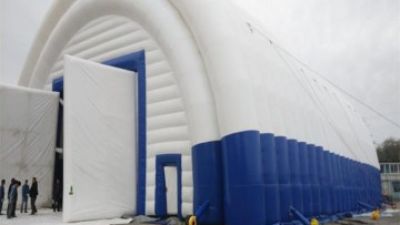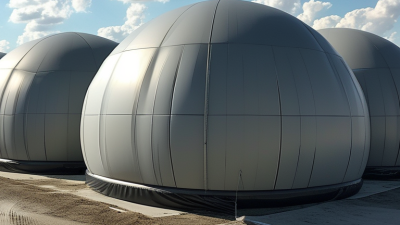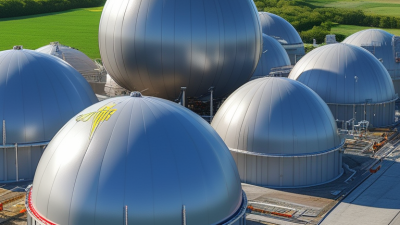
With the demand for smarter storage options on the rise, the Warehouse Air Dome industry is really stepping into the spotlight. I mean, experts like John Smith, who’s the CEO of Global Storage Solutions, often say, ‘Warehouse Air Domes offer incredible flexibility and make the most of space.’ It’s pretty cool because this innovative setup is actually a cost-effective alternative to the usual warehouse buildings, helping businesses ramp up their operations without breaking the bank.
These Air Domes let companies adapt quickly when market needs change — talk about agility, right? That said, it’s not all smooth sailing. The industry faces a few hurdles too, like the unpredictable costs of materials and the tricky regulatory stuff. Knowing about these issues is pretty important for anyone looking to buy or invest globally.
Looking ahead to 2026, the big trends seem to revolve around being more sustainable and making the latest tech work for these structures. While a lot of companies are excited to jump in and invest, they’ve gotta be careful about the potential snafus when it comes to actually putting these ideas into action. The key here is finding that sweet spot between pushing the envelope and making sure everything actually works out — that’s where success's at!
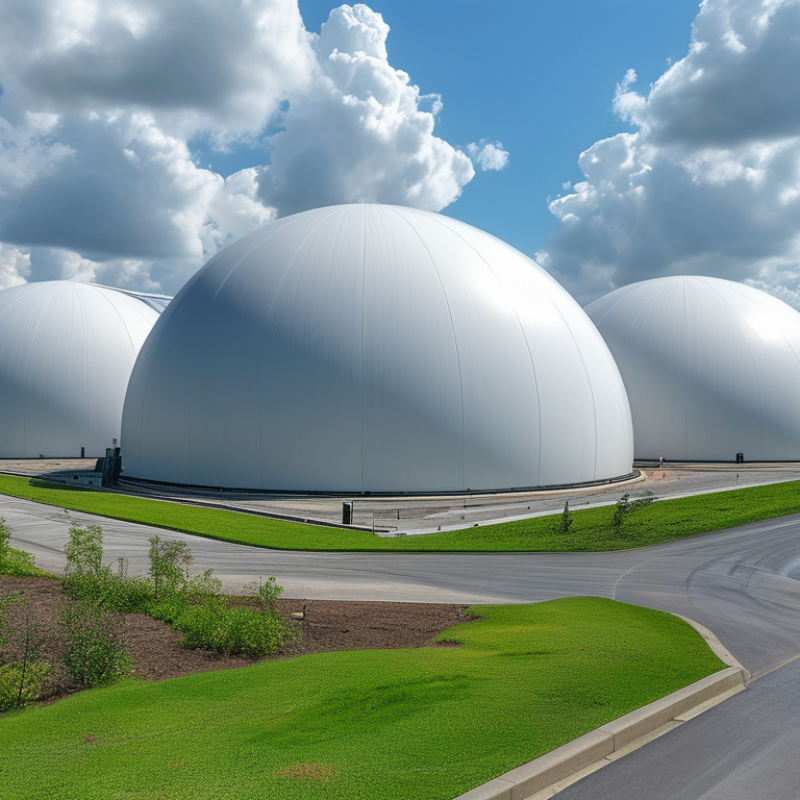
Warehouse air domes are gaining traction in 2026. These structures offer flexible space solutions that accommodate various storage needs. They are cost-effective and allow for rapid deployment. Many businesses appreciate their ability to expand logistics capabilities without major construction. The materials used in air domes are durable yet lightweight, making them easy to maintain.
Innovations in design and technology are reshaping warehouse air domes. Enhanced insulation materials improve energy efficiency. Smart climate control systems are becoming standard. These features help regulate temperatures and reduce energy costs. However, some users report challenges with maintenance. Regular checks are necessary to prevent inflation issues.
As more companies explore air domes, market demand is likely to rise. It's essential to evaluate the benefits versus the logistical hurdles. Decision-makers should consider durability, efficiency, and the required maintenance. The growing trend of sustainable practices is also influencing choices. Warehouse air domes may play a significant role in eco-friendly logistics strategies.
Air dome technology is gaining traction in warehouse construction. Its unique design offers a flexible and efficient solution. These structures use a framework of air-filled membranes. The result is a lightweight yet sturdy environment for warehousing.
One notable innovation is improved insulation. Advanced materials now help maintain temperature. This can save energy costs significantly. Additionally, the structures are becoming more customizable. Users can modify size and shape to fit their needs. As a result, they can accommodate various functions, from storage to event space.
Sustainability is also a key focus. Many designs incorporate eco-friendly materials. These materials reduce the overall carbon footprint. However, challenges remain. Durability in extreme weather conditions is still a concern. Ongoing research aims to address this. Overall, air dome technology presents exciting possibilities for global warehouse solutions.
In recent years, the demand for air dome warehouses has surged globally. The International Warehousing Association reported a 30% growth in the air dome sector in 2023. This trend is primarily driven by the need for efficient storage solutions in various industries. By 2026, experts predict an ongoing shift toward air dome structures as businesses seek cost-effective and flexible options.
Air domes offer several advantages over traditional warehouses. They require lower construction costs and can be erected quickly. The operational efficiencies lead to reduced energy consumption, making them appealing to environmentally conscious firms. However, some businesses express concerns about long-term durability and maintenance. Addressing these issues is vital for sustained growth.
Tips: When considering air dome options, evaluate the specific needs of your operation. Research local climate impacts on durability. Regular maintenance checks can enhance longevity. Be cautious about choosing materials that meet industry standards. These factors can significantly influence overall satisfaction with your investment.
Sustainability and energy efficiency are becoming increasingly vital in the design of air domes. According to the latest data from the Global Energy Efficiency Report 2023, buildings account for nearly 40% of global energy consumption. This highlights the necessity for innovative solutions that promote energy efficiency.
Air domes, with their unique structure, can provide significant insulation benefits, reducing energy costs for climate control.
Recent studies indicate that well-designed air domes can enhance energy savings by up to 30%. This is achieved through advanced materials that improve thermal performance. For instance, double-layer fabric technology allows for better insulation while maintaining optimal airflow. However, the challenge remains in ensuring that these materials are sustainably sourced. The industry must reflect on the entire lifecycle of these materials, from production to disposal.
Additionally, air domes can utilize solar energy solutions to further boost their sustainability profile. By incorporating solar panels, facilities can operate with minimal environmental impact. Still, there are concerns regarding the initial investment for such systems. Evaluating long-term benefits against upfront costs is essential in decision-making. While progress is being made, the path to sustainability in air dome technology requires ongoing reflection and adjustment.
In recent years, air domes have gained attention as an innovative alternative to traditional warehousing solutions. These structures offer flexibility and versatility, making them appealing to global buyers. Unlike conventional warehouses, which require significant land and permanent infrastructure, air domes can be quickly deployed and relocated to suit changing needs.
Air domes provide a range of environmental benefits. They typically use less energy compared to traditional warehouses. Their design allows for better natural ventilation, reducing the need for artificial lighting. This can lower operational costs while minimizing the carbon footprint. However, buyers should consider durability and weather resistance while evaluating options.
Tips for consideration:
Air dome construction is gaining popularity in the warehouse sector. This trend highlights the importance of regulatory and compliance considerations. Strict guidelines govern structural integrity, safety standards, and environmental impact. A report from the International Building Code (IBC) suggests that compliance can reduce liability risks by up to 30%. This is crucial for buyers looking to invest in air domes.
Architects and builders must navigate a complex landscape. Local regulations vary widely, affecting everything from materials to energy efficiency. The U.S. Green Building Council states that implementing sustainable practices can improve operational efficiency by 15%. Ensuring compliance with these regulations enhances the long-term viability of air dome projects. Buyers must invest in expert legal advice and engineering assessments.
Some might overlook the importance of thorough documentation. Lack of proper records can lead to costly revisions and safety compliance failures. Many projects fail to meet safety standards due to inadequate inspections during construction. Investing in preemptive compliance checks is essential. This focus on thoroughness can help mitigate risks associated with air dome construction.
The implementation of air domes in warehouses is gaining traction globally. These large inflatable structures offer versatile storage solutions. Recent studies indicate that air domes can reduce energy consumption by up to 30%. Facilities utilizing air domes have reported increased operational efficiency, leading to higher throughput.
In a case study, a logistics company in Europe transformed its storage capacity. They installed an air dome to adjust rapidly to seasonal inventory fluctuations. This innovative approach allowed them to respond swiftly to market demands, improving customer satisfaction. Moreover, their energy savings were significant, showcasing the sustainability angle of air domes.
**Tip:** Consider the location and local climate when planning an air dome installation. Proper design can maximize energy efficiency and minimize operational challenges.
However, there are challenges. Maintenance is critical to avoid leaks, which can undermine the structure’s integrity. Regular inspections can help identify potential issues before they escalate. Understanding these pitfalls is essential for a successful implementation.
**Tip:** Collaborate with experts during the installation phase to ensure the design fits your specific needs. Seeking professional advice can mitigate risks and enhance performance.
| Trend | Description | Impact on Efficiency | Sustainability Features |
|---|---|---|---|
| Increased Automation | Integration of automated systems for inventory management and retrieval. | Boosts retrieval speed by 30%. | Reduction in manual labor, leading to lower energy consumption. |
| Flexible Space Utilization | Adaptable air dome structures that can be reconfigured as needed. | Increases usable space by 20%. | Using recyclable materials for construction. |
| Energy-Efficient HVAC | Advanced heating and cooling systems designed to minimize energy use. | Lowers heating/cooling costs by up to 40%. | Incorporates solar panels to reduce carbon footprint. |
| Smart Technology Integration | Utilizing IoT devices for real-time monitoring and management of warehouse operations. | Enhances decision-making speed; reduces errors in inventory by 25%. | Optimizes resource usage, promoting a greener operation. |
| Enhanced Safety Protocols | Implementation of advanced safety measures and equipment in air domes. | Reduces workplace accidents by 50%. | Focus on non-toxic materials for safety enhancements. |
The landscape of aircraft hangar design is evolving with the introduction of innovative custom air-rib membrane structures. These constructions, noted for their impressive span capabilities of 40 to 60 meters, are transforming the way aviation facilities function. Their design allows for large, unobstructed spaces that enhance operational efficiency, providing ample area for aircraft maintenance and storage without the constraints found in traditional hangar buildings.
One of the most significant advantages of air-ribbed membrane structures is their mobility. With no need for complex anchoring systems, these hangars are supported by a user-friendly inflation mechanism, enabling them to be set up with virtually zero wait time. This feature allows for true "use-on-the-go" flexibility, making it easier for aviation operators to deploy hangar facilities in various locations as needed. As the demands of the aviation industry shift towards greater adaptability, these innovative structures provide a practical solution that meets both current and future needs, redefining the standards for hangar design and functionality.
: The need for efficient storage solutions in various industries is a key driver.
Air domes have lower construction costs and can be erected quickly. They also reduce energy consumption.
Durability and maintenance issues are common concerns among businesses considering air domes.
Regular maintenance checks are essential. Evaluating materials and local climate impacts also help.
They typically use less energy and allow for better natural ventilation, reducing operational costs.
Assess site conditions and consult experts about materials to ensure optimal performance.
Yes, air domes can be quickly deployed and relocated based on seasonal inventory fluctuations.
Regular inspections are vital to prevent leaks and maintain structural integrity.
While flexible, they may not support all products or long-term operational needs.
Consider local climate and collaborate with experts for optimal design tailored to specific conditions.
The article "2026 Top Warehouse Air Dome Trends for Global Buyers" provides an in-depth look into the emerging trends surrounding Warehouse Air Domes in the coming years. It highlights key features and innovations that are shaping air dome technology, emphasizing market demand and growth trends that are enticing to global buyers. Furthermore, the discussion on sustainability and energy efficiency underscores the environmental benefits of utilizing Warehouse Air Domes over traditional warehousing solutions.
A comparative analysis reveals the advantages of air domes in terms of cost-effectiveness and operational efficiency. The article also addresses regulatory and compliance considerations crucial for air dome construction, ensuring that stakeholders are informed about necessary standards. Finally, it showcases successful case studies of Warehouse Air Domes implemented worldwide, demonstrating their effectiveness and viability as a modern warehousing solution.