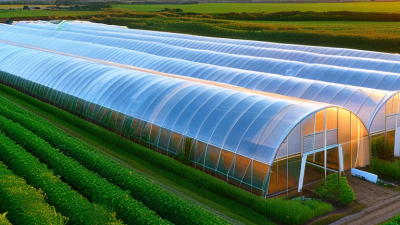
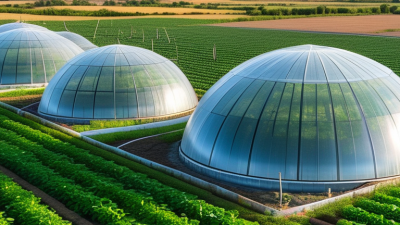
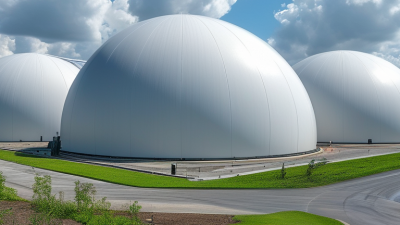
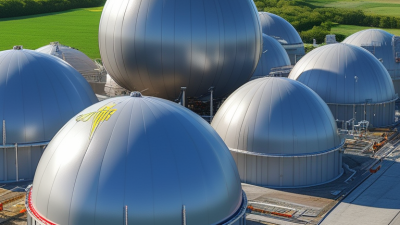
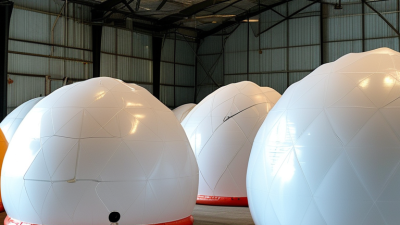
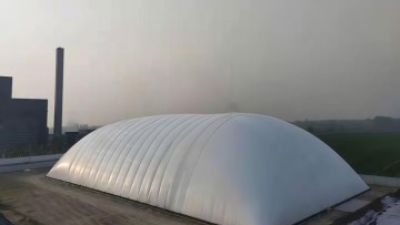
The farming world is changing pretty fast lately, with new and innovative solutions shaking up the old ways of doing things. One really exciting technology that’s catching on is the Agricultural Air Dome — it might just totally change how we grow and protect crops. Dr. Emily Grant, who's a top expert in horticultural engineering at GreenTech Innovations, points out how big of a shift this is: "The Agricultural Air Dome can create perfect little microclimates, helping plants grow better and reducing worries about environmental stresses."
As more and more global buyers look for effective farming solutions, the buzz around Agricultural Air Domes has skyrocketed. These domes give farmers a controlled environment where they can fine-tune light, temperature, and moisture to help crops thrive. But, let’s be honest, choosing the right dome isn’t exactly a walk in the park. Different regions have their own unique needs, and not every model will work perfectly everywhere.
Getting into this kind of investment means you gotta do your homework. Farmers and buyers need to think about their specific conditions and sustainability goals. If you pick the right fit, the Agricultural Air Dome could really help farmers boost their yields and become more resilient. Still, it’s important to step back and consider how this tech fits into the bigger picture of sustainable farming — it’s not just about the tech itself, but how it all works together.
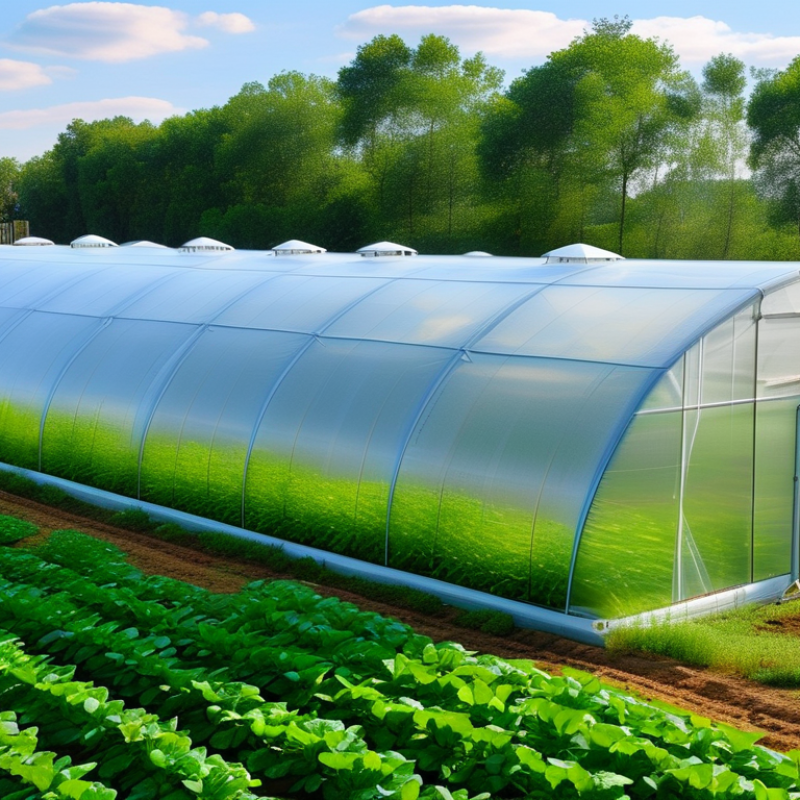
2026 Overview of Agricultural Air Domes in the Global Market
Agricultural air domes have gained attention in recent years. They provide a controlled environment for crops. This is crucial as climate change impacts agriculture globally. Farmers are looking for innovative solutions to ensure stable yields. The uniqueness of air domes lies in their ability to optimize growing conditions. They can mitigate the effects of extreme weather.
The global market for agricultural air domes is expanding. Various factors influence this growth. Technological advancements play a key role. Enhanced materials contribute to better insulation and durability. More farmers are recognizing the benefits of air domes. They can lead to improved crop quality and reduced input costs. However, the adoption rate varies by region. Some farmers remain skeptical about the initial investment.
Market reports indicate a steady increase in demand. More research and development efforts are needed. The effectiveness of air domes should be continually assessed. Farmers must weigh the pros and cons. Understanding the local climate is essential. Adaptation strategies can differ widely, depending on geographic location. As the market evolves, collaboration among industry experts will be vital. This ensures that air domes meet diverse agricultural needs.
Key Features of Agricultural Air Domes for Enhanced Crop Production
Agricultural Air Domes are emerging as effective tools for enhancing crop production. These structures provide a controlled environment, optimizing growth conditions. They combine ventilation, humidity control, and temperature regulation to support healthy plant development. The use of an Air Rib Dome can lead to improved air circulation and better light penetration, crucial for photosynthesis.
Implementing an Air Rib Dome requires careful planning and understanding of local climate. Some farmers may find the initial investment daunting. However, the long-term benefits often outweigh these concerns. Resource management is vital for success. It's important to monitor water usage and crop health regularly. Neglecting these aspects can lead to subpar yields, underscoring the need for ongoing management.
Additionally, the materials used in an Air Rib Dome matter significantly. Lightweight yet durable materials can maximize efficiency and longevity. Adapting these structures to specific crops can yield higher returns. This customization process may take time and experimentation. The paths to success are not always straightforward, but diligence and adaptation can ultimately lead to enhanced crop production levels.
Benefits of Using Air Domes in Sustainable Agriculture Practices
The use of air domes is revolutionizing sustainable agriculture. These structures offer numerous benefits, enhancing crop growth and resource efficiency. They create a controlled environment that protects plants from harsh weather conditions. This stability can lead to higher yield and improved crop quality over time.
Implementing The Air Dome requires careful planning. Farmers should assess the specific needs of their crops. Factors such as temperature, humidity, and sunlight exposure are critical. Additionally, consider how The Air Dome can fit into current farming practices. Some farmers have reported learning curves when adapting to these systems.
Regular maintenance is vital for optimal performance. Ensure that ventilation systems are functioning correctly to prevent overheating. Weak spots in the dome material may lead to air loss, affecting plant health. Investing time in routine checks can result in more resilient crops. The feedback from peers in the industry can also provide valuable insights when navigating these challenges.
Leading Manufacturers of Agricultural Air Domes in 2026
In 2026, agricultural air domes are increasingly recognized for their efficiency. These structures, such as the Pvdf Air Dome, offer improved climate control. They create an optimal environment for a variety of crops, significantly enhancing yield quality. According to a recent industry analysis, the global market for agricultural air domes is projected to grow at a CAGR of 12.5% from 2023 to 2028.
Leading manufacturers of agricultural air domes focus on incorporating advanced materials. Innovations like lightweight PVDF coatings improve durability and thermal efficiency. This has proven crucial for growers in diverse climates. Moreover, user feedback emphasizes the need for flexible designs. Many growers report challenges with installation and maintenance, which can lead to unexpected costs.
An analysis from an agricultural technology report highlights that despite rapid growth, not all products meet necessary standards. Reliability remains a concern, particularly in harsh conditions. Buyers should be cautious and consider long-term performance and customer service when selecting a Pvdf Air Dome. Understanding these factors can lead to better investment decisions in the evolving agricultural landscape.
2026 Best Agricultural Air Dome Sales Comparison
Comparison of Different Agricultural Air Dome Models and Prices
Choosing the right agricultural air dome can be challenging. Various models are available that differ in design and functionality. Prices can vary widely based on features like size, material quality, and insulation capacity. It's essential to evaluate these differences carefully before making a purchase.
When considering air dome models, assess the specific climate conditions of your location. Some domes are better for cold climates, while others are suited for warmer areas. Look for features that improve air circulation and temperature regulation. This can significantly affect crop yield and health.
Researching and comparing options is vital. Many air dome designs might seem similar, but small details can impact performance. Check the construction materials. Different layers can offer better insulation or UV protection, influencing long-term durability.
Utilize reviews and feedback from current users. Their experiences can highlight potential issues or advantages not immediately apparent. Engage in forums or discussion groups focused on agricultural innovations. This collective wisdom can guide you towards a well-informed decision.
2026 Best Agricultural Air Dome for Global Buyers
| Model |
Size (m²) |
Material |
Price (USD) |
Features |
| Air Dome A |
100 |
PVC |
$2,500 |
UV resistant, easy setup |
| Air Dome B |
150 |
PE |
$3,200 |
Thermal insulation, wind resistant |
| Air Dome C |
200 |
HDPE |
$4,500 |
Long lifespan, eco-friendly |
| Air Dome D |
300 |
Silicone |
$5,900 |
Waterproof, high durability |
Case Studies: Successful Implementations of Air Domes Worldwide
Air domes have emerged as innovative solutions in agriculture, especially for weather-sensitive crops. One remarkable case comes from a farm in South America. Here, a large air dome was installed to protect fields from extreme weather. The farmers reported a significant increase in yield. They noted that the controlled environment reduced pest activity and improved overall plant health.
In Europe, another successful implementation focused on sustainable practices. A vegetable grower adopted a Custom Air Dome Hangar to extend the growing season. By trapping heat, this dome allowed early planting in spring and late harvesting in fall. However, the grower faced challenges with humidity control. They had to constantly adjust ventilation to prevent mold growth. Despite this, the overall success demonstrated the dome’s potential for climate adaptability.
These case studies highlight the various advantages of air domes. Nevertheless, they also show that implementation isn’t always perfect. Adjustments are necessary to maximize their effectiveness. As global interest grows, more data and experiences will refine these systems further.
Future Trends in Agricultural Air Dome Technology and Innovation
The agricultural air dome technology is evolving rapidly. Recent data shows that this sector is projected to grow at a compound annual growth rate (CAGR) of 15% by 2026. This rise can be attributed to increasing demand for controlled environment agriculture (CEA). Farmers are increasingly adopting air dome systems for efficiency and higher yields.
Innovations in materials and designs are crucial. Lightweight, durable fabrics are becoming standard. These materials enhance energy savings and improve climate control within the domes. A report by the International Greenhouse and Horticulture Association notes that smart technologies integrated into air domes can reduce water usage by up to 30%.
Challenges remain, however. High initial costs deter some farmers. The need for training on advanced technologies is also apparent. As the industry grows, addressing these hurdles will be vital. Engaging with stakeholders and investing in research can bridge knowledge gaps. The future of agricultural air domes holds promise, but collective effort is needed to maximize their potential.
Enhancing Sludge Treatment Efficiency: Insights from Industry Reports on Custom Air Dome Composting Solutions in China
The innovative use of custom air dome composting solutions is revolutionizing sludge treatment efficiency in China. A notable example is the establishment of a dedicated air dome composting workshop at the Bozhou sludge treatment plant in Anhui. This facility spans 100 meters by 70 meters and specifically addresses the challenges of intelligent environmental control during aerobic sludge fermentation. By creating a controlled environment, this solution not only enhances the composting process but also contributes to more sustainable waste management practices.
As industries increasingly recognize the importance of efficient sludge treatment, advanced technology becomes crucial. The air dome composting system offers a state-of-the-art approach that optimizes aerobic conditions, fostering faster and more effective decomposition of organic matter. Such innovation not only improves the treatment outcomes but also promotes environmental health by reducing the carbon footprint associated with traditional waste management methods. The commitment to developing these cutting-edge facilities reflects a proactive step towards sustainable practices that align with global environmental goals.
FAQS
: They provide climate control, improving conditions for various crops and enhancing yield quality.
The global market is projected to grow at 12.5% from 2023 to 2028.
Advanced materials, like lightweight PVDF coatings, improve durability and thermal efficiency.
Yes, users face installation and maintenance challenges, which can lead to unexpected costs.
Buyers should evaluate long-term performance and customer service for reliable investment.
They can reduce water usage by up to 30%, promoting efficiency in resource management.
The high initial costs deter many farmers from investing in air dome technologies.
Yes, training on advanced technologies is needed for better operation and efficiency.
Innovations in materials and designs are becoming standard, enhancing overall energy savings.
Engaging stakeholders and investing in research are crucial to address existing challenges.
Conclusion
The article "2026 Best Agricultural Air Dome for Global Buyers?" provides a comprehensive overview of Agricultural Air Domes and their significance in enhancing crop production across the globe. It emphasizes the key features that make these structures effective in creating optimal microclimates, which lead to improved crop yield and quality. Additionally, the article highlights the benefits of integrating Agricultural Air Domes into sustainable farming practices, showcasing their role in resource conservation and environmental protection.
Furthermore, it discusses the leading manufacturers of Agricultural Air Domes in 2026 and presents a comparison between different models and their pricing. The inclusion of successful case studies illustrates the practical applications and advantages experienced by users worldwide. Finally, the article looks ahead at the future trends and innovations in Agricultural Air Dome technology, suggesting exciting possibilities for enhancing agricultural productivity and sustainability.