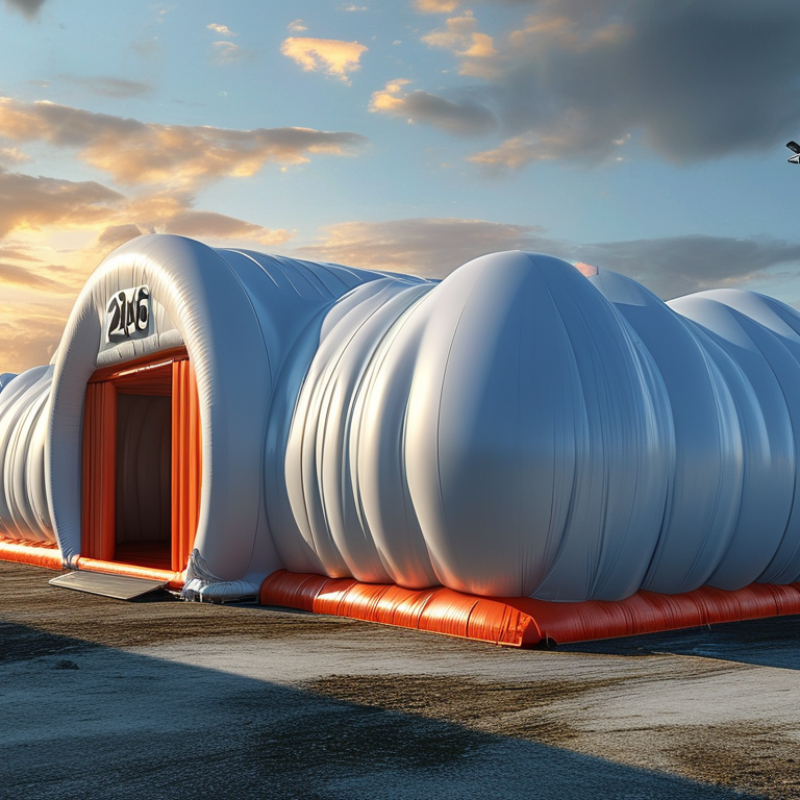
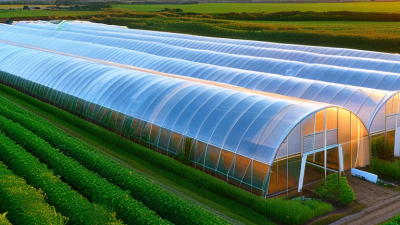
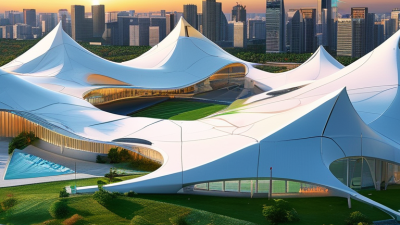
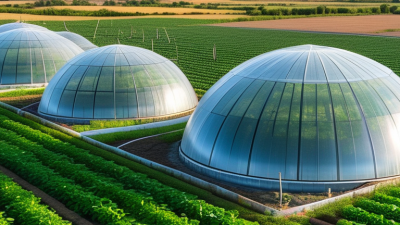
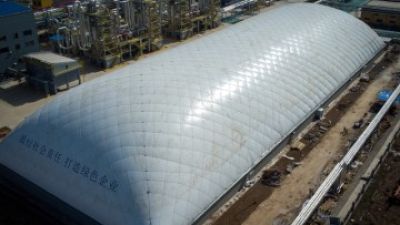
As more folks are looking for flexible and innovative structures, the market for inflatable buildings is really picking up speed. I came across a recent report from Smith Research, and it says that the global market for these structures could hit around $1.2 billion by 2026. That number shows how more people are starting to see the advantages of inflatable buildings — stuff like how much faster they can be set up and how cost-effective they are.
Dr. James Anderson, a well-known industry expert, even says, “Inflatable buildings are basically revolutionizing temporary infrastructure.
Emerging Trends in Inflatable Building Technology for 2026
Inflatable buildings are gaining momentum in 2026, driven by technological advancements. Designers focus on using sustainable materials to reduce environmental impacts. These structures are lightweight and versatile, allowing for quick setup in various locations. This flexibility appeals to industries ranging from events to emergency shelters.
New insulation technologies enhance energy efficiency, making heat retention better in cold climates. Some designs feature solar panels integrated into the surface, harnessing renewable energy. This not only lowers operational costs but also promotes a green lifestyle.
However, there are concerns about durability. Inflatable structures must withstand diverse weather conditions. Companies continue to experiment with materials that resist wear and tear. Feedback from users is crucial to improve performance and robustness. The industry is evolving, but challenges remain. Each innovation invites further exploration and adjustment.
Best Inflatable Buildings for Global Buyers in 2026
Key Features to Look for in Inflatable Buildings
Inflatable buildings, or Air Buildings, have gained attention for their versatility and cost-effectiveness. When selecting an inflatable structure, durability is crucial. A recent industry report indicates that over 55% of buyers prioritize materials that withstand extreme weather conditions. Investing in weather-resistant fabrics prolongs a building's life, but the initial cost may deter some buyers.
Size and design flexibility also play significant roles. According to market analysis, around 40% of potential users need customizable dimensions for various functionalities. This adaptability makes Air Buildings suitable for events, emergency shelters, and recreational spaces. It’s worth noting that while innovation thrives, not all manufacturers ensure safety standards. Buyers should request certifications and safety testing data before purchase, as approximately 25% of inflatable structures have been reported with design flaws.
Finally, mobility and ease of setup cannot be overlooked. Studies show that 70% of users prefer lightweight structures that are quick to assemble. However, buyers often struggle with deployment in challenging terrains. Understanding the balance between portability and stability is vital. Ultimately, while Air Buildings offer many advantages, careful consideration of these features is essential for making informed decisions.
Top Manufacturers of Inflatable Buildings Worldwide
Inflatable buildings are gaining popularity due to their versatility. Many sectors use them, from events to temporary housing. These structures offer quick setup and transportability, making them ideal for global use. Buyers are looking for innovative designs and durable materials.
Manufacturers around the world are responding to this demand. They focus on quality and sustainability. Some specialize in custom designs, while others emphasize mass production. The market has many options, but not all meet the necessary safety standards. Buyers should research thoroughly to ensure reliability.
Challenges remain for producers in maintaining quality control. Some use inferior materials to cut costs, which impacts durability. Investing in high-quality inflatable buildings can save money in the long run. Companies need to balance innovation with safety and longevity. As the market grows, buyers must remain vigilant and informed.
Popular Uses of Inflatable Buildings in Various Industries
Inflatable buildings are gaining traction across various industries due to their versatility. They serve as temporary shelters during events or emergencies. For example, these structures are often used at music festivals. They provide instant shade and protection from rain. Moreover, they can be set up quickly, which is crucial in time-sensitive situations.
In sports, inflatable arenas are becoming more common. They create a controlled environment for activities like soccer or tennis. Athletes can train year-round, regardless of the weather. However, durability can be a concern. High winds or sharp objects may pose risks. Industry experts emphasize the importance of quality materials. This ensures the structures can withstand varying conditions.
Additionally, inflatable buildings are popular in educational settings. They provide unique spaces for workshops or seminars. Students can engage in experiential learning. Yet, the challenge lies in maintaining safety standards. Proper ventilation and secure anchoring are vital. As awareness grows, the demand for inflatable structures will likely increase. They can transform spaces efficiently while being budget-friendly.
Best Inflatable Buildings for Global Buyers in 2026
| Category |
Inflatable Building Type |
Popular Uses |
Expected Growth Rate (%) |
| Commercial |
Inflatable Warehouses |
Storage Solutions |
7% |
| Recreation |
Inflatable Water Parks |
Entertainment Venues |
10% |
| Events |
Inflatable Tents |
Festivals & Fairs |
5% |
| Education |
Inflatable Classrooms |
Temporary Learning Spaces |
6% |
| Emergency Services |
Inflatable Medical Facilities |
Disaster Relief |
8% |
Sustainability and Environmental Impact of Inflatable Structures
As the world seeks sustainable solutions, inflatable structures are gaining attention. These designs, known as
Air Supported Buildings,
offer unique environmental benefits. They require less material compared to traditional buildings. Thus, their carbon
footprint is inherently lower. Their lightweight nature also reduces transportation emissions. It is important to evaluate
the full lifecycle impact of these structures.
The manufacturing process plays a significant role in sustainability. While some inflatable buildings use advanced materials,
others may rely on less eco-friendly options. It's crucial to research and choose environmentally responsible materials.
Additionally, the energy efficiency of these buildings can vary. Proper insulation and energy sources are essential for
maximizing their benefits. This inconsistency raises questions about long-term sustainability.
While inflatable structures are innovative, they are not without challenges. Durability can be a concern, especially in extreme
weather. Continuous maintenance and care are needed to ensure structural integrity. Buyers must consider these factors and weigh
the pros and cons carefully. Addressing these issues is essential for the future of Air Supported Buildings in sustainable architecture.
Global Markets for Inflatable Buildings: Opportunities and Challenges
Inflatable buildings are gaining traction in global markets. These structures offer versatility and cost-effectiveness. However, potential buyers must navigate various challenges. Understanding local regulations is crucial before making a purchase. Each country has different safety standards that impact inflatable buildings.
Tips: Research the local market. Identify key trends that influence demand. Engage with experienced Inflatable Hangar suppliers to get insights. Their expertise can help you choose the best options.
Inflatable buildings may not suit every application. For example, extreme weather conditions can affect their durability. Buyers should consider climate when selecting materials. It's essential to assess long-term operational costs versus initial investment.
Tips: Evaluate maintenance requirements regularly. Ensure you have a support system after purchase. This can prevent unforeseen expenses and enhance reliability. Working with reputable inflatable hangar suppliers will also aid in safeguarding your investment.
Future Innovations in Design and Functionality of Inflatable Buildings
Inflatable buildings are evolving rapidly, driven by the need for adaptable and sustainable structures. The market is projected to reach $6.9 billion by 2026, reflecting a 14% annual growth rate. This expanding interest highlights the potential of inflatable designs in various sectors, from emergency response to event management.
Future innovations will likely focus on enhancing the durability and functionality of inflatable buildings. A significant trend is the integration of smart technologies, which can monitor structural integrity and improve safety. For instance, Durable Inflatable Hangar systems are being developed to withstand extreme weather conditions. These improvements could reduce maintenance costs and extend the lifespan of inflatable structures.
However, challenges remain. The materials used must balance lightweight properties with strength. Research indicates that current materials may not fully meet these requirements. Industry experts emphasize the need for ongoing innovation to address these limitations. The future of inflatable buildings depends not only on creative designs but also on reliable manufacturing processes. As we look ahead, collaboration between designers and engineers will be crucial to achieve optimal results in this promising field.
Outline for "Exploring the Advantages of Yifan's Cost-Effective Inflatable Storage Solutions with PVDF Membrane Technology
The modern logistics industry is under constant pressure to improve efficiency while controlling costs. This is where cost-effective inflatable storage solutions utilizing advanced PVDF membrane technology come into play. These innovative inflatable warehouses are engineered to create expansive, column-free spaces that can extend up to 100 meters. By harnessing an internal and external air pressure differential, they provide a flexible structure that significantly enhances operational efficiency, accommodating vehicles, cranes, and loading platforms seamlessly.
In comparison to traditional reinforced concrete buildings, inflatable storage solutions offer remarkable economic advantages. Reports indicate that these air dome structures can reduce construction costs by approximately 60% per unit area. This substantial saving translates to lowered capital investments for businesses, making it an attractive option for companies aiming to enhance their logistic capabilities without incurring prohibitive costs. The utilization of modular design and prefabricated construction methods allows for rapid deployment—these warehouses can typically be operational within a mere three months, enabling enterprises to swiftly respond to market demands.
The benefits extend beyond mere cost savings; the operational flexibility and quick setup times of inflatable warehouses allow businesses to maintain a competitive edge in a fast-paced market environment. Industry studies highlight that such adaptive storage solutions are vital in meeting the increasingly dynamic needs of modern logistics, proving that inflatable technology is not only a revolutionary step in warehousing but also a strategic asset for enhancing supply chain efficiency.
FAQS
: Durability is crucial. Look for materials that withstand extreme weather.
Very important. Many users need customizable dimensions for various functionalities.
Lightweight structures are preferred, but deployment can be challenging in tough terrains.
They require less material, reducing their carbon footprint, but sustainability varies by manufacturer.
Request certifications and safety testing data. Some manufacturers may not adhere to safety standards.
Navigating local regulations and varying safety standards is crucial before purchasing.
Extreme weather can affect their durability. Assess environment when selecting materials.
Regular maintenance is essential to ensure structural integrity and longevity.
Work with reputable suppliers to receive support and prevent unforeseen expenses.
Energy efficiency varies widely, which raises questions about their long-term viability.
Conclusion
The article delves into the promising landscape of Inflatable Buildings across various sectors in 2026, highlighting emerging trends and technological advancements that are reshaping the industry. Key features to consider when selecting inflatable structures include their adaptability, durability, and ease of transportation, making them increasingly appealing for diverse applications.
Furthermore, the discussion encompasses the sustainability aspect, addressing the environmental impact of inflatable buildings and their potential to reduce carbon footprints. As global markets evolve, they present both opportunities and challenges for manufacturers and buyers alike. The future of inflatable buildings is poised for innovation, with new designs and functionalities on the horizon, particularly as industries recognize their potential for versatile and efficient space utilization.