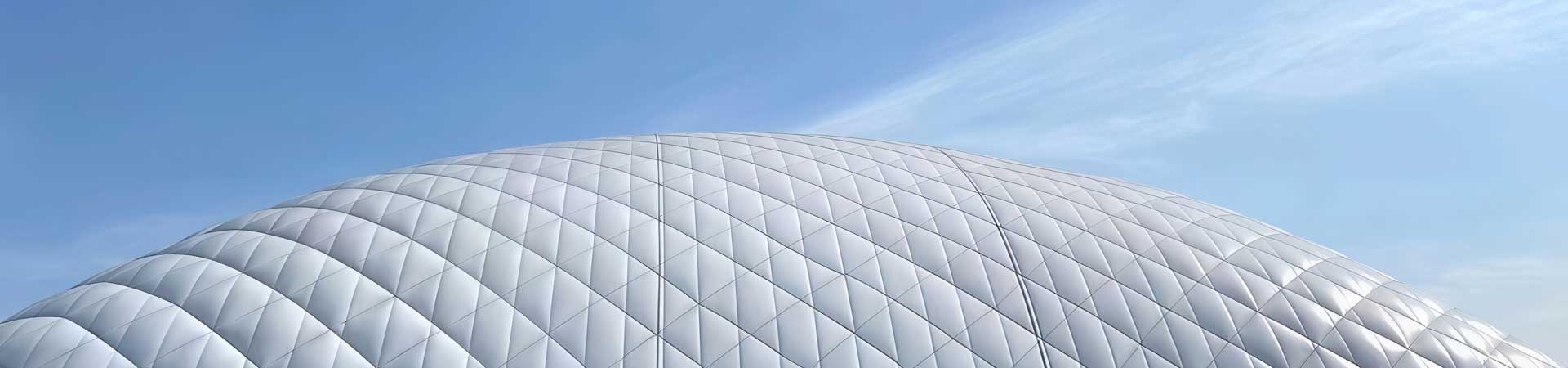
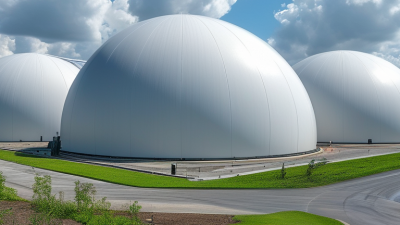
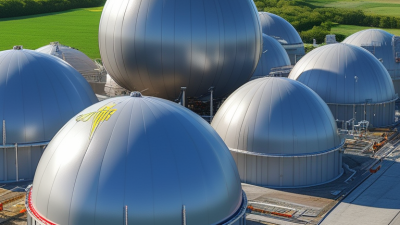
Looking for innovative solutions for your next project? You might want to check out Air Domes—they're pretty fantastic and practical when it comes to versatility and efficiency. I mean, whether it’s a sports complex or a big event space, these inflatable structures can really do the trick. What’s cool is how quickly they can be set up and how cost-effective they are, which is a big plus if you’re on a tight schedule or budget.
There’s this company called Inflatable Structures Inc., and they specialize in designing high-quality Air Domes for pretty much anything you might need. Their team really knows their stuff—ensuring that each dome is durable and stable, which definitely puts your mind at ease. Thanks to ongoing advances in materials and design, these domes are lightweight but still tough enough to handle the elements. That said, it’s super important to pick the right provider so you can get the most out of your investment.
Air Domes have been used in loads of projects and proven to work well. But, real talk—some people have run into issues with wind resistance and maintenance now and then. So, it’s smart to understand these potential bumps in the road beforehand. If you partner up with experienced pros, you can tackle these challenges head-on and have a successful project with an Air Dome that really meets your needs.
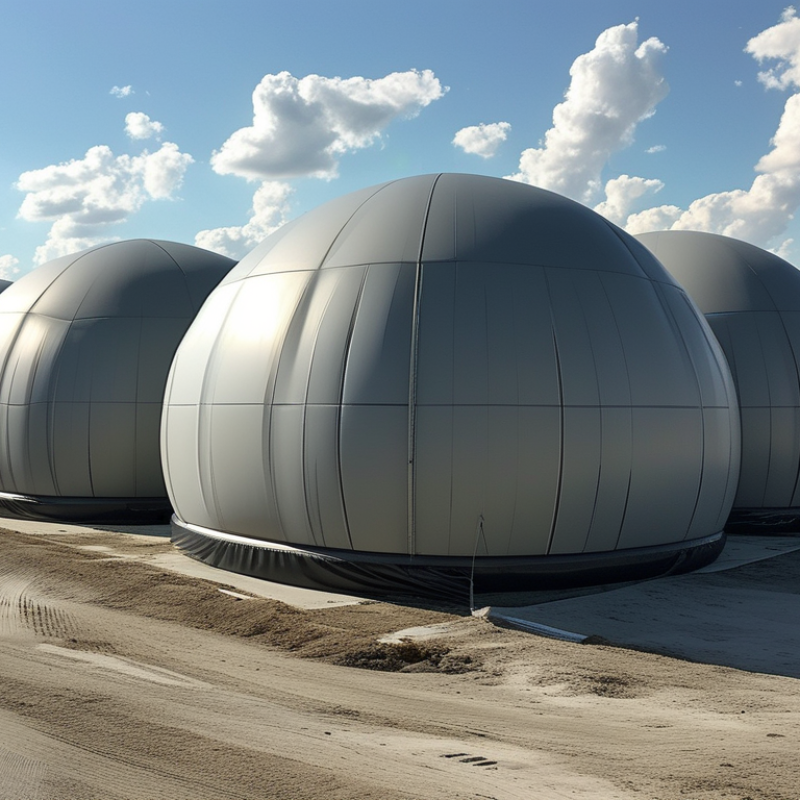
Benefits of Air Domes in Modern Construction Projects
Air domes have become increasingly popular in modern construction. They offer unique advantages for various projects. Their lightweight structure allows for quick installation. This can be crucial for projects with tight deadlines. The ability to cover large areas with minimal support makes them versatile. They're particularly useful for sports facilities, warehouses, and event spaces.
Another benefit of air domes is energy efficiency. The insulation properties can significantly reduce heating and cooling costs. This can lead to long-term savings that improve overall project viability. Additionally, air domes are designed to withstand extreme weather conditions. However, their reliance on air pressure can raise concerns in severe storms. It's vital for contractors to evaluate site conditions carefully.
While air domes have many advantages, they may not be suited for every project. Engineers must consider local regulations and structural needs. Not every location can accommodate the specific design requirements of an air dome. Understanding these factors is crucial for a successful implementation. The unique features of air domes invite innovation but require thoughtful planning. With meticulous execution, they can redefine modern construction aesthetics.
Versatility of Air Domes for Various Applications
Air domes are gaining momentum in various construction sectors. Their versatility makes them ideal for diverse applications. According to a report by MarketsandMarkets, the global air-supported structures market is expected to grow from $1.5 billion in 2021 to $2.4 billion by 2026. This growth reflects increasing interest in the unique benefits of air domes.
These structures can be modified for sports, warehousing, and even recreational activities. For instance, they provide climate-controlled environments for sporting events. An investigation by the International Journal of Sports Science revealed that air domes can enhance player performance by maintaining optimal temperatures. In warehousing, they offer significant cost savings. Studies show energy reductions of up to 25% compared to traditional buildings. Yet, air domes are not without challenges. Their reliance on consistent air pressure can present difficulties in extreme weather conditions.
Air domes also promote sustainability. With a smaller carbon footprint, they minimize environmental impact. The World Green Building Council notes that lightweight structures use fewer materials and energy to construct. However, this raises questions about long-term durability in harsher climates. A critical thought here is the balance between flexibility and resilience. Each project should consider local weather patterns. Ultimately, while air domes present immense potential, careful evaluation is essential.
Why Choose Air Domes for Your Next Project? - Versatility of Air Domes for Various Applications
| Application |
Benefits |
Size Options |
Typical Use Cases |
| Sports Facilities |
Quick installation, weather-resistant |
Small to Large (1000 - 5000 sq ft) |
Indoor soccer, basketball courts |
| Exhibition Halls |
Customizable, portable |
Medium to Large (2000 - 10000 sq ft) |
Trade shows, product launches |
| Warehousing |
Cost-effective, energy-efficient |
Varied (1000 - 20000 sq ft) |
Seasonal storage, logistics |
| Event Spaces |
Flexible setup, aesthetic appeal |
Small to Large (500 - 15000 sq ft) |
Weddings, concerts, festivals |
| Agriculture |
Climate control, protection |
Small to Large (1000 - 10000 sq ft) |
Greenhouses, livestock shelters |
Cost-Effectiveness of Air Domes Compared to Traditional Structures
Air domes are increasingly recognized for their cost-effectiveness compared to traditional structures. These inflatable solutions minimize construction time significantly. Traditional buildings can take months or years to complete, while an air dome can be set up in days. This rapid deployment saves both labor costs and project delays.
In addition to reduced labor expenses, air domes require fewer materials. They utilize a simple design, primarily relying on air pressure for stability. This method cuts down on expenses related to bricks, steel, and concrete. The environmental impact is also noteworthy. A smaller carbon footprint is associated with air domes, making them appealing for eco-conscious projects.
However, it’s important to consider the longevity of air domes. Some may argue that durability could be a concern. The materials might not withstand severe weather as well as traditional structures. Thoughtful planning and regular maintenance can address these issues. Investing time into ensuring the integrity of an air dome can offer substantial financial benefits down the line.
Environmental Considerations in the Use of Air Domes
In recent years, air domes have gained popularity due to their environmental advantages. These structures significantly reduce the carbon footprint compared to traditional buildings. A 2021 report from the International Energy Agency indicates that energy-efficient buildings can decrease greenhouse gas emissions by up to 30%. Air domes, with their lightweight design and minimal materials, contribute positively to this goal.
The use of air domes also addresses the issue of land use. Unlike conventional structures, they have a smaller physical footprint. This can be particularly beneficial in urban areas, where space is limited. The World Resources Institute highlights that compact designs can help preserve surrounding ecosystems. However, it is crucial to ensure that the materials used in air dome construction are sustainable.
While air domes offer many benefits, some challenges must be acknowledged. For instance, extreme weather can impact their performance. A study by the American Society of Civil Engineers suggests that improvements in materials and design are necessary to enhance durability. Additionally, community acceptance can be a hurdle, as some may perceive these structures as less aesthetically pleasing than traditional buildings. Addressing these concerns is essential for broader adoption.
Easy Installation and Maintenance Features of Air Domes
Air domes have gained popularity for various projects due to their
easy installation and maintenance. A key advantage lies in their
lightweight structure. According to industry reports,
air domes can be set up in as little as a few days. This rapid deployment helps to
lower overall project costs. Traditional
structures may take weeks or months to complete.
Maintenance is straightforward with air domes. Many models require
minimal upkeep, mainly routine checks for air pressure and fabric integrity.
Studies indicate that regular maintenance can extend
the lifespan by up to 30%. Air domes are built to withstand
diverse weather conditions, enhancing their durability. However, occasional repairs may be
necessary. This is where planning becomes essential. Leaving some budget for
unexpected issues can be a smart move.
Tips: Always consult a
professional for installation if needed. Regular inspection of seams and air cushions helps
prevent issues. Investing in quality materials pays
off in the long run. While air domes present many advantages, it's crucial to reflect on
site-specific conditions and regulations.
Sometimes, site assessments may reveal unforeseen challenges.
Innovative Design Options with Air Domes
Air domes are emerging as a unique architectural solution for various projects. Their innovative design options allow for creativity in structure while maintaining functionality. With a range of shapes and sizes, air domes can be tailored to specific needs. This flexibility is ideal for sports facilities, event spaces, or even temporary installations.
When considering an air dome, think about your design goals. Tips include assessing the size that fits your project and exploring insulation options for energy efficiency. Ensure your air dome can withstand local weather patterns. This can influence longevity and usability, making it a crucial aspect of your planning.
The materials used in air domes can greatly affect their performance. Choosing durable fabrics will enhance longevity. Pay attention to the dome’s ventilation system too; it is vital for climate control. Remember, balance design aesthetics with practical requirements. Adjustments may be necessary as you navigate through these decisions. Creating an air dome is a thoughtful process. Each choice can lead to a more effective and attractive outcome.
Case Studies: Successful Projects Utilizing Air Domes
Air domes are increasingly becoming popular for various projects. Their versatility and efficiency are showcased in numerous case studies around the globe. Many organizations have successfully utilized air domes for sports facilities, warehouses, and temporary structures. These projects often highlight the benefits of air domes, including their cost-effectiveness and quick installation.
One notable example is an athletic facility that transformed an outdoor space into an indoor training area using an air dome. Athletes could train year-round, regardless of weather conditions. This project not only enhanced training but also increased community engagement. It created a space where various sports could flourish under a single roof.
When considering air domes, keep these tips in mind: Ensure the location is suitable for such structures. Wind exposure can be a concern, so choose a location wisely. Always evaluate the size of your project versus the air dome’s capacity. A common mistake is underestimating the amount of space needed for activities.
In another case, a temporary air dome was installed for an outdoor concert series. Despite initial challenges with permitting, the event turned out to be a huge success. Organizers learned valuable lessons about logistics and audience experience. These reflections can help future projects avoid similar hurdles and improve outcomes.
Exploring the Efficiency and Cost-Effectiveness of Yifan Large-Span Air Dome Warehouses: Insights from Recent Industry Research
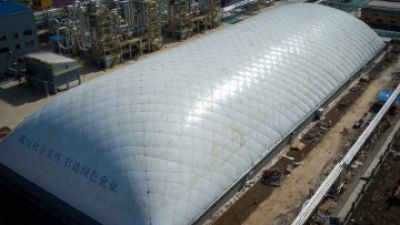
The modern logistics landscape is evolving, and Yifan large-span air dome warehouses are proving to be a viable solution that balances efficiency with cost-effectiveness. These inflatable structures utilize the differential air pressure both internally and externally to create expansive, column-free spaces that can span up to 100 meters. This design maximizes interior space utilization, allowing for the seamless operation of vehicles, rail-mounted cranes, and loading-unloading platforms. As a result, logistics operations can run more efficiently, enhancing overall productivity.
In terms of financial investment, air dome warehouses present a compelling alternative to traditional reinforced concrete buildings. The construction costs for these structures are significantly lower, estimated at only 60% of the cost per unit area of conventional construction methods. Additionally, the modular design and prefabricated construction techniques contribute to shorter project timelines, allowing facilities to be operational within three months. This rapid turnaround empowers businesses to quickly adapt to market demands, making them well-positioned to leverage their warehouse capabilities for competitive advantage while also enjoying substantial cost savings.
FAQS
: Air domes are quicker to install and require fewer materials, leading to lower costs.
An air dome can be set up in just a few days, significantly faster than traditional buildings.
Air domes have a smaller carbon footprint, making them a more eco-friendly option for construction.
They may struggle in harsh conditions. Regular maintenance can help bolster their integrity over time.
Routine checks for air pressure and fabric integrity are essential. Budget for occasional repairs.
Yes, they come in various shapes and sizes, allowing customization for sports or event spaces.
Reflect on size, insulation options, and local weather patterns to enhance functionality and longevity.
Selecting durable fabrics boosts longevity. Ventilation systems are also crucial for effective climate control.
Site assessments are important. Unforeseen challenges may arise based on local conditions.
Yes, consulting professionals can help ensure proper installation and address potential issues early on.
Conclusion
Air Domes have gained popularity in modern construction due to their numerous advantages. Their versatility allows them to be used in a variety of applications, from sports facilities to temporary warehouses, making them ideal for diverse project needs. Compared to traditional structures, Air Domes offer significant cost-effectiveness, reducing overall expenditure while maintaining quality.
Environmental considerations are also a key factor, as Air Domes often have a lower ecological footprint. The easy installation and maintenance features make them an attractive choice for project managers. Additionally, innovative design options available with Air Domes enhance their appeal, as seen in various successful case studies that highlight their effectiveness and adaptability in different environments. Overall, Air Domes represent a forward-thinking solution in construction that meets the demands of today’s projects.