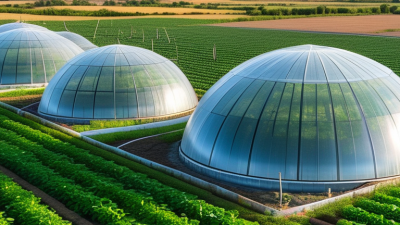
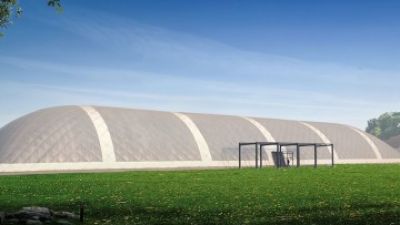
Picking out the best Agricultural Air Dome isn’t just about ticking boxes—it can really make a difference in how well your crops grow. I remember John Miller, a pretty well-known guy in the agricultural world, once said, “Choosing the right Agricultural Air Dome can totally influence your crop yields.” That honesty stuck with me; it just shows how important it is to make smart choices when it comes to these structures.
When you're looking into your options, think about the size and design of the dome. Different plants have different needs, and some crops might need specific environments that only certain domes can provide. For example, bigger domes can handle those tricky temperature swings better. Also, don’t forget water drainage—something a lot of folks overlook, but it can make a real difference in keeping your plants healthy.
And hey, make sure whatever you pick plays nice with your existing setup. Not all domes are a perfect fit for every farm layout, so it’s worth taking the time to consider these little details. At the end of the day, choosing an Agricultural Air Dome isn’t just about a quick purchase—it’s about investing in better harvests and healthier crops. Knowing exactly what your farm needs before buying can save you a headache later on.
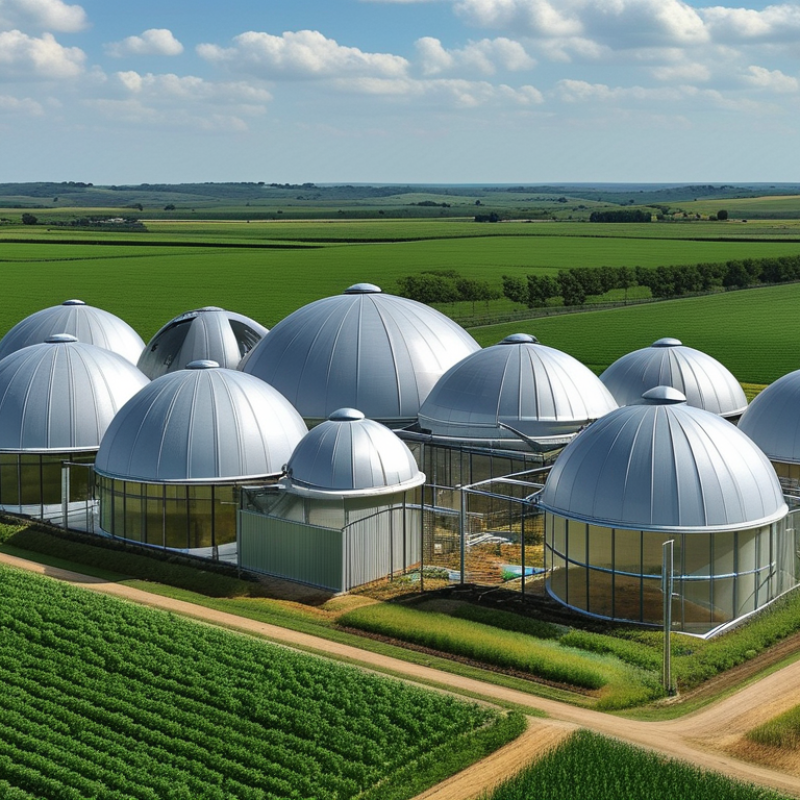
Factors to Consider When Selecting an Agricultural Air Dome
Choosing the right agricultural air dome requires careful consideration of several key factors. One of the first aspects to evaluate is the size and layout of your farm. A dome that is too small may not provide adequate climate control for your crops. Conversely, a dome that is overly large can be an unnecessary expense. Assess your crop types as well, as different plants may require varying levels of humidity and temperature regulation.
Another important factor is the construction material of the air dome. Materials should have good insulation properties to maintain internal temperatures. Look for options that can withstand wind and snow loads, especially in harsher climates. Ventilation is also critical; ensure that the dome design allows for proper airflow to prevent mold growth and ensure healthy plant development.
Cost is always a concern. While investing in a quality dome may seem steep initially, it often pays off in enhanced crop yields. However, it’s worth reflecting on your budget. A cheaper option might seem appealing but could lead to higher long-term costs through repairs or loss of crops. Striking a balance between quality and price is essential for long-term success.
Types of Agricultural Air Domes Available in the Market
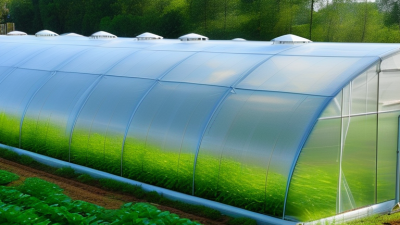
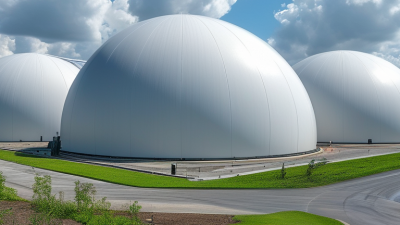
When selecting an agricultural air dome, understanding the various types available is essential. There are several options designed for specific agricultural needs. The most common air domes include tunnel systems, which provide an efficient way to promote airflow. Another option is the geodesic domes, known for their strength and stability. These designs can withstand harsh weather conditions, offering reliable protection for crops.
In addition, the size and layout of your farming operation will influence your choice. Larger farms may benefit from bigger air domes that cover extensive areas. Meanwhile, smaller operations could find that smaller, modular designs are more practical. Considering your local climate is also crucial. Different regions have unique challenges, and selecting the right air dome can enhance crop yield.
There are some factors to reflect upon when choosing an Air Rib Dome. Think about the installation process and maintenance requirements. Some models may require significant setup and ongoing care. Make sure the design aligns with your long-term goals. Evaluating these aspects will ensure that your investment supports your agricultural needs effectively.
How to Choose the Best Agricultural Air Dome for Your Needs?
| Type |
Size (sq ft) |
Material |
Temperature Range (°F) |
Ventilation Type |
Typical Use |
| Traditional Air Dome |
1000 |
Polyethylene |
20 - 85 |
Passive Ventilation |
Crop Protection |
| Inflatable Greenhouse Dome |
1500 |
PVC |
30 - 90 |
Active Ventilation |
Seedling Raising |
| Geodesic Air Dome |
2000 |
Polycarbonate |
25 - 95 |
Hybrid Ventilation |
Year-Round Growing |
| Mobile Air Dome |
800 |
Canvas |
15 - 80 |
Manual Ventilation |
Seasonal Use |
Sizing Your Agricultural Air Dome for Maximum Efficiency
Choosing the right size for your agricultural air dome is crucial for optimal efficiency. Begin by assessing the scale of your agricultural operations. Measure the area you intend to cover. Consider crop types, growth stages, and seasonal variations. For instance, larger structures may be beneficial for expansive fields, while smaller domes can cater to specific crops or limited space. Think about air circulation; larger barriers can enhance airflow, which helps maintain ideal temperature and humidity levels.
Next, reflect on your climate and environmental conditions. Regions with extreme weather might require more robust designs. A dome too small may not provide adequate protection during severe storms. Conversely, an oversized dome could lead to wasted energy and resources. It's essential to strike a balance between coverage and efficiency. Be prepared to adjust your choice if feedback from your crops indicates changes in growth patterns.
Cost considerations are essential as well. Larger domes often incur higher initial expenses, but they might save costs in the long run. Evaluating the financial impact helps determine if the investment aligns with your goals. Remember, each choice has pros and cons. It’s valuable to revisit your decisions periodically to ensure they continue to meet your operational needs.
Materials Used in Agricultural Air Dome Construction
When selecting an agricultural air dome, the materials used in construction are crucial. Different materials offer varied benefits and drawbacks. The most common options include high-quality polyethylene and reinforced plastic. These materials ensure durability and weather resistance. They also allow for excellent light transmission, essential for plant growth. However, cheaper options may compromise these important factors.
Consider the thermal properties of the materials. The Air Dome should provide insulation to protect crops from temperature fluctuations. Poor insulation can lead to energy inefficiencies and unproductive growth conditions. Ensure that the materials you choose can withstand local climate extremes.
It's wise to seek expert advice in this area. Review the specifications of materials and their trustworthiness. Sustainability matters too; eco-friendly options may cost more upfront but provide long-term benefits. Think about the maintenance requirements as well. Some materials might need more care, while others are easier to manage.
When evaluating the best option, take time to weigh the pros and cons. Reflect on your specific agricultural needs before making a final decision. The right materials can significantly impact your productivity and profitability.
Evaluating Climate Conditions for Optimal Air Dome Performance
Choosing the right agricultural air dome requires an understanding of climate conditions. Variations in temperature and humidity can impact the effectiveness of a dome. For instance, according to a study by the Agricultural Research Service, optimal temperatures for crop growth typically range from 70°F to 85°F. A well-designed air dome can help maintain these temperatures, facilitating enhanced growth.
In cooler climates, maintaining heat is crucial. A well-insulated air dome can trap warmth, reducing heating costs by up to 30%. In contrast, high humidity regions may require better ventilation to prevent mold. Using a Pvdf Air Dome can address these issues due to its durable material that is effective against moisture and temperature fluctuations.
Understanding local weather patterns is vital. For instance, regions with high wind speeds may require additional structural support for an air dome. Conducting a site assessment can guide you in selecting the dome best suited to your environment.
Tips for optimal use: Monitor temperature and humidity levels regularly. Invest in a dome that offers flexibility for different weather conditions. Ensure that the site allows for proper drainage to avoid water pooling. These actions will enhance the performance of the air dome while ensuring the best conditions for your crops.
Maintenance Requirements for Agricultural Air Domes
When considering the maintenance of agricultural air domes, it is essential to understand their specific needs. Proper upkeep can drastically extend their lifespan and efficiency. Research from industry reports reveals that regular inspections can reduce the risk of costly repairs by up to 30%. This emphasizes the importance of routine maintenance checks.
Routine cleaning is crucial to prevent the buildup of dust and debris. Residue can cause structural issues over time. Keeping the air filtration systems clean is equally important for optimal climate control inside the dome. These systems should ideally be checked every three months, according to agricultural safety guidelines.
Furthermore, monitoring the temperature and humidity inside the dome helps ensure the health of the crops. Statistics indicate that fluctuations beyond recommended levels can lead to a decrease in crop yield by 20%. Anomalies should be addressed quickly. Neglecting these factors will not only affect crop growth but also can lead to more significant issues down the line. Effective maintenance provides a proactive approach to sustainable agricultural practices.
Maintenance Requirements for Agricultural Air Domes
Cost Analysis: Investing in the Right Agricultural Air Dome
Investing in an agricultural air dome can be a transformative decision for farmers. A recent report by the Agricultural Research Council indicates that effective climate control can increase crop yields by up to 30%. However, cost plays a crucial role in decision-making. Experienced farmers note that initial investment can range from $10,000 to $50,000, depending on the size and features of the air dome. This figure may seem steep, but the potential for greater productivity can offset these costs over time.
When evaluating your budget, consider ongoing expenses like maintenance and energy costs. A study from the International Journal of Agricultural Science highlights that energy-efficient models reduce operational costs by approximately 15% annually. Investing in
Custom Air Dome Hangars may also improve insulation, further lowering energy requirements.
To make a wise investment, assess your specific needs. Are you focused on specific crops? Do you require a modular design for future expansion? These questions can help tailor your choice. It's essential to understand the long-term benefits versus short-term expenses. Reflect on what features are crucial for your operations. Prioritize flexibility and adaptability in your choice.
Innovative Solutions for Sustainable Agriculture: High Transparent Eco Agricultural Air Dome Greenhouses in China
The agricultural sector is increasingly embracing innovative solutions to promote sustainability. A prime example is the use of high transparent eco agricultural air dome greenhouses, which have gained popularity in regions like Anhui, China. These structures utilize a cutting-edge ETFE air-supported membrane design, which allows for greater light transmission than traditional materials. According to reports from the International Journal of Agricultural and Biological Engineering, such greenhouses can enhance crop yields by as much as 30% due to increased natural light and optimized environmental controls.
The 6,000 ㎡ greenhouse in Anhui showcases the efficacy of this technology. It incorporates an automatic intelligent temperature and humidity control system, ensuring optimal growing conditions regardless of external weather variations. A study in the Agricultural Systems journal indicates that controlled environment agriculture can result in reduced water usage by up to 90% and decrease chemical inputs through precise application methods, further promoting sustainability in farming.
With over eight years of successful operation, this greenhouse exemplifies the benefits of modern agricultural practices. Utilizing sustainable materials and advanced design techniques not only improves crop quality and production rates but also aligns with global efforts to mitigate climate change impacts on agriculture. Such innovative solutions are paving the way for a more resilient and eco-friendly agricultural future, demonstrating how technology can harmonize with nature to achieve greater productivity.
FAQS
: Common types include tunnel systems and geodesic domes. They serve specific agricultural needs.
Larger farms need bigger domes for coverage. Smaller farms might prefer modular designs for practicality.
Climate affects dome effectiveness. Each region presents unique challenges that can impact crop yield.
Regular inspections can reduce repair costs. Routine checks help maintain efficiency and lifespan.
Ideally, every three months. Clean systems help with optimal climate control inside the dome.
Crop yield can decrease by 20%. Quick responses to anomalies are vital for plant health.
It can reduce heating costs by up to 30%. Insulation helps maintain warmth in cooler climates.
Monitor temperature and humidity regularly. Ensure proper drainage to prevent water pooling.
High winds may require extra support. Assessing local weather guides better dome selection.
Neglecting routine cleaning and monitoring can lead to significant structural and crop issues over time.
Conclusion
When selecting the best Agricultural Air Dome for your needs, it is crucial to consider several key factors. First, evaluate the different types available in the market, as each serves varying purposes depending on the specific agricultural application. Sizing the dome appropriately is essential for maximizing efficiency, ensuring adequate space for crops, and proper airflow. Additionally, the materials used in construction should be durable and suitable for your climate conditions to enhance performance.
Maintenance is another important consideration; regular upkeep can prolong the lifespan of your Agricultural Air Dome. Lastly, conducting a cost analysis will help you assess the financial investment required, ensuring that you choose an option that balances quality and affordability. By carefully considering these elements, you can make an informed decision that aligns with your agricultural goals.