Leave Your Message
0%

China’s PVDF Air Dome industry is really growing—more demand for sports halls, warehouses, and temporary event spaces is driving things forward. But here’s the thing: product quality can vary a lot between different suppliers. A PVDF Air Dome isn’t just about inflating some fabric shell; it's all about the chemistry of the coated membrane, how it’s anchored, ventilation, pressure control, and ongoing maintenance. You really need to pay attention to these details.

Back in 2023, the International Energy Agency reported adding nearly 510 gigawatts of renewable capacity—most of that, about three-quarters, was solar power. This boom means there’s a big need for protected, flexible spaces near solar manufacturing and logistics hubs. Meanwhile, Grand View Research points out that the global PVDF market is steady and growing, thanks to its chemical resistance, durability, and uses in industry. All of this gives some useful context, but it doesn’t mean every Chinese manufacturer is reliable when it comes to dome engineering.

Dr. David Geiger, a real pioneer in pneumatic architecture, has a practical tip: "The air is part of the structure." So, if you’re shopping around, it’s smart to check things like pressure stability, emergency power backups, seam welding quality, membrane thickness, UV resistance, and fire safety documents. Don’t hesitate to ask for references from projects in similar climates, and always request test reports from qualified labs. It’s also good to find out whether the supplier is making the PVDF-coated fabric themselves or just assembling imported materials.

Details really matter here. If you’re dealing with a coastal dome, corrosion-resistant anchors are a must. In snowy areas, you need to make sure the structure can handle the load. For sports domes, quiet and reliable air-handling equipment is key. Sometimes, the cheapest quote might skip inspections, spare blowers, or long-term membrane upkeep—those extras matter. And that’s where things can get uncomfortable, because price is important, sure, but it shouldn’t come at the expense of proven performance.

When choosing among China’s top PVDF air dome makers, look for evidence—solid performance data and references—rather than just impressive photos. It’s all about making smart, informed decisions, not just going for the cheapest option with pretty pictures.

China Top PVDF Air Dome Manufacturers How to Choose?

What Is a PVDF Air Dome and How Does It Work?

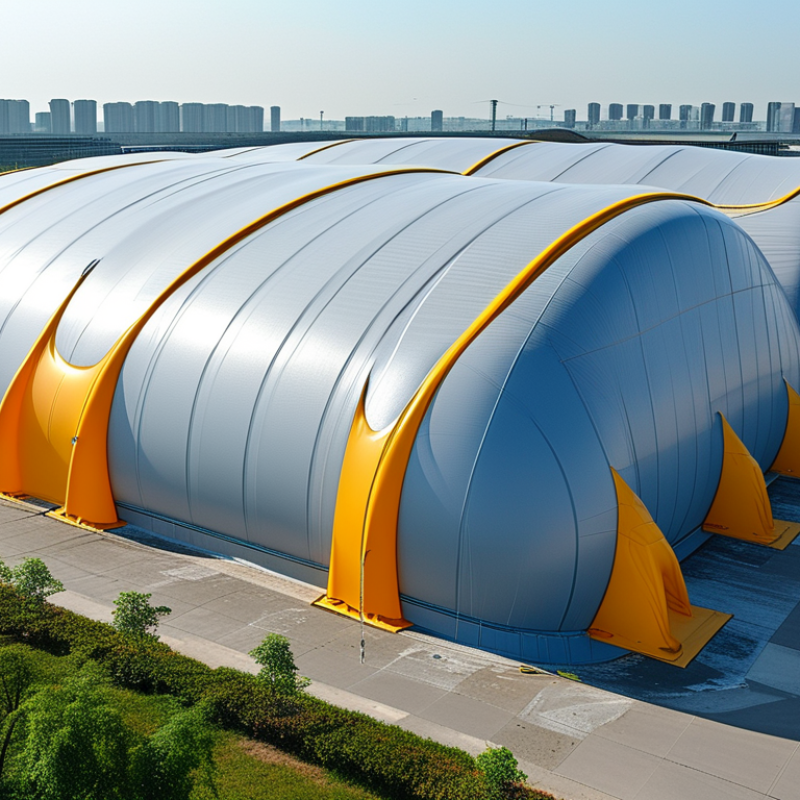
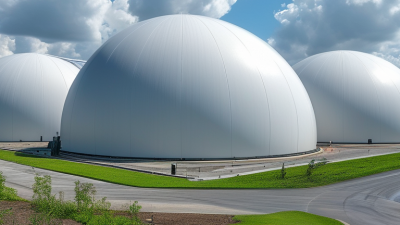
A PVDF air dome is an inflatable structure covered with PVDF-coated fabric. PVDF means polyvinylidene fluoride, a durable coating used for weather resistance. The membrane forms the roof, walls, and protective exterior. Inside, continuous air pressure keeps the dome stable. It can cover sports halls, warehouses, swimming pools, and temporary event spaces.

The working principle is simple but carefully engineered. Fans push filtered air into the enclosed space. Slight internal pressure lifts and supports the membrane. Airlocks reduce pressure loss when people enter. Sensors monitor pressure, temperature, and fan performance. If one fan stops, a backup system should maintain safe operation. Even a small leak around a doorway can increase energy use.

When comparing China PVDF air dome manufacturers, inspect more than fabric samples. Ask for coating thickness, tensile data, fire-performance documents, structural calculations, and factory quality records. Experienced suppliers should explain snow, wind, drainage, anchoring, and emergency access clearly. Visit a completed project if possible. Look closely at seams, cable tension, doors, and control cabinets. Dome Air performance depends on installation, not only material quality. A polished brochure proves little. Some designs may still need adjustment after their first winter, especially in areas with heavy snow or strong coastal winds. Reliable manufacturers discuss these weaknesses openly and provide maintenance guidance.

China Top PVDF Air Dome Manufacturers How to Choose? - What Is a PVDF Air Dome and How Does It Work?

Evaluation Dimension What It Means Recommended Selection Standard Information to Request from the Manufacturer
Basic Definition A PVDF air dome is an air-supported structure covered with flexible architectural fabric that has a PVDF-based protective finish. Choose a supplier that clearly distinguishes the PVDF coating from the base fabric and provides the complete material specification. Fabric construction, coating type, total weight, thickness, color, warranty terms, and technical data sheet.
Operating Principle Fans maintain a small, continuous positive internal air pressure. The pressure supports the membrane and stabilizes the enclosure. The design should include duty and standby fans, automatic pressure control, alarms, emergency power, and safe access arrangements. Pressure-control diagram, fan schedule, alarm logic, emergency operating procedure, and backup-power capacity.
PVDF Surface Finish PVDF finishes are used to improve resistance to ultraviolet exposure, weathering, dirt, and chemical attack compared with untreated fabric. Select a coating system suitable for the local climate, pollution level, cleaning method, and expected service life. Coating composition, UV and weathering test results, cleaning instructions, color-retention information, and surface warranty.
Base Membrane The membrane commonly uses high-strength woven polyester or similar technical textile coated with PVC or another polymer system. Confirm that the base fabric, coating, seams, edge cables, doors, and connection details are designed as one engineered system. Fabric strength, tear strength, adhesion, welding method, seam strength, dimensional stability, and fire-performance documentation.
Structural Design The dome must resist dead load, wind, snow where applicable, internal pressure, seismic effects, and equipment loads. Use a supplier capable of providing project-specific structural calculations rather than relying only on a standard layout. Design basis, local code references, load combinations, membrane analysis, anchorage calculations, and signed engineering documents.
Internal Pressure Required pressure varies with geometry, airtightness, wind conditions, door operation, and the applicable design standard. Avoid choosing a dome based on a single advertised pressure value. The pressure range should be calculated for the actual site and use. Normal and maximum operating pressure, pressure tolerance, sensor accuracy, control setpoints, and low-pressure alarm values.
Air Tightness Lower air leakage reduces fan workload and operating energy while improving pressure stability. Give priority to well-designed seams, sealed penetrations, airlocks, revolving doors, and properly detailed service openings. Air-leakage test method, measured leakage result, door-cycle assumptions, and maintenance requirements for seals.
Energy Consumption Most operating energy is used by ventilation and air-pressure fans; heating, cooling, lighting, and dehumidification add to demand. Compare fan efficiency, variable-frequency drives, heat-recovery options, insulation strategy, and the projected annual energy profile. Fan motor efficiency, airflow and pressure curves, control strategy, estimated electricity use, and climate assumptions.
Climate Suitability The design must account for local wind, snow, rainfall, temperature range, solar radiation, humidity, and corrosion exposure. Select a manufacturer with experience in the project’s actual climate and applicable building regulations. Site-specific environmental design criteria, climate data sources, snow and wind assumptions, drainage design, and corrosion protection.
Fire Performance Membrane fire performance depends on the complete fabric system, including the substrate, coating, seams, and installation details. Require documentation for the exact proposed membrane instead of accepting a general statement about flame resistance. Test standard, classification or test result, certificate validity, tested fabric construction, and local code compliance statement.
Ventilation and Indoor Environment Air-supported buildings require planned ventilation to control carbon dioxide, humidity, odors, temperature, and contaminants. For sports, industrial, or storage use, size ventilation according to occupancy, process emissions, equipment, and indoor air-quality targets. Ventilation rate, filtration level, fresh-air ratio, indoor-air-quality controls, condensation strategy, and equipment layout.
Doors and Access Large doors can cause pressure loss and unnecessary fan demand when opened, so airlocks or pressure-compensating systems may be required. Match the entrance type to traffic frequency, vehicle dimensions, accessibility needs, fire strategy, and required pressure recovery time. Door dimensions, opening speed, airlock arrangement, pressure recovery data, escape exits, and accessibility details.
Foundation and Anchorage The membrane transfers loads to perimeter anchorage, foundation beams, ground anchors, or another engineered support system. Confirm that the proposed anchorage is compatible with soil conditions and the existing or planned foundation. Anchor layout, pull-out calculations, foundation loads, soil assumptions, drainage details, and installation tolerances.
Fabrication Quality Panel cutting, heat welding, reinforcement, edge details, and penetration sealing directly affect strength and airtightness. Choose a manufacturer with documented production controls, traceability, calibrated welding equipment, and dimensional inspection. Quality-control plan, welding inspection records, material batch traceability, factory acceptance procedure, and nonconformance process.
Installation Capability Correct tensioning, anchoring, sealing, fan commissioning, and control-system setup are essential for reliable operation. Prefer a supplier that can provide an installation method statement, trained technicians, commissioning, and operator training. Installation schedule, crew qualifications, lifting plan, commissioning checklist, training program, and handover documents.
Maintenance Requirements Routine maintenance includes fan inspection, filter replacement, pressure-sensor checks, seam inspection, cleaning, and emergency-system testing. Evaluate the accessibility and availability of replacement components before signing the contract. Preventive-maintenance schedule, spare-parts list, expected replacement intervals, service response time, and maintenance cost estimate.
Warranty and Service Membrane, mechanical equipment, controls, installation workmanship, and coating may have different warranty conditions. Compare warranty coverage by component and ensure that exclusions, inspection requirements, and response obligations are clearly written. Separate warranty periods, covered defects, exclusions, service-level commitments, claim procedure, and long-term support plan.
Project Documentation Complete documentation is necessary for approval, construction, operation, inspection, and future maintenance. Do not evaluate suppliers by price alone; require a complete technical submission for an equivalent scope. Drawings, calculations, material certificates, fire documents, operating manuals, inspection records, and as-built files.
Total Cost of Ownership The purchase price is only one part of the cost. Energy, maintenance, replacement parts, cleaning, inspections, and service also matter. Compare suppliers using the same design life, operating schedule, energy assumptions, warranty scope, and maintenance obligations. Itemized capital cost, annual operating estimate, maintenance budget, replacement assumptions, and lifecycle-cost calculation.

Technical values should be confirmed through project-specific calculations, applicable local codes, and documentation for the exact membrane and equipment proposed.

Why PVDF Materials Matter in Air Dome Construction

China Top PVDF Air Dome Manufacturers: How to Choose?

Why PVDF Materials Matter in Air Dome Construction

PVDF-coated fabric is widely selected for air dome envelopes because it resists sunlight, moisture, and surface pollution. Its fluoropolymer layer helps protect the fabric from ultraviolet damage and repeated weather changes. This matters when an Air Rib Dome operates under strong summer heat, heavy rain, or dusty conditions. A clean, stable surface also allows more daylight into sports halls and industrial spaces. It feels simple, but material quality controls long-term performance.

A reliable manufacturer should provide fabric specifications, coating thickness, tensile strength, and test records. Ask how the seams are welded, because weak joints can leak before the main fabric fails. Check resistance to abrasion, mildew, fire, and low temperatures. Local wind, snow, and pressure conditions must also guide the structural design. One standard specification cannot fit every site. That matters.

Factory inspection is worth the time. Look for controlled cutting, consistent welding, batch tracking, and documented quality checks. Request installation references with similar climates and building sizes. PVDF is durable, but it is not magic. Poor tensioning, careless cleaning, or weak anchoring can still shorten service life. I would also question unusually low prices; savings may hide thinner coatings or limited testing. A careful choice balances laboratory data, field experience, maintenance access, and honest technical support.

Key Applications of PVDF Air Dome Structures in China

PVDF air dome structures are increasingly used across China for sports halls, exhibition venues, logistics warehouses, and temporary industrial spaces. Their lightweight membrane systems can cover large areas without internal columns. This creates clear sightlines for badminton courts, football training, and community events. In northern cities, insulated PVDF membranes help reduce heat loss during winter operations. In southern coastal regions, corrosion-resistant surfaces are valuable during humid seasons.

Agricultural and logistics projects use air domes for grain storage, equipment protection, and seasonal distribution centers. Their construction speed can shorten site disruption, especially where permanent buildings require longer approvals. However, application conditions must guide the design. A manufacturer should assess wind loads, snow pressure, local rainfall, soil conditions, emergency exits, and air pressure backup systems. During project reviews, I would also examine seam quality, membrane thickness, fire-performance documentation, and maintenance access. Attractive drawings are not enough.

A poorly planned dome may suffer from condensation, uncomfortable temperatures, or unstable indoor pressure. This happens.

Energy consumption deserves careful attention. Large fans operate continuously, and weak control systems can increase operating costs. Reliable manufacturers provide structural calculations, installation records, inspection plans, and clear warranty terms. They should also explain how the dome performs during power interruptions. In practice, operators need simple alarms, backup power, and trained maintenance staff. The cheapest quotation may hide future costs. A second technical review is often worthwhile.

How to Evaluate China’s PVDF Air Dome Manufacturers

How to Evaluate China’s PVDF Air Dome Manufacturers

Evaluating China’s PVDF air dome manufacturers requires more than comparing quoted prices. The Air Dome should be treated as an engineered building system, not simply an inflatable cover. Request membrane specifications, coating thickness, tensile strength, light transmission, and documented fire-performance results. Check whether the manufacturer provides structural calculations for your local wind, snow, and seismic conditions.

Visit the production site when possible. Observe membrane welding, edge reinforcement, inspection records, and material storage. Ask for a sample seam test. A strong seam should remain uniform without visible pinholes or weak corners. Also examine the air-handling system. Reliable suppliers normally design backup blowers, emergency power, pressure alarms, and controlled access points. Small details matter.

Experience is easier to verify through completed projects than attractive brochures. Request project references with similar span, climate, and operating hours. Speak with operators about condensation, noise, maintenance response, and actual energy use. Review the warranty carefully, especially exclusions for membrane aging and blower components. A supplier that explains limitations earns more trust than one promising everything.

I would also compare installation supervision and after-sales training. Many problems begin with poor foundation preparation or unclear daily checks. Ask who corrects them. Independent engineering review can expose gaps before payment, although I once underestimated its value on a smaller project. The cheapest quotation may hide missing calculations, spare parts, or commissioning support. Evaluate the full operating cost instead.

Which Technical Standards and Certifications Should You Check?

When selecting a PVDF air dome manufacturer, technical evidence matters more than polished brochures. Ask for structural calculations signed by a qualified engineer. These should cover local wind, snow, seismic loads, air pressure, anchoring, and emergency conditions. A dome designed for one climate may fail another. That detail is often missed.

Check the membrane specification carefully. Request PVDF coating data, tensile strength, tear resistance, UV aging results, and seam-welding inspection records. Fire performance should match the installation location and local building code, with reports from an accredited testing laboratory. Do not accept vague claims such as “fireproof fabric.” Ask for the exact test method, rating, laboratory, and validity date.

For Custom Air Dome Hangars, verify whether the manufacturer follows relevant temporary-structure or air-supported-building standards in your region. Confirm factory quality procedures, such as ISO 9001, but remember that ISO 9001 does not certify the dome itself. Review blower redundancy, backup power, pressure alarms, access doors, evacuation routes, and electrical protection. Obtain inspection records for anchors and welded seams.

Look beyond certificates.

A real technical review should compare drawings with the delivered structure. Ideally, an independent engineer checks the calculations and installation. I have found that paperwork can appear complete while maintenance duties remain unclear. Request a written inspection schedule, response time, spare-parts list, and warranty exclusions. Certification is useful evidence, not a substitute for site-specific engineering.

How to Compare Pricing, Installation, and After-Sales Support

China Top PVDF Air Dome Manufacturers: How to Choose?

Price comparisons should begin with the same technical specification. Ask for PVDF membrane weight, coating thickness, fire rating, insulation value, and design wind speed. A low quote may exclude foundations, air blowers, backup power, transport, or local permits.

IEA PVPS reported 456 GW of new global solar capacity in 2023, showing how rapidly outdoor energy projects are expanding. This growth also increases demand for durable, weather-resistant enclosure systems.

Compare total installed cost, not only price per square metre.

Installation quality affects stability and operating costs. Request a site survey, structural calculation, drainage plan, and emergency-access layout. The design should follow local wind and snow-load requirements, such as ASCE 7 or applicable Eurocodes.

Ask how many technicians will attend and how long commissioning normally takes.

“Fast installation” sounds attractive. It needs evidence.

A practical test is a written schedule with inspection points, blower testing, pressure monitoring, and staff training.

After-sales support deserves equal attention. Require spare blower units, membrane repair kits, operating manuals, and clear response times.

ISO 9001 certification can indicate controlled processes, but it cannot replace field references. Ask for maintenance records from similar climates. Also check whether remote pressure alerts and annual inspections are included.

Some buyers focus heavily on the initial quotation. I have seen that mistake become expensive later.

A cheaper dome can lose its advantage through frequent repairs, delayed troubleshooting, or unclear warranty exclusions.

Cite: IEA PVPS, Trends in Photovoltaic Applications 2024; ASCE 7-22; ISO 9001:2015.

Anti-Glare Air Dome Structures for Badminton Stadiums: China Supplier & Factory Guide

Anti-glare air dome structures are becoming a practical solution for badminton stadiums that require comfortable visibility, rapid construction, and reliable year-round performance. A professional China supplier and factory can provide customized air-supported membrane halls with translucent, low-glare materials that reduce distracting reflections while allowing balanced natural daylight. The structure can also integrate intelligent temperature control, fresh-air circulation, lighting, insulation, and ventilation systems to create a stable indoor environment for players and spectators.

One 1,500-square-meter badminton hall demonstrates the efficiency of this approach. Built to a height of 13 meters, the facility was completed in only four days, with full system commissioning finished within 30 days. Its air-supported design helped overcome limited site conditions and a demanding construction schedule, while the anti-glare membrane improved visual comfort during fast rallies and overhead shots. After more than one year of stable operation, the hall continues to support regular badminton activities with dependable climate control and fresh-air management. For sports investors, schools, clubs, and municipal projects, working directly with an experienced factory enables flexible sizing, professional installation, streamlined quality control, and coordinated after-sales service.

FAQS

: What is a PVDF air dome?

: It is an inflatable structure covered with PVDF-coated fabric. Continuous indoor air pressure supports the roof and walls. It can cover sports halls, warehouses, pools, and event spaces. Simple idea. Careful engineering.

How does a PVDF air dome stay stable?

Fans push filtered air into the enclosed space. Slight pressure lifts and supports the membrane. Airlocks limit pressure loss near entrances. Sensors track pressure, temperature, and fan performance.

What happens if a fan stops working?

A backup fan or power system should maintain safe operation. Operators also need alarms and trained maintenance staff. A small doorway leak can increase energy use. Redundancy matters.

Why is PVDF-coated fabric useful?

The coating helps resist sunlight, moisture, dust, and repeated weather changes. It can reduce ultraviolet damage and surface pollution. The surface may also allow useful daylight indoors. PVDF is durable, not magical.

What should buyers check before selecting a supplier?

Request coating thickness, tensile data, fire-performance documents, and structural calculations. Check factory records, welding methods, and batch tracking. Ask for projects in similar climates. A polished brochure proves little.

How does local weather affect air dome design?

Wind, snow, rainfall, temperature, and coastal humidity all influence the design. Anchoring must match soil conditions and expected loads. Heavy snow may require special reinforcement and maintenance plans. One standard design cannot fit every site.

Where are PVDF air domes commonly used?

Common uses include sports halls, training venues, warehouses, and temporary event spaces. They can also protect grain, equipment, and seasonal distribution areas. Column-free interiors create clear sightlines for activities. The application still needs careful planning.

What problems can occur after installation?

Poor tensioning can weaken seams or create leaks. Weak anchoring may increase risks during strong winds. Poor ventilation can cause condensation and uncomfortable temperatures. Some designs need adjustment after their first winter.

How can operating costs be controlled?

Use efficient fans, reliable sensors, and well-sealed doors. Regularly inspect seams, airlocks, pressure systems, and control cabinets. Backup power can support operation during interruptions. Cheap quotations may hide future costs.

What maintenance does a PVDF air dome require?

Inspect the membrane, welded seams, cables, anchors, doors, and drainage routes. Clean surfaces carefully and avoid damaging the coating. Review pressure records and alarm functions regularly. Maintenance access should be practical, not merely promised.

Conclusion

A Pvdf Air Dome is an inflatable architectural structure supported by continuous internal air pressure. Its membrane, typically made with polyvinylidene fluoride coating, offers strong resistance to ultraviolet exposure, weathering, moisture, and daily wear. These qualities make PVDF air domes suitable for sports facilities, warehouses, exhibition spaces, agricultural buildings, and temporary or semi-permanent public venues in China. Their low foundation requirements, rapid installation, and flexible interior layout can provide practical advantages compared with conventional buildings.

When choosing a China-based PVDF air dome manufacturer, buyers should assess design capability, membrane quality, structural safety, ventilation systems, emergency equipment, and project experience. It is also important to verify compliance with relevant construction, fire-safety, material, and quality-management standards, along with independent testing or certification where applicable. A fair comparison should include material specifications, engineering design, transportation, installation time, maintenance plans, warranty coverage, spare parts, and after-sales response. The best choice is not necessarily the lowest-priced supplier, but one that offers transparent contracts, reliable technical support, clear safety documentation, and long-term service value.

Ethan

Ethan

Ethan is a highly skilled marketing professional dedicated to promoting the innovative membrane structure technology that his company specializes in. With extensive knowledge of the industry, he plays a pivotal role in highlighting the company’s comprehensive offerings, which encompass research and......
Previous How to Choose the Best Agricultural Air Dome for Your Needs?