Lately, there's been a real uptick in demand for tensile membrane materials worldwide, mainly because the construction world is constantly looking for innovative and durable solutions. Did you know? A recent report from MarketsandMarkets estimates that the tensile membrane market could hit around $3 billion by 2025—that’s quite a leap! One of the reasons for this surge is just how versatile these membranes are. You’ll find them everywhere — from stadium roofs to shading structures in parks, and the list keeps growing.
John Sterling, who's been working in architectural membranes for over 20 years, puts it simply: choosing quality materials can really make or break a project, both in terms of how long it lasts and how good it looks. His point is, if companies really want their projects to stand out and stand the test of time, investing in top-notch materials is key.
Of course, the tricky part is finding that sweet spot between cost and quality. With inflation creeping up and supply chains playing hard to get, the price of tensile membranes isn’t always stable. That means companies need to stay on their toes—constantly checking in on their suppliers and keeping an eye on market trends—to make sure they’re getting reliable quality without breaking the bank. Staying flexible and informed? That’s pretty much the game plan for navigating these ups and downs successfully.
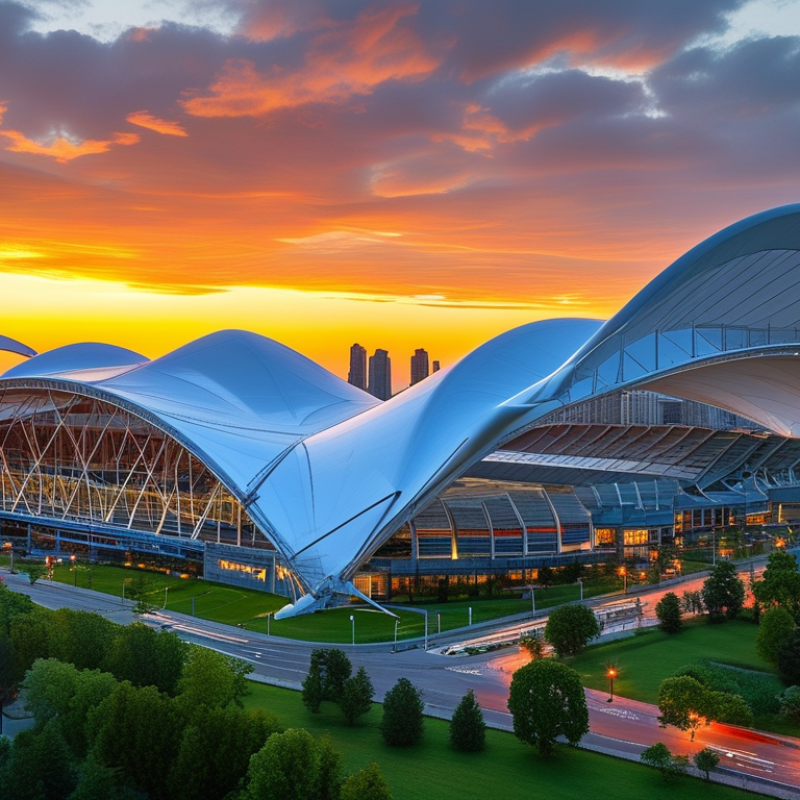
Overview of Tensile Membrane Materials in Global Markets
Tensile membrane materials play a crucial role in modern architecture, particularly for their lightweight and flexible characteristics. The global market for these materials is growing, with an estimated annual growth rate of around 6.5% through 2028. This increase is driven by their extensive use in construction projects, including sports arenas and public spaces. The demand for durable and aesthetically pleasing designs drives the need for products that meet these requirements.
Evaluating different tensile membrane materials is essential. Fabric structures can use materials like PVC, PTFE, and ETFE. Each of these materials has unique properties, influencing factors such as longevity, thermal performance, and maintenance. For example, while PVC is cost-effective, PTFE offers better resistance to harsh environmental conditions. Engineers must consider these elements when selecting materials for their projects, as incorrect choices can lead to higher costs and maintenance issues in the long run.
Understanding Tensile Membrane Architecture is vital for successful project execution. It's important to consult with a knowledgeable supplier or engineer when making decisions. Stay updated with the latest industry reports and trends. This can help you identify which materials best suit your needs while ensuring compliance with local regulations. Balancing aesthetics and functionality is key in selecting the right tensile membrane materials for diverse market requirements.
Key Properties of Tensile Membrane Materials for Procurement
The selection of tensile membrane materials significantly influences the success of construction projects. These materials demonstrate unique properties that can enhance architectural designs. Key characteristics include UV resistance, tensile strength, and lightweight nature. Reports indicate that Tensile Fabrics with high tensile strength can withstand significant loads, making them ideal for large structures.
UV resistance is crucial for longevity. Prolonged exposure to sunlight can degrade weaker materials. Research shows that high-quality tensile fabrics maintain their integrity over time, reducing replacement costs and ensuring durability. Lightweight materials also facilitate easier installation, leading to reduced labor costs and project timelines.
However, not all tensile membrane options provide the same performance. Understanding the specific application needs is vital. For instance, some projects may require additional waterproofing features. It's essential to review material performance data and case studies to make informed choices. Exploring various tensile fabric solutions will uncover insights into potential limitations and areas of improvement, ultimately leading to better procurement outcomes.
Top Tensile Membrane Material for Global Procurement Needs
| Material Type |
Weight (kg/m²) |
Tensile Strength (MPa) |
Elongation (% at break) |
UV Resistance (hours) |
| PVC Coated Polyester |
0.75 |
20 |
20 |
5000 |
| PTFE |
1.0 |
30 |
50 |
20000 |
| ETFE |
0.3 |
40 |
300 |
10000 |
| Acrylic Coated Fabric |
0.6 |
22 |
25 |
4000 |
| Polyester |
0.5 |
18 |
15 |
3000 |
Comparison of Common Tensile Membrane Materials and Their Uses
When selecting the right tensile membrane material, understanding the options is crucial. Common choices include PVC, PTFE, and ETFE. Each material has unique characteristics that determine its suitability for different applications. PVC is popular for its cost-effectiveness and ease of installation. It is often used in commercial settings, providing good durability. PTFE, on the other hand, excels in high-temperature resistance and UV stability, making it ideal for structures exposed to harsh weather.
The Tensile Structure Roof can rely on ETFE for lightweight yet strong solutions. This polymer offers transparency, allowing natural light while maintaining insulation. Many architects favor it for innovative designs. However, ETFE often comes with a higher price point and requires specialized knowledge for installation. The performance of these materials can be influenced by environmental factors and maintenance levels.
Exploring these materials highlights the importance of informed choices in tensile membrane applications. The selection process can be complex, as each material's lifespan and performance vary. It’s essential to consider specific project requirements. Understanding the pros and cons of each option fosters better outcomes in tensile structure design.
Market Leaders in Tensile Membrane Manufacturing
Tensile membrane structures are gaining traction in architecture and design. These materials are known for their flexibility, durability, and lightweight properties. When looking at market leaders in tensile membrane manufacturing, it’s clear that expertise plays a vital role. Innovative designs often rely on advanced fabric technologies, which provide both aesthetic appeal and functionality.
One significant trend in the market is the pursuit of sustainable materials. Many manufacturers focus on eco-friendly production processes. This shift reflects a growing awareness of environmental impact. However, it's essential to question whether the current options truly meet long-term sustainability goals. Some materials claim to be recyclable but may not be in practice. This inconsistency raises concerns.
Furthermore, the durability of tensile membranes can vary widely. Some materials perform well in different climates, while others may degrade quicker than expected. Understanding local environmental conditions is crucial when selecting a membrane. It’s important to thoroughly research and evaluate various options. Asking the right questions can lead to better decisions and more reliable structures.
Factors Influencing the Selection of Tensile Membrane Materials
When selecting tensile membrane materials, various factors come into play. Durability is critical. Some materials resist weathering better than others. Exposure to UV rays can degrade certain membranes over time. Additionally, the environment impacts material choice. Coastal areas may require more resilient options due to salt exposure. For urban settings, pollution resistance becomes essential.
Cost-effectiveness is another significant consideration. Budget constraints often limit choices. Premium materials offer better longevity but may increase initial costs. Evaluating long-term benefits can be challenging. A cheaper option might save money upfront but could require replacement sooner. This aspect needs careful thought.
The membrane's aesthetic appeal shouldn't be overlooked. In architectural applications, visual impact plays a key role. Design trends can also sway material selection. Sustainability is becoming a priority in many projects. Eco-friendly options are gaining attention. Yet, balancing sustainability with performance requires a nuanced approach. There isn't a one-size-fits-all solution. Each project demands a tailored examination of needs and conditions.
Sustainability Considerations in Tensile Membrane Procurement
Sustainability plays a pivotal role in tensile membrane procurement today. Selecting the right materials involves evaluating their environmental impact. This includes sourcing from sustainable suppliers and ensuring the materials have a long life cycle.
Using recycled components can significantly reduce waste and energy consumption during production.
Moreover, it is essential to consider the end-of-life options for these materials. Can they be recycled or repurposed? Engaging in a circular economy framework helps minimize ecological footprints. Transparency in your supply chain matters. Know the origins of your materials and ensure they are produced ethically.
Some materials might be marketed as sustainable, but further investigation reveals hidden impacts. Conducting thorough research and asking the right questions is crucial. Evaluating your procurement choices is not always straightforward. Seek expert opinions to validate claims made by suppliers. Balancing cost and sustainability can be challenging, but it is a responsibility worth committing to.
Future Trends in the Tensile Membrane Industry and Procurement Needs
The tensile membrane industry is evolving rapidly. Recent trends show increased demand for sustainable materials. Procurement needs are aligning with eco-friendly practices. These shifts reflect a broader awareness of environmental impacts. Designers seek lightweight yet durable solutions. Innovations are being made to enhance performance while reducing waste.
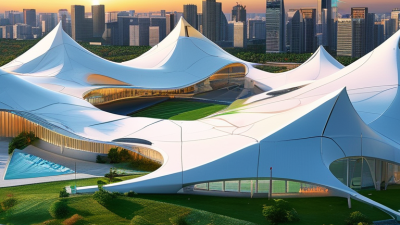
Tensile Roofing Systems are gaining traction in urban architecture. They provide versatile design options and efficient usage of space. Architects are exploring new shapes and configurations. This flexibility creates stunning visual effects. However, choosing the right materials is critical. Not all membranes are created equal.
When selecting a tensile membrane, consider its lifespan and environmental impact. Look for suppliers who share sustainable practices. Understanding the material requirements is essential for long-term performance. Be proactive in assessing your project needs before procurement. Researching available options may uncover unique solutions. Embracing change can lead to better choices in the tensile membrane industry.
Innovative Lightweight Steel-Membrane Structures for Modern Stadiums: A Fusion of Design and Functionality
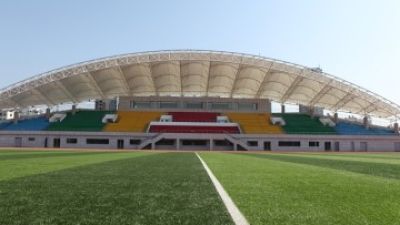
Innovative lightweight steel-membrane structures have emerged as a game-changer in the design and functionality of modern stadiums. These structures combine the advantages of advanced materials with aesthetic preferences, allowing for expansive, column-free grandstands that can span impressive lengths of up to 130 meters. According to industry reports, the use of lightweight materials in architectural design not only enhances the overall efficiency of structures but also significantly reduces construction and maintenance costs.
The architectural landscape is continually evolving, and steel-membrane systems stand out for their ability to provide excellent light transmission while maintaining durability and strength. This has been particularly beneficial in creating an inviting atmosphere within sports stadiums. A well-designed steel-membrane roof not only contributes to the visual appeal of the stadium but also allows natural light to filter in, improving the experience for spectators and athletes alike.
Additionally, the elegant curved designs of these structures play a vital role in maximizing space efficiency, enabling venues to accommodate larger crowds without the hindrance of obstructive columns. This adaptability makes them ideal for various events, from high-stakes sports games to large-scale concerts. The integration of these innovative materials highlights a commitment to creating multifunctional spaces that embody both performance and style, solidifying the role of steel-membrane structures as a preferred choice in modern architecture.
FAQS
: Tensile membranes are recognized for their flexibility, durability, and lightweight characteristics.
Sustainability helps reduce environmental impact and promotes eco-friendly production practices.
Evaluate the materials' life cycles and sourcing from reputable suppliers.
Not always. Some materials may seem sustainable but have hidden environmental impacts.
Local climate conditions affect durability. Research materials to ensure they perform well in your area.
Transparency ensures materials are sourced ethically and produced with minimal ecological impact.
Yes, using recycled components can reduce waste and energy consumption in production.
No. It’s often complex and requires thorough research and expert opinions.
Inquire about sourcing, sustainability practices, and the end-of-life options for the materials.
Evaluate and prioritize long-term benefits over short-term cost savings to make responsible choices.
Conclusion
The article titled "Top Tensile Membrane Material for Global Procurement Needs?" provides a comprehensive overview of the various tensile membrane materials available in global markets. It discusses key properties that make these materials suitable for procurement, such as durability, flexibility, and UV resistance. A comparison of common tensile membrane materials highlights their specific uses in architectural projects, outdoor structures, and temporary installations.
Additionally, the article examines the market leaders in tensile membrane manufacturing while considering factors that influence material selection, including cost, performance, and aesthetic appeal. Sustainability is emphasized in the procurement process, urging a focus on eco-friendly materials that minimize environmental impact. Finally, it explores future trends within the tensile membrane industry, suggesting that innovation and adaptability will shape procurement needs in the coming years.