Leave Your Message
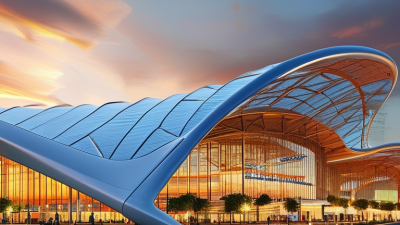
Membrane Building has really changed the game in modern architecture. Think lightweight roofs, translucent façades, and spaces that can adapt to different uses — it’s pretty impressive. The top manufacturers out there bring together great design skills, careful fabrication, and dependable installation support. You’ll see their work in stadiums, airports, exhibition halls, transport hubs, and even emergency facilities.
In this guide, we’re taking a look at ten of the biggest Membrane Building manufacturers around the globe. We’re considering stuff like their project experience, engineering capabilities, material quality, fabrication standards, and how well they support maintenance in the long run. Companies like Taiyo Kogyo, Serge Ferrari, Vector Foiltec, and Birdair each bring their own strengths to the table. Some really focus on tensile structures, while others develop ETFE systems, coated fabrics, or even complete building envelopes.
Honestly, details matter a lot here. A roof that's built to last needs to stand up against wind, snow loads, UV rays, proper drainage, and be able to handle repeated movement without issues. The panels cut in factories need to line up perfectly at every seam, and installation teams really need to understand local weather and site conditions, too. For something like an inflatable membrane building, you also have to keep an eye on air pressure, backup systems, access controls, and energy use — it’s a bit more involved.
Also, it’s worth keeping in mind that no ranking is set in stone. Regional expertise, project size, and technical needs can totally shift the order of these companies. Remember, a manufacturer that did some pretty impressive landmark projects might not be the best fit for a small community venue. And sometimes, a cheaper option upfront can lead to higher maintenance costs down the line. This overview is based on the info that’s available and practical evaluation criteria, but keep in mind that some data, especially for public projects, isn’t always complete. Before you make any decisions, it’s smart to check certifications, warranties, references, and ensure they meet your local requirements.
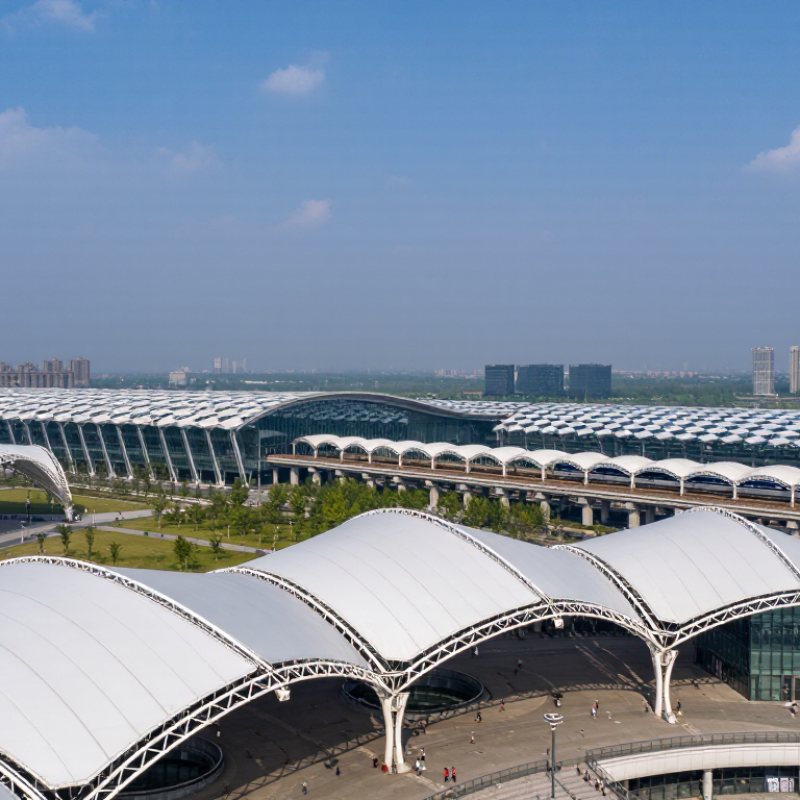
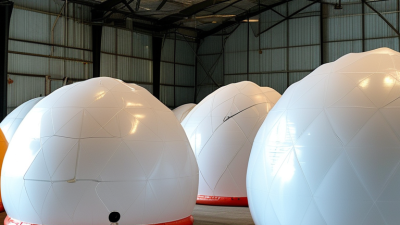
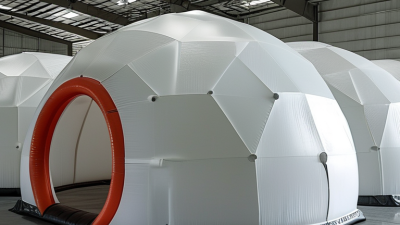
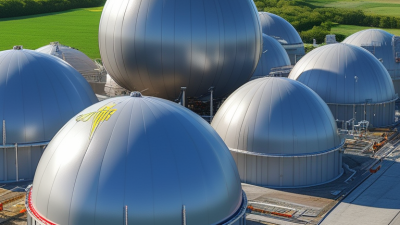
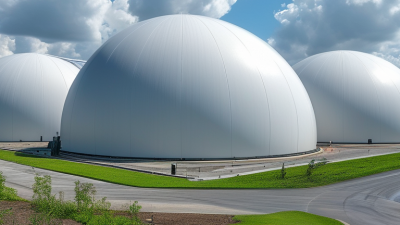
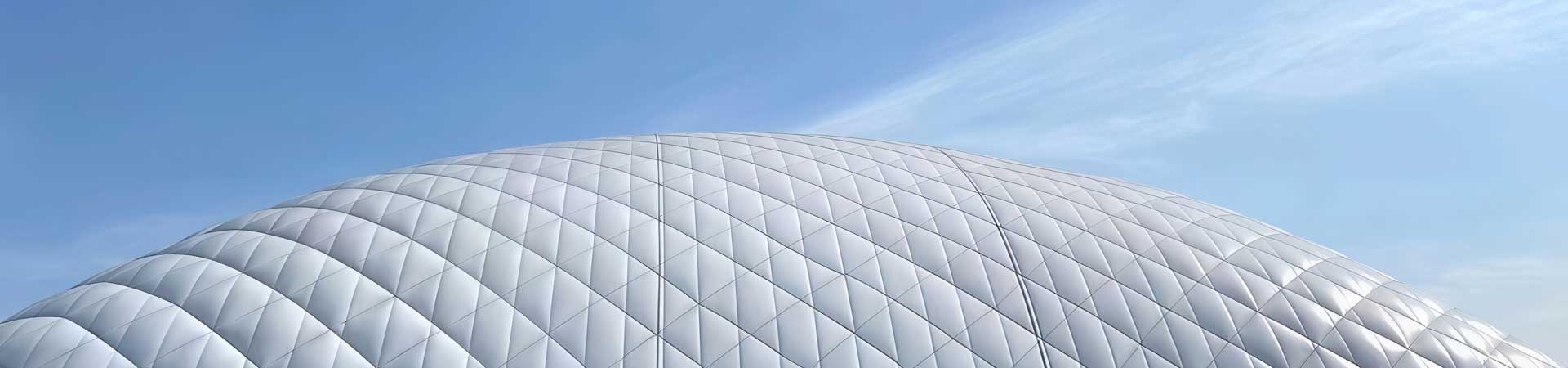
Membrane buildings are lightweight structures formed by stretching flexible architectural fabric over cables, frames, masts, or air pressure. Unlike conventional roofs, their skin carries tension rather than resisting loads through heavy layers of concrete and steel. An air-supported membrane building uses continuous low-pressure air to maintain its shape. Entry doors and airlocks must limit pressure loss.
Common fabrics include PVC-coated polyester and PTFE-coated fiberglass. Each material differs in strength, translucency, lifespan, cleaning needs, and fire performance. Some membranes admit soft daylight, reducing daytime lighting demand inside. The effect can feel calm, but glare may still trouble workers near transparent sections.
Their applications include sports halls, warehouses, aircraft shelters, exhibition spaces, and agricultural facilities. Engineers study wind uplift, snow accumulation, drainage, condensation, acoustic control, and emergency access before selecting a system. On site, installers check seam quality, edge tension, anchor bolts, and fabric wrinkles. Small errors can create flapping, ponding, or premature wear.
The concept looks simple.
Reliable performance depends on detailed engineering and regular inspection. Fabric should be checked after severe weather, especially around seams and connection points. Cleaning methods must match the coating, since harsh chemicals can reduce durability. Membrane buildings can be economical and visually distinctive, but they are not maintenance-free. Their success depends on climate data, skilled installation, and honest assessment of future use.
Membrane buildings are lightweight structures formed by tensioned architectural fabrics supported by steel frames, masts, cables, arches, or air pressure. The table below compares ten major manufacturer profiles by region, product capability, typical applications, and technical characteristics without displaying company or brand names.
| Rank | Manufacturer Profile | Primary Operating Region | Core Membrane Systems | Typical Building Applications | Typical Project Span | Common Fabric Materials | Structural Support | Common Compliance References |
|---|---|---|---|---|---|---|---|---|
| 1 | Profile A — Global tensile-structure specialist | Europe and international markets | Permanent tensile roofs, cable nets, and façade systems | Stadiums, terminals, arenas, and civic landmarks | 30–100+ m | PTFE-coated glass fiber, PVC-PES, ETFE | Steel masts, arches, cables, and compression rings | Local building codes, EN 1991, EN 1993, CEN/TS 19102 |
| 2 | Profile B — Large-span architectural fabric producer | North America and global export markets | Custom membrane roofs and engineered fabric envelopes | Sports venues, transportation hubs, entertainment facilities | 25–90 m | PVC-coated polyester, PTFE-glass, ETFE cushions | Steel trusses, tension cables, perimeter beams | IBC, ASCE 7, NFPA 701, ASTM material testing |
| 3 | Profile C — Modular membrane building manufacturer | East Asia and Southeast Asia | Prefabricated tensile halls and modular fabric structures | Warehouses, logistics centers, workshops, and temporary halls | 10–50 m | PVC-coated polyester and polyethylene fabrics | Galvanized steel frames, portal frames, and cables | Regional steel codes, wind-load standards, fire classifications |
| 4 | Profile D — European lightweight-architecture fabricator | Central and Western Europe | Tensile façades, entrance canopies, and membrane roofs | Shopping centers, campuses, public plazas, and pedestrian areas | 8–45 m | PTFE-coated glass fiber, PVC-PES, silicone-coated glass | Steel columns, edge beams, cables, and aluminum profiles | Eurocodes, CEN/TS 19102, EN 13501, EN 1991 |
| 5 | Profile E — Middle Eastern climate-adapted specialist | Gulf region and North Africa | Shade membranes, covered walkways, and climate-responsive roofs | Parking areas, hospitality developments, mosques, and public spaces | 6–40 m | UV-stabilized PVC-PES, HDPE shade cloth, PTFE-glass | Steel columns, masts, cables, and cantilever frames | Regional wind codes, fire standards, solar and thermal requirements |
| 6 | Profile F — Industrial fabric building producer | Australia, New Zealand, and Asia-Pacific | Industrial fabric buildings, retractable covers, and storage shelters | Mining, agriculture, aviation, manufacturing, and bulk storage | 15–70 m | PVC-coated polyester and high-strength polyethylene | Steel portal frames, trusses, and tensioned end walls | AS/NZS structural codes, wind actions, and local fire regulations |
| 7 | Profile G — Inflatable and air-supported structure specialist | North America, Europe, and the Middle East | Air-supported domes, inflatable halls, and temporary enclosures | Sports courts, exhibition spaces, emergency facilities, and events | 20–120 m | PVC-coated polyester, TPU films, and double-layer membranes | Continuous air pressure, anchorage cables, and perimeter foundations | NFPA guidance, local fire codes, wind-load standards, and emergency egress rules |
| 8 | Profile H — ETFE cushion and foil-envelope specialist | Europe and East Asia | ETFE cushions, foil roofs, skylights, and translucent façades | Aquatic centers, botanical gardens, stadiums, and atriums | 10–60 m | ETFE foil and multi-layer pneumatic cushions | Aluminum extrusion frames, steel grids, and air-control systems | EN 13501, Eurocodes, fire-safety requirements, and project-specific testing |
| 9 | Profile I — Temporary and event-structure manufacturer | Europe, North America, and worldwide touring markets | Marquees, event tents, demountable halls, and rapid-deployment shelters | Exhibitions, festivals, military logistics, and disaster response | 5–40 m | PVC-coated polyester, acrylic-coated fabrics, and technical textiles | Aluminum frames, steel tension systems, stakes, and ballast | Temporary-structure codes, wind limits, flame-retardancy requirements |
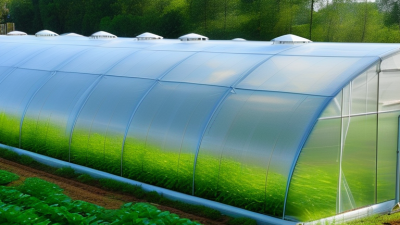
| 10 | Profile J — Agricultural and commercial shade-structure producer | Latin America, Southern Europe, and Africa | Shade canopies, greenhouse covers, market roofs, and lightweight shelters | Farms, nurseries, markets, parking lots, and outdoor retail areas | 5–35 m | HDPE shade mesh, PVC-PES, polycarbonate, and polyethylene films | Galvanized steel posts, tubular frames, cables, and membrane edges | Agricultural standards, local wind codes, UV-resistance testing, and fire requirements |
Note: The ranking is a comparative market overview based on international project capability, product breadth, engineering specialization, and geographic coverage. Project spans are typical ranges and vary according to structural design, wind and snow loads, material selection, foundation conditions, and applicable local regulations.
It is a lightweight structure made from flexible fabric, cables, frames, masts, or air pressure. The fabric carries tension. It does not depend mainly on thick concrete or steel layers.
Continuous low-pressure air pushes against the fabric from inside. Doors and airlocks must reduce pressure loss. Small leaks can increase operating costs and affect stability.
Common choices include PVC-coated polyester and PTFE-coated fiberglass. They differ in strength, daylight transmission, lifespan, cleaning needs, and fire performance. The cheapest fabric may not suit long-term use.
They can serve as sports halls, warehouses, aircraft shelters, exhibition spaces, and agricultural facilities. Some designs cover transit areas or public spaces. The intended use matters greatly.
Engineers should study wind uplift, snow accumulation, drainage, condensation, acoustics, and emergency access. Local climate data is essential. Early assumptions can be wrong.
Ask for completed projects with similar sizes and climates. Request construction photographs, structural calculations, seam samples, and quality-control records. Vague answers deserve caution.
The contract should define materials, engineering duties, installation standards, delivery stages, warranty limits, and maintenance support. It should also explain repair responsibilities. A single price is not enough.
Inspect seams, anchors, edge tension, wrinkles, and drainage after severe weather. Use cleaning products suitable for the coating. Harsh chemicals can shorten fabric life.
Some membranes admit soft daylight, which may reduce daytime lighting demand. Transparent areas can also create glare near workstations. The benefit is real, but incomplete.
No. They need regular inspection, cleaning, and occasional repairs. Small defects can become leaks or flapping. This point is easy to underestimate.
This article provides a practical overview of the global Membrane Building industry, beginning with the structure, materials, and engineering principles that define modern membrane architecture. It explains how to evaluate manufacturers through criteria such as design expertise, production capacity, material quality, structural safety, customization, installation services, and project experience. The global market overview highlights the growing use of flexible, lightweight, and durable structures across commercial, industrial, sports, public, agricultural, and event applications.
The profiles of the top 10 Membrane Building manufacturers focus on their general capabilities, technologies, design approaches, and ability to deliver projects in different regions and environments, without promoting any specific company. The article also examines advanced fabrics, supporting systems, digital design, climate resistance, and construction efficiency. Finally, it discusses sustainability, energy-conscious design, recyclable materials, innovation, and future development trends shaping the industry.