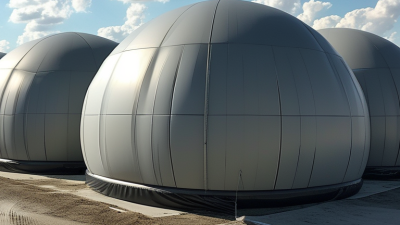
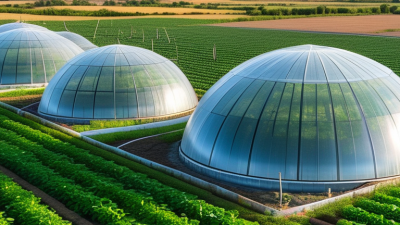
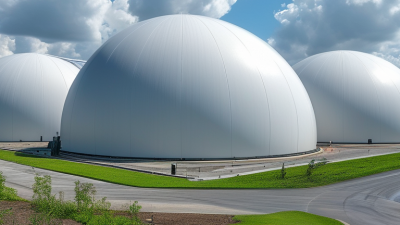
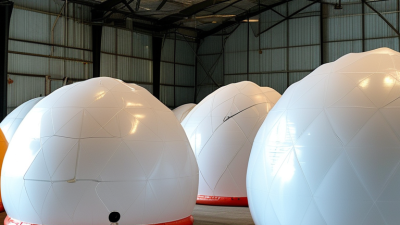
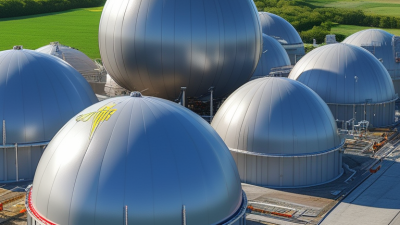
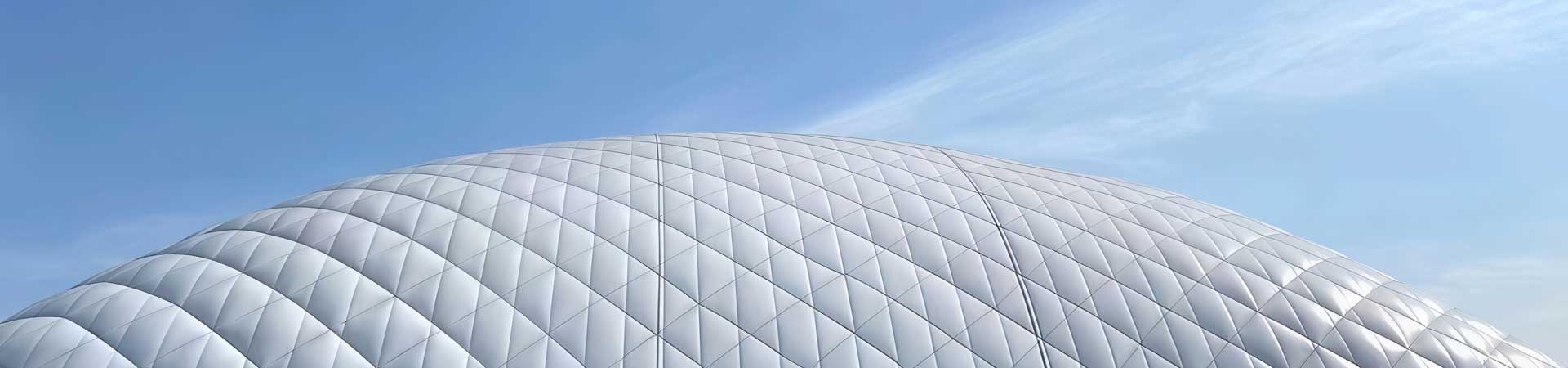
Inflatable Air Domes are really changing the game for businesses these days. They come with a bunch of cool advantages, making them pretty appealing across lots of different industries. Companies like AirDome Solutions are really taking advantage of these domes to boost how efficiently they run things.
One of the best parts? These inflatable domes are super versatile. Need a space for a sports event, an exhibition, or even an indoor market? No problem — they’re easy to set up and adapt to whatever you need. It’s pretty awesome to think you can host events without sweating the weather. With an Inflatable Air Dome, that’s actually possible.
Plus, they’re kind of good for the planet, too. By using natural airflow and lightweight materials, they can help cut down on energy costs. But, fair warning — you’ve got to stay on top of maintenance. Regular checks are key to making sure there are no leaks or damages. All in all, the Inflatable Soccer Dome is a perfect example of how modern solutions can solve old-school business problems while creating a really cool environment for everyone involved.
Benefits of Enhanced Space Utilization with Inflatable Air Domes
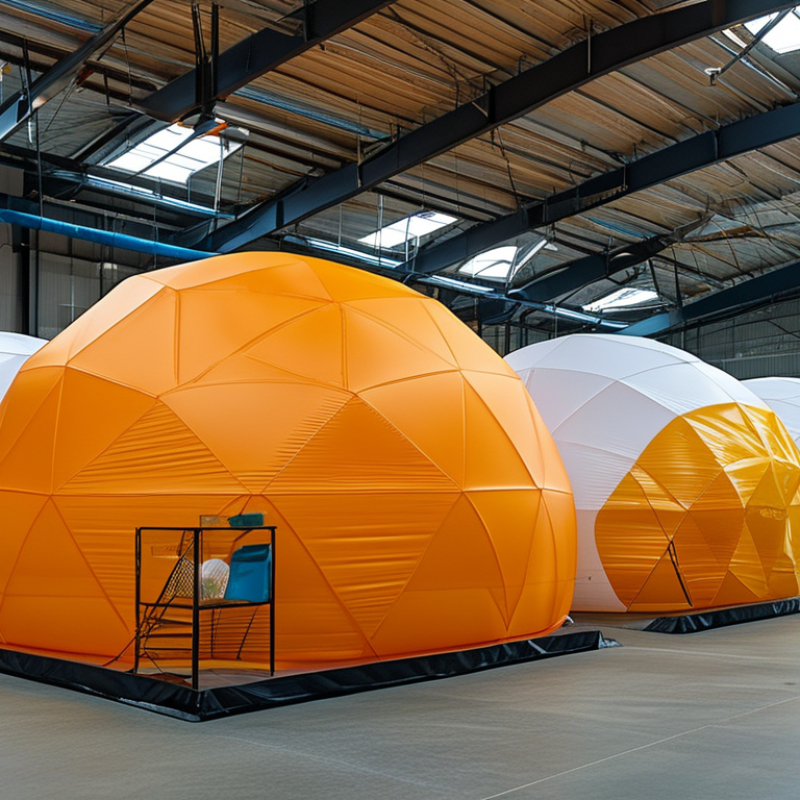
Inflatable air domes provide a unique solution for businesses looking to optimize space. These structures are versatile, offering a temporary yet secure enclosure. They can accommodate various activities, from sports events to product displays. The lightweight design allows for easy setup and removal, making them ideal for seasonal businesses or events.
Enhanced space utilization is a key benefit of inflatable air domes. They can transform unused outdoor areas into functional spaces. For instance, a parking lot can become an entertainment venue overnight. This flexibility is crucial for businesses facing fluctuating demands. Rather than committing to a permanent structure, companies can adapt easily and efficiently.
However, there are challenges. Weather conditions can affect the usability of air domes. Regular maintenance and monitoring are necessary to ensure safety and integrity. Businesses must weigh these factors against their needs. Inflatable air domes offer innovative solutions but require careful planning and consideration. Being aware of limitations can lead to better decisions.
Cost-Effectiveness of Inflatable Air Domes for Business Operations
Inflatable air domes are transforming how many businesses operate. Their cost-effectiveness is a significant draw. According to industry reports, these structures can reduce operational costs by up to 30%. This reduction comes primarily from lower heating and cooling expenses, compared to traditional buildings. Additionally, the rapid setup and disassembly minimize downtime, allowing businesses to use their space more efficiently.
Investing in an Inflatable Sports Dome can yield substantial savings. For example, the initial investment is often recouped within a few years due to decreased maintenance costs. Businesses can avoid long-term lease commitments often associated with permanent facilities. This flexibility is crucial. It allows companies to adjust to changing market demands without incurring heavy penalties.
However, challenges exist. The durability of inflatable domes can be an issue, especially in harsh weather conditions. Regular maintenance is required to ensure they remain safe and functional. Some companies may find the need to balance cost savings with quality. Despite these challenges, the financial benefits can outweigh the downsides, making inflatable air domes an appealing option for many industries.
Comparison of Inflatable Air Domes to Traditional Structures
Inflatable air domes have emerged as a compelling alternative to traditional structures for businesses. Their lightweight design allows for easy transport and setup. This flexibility can be invaluable for companies that require temporary spaces for events or seasonal activities. Unlike conventional buildings, air domes can quickly adapt to changing business needs, providing a cost-effective solution.
When comparing the two, durability is a significant point of reflection. Traditional buildings often require extensive maintenance over time, whereas air domes typically demand less upkeep. However, they may be more susceptible to weather conditions like strong winds. Business owners should assess local climates to ensure the domes' suitability. This balance of benefits and drawbacks gives insight into making informed choices.
Aesthetic appeal also differs between these structures. Traditional buildings often integrate with the surrounding architecture, while air domes stand out with their unique forms. This can attract attention, but it might not fit every branding strategy. Ultimately, understanding these nuances helps businesses to strategically choose the best solution that aligns with their goals.
Top 10 Benefits of Inflatable Air Domes for Your Business
| Benefit |
Inflatable Air Domes |
Traditional Structures |
| Cost Efficiency |
Lower initial investment |
Higher construction costs |
| Quick Installation |
Set up in a few days |
Weeks to months for completion |
| Mobility |
Easily relocatable |
Permanent fixtures |
| Flexibility in Use |
Versatile for different activities |
Limited use cases |
| Environmentally Friendly |
Lower carbon footprint |
High energy consumption |
| Weather Resistance |
Strong against extreme weather |
Vulnerable to storms |
| Customizability |
Tailored designs possible |
Limited design options |
| Safety Features |
Inflatable structures cushion falls |
Hard surfaces can cause injury |
| Maintenance |
Low maintenance needs |
Requires regular upkeep |
| Aesthetic Appeal |
Modern and sleek appearance |
Traditional, less dynamic look |
Quick Setup and Teardown Advantages of Air Domes
Inflatable air domes offer remarkable quick setup and teardown advantages for businesses. Research shows that a standard inflatable dome can be set up in less than an hour, while traditional structures might take days. This efficiency allows companies to minimize downtime and costs, making operations smoother. Businesses can reclaim valuable time, focusing on service rather than logistics.
Moreover, the teardown process is equally efficient. Many business owners appreciate that inflatable structures can be taken down swiftly. A 2023 report indicated that up to 30% of event costs stem from setup and teardown times. Efficient Inflatable Dome Construction mitigates these expenses, enhancing profit margins. Flexibility in location usage is another key advantage. Air domes can be quickly moved to match seasonal demands or special events.
However, some may question the durability of inflatable structures. While they are designed to withstand harsh conditions, it's important to consider maintenance. Proper upkeep ensures longevity. Businesses should evaluate their needs carefully to maximize benefits from inflatable dome construction. Understanding both strengths and potential shortcomings can lead to informed decisions.
Versatility in Functionality Across Different Industries
Inflatable air domes are increasingly popular across various industries due to their versatility. They provide an adaptable space for sports, events, and businesses. This flexibility allows companies to respond quickly to changing demands. For example, a recent report from the Sports Facilities Advisory revealed that over 60% of sports organizations are investing in temporary structures like Dome Air for their activities. This trend reflects the need for customizable and efficient spaces.
A well-designed Dome Air can transform into a venue for different purposes. Retailers can use them for promotional events, while schools may opt for them as multi-functional activity areas. Interestingly, the global inflatable structure market is projected to grow at 6% annually, according to a recent study by Research and Markets. This growth signifies a broader acceptance across sectors. Still, companies must consider the operational challenges these structures present, such as maintenance and logistics.
The effectiveness of a Dome Air largely depends on its intended use. While they are useful, they require careful planning. User feedback indicates that some businesses struggle with keeping temperature control consistent. It’s essential for company leaders to reflect on these aspects to maximize their investment. Ultimately, the balance of versatility and operational challenges defines the overall success of employing inflatable air domes in various industries.
Improved Customer Experience and Engagement in Air Domes
Inflatable air domes offer an innovative solution for businesses aiming to enhance customer experience. Users are more drawn to unique environments. A study by the International Association of Amusement Parks and Attractions indicates that immersive experiences can increase customer satisfaction ratings by over 30%. This benefit makes air domes a valuable asset.
The flexibility of an Air Rib Dome means it can cater to diverse events. Whether hosting a concert, sports event, or exhibition, the adaptable space fosters engagement. Customers especially appreciate personalized experiences in these versatile venues. However, businesses must ensure the design aligns with their brand to avoid confusion. A mismatched theme can easily detract from the overall experience.
Moreover, air domes can enhance safety and comfort. Controlled climates separate from outdoor elements create a pleasant atmosphere. According to a report by the Event Marketing Institute, 70% of attendees prefer temperature-controlled spaces. But, businesses need to regularly maintain their air domes to prevent issues. Neglecting this can lead to safety concerns and impact customer perception negatively. Ultimately, the long-term success of utilizing air domes is tied to consistent experience improvements and reliable maintenance.
Environmental Considerations and Sustainability of Air Domes
Inflatable air domes have gained attention for their environmental considerations. These structures offer energy efficiency, making them a sustainable choice for various businesses. According to a report from the International Energy Agency, buildings account for 36% of global energy use. Air domes reduce energy consumption by providing insulation, which helps maintain comfortable indoor temperatures. By minimizing heating and cooling costs, businesses can significantly lower their carbon footprint.
Moreover, the materials used in construction are often recyclable. Many air domes are made from reinforced PVC, which is durable and can be repurposed at the end of its lifecycle. The potential for recycling reduces waste in landfills, contributing positively to environmental sustainability. A study by the Environmental Protection Agency highlighted that construction and demolition waste represents a substantial portion of total waste. Utilizing air domes can mitigate this issue, promoting a circular economy.
However, challenges remain. The production process of inflatable structures can sometimes involve emissions and non-renewable resources. Additionally, not all businesses consider the long-term environmental impact of their choices. It’s essential for companies to assess their entire supply chain and ensure eco-friendliness at every stage. Balancing functionality, cost, and sustainability is vital in making informed decisions about air domes.
FAQS
: Inflatable air domes are flexible structures used by businesses for various operations. They can save costs and maximize space.
They can reduce costs by up to 30%, mainly through lower heating and cooling expenses.
A standard inflatable dome can be set up in less than an hour, compared to days for traditional buildings.
The teardown process is also rapid, allowing businesses to save on event costs significantly.
Yes, durability in harsh weather is a concern. Regular maintenance is necessary for safety and functionality.
They offer great flexibility, allowing quick relocation for seasonal demands or special events compared to permanent structures.
Companies need to balance cost savings with quality. Evaluating needs is crucial to maximizing benefits from inflatable domes.
Initial costs can be recouped within a few years due to lower maintenance and operational expenses.
Yes, they are designed for durability, but proper upkeep is essential for maintaining longevity and functionality.
While they are cost-effective, businesses may need to reflect on their long-term quality and safety requirements.
Conclusion
Inflatable air domes offer numerous advantages for businesses, making them a compelling choice for various operational needs. One of the primary benefits is enhanced space utilization, allowing companies to maximize their available area while minimizing costs. The cost-effectiveness of inflatable air domes is further highlighted when compared to traditional structures, as they often require lower initial investments and reduced maintenance expenses.
Additionally, inflatable air domes facilitate quick setup and teardown, making them ideal for temporary events or changing business requirements. Their versatility across different industries allows for diverse applications, from sports facilities to retail environments, significantly improving customer experience and engagement. Furthermore, the environmental considerations of inflatable air domes promote sustainability, as they can reduce energy consumption compared to conventional buildings. Overall, inflatable air domes present a practical, adaptable solution for modern business operations.