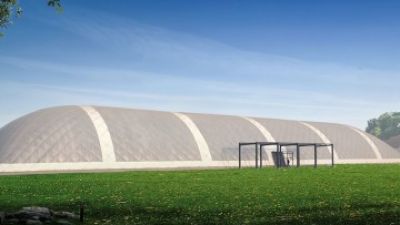
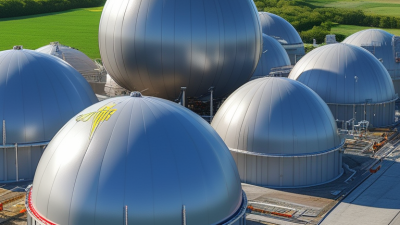
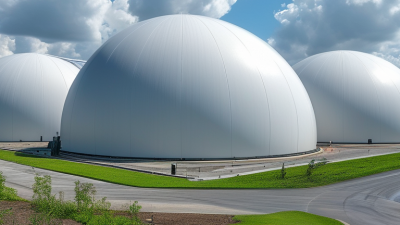
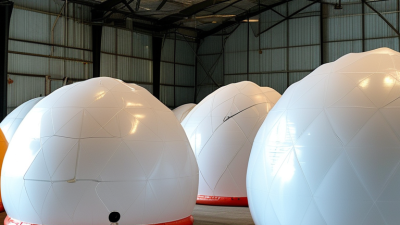
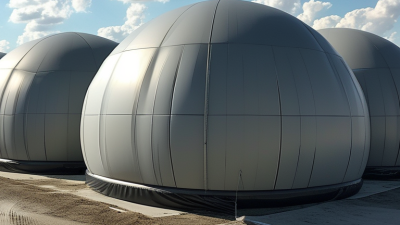
You know, Agricultural Air Dome technology is really shaking up farming all around the world. It’s this pretty clever way to create a controlled environment for your crops, which means bigger and better yields. Farmers get to tweak things like temperature, humidity, and light — all super important for healthy plant growth. It’s kind of like giving your plants their own perfect little paradise.
And honestly, a lot of growers who’ve tried it out are already seeing some pretty awesome results. They talk about healthier plants and harvesting more than they used to. Plus, with this dome setup, you can grow crops all year long, no matter what the weather’s doing outside. That’s a game changer because it cuts down on the risks tied to crazy weather swings, leading to more predictable harvests and more stability for their businesses. Of course, switching over isn’t exactly a walk in the park — you’ve gotta plan carefully.
It’s really important to think about the initial costs and the learning curve that comes with it. Some farmers might find it a bit tricky at first to get used to new techniques. But teaming up with experts can make the whole process smoother. If farmers take advantage of what the Agricultural Air Dome offers, they can really boost their farms and keep things sustainable. Honestly, the potential to crank up crop yields with this tech is pretty huge.
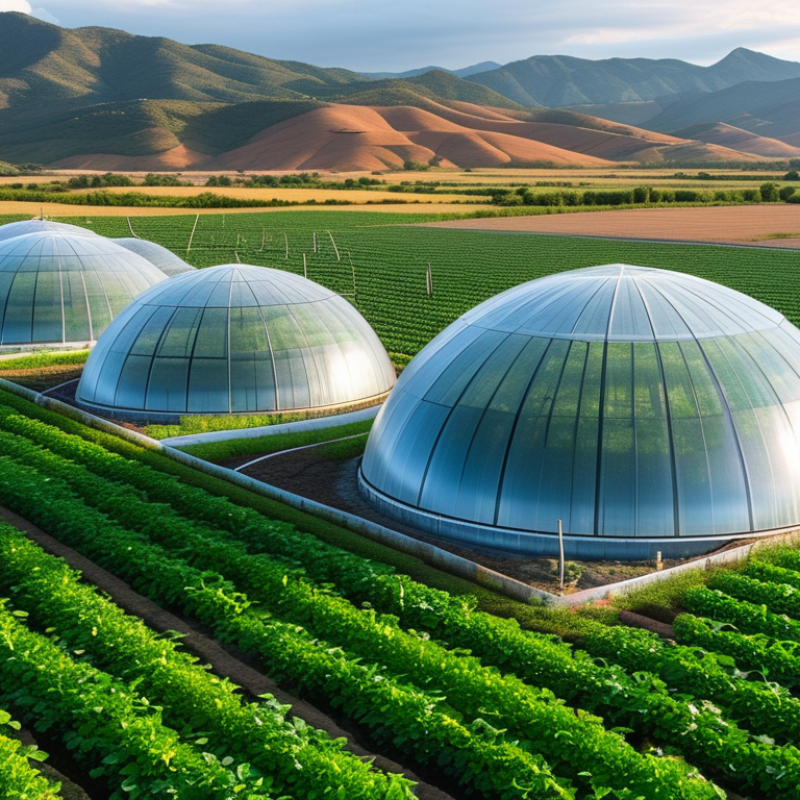
Understanding Agricultural Air Domes: Definition and Purpose
Agricultural air domes, often referred to as climate-controlled structures, play a pivotal role in modern farming. These innovative setups enhance plant growth by creating a stable environment. Essentially, they trap heat, humidity, and light, making them beneficial for crop cultivation.
The purpose of agricultural air domes extends beyond just climate control. They help regulate water usage, reducing evaporation losses. This is crucial in areas facing water scarcity. While they offer advantages, one must consider the initial costs and energy consumption. Not all crops flourish equally under these domes. Some plants may require specific conditions that challenge growers.
Implementing air domes might require adjustments or even failures initially. Each grower must assess their crop types and local conditions. Experimentation helps in understanding the best practices. Observing crop responses is key to optimizing yield. With time, growers can refine their techniques, enhancing overall productivity through intelligence and practical knowledge.
The Science Behind Crop Growth and Environmental Control
The science behind crop growth is intricate yet fascinating. An Agricultural Air Dome creates an ideal microclimate. This dome helps regulate temperature and humidity effectively. Plants respond well to stable conditions, leading to healthier growth and increased yields. The controlled environment minimizes pests and diseases, allowing for a more consistent harvest.
In these domes, light plays a crucial role. Proper lighting schedules mimic natural conditions, aiding in photosynthesis. This is vital for crops as it directly influences their growth cycle. However, achieving the perfect balance is challenging. Overexposure to light can stress plants, while insufficient light stunts their growth.
The use of the Air Rib Dome offers innovative solutions. Yet, the management of these systems requires expertise and careful planning. Farmers need to monitor environmental factors constantly. Learning from past mistakes is essential. Not all crops will thrive under the same conditions. Knowledge and adaptation are key to maximizing crop yield in these controlled environments.
How to Use Agricultural Air Dome for Maximizing Crop Yield? - The Science Behind Crop Growth and Environmental Control
| Crop Type |
Optimal Temperature (°C) |
Humidity Level (%) |
Light Intensity (µmol/m²/s) |
Expected Yield Increase (%) |
| Tomatoes |
22 - 26 |
60 - 80 |
400 - 700 |
20 |
| Cucumbers |
18 - 24 |
70 - 90 |
300 - 600 |
25 |
| Lettuce |
15 - 20 |
50 - 70 |
200 - 400 |
15 |
| Peppers |
20 - 28 |
50 - 65 |
350 - 700 |
30 |
| Strawberries |
18 - 24 |
55 - 75 |
250 - 500 |
18 |
Benefits of Using Agricultural Air Domes for Crop Yield
In modern agriculture, The Air Dome presents various advantages for enhancing crop yield. One notable benefit is its ability to regulate temperature and humidity. This creates an ideal microclimate for plants, particularly in unpredictable weather. Consistent conditions can boost growth, leading to more abundant harvests.
Farmers can also minimize water usage with The Air Dome. The design traps moisture, reducing evaporation. This is especially beneficial in regions experiencing drought. Efficient water management is crucial for sustainability in agriculture.
**Tip:** Regularly monitor environmental conditions inside The Air Dome. Adjust settings as necessary to maintain optimal growth conditions.
Another advantage includes pest management. The Air Dome's structure can deter certain pests. This minimizes the need for pesticides, promoting healthier crops. An organic approach can attract beneficial insects, further supporting plant health.
**Tip:** Introduce beneficial insects to complement your pest control efforts. They work alongside The Air Dome's protective features.
Reflecting on these benefits, farmers should weigh the initial investment against long-term gains. The Air Dome requires careful planning and maintenance. It's essential to understand both its potentials and limitations in crop production.
Impact of Agricultural Air Domes on Crop Yield
The introduction of Agricultural Air Domes has shown a significant impact on crop yields, with an average increase from 4.5 tons per hectare without air domes to 7.2 tons per hectare when using them.
Installation Process of Agricultural Air Domes on Farmlands
The installation of agricultural air domes greatly enhances crop yield by providing a controlled environment. Setting up these structures requires attention to detail. First, assess the farmland's topography and soil type. This influences the air dome's placement and effectiveness.
After selecting the site, prepare the ground by removing debris and leveling the soil. This ensures a stable foundation. Utilize precision tools for measurement to avoid errors during the installation. Assembling the Pvdf Air Dome involves connecting the framework according to the guidelines. Properly seal any joints to prevent air leaks. This aspect is crucial because leaks can reduce efficiency and effectiveness.
Monitor the installation process regularly for challenges. Adjustments may be necessary if the dome doesn't fit as intended. After installing, maintain the dome to ensure longevity. Regular checks for wear and repairs can save costs in the long run. Some farmers overlook this maintenance phase, leading to reduced performance over time. This is a vital step that demands attention and care.
Maintenance Tips for Optimal Performance of Air Domes
Maintaining an agricultural air dome is crucial for optimizing its performance. Regular inspections should be a part of your routine. Check for any wear or tear in the structure, especially after heavy storms. Any small cracks can lead to air leaks, compromising the dome’s effectiveness. If leakage occurs, it could hinder the growth environment for your crops. Regular maintenance ensures that the air dome continues to provide the necessary insulation and humidity control.
Cleaning the air dome is essential. Dust and debris can accumulate over time, blocking light and affecting plant growth. A simple wash with water can do wonders. However, be cautious with aggressive cleaning agents. They might damage the material. A gentle approach is usually effective and safer. Additionally, check the air circulation system. Ensure fans and vents are working properly. Poor airflow can lead to uneven temperatures and moisture levels, negatively impacting crop yield.
Lastly, reflection on your maintenance practices is vital. Consider documenting any issues and solutions you encounter. This can identify patterns or recurring problems. Adjustments can then be made to improve overall efficiency. By continuously evaluating your methods, you can enhance the performance of your air dome and maximize crop yields effectively.
Case Studies: Successful Implementation of Air Domes Globally
Agricultural air domes have emerged as a transformative solution for crop production worldwide. In Spain, the use of air domes has led to a 30% increase in crop yields. This was documented in a study by the European Institute of Agricultural Innovation, showcasing how controlled environments can optimize growth conditions. Farmers reported improved fruit sizes and reduced disease incidence.
In New Zealand, air dome technology was adapted for kiwi farming. Results indicated a 40% reduction in water usage. This efficiency is crucial, especially in regions facing water scarcity. The New Zealand Agricultural Journal highlighted that such systems can enhance soil quality while ensuring better air circulation. However, some farmers experienced challenges with initial costs and required maintenance.
In contrast, studies from Brazil noted a slower adoption rate due to a lack of awareness. Training and knowledge sharing were identified as key barriers. Nevertheless, when implemented, air domes have shown promising results, improving both quality and quantity of harvests. The Global Agricultural Reports emphasized the need for further research on the long-term sustainability of air dome systems, ensuring they remain beneficial for future farming practices.
Future Innovations in Agricultural Air Dome Technology
Advancements in agricultural air dome technology are crucial for optimizing crop yield. These innovative structures provide controlled environments, enabling farmers to manage temperature and humidity. As climate change alters traditional farming methods, air domes can fill the gap, ensuring consistent crop production.
The application of Custom Air Dome Hangars is becoming popular. They can be tailored to different crops and climates. Farmers can create specific conditions suited for various plants. This flexibility is vital in areas with unpredictable weather patterns. Future innovations may include automated systems for monitoring environmental factors. Such systems would help in adjusting conditions in real-time, enhancing growth efficiency.
Tips for maximizing the benefits of air domes include using sensors to monitor conditions continuously. Regular assessments ensure that crops receive the best care possible. Avoid overcrowding plants to allow for optimal airflow. This simple strategy can lead to healthier crops and higher yields. Testing new techniques within the air dome can foster better understanding and improvement in yield. Experimentation often leads to unexpected successes, so maintaining a flexible approach is essential.
Maximizing Crop Growth with High Transparent Eco Agricultural Air Dome Greenhouses: A Sustainable Solution for Modern Farming
The advent of high transparent eco agricultural air dome greenhouses is transforming modern farming, particularly for intensive crop production. A notable example can be found in a 6,000 m² ETFE air-supported membrane structure located in Anhui, which has successfully adapted its design to optimize natural sunlight for enhanced crop growth. Utilizing a large-span ETFE structure, this greenhouse harnesses the abundance of natural light, which is essential for photosynthesis and consequently boosts crop yield. According to a report by the Food and Agriculture Organization (FAO), utilizing such structures can significantly increase agricultural output, with potential yield increases of 20-50% for various crops compared to traditional farming methods.
Moreover, the integration of an automated intelligent temperature and humidity control system in these greenhouses plays a critical role in creating optimal growing conditions. This smart technology enables precise control over the greenhouse environment, ensuring that crops receive the ideal amount of light, temperature, and moisture needed for their growth cycles. Research indicates that maintaining optimal environmental factors can lead to reductions in water usage by as much as 30% and energy consumption by 20%, making these greenhouses not only effective for maximizing growth but also sustainable in resource management. The Anhui greenhouse has demonstrated consistent performance for over eight years, showcasing the longevity and reliability of this innovative farming solution.
FAQS
: It is a structure that creates a controlled environment for enhanced crop growth.
Assess the topography and soil type first. Clear debris and level the ground subsequently.
Proper sealing prevents air leaks, which can significantly reduce the dome's effectiveness.
Regular checks for wear and necessary repairs are vital to extend the dome's lifespan.
Yes, regions like Spain and New Zealand report significant crop yield increases with air dome use.
Some farmers struggle with high initial costs and ongoing maintenance requirements.
In New Zealand, farmers reported a 40% reduction in water usage with air dome technology.
Yes, overlooking maintenance can lead to reduced performance and increased costs over time.
The land's shape affects the stability and effectiveness of the air dome set-up.
Research indicates a need for ongoing studies to ensure their future benefits for farming practices.
Conclusion
The article "How to Use Agricultural Air Dome for Maximizing Crop Yield" explores the concept and functionality of Agricultural Air Domes, which are innovative structures designed to enhance crop growth by controlling environmental conditions. It delves into the science behind crop growth and how these domes regulate temperature, humidity, and ventilation, ultimately promoting optimal plant development.
Furthermore, the benefits of using Agricultural Air Domes are highlighted, showing increased yields and reduced resource waste. The article outlines the installation process for incorporating these domes into farmlands and provides maintenance tips to ensure their optimal performance. Supportive case studies from around the world demonstrate the successful implementation of Agricultural Air Domes, while also discussing future innovations in this technology, which aim to further revolutionize farming practices.