
Leave Your Message
Advanced engineering steps and material selection for high-performance sports dome construction.
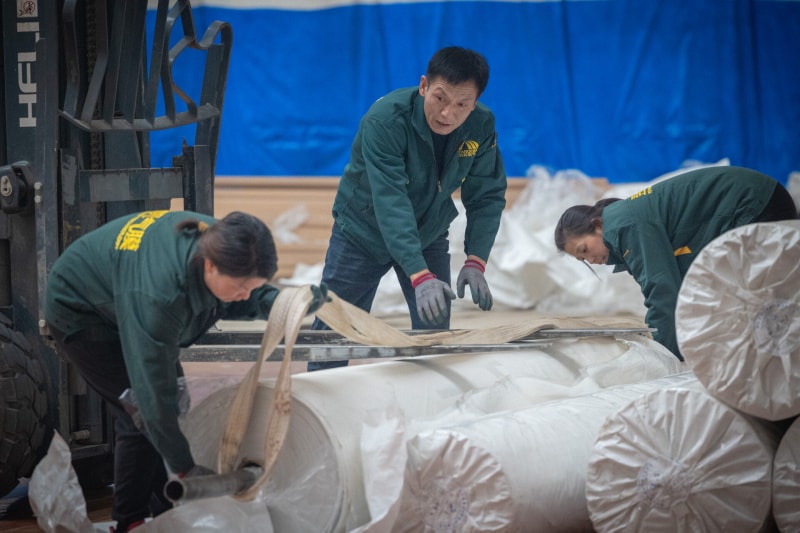
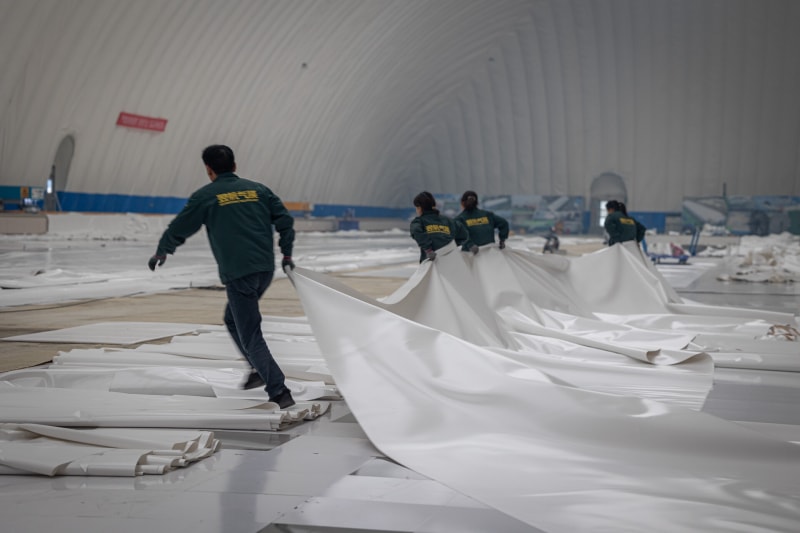
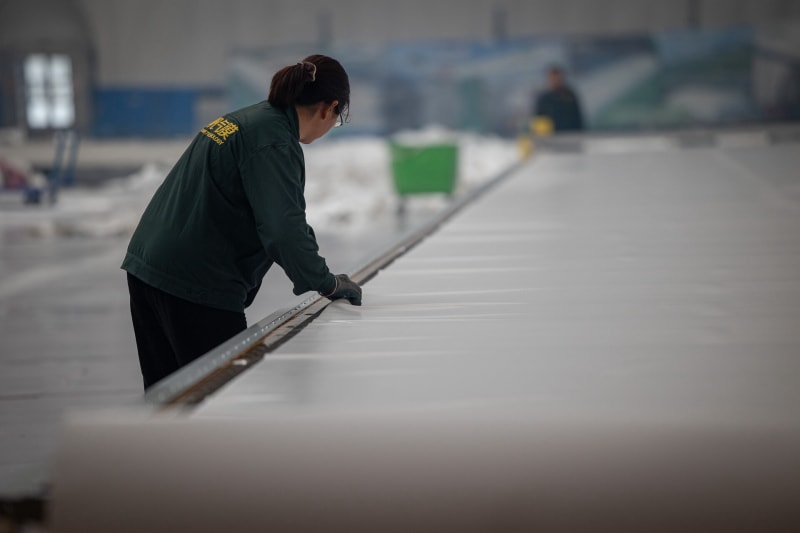
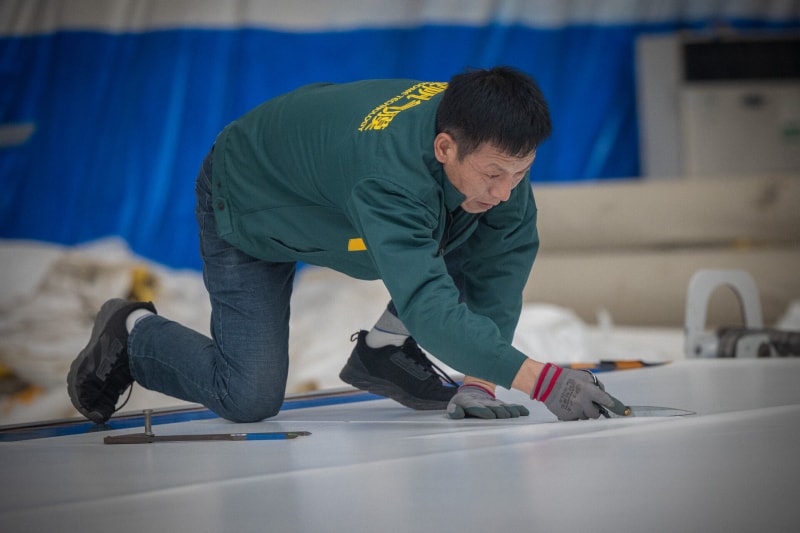
The global demand for year-round sports facilities has seen exponential growth over the past decade. Traditional brick-and-mortar sports complexes face major drawbacks including long construction timelines, high capital expenditure, and vulnerability to severe weather conditions. Consequently, modern building and construction engineering for all-weather badminton and basketball courts has shifted focus towards flexible, fast-to-deploy, and highly sustainable structural solutions.
Air-supported membrane structures, commonly known as air domes, have emerged as the premier choice for commercial operators, educational institutions, and municipal governments. By utilizing internal air pressure to support the envelope, these structures eliminate the need for heavy internal steel beams, maximizing column-free space. This is exceptionally beneficial for sports like badminton and basketball, where clear height and unobstructed overhead space are critical for optimal gameplay.
From a commercial standpoint, air dome facilities offer a drastically reduced Return on Investment (ROI) cycle. Capital costs are typically 30% to 50% lower than traditional steel structures, and the modular construction process allows operators to open their doors and generate revenue months ahead of schedule.
Market analysis indicates that the integration of smart IoT systems within air domes is driving a new trend. Automated environmental controls, energy-efficient LED lighting systems, and real-time structural health monitoring are standardizing the next generation of sports court engineering.
Pioneering sustainable space solutions through advanced engineering and technical expertise.
Yifan Air Dome is a high-tech enterprise dedicated to innovative, eco-friendly air-supported membrane structures and integrated air dome building solutions. As a leading integrated service provider in the application of membrane structure technology across China, we cover the full industrial chain of R&D, design, manufacturing, installation and full-cycle operation and maintenance, delivering high-efficiency, energy-saving and low-carbon sustainable building space solutions for global clients.
With years of deep cultivation in the air dome and membrane structure industry, we adhere to the development philosophy of green low-carbon, technological innovation and quality priority, and strictly comply with industrial construction and production standards. Supported by standardized production techniques and abundant experience in large-scale project implementation, we professionally customize various air domes, including sports stadiums, industrial warehouses, environmental enclosures, cultural tourism venues and exhibition membrane buildings, which are widely applied in sports fitness, industrial storage, environmental dust prevention, cultural tourism scenic spots and public supporting facilities.
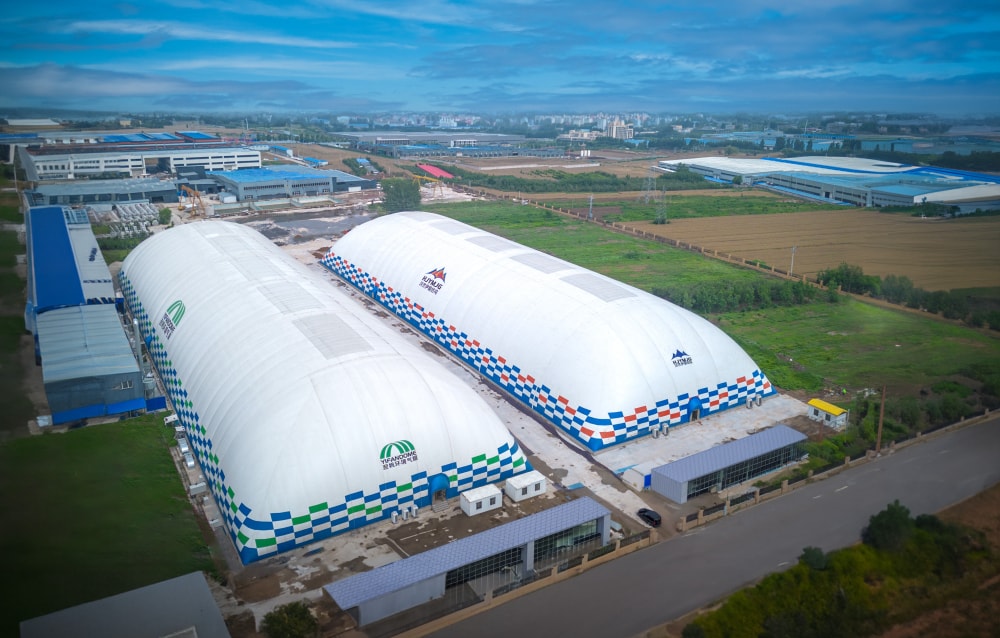
How we design and engineer structures to withstand extreme environments while ensuring athletic performance.
Custom-engineered anchoring systems (gravity, helical, or ring beam) designed specifically to handle upward uplift forces and lateral wind loads, conforming to strict local wind and seismic codes.
Multi-layered membrane configurations incorporating advanced thermal insulation and acoustic barrier materials. This guarantees low reverberation for sports and keeps interior temperatures stable.
Smart air handling units with integrated PM2.5 filtration, heating, cooling, and automated pressure regulators that adjust dynamically based on exterior wind, snow, and occupancy levels.
1. Urban Sports Parks and Commercial Hubs: In heavily populated urban centers where land costs are astronomical, traditional construction is often restricted. Air-supported structures offer a lightweight, flexible alternative that can be deployed on top of existing building roofs, parking lots, or temporary commercial zones. This enables rapid monetization of underutilized urban spaces into premium basketball and badminton courts.
2. Educational and Institutional Sports Facilities: Schools and universities require reliable, safe, and clean environments for student activities. The air dome's advanced filtration systems supply a constant flow of fresh air while filtering out pollutants, pollen, and dust. This creates a healthy training environment regardless of outdoor smog, heavy rains, or extreme winter conditions.
3. Extreme Climate Environments: From sub-zero arctic environments with heavy snow loads to hot desert areas, the engineering of air domes adapts seamlessly. Double or triple-skin membrane systems with high thermal resistance (low U-values) minimize HVAC energy consumption, making year-round play economically viable in climates where traditional outdoor courts would remain unused for half the year.
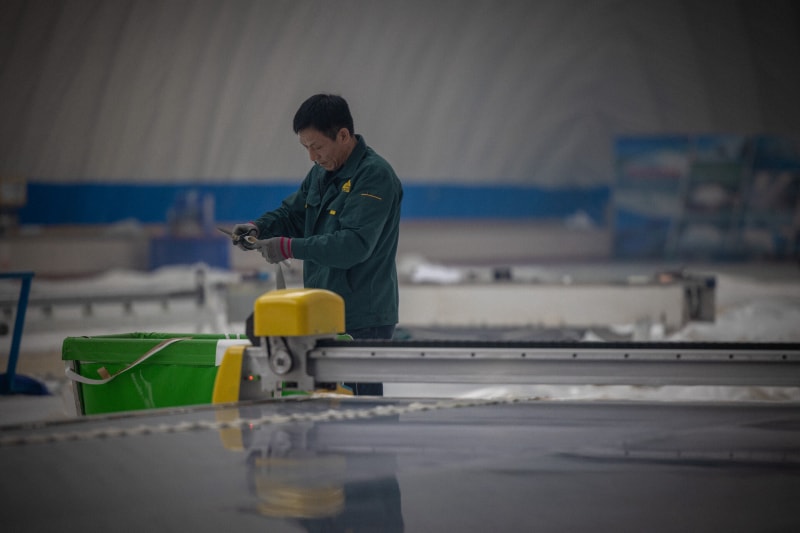
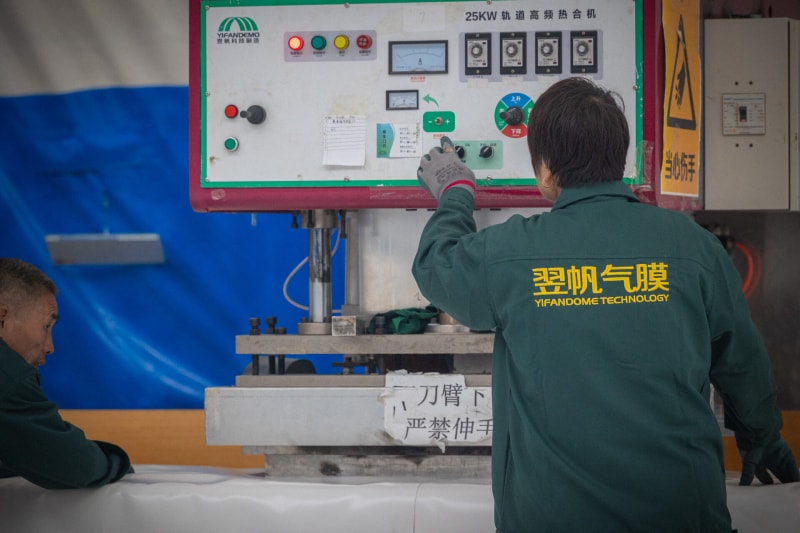
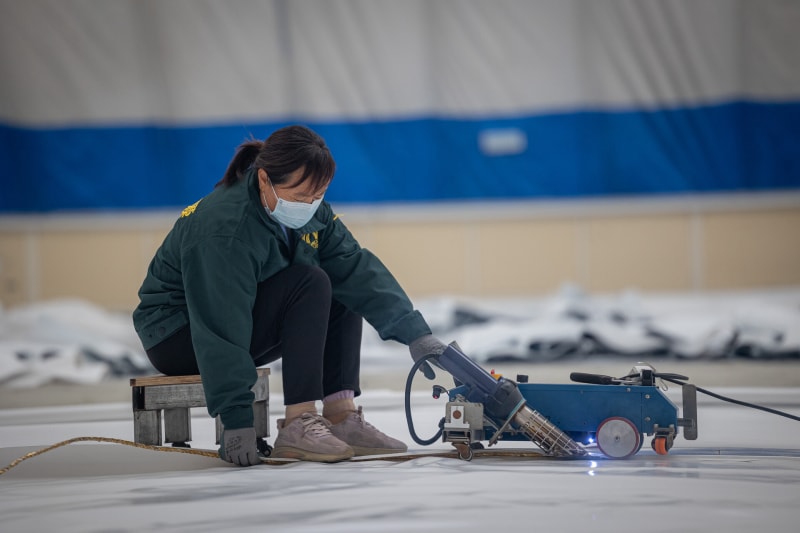
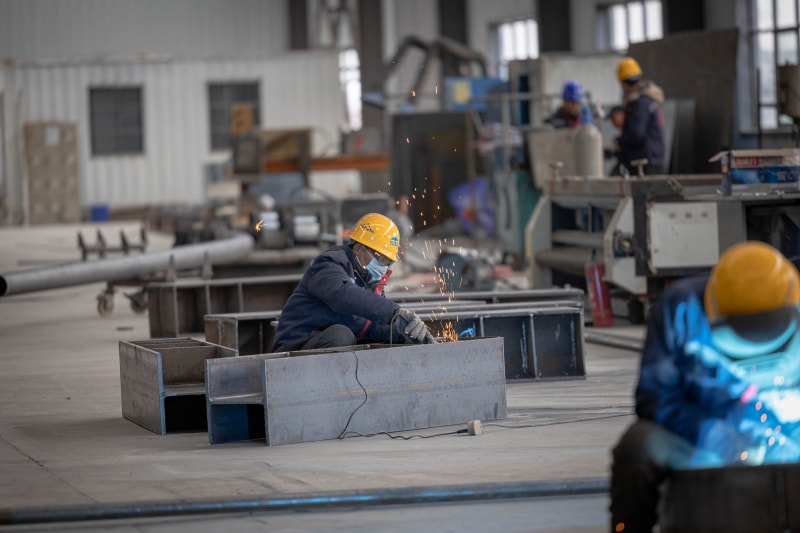
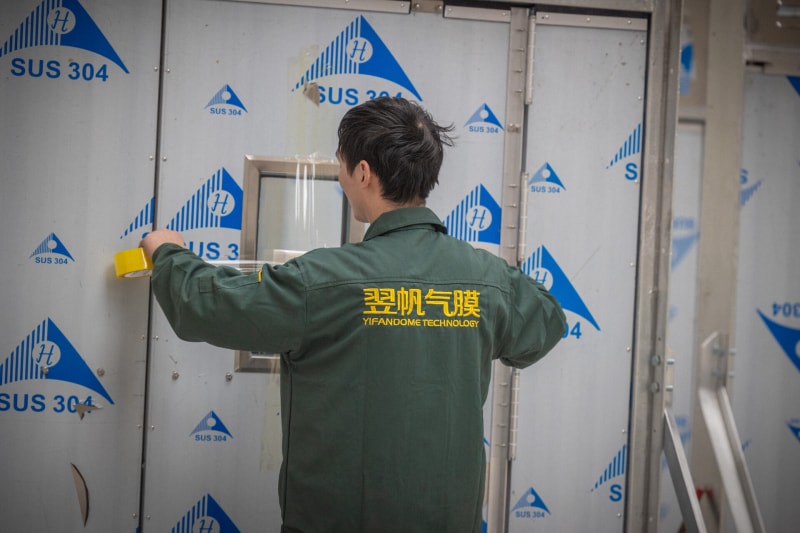
A comprehensive step-by-step look at our engineering, fabrication, and quality assurance processes.
By reducing structural steel consumption by up to 90%, air domes represent a significant reduction in upfront embodied carbon. When paired with solar panels and highly efficient HVAC heat pumps, the operational carbon footprint is minimized, meeting global standards for green building certifications.
As cities push for carbon neutrality, the design and engineering of air domes will increasingly focus on energy-recovery systems. Innovations in membrane materials, such as self-cleaning PVDF coatings with integrated thin-film photovoltaics, are transforming domes from energy consumers to energy producers.
Furthermore, the modular nature of modern air-supported structures means they can be easily disassembled, moved, and set up elsewhere with minimal site remediation. This versatility is highly prized in today's rapidly changing urban environments, ensuring that sports facilities can adapt dynamically to community demands and urban expansion plans.
In conclusion, building and construction engineering for all-weather badminton and basketball courts is no longer just about raising a roof. It is about creating smart, responsive, and sustainable environments that foster community wellness, maximize operational ROI, and withstand the challenges of a changing climate.