Leave Your Message
Deploying high-performance structural materials and advanced engineering processes tailored for rapid-assembly military temporary operational air domes.
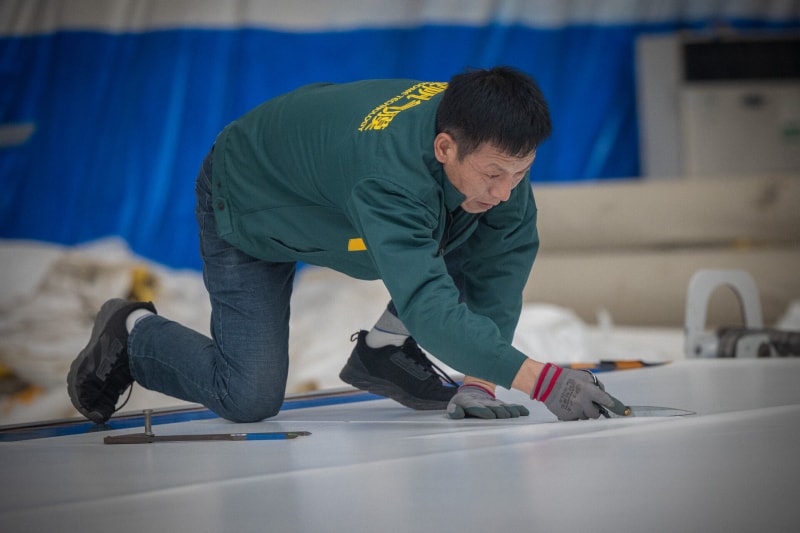
In modern defense logistics and tactical operations, the speed of deployment and structural resilience of base camps determine operational success. Traditional rigid-frame encampments and metal containers are increasingly being replaced by advanced air-supported membrane structures. Under the umbrella of Building and Construction Engineering for Military Temporary Operational Shelters, these structures represent a paradigm shift. Globally, defense organizations are seeking modular, energy-efficient, and rapidly deployable infrastructure capable of withstanding extreme environmental conditions while offering minimal logistical footprints.
The commercial market for military-grade temporary shelters has experienced exponential growth. Driven by geopolitical stabilization efforts, disaster relief operations, and remote peacekeeping missions, the demand for high-performance shelter engineering is at an all-time high. Modern military engineering departments require structures that can be transported in standard shipping containers and erected within hours by minimal personnel. Air-supported structures, or air domes, meet these stringent requirements by utilizing high-strength, lightweight polymers supported by continuous internal positive pressure, eliminating the need for heavy steel or wooden frames.
Military operational shelters must perform flawlessly in environments ranging from the sub-zero temperatures of the Arctic to the scorching heat of desert combat zones. Engineering designs incorporate multi-layer thermal insulation and specialized PVDF/PTFE coatings to reflect solar radiation and resist chemical degradation.
Time is a critical variable in military logistics. Air-supported temporary shelters can be inflated and fully pressurized within hours. The modular nature of these structures allows for immediate scaling, connecting multiple domes to form integrated command centers, barracks, or field hospitals.
The construction engineering of a military temporary air dome shelter involves complex calculations of aerodynamic wind loading, snow load distribution, and internal pressure dynamics. Unlike commercial air domes, military operational shelters require integrated redundancy systems. This includes backup inflation units, automatic pressure-sensing control systems, and emergency structural support frames that prevent collapse in the event of severe pressure loss.
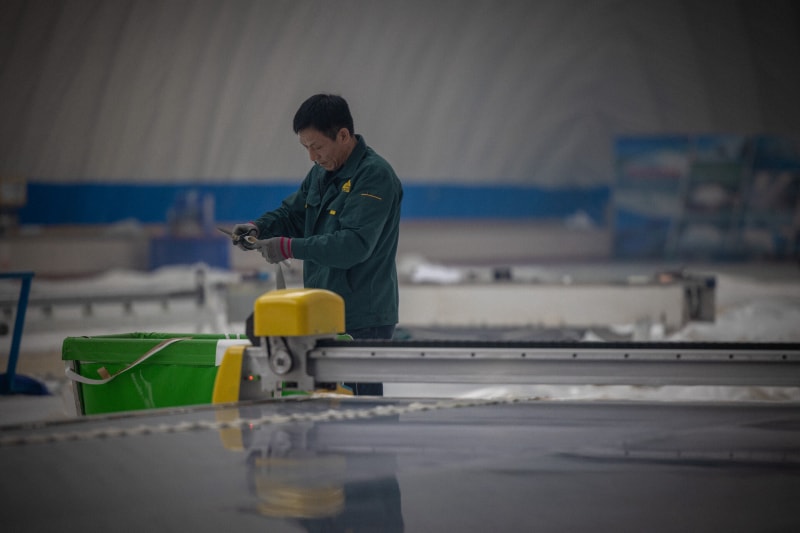
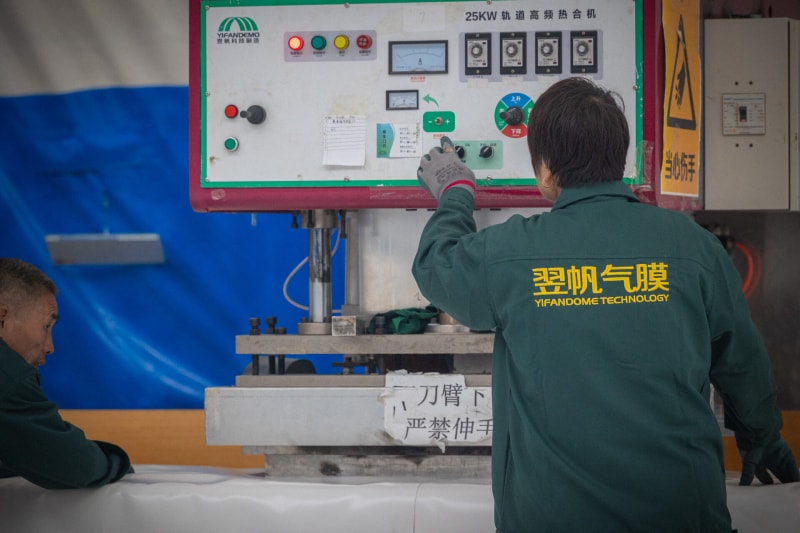
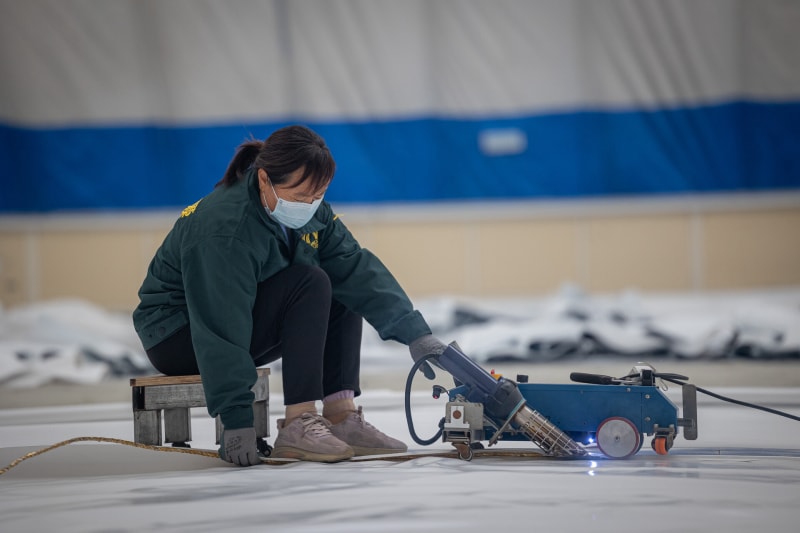
The core of the shelter lies in its membrane material. Engineers select composite fabrics with high tensile strength, tear resistance, and flame-retardant properties. These materials undergo rigorous testing for UV degradation, puncture resistance, and chemical exposure. High-frequency welding technology is employed to seal the panels, creating airtight, waterproof seams that distribute stress evenly across the dome surface.
Additionally, the integration of cable-net systems distributes external forces directly to the ground anchorage, allowing the dome to withstand hurricane-force winds up to Category 5. The lack of rigid internal columns maximizing the usable interior space for tactical vehicles, radar equipment, and command centers.
Modern military shelters are equipped with smart HVAC and air filtration systems. In hostile environments, maintaining clean air is paramount. Air-supported shelters can be engineered with positive-pressure CBRN (Chemical, Biological, Radiological, and Nuclear) filtration systems, ensuring that contaminated outdoor air cannot penetrate the living and working spaces. The continuous airflow also prevents condensation, a common issue in traditional military tents that can damage sensitive electronic equipment.
Yifan Air Dome is a high-tech enterprise dedicated to innovative, eco-friendly air-supported membrane structures and integrated air dome building solutions. As a leading integrated service provider in the application of membrane structure technology across China, we cover the full industrial chain of R&D, design, manufacturing, installation and full-cycle operation and maintenance, delivering high-efficiency, energy-saving and low-carbon sustainable building space solutions for global clients.
With years of deep cultivation in the air dome and membrane structure industry, we adhere to the development philosophy of green low-carbon, technological innovation and quality priority, and strictly comply with industrial construction and production standards. Supported by standardized production techniques and abundant experience in large-scale project implementation, we professionally customize various air domes, including sports stadiums, industrial warehouses, environmental enclosures, cultural tourism venues and exhibition membrane buildings, which are widely applied in sports fitness, industrial storage, environmental dust prevention, cultural tourism scenic spots and public supporting facilities.
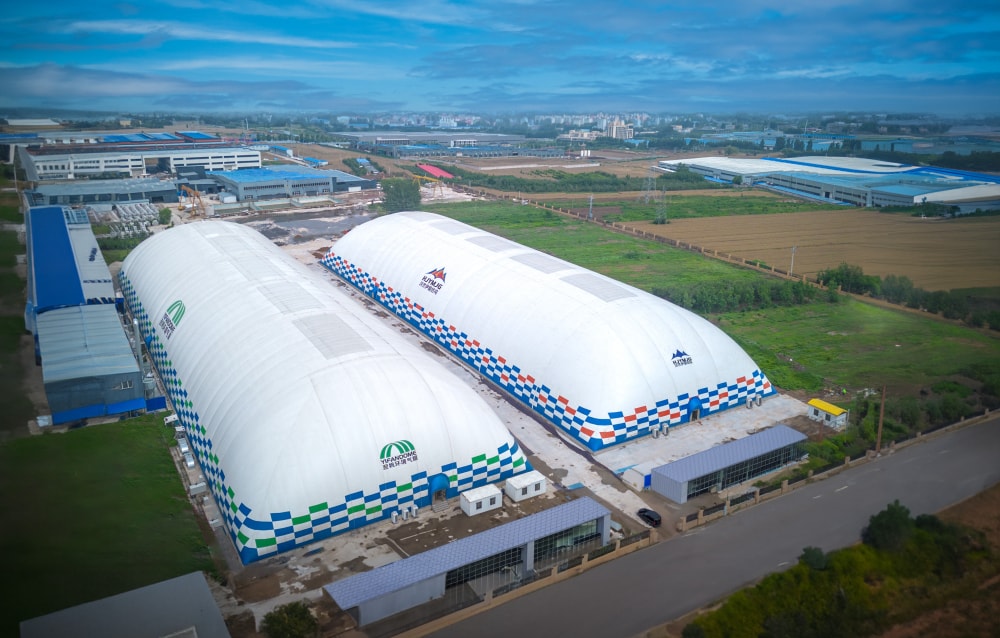
Taking modular innovation and environmental adaptation technology as our core philosophy, we focus on the R&D and scenario application of air dome buildings. Leveraging an advanced modular structure and robust environmental adaptability, we deliver core strengths including shorter construction cycles, cost-effectiveness, easy disassembly and relocation, and recyclable reuse. Our structures perfectly withstand complex weather and natural conditions such as snow, gale winds, heavy rain, high temperature and severe cold. We adhere to tailored solutions adapted to local conditions. Fully suited for diverse application scenarios, we comprehensively meet clients’ customized needs for personalized space utilization and engineering construction.
Moving forward, Yifan will further advance core technologies in air-supported structure innovation and environmental adaptability. By deeply cultivating the global market for membrane structures, the company aspires to become a leading international provider of comprehensive solutions for air-supported buildings. Leveraging green, low-carbon technologies to empower the transformation of architectural spaces, Yifan aims to create a new global ecosystem of modular air-supported structures—one that is safer, more energy-efficient, better adapted to diverse needs, and more sustainable.
The versatility of air-supported structures allows them to be deployed across a wide spectrum of military operations. Below, we analyze four critical scenarios where building and construction engineering plays a pivotal role in operational readiness.
In desert environments, intense solar heat and dust storms pose severe threats to personnel and machinery. Air domes engineered with double-walled thermal insulation and reflective outer coatings significantly reduce the thermal load, cutting cooling energy consumption by up to 40%. The positive internal pressure keeps fine sand and dust out of the dome, creating a clean environment for delicate maintenance tasks on aircraft and communication systems.
Sub-zero temperatures demand structures that retain heat and resist heavy snow loads. Construction engineering for Arctic air domes utilizes specialized low-temperature resistant polymers that do not crack under extreme cold. The curved shape of the air dome naturally sheds snow, while internal heating systems prevent ice accumulation on the outer skin, preventing structural overloading.
During humanitarian crises or conflict zones, establishing triage and surgical units quickly saves lives. Air domes can be partitioned into sterile surgical suites, wards, and pharmacies. Integrated air filtration systems ensure clean zone containment, preventing the spread of airborne pathogens. The absence of internal support beams allows medical personnel to arrange beds and equipment without structural constraints.
Large-span structures are typically difficult to transport and slow to build. An air dome hangar can accommodate helicopters, UAVs, and armored vehicles. Engineered with large-scale airtight vehicle airlocks, these structures allow vehicles to enter and exit without compromising internal pressure, maintaining a controlled environment for continuous field repairs.
The integration of cutting-edge technologies is transforming the building and construction engineering of military air domes. Key development trends include:
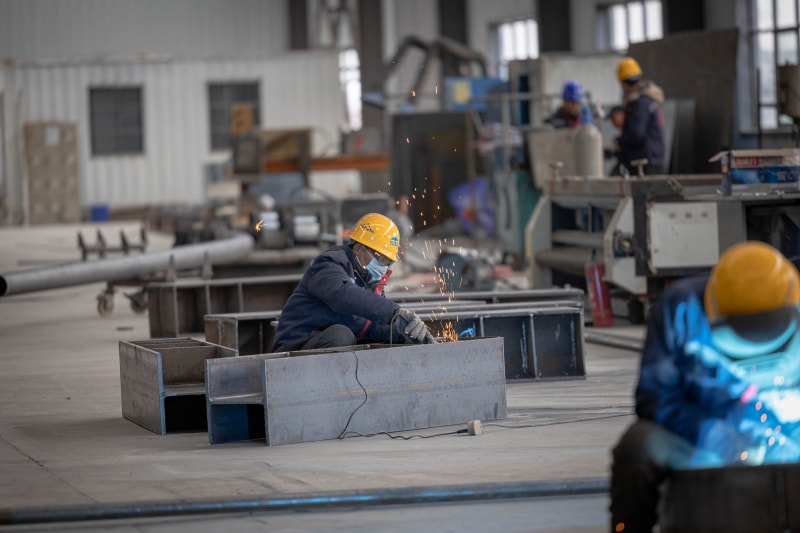
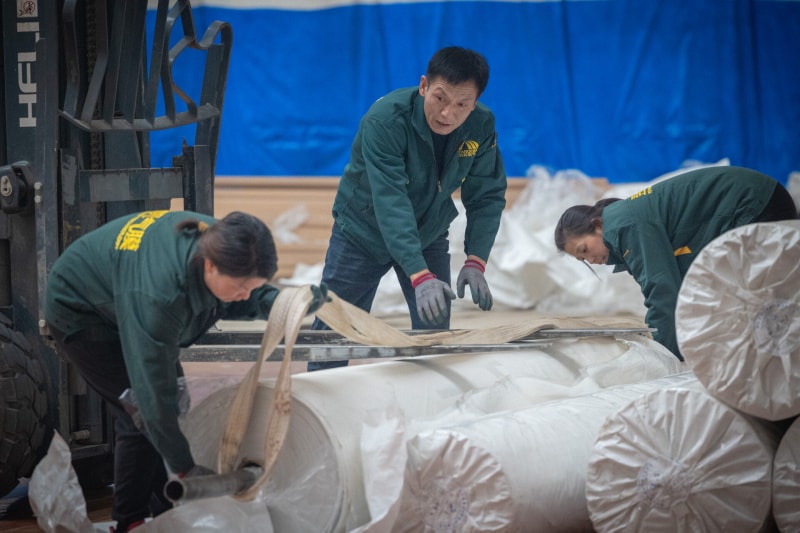
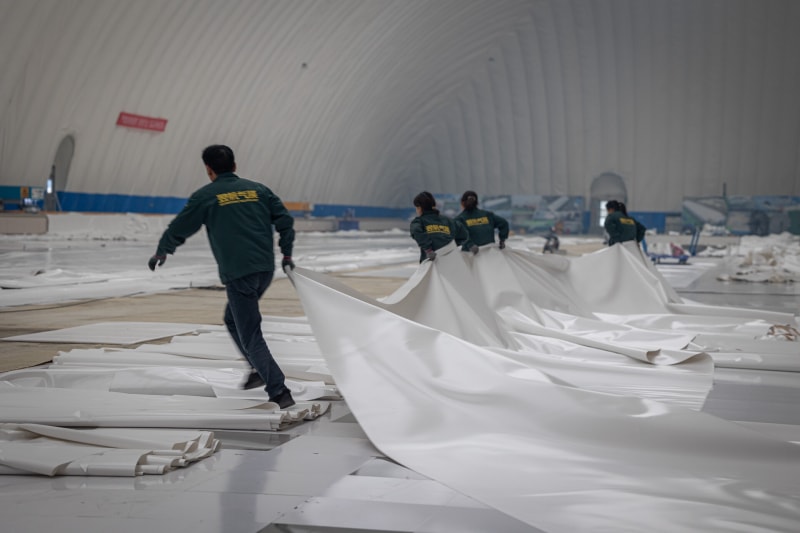
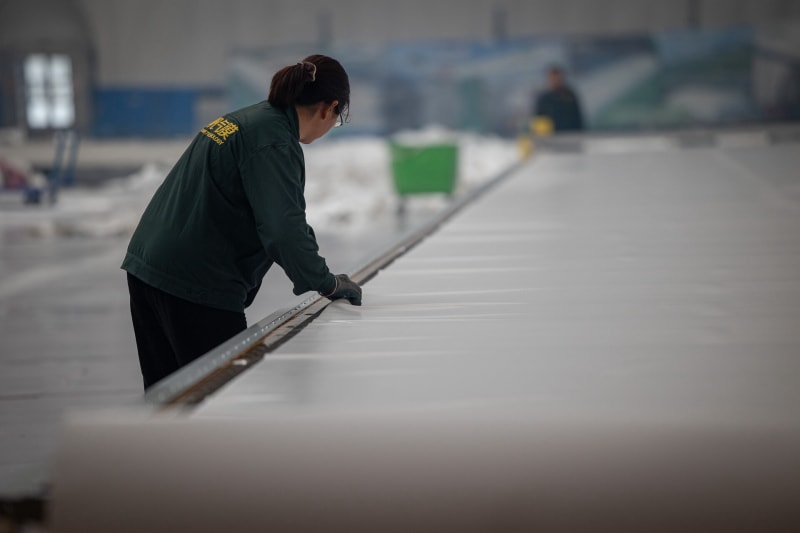
A systematic look into our manufacturing quality control, material preparation, and tactical assembly processes for air dome shelters.