
Leave Your Message
Engineered to withstand tropical climates, high humidity, and monsoon winds across Bangkok, Chonburi, and the EEC region.
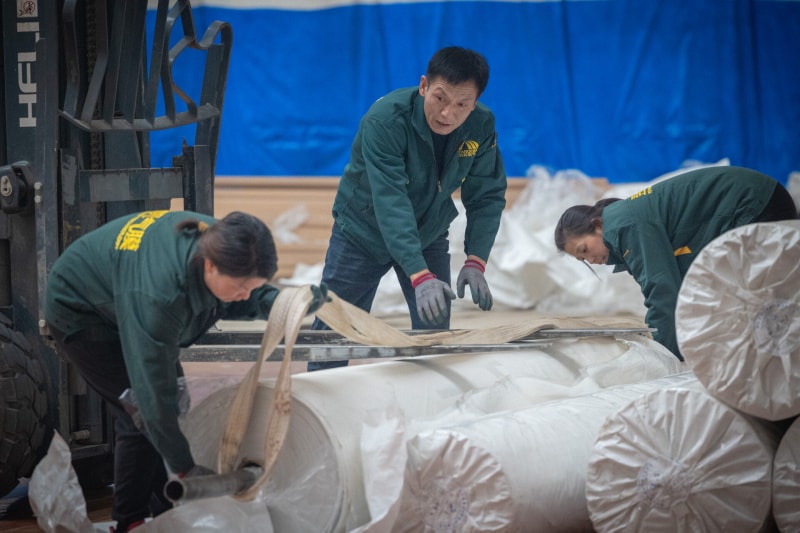
Sourcing high-durability, heat-reflective membrane materials customized to endure Thailand's intense solar radiation and high temperatures.
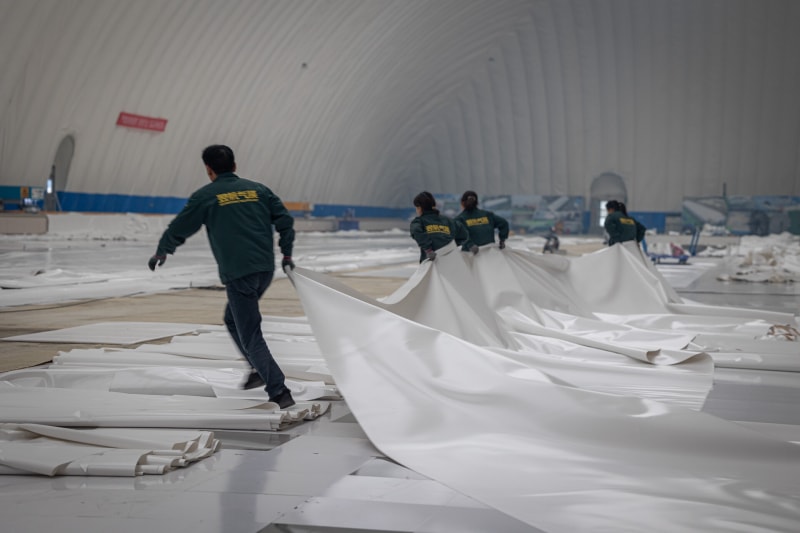
Advanced layout and deployment techniques optimized for large-scale industrial warehouses and logistical hubs in the Eastern Economic Corridor.
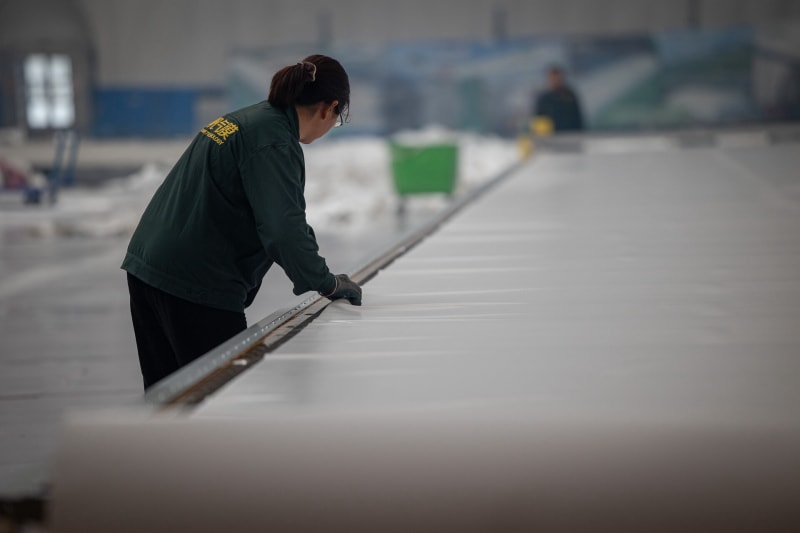
Integrating digital CAD/CAM files directly into automated cutting systems to ensure absolute dimensional accuracy for complex architectural designs.
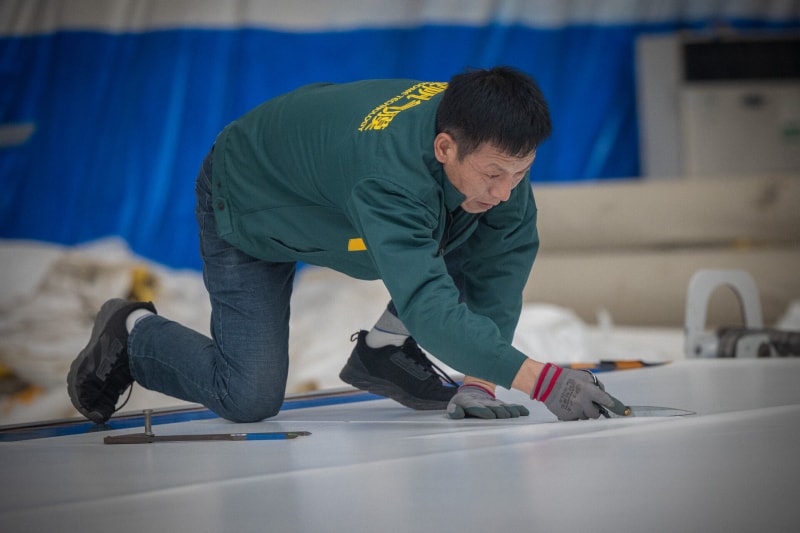
Precision hand-trimming to eliminate micro-imperfections, vital for ensuring high-strength welds capable of resisting tropical monsoon gusts.
Thailand's construction and engineering sector is undergoing a rapid technological evolution. With the government’s ambitious "Thailand 4.0" economic model and the continuous expansion of the Eastern Economic Corridor (EEC), the demand for smart, sustainable, and rapidly deployable infrastructure has reached an all-time high. Traditional concrete and steel structures, while robust, often face limitations regarding construction speed, high carbon footprints, and escalating raw material costs.
As a result, modern developers, industrial manufacturers, and municipal planners are turning to advanced structural solutions. Air-supported membrane structures, commonly known as air domes, have emerged as a disruptive technology. These systems offer unparalleled efficiency in space utilization, thermal management, and environmental protection, making them ideal for the hot and humid Thai climate.
From large-scale logistics warehouses in Samut Prakan to eco-friendly sports complexes in Chiang Mai and clean-room industrial enclosures in Rayong, the adoption of membrane structures represents the future of green building. By utilizing lightweight materials and intelligent pressure control systems, these structures drastically reduce energy consumption while providing safe, spacious environments.
Constructing in Thailand requires specialized engineering strategies to cope with extreme weather conditions. The region experiences prolonged rainy seasons, tropical monsoons, and high UV exposure throughout the year. Conventional buildings often suffer from moisture ingress, mold growth, and high cooling costs due to thermal transfer.
Our engineered air dome solutions address these challenges directly:
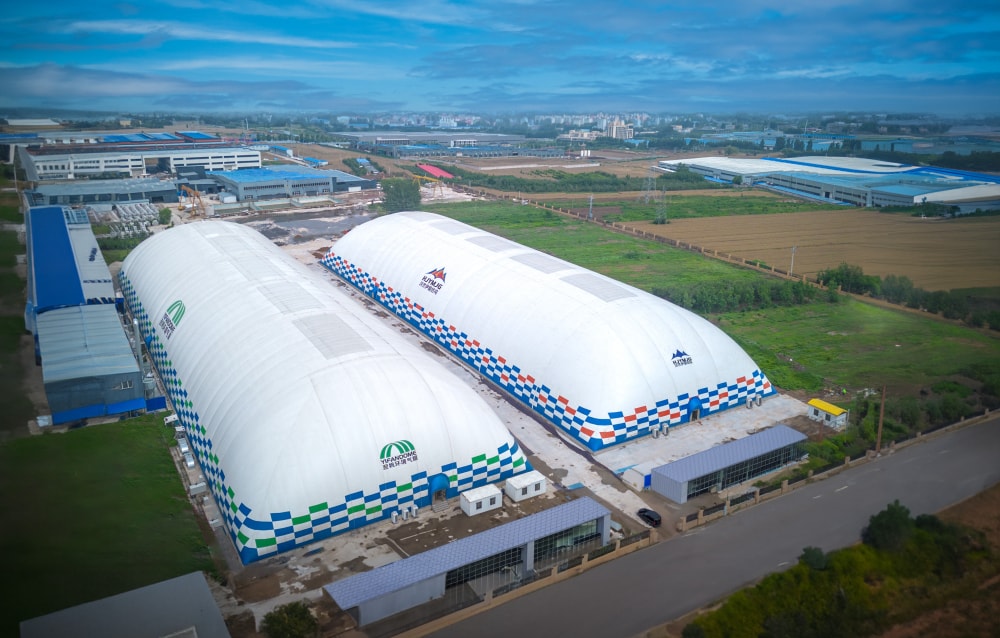
Yifan Air Dome is a high-tech enterprise dedicated to innovative, eco-friendly air-supported membrane structures and integrated air dome building solutions. As a leading integrated service provider in the application of membrane structure technology across China, we cover the full industrial chain of R&D, design, manufacturing, installation and full-cycle operation and maintenance, delivering high-efficiency, energy-saving and low-carbon sustainable building space solutions for global clients.
With years of deep cultivation in the air dome and membrane structure industry, we adhere to the development philosophy of green low-carbon, technological innovation and quality priority, and strictly comply with industrial construction and production standards. Supported by standardized production techniques and abundant experience in large-scale project implementation, we professionally customize various air domes, including sports stadiums, industrial warehouses, environmental enclosures, cultural tourism venues and exhibition membrane buildings, which are widely applied in sports fitness, industrial storage, environmental dust prevention, cultural tourism scenic spots and public supporting facilities.
Embracing digitalization, environmental regulations, and intelligent automation for structural longevity.
As cities like Bangkok and Pattaya transition into smart city paradigms, the integration of IoT (Internet of Things) and AI in structural engineering has become essential. Modern air domes in Thailand are now equipped with AI-driven PLC control systems that monitor internal air pressure, temperature, and air quality in real-time. These systems automatically adjust performance based on external weather forecasts, ensuring structural safety while minimizing energy draw.
With Thailand targeting carbon neutrality by 2050, building regulations are tightening. Projects aiming for TREES (Thai Real Estate Environmental Evaluation System) or international LEED certifications are increasingly utilizing membrane structures. The low carbon footprint of manufacturing, transporting, and erecting an air dome makes it a highly attractive alternative to traditional high-emission materials like concrete and structural steel.
Flexibility is key in modern industrial planning. The ability to assemble, disassemble, and relocate structures allows Thai logistics and manufacturing businesses to adapt dynamically to market shifts. Modular air domes can be rapidly set up as temporary warehouses during peak harvest seasons (e.g., for rubber or rice storage) and relocated afterward, preserving land and capital resources.
Strict environmental enforcement by the Pollution Control Department (PCD) in Thailand requires industrial sites, coal yards, and waste treatment plants to control dust emissions. Air-supported membrane enclosures provide complete sealing, preventing particulate matter (PM2.5) from escaping into the surrounding environment, thus ensuring compliance with national environmental protection laws.
Tailored structural solutions serving diverse commercial, industrial, and recreational sectors across Thailand.
Providing massive, column-free storage spaces for petrochemicals, automotive logistics, and bulk agricultural goods in Rayong and Chonburi provinces.
Air-conditioned indoor arenas for badminton, football, and tennis, shielding athletes from heavy monsoon rains and extreme urban heat waves.
Aesthetic, light-transmitting membrane structures for eco-resorts, exhibition halls, and cultural performances, blending seamlessly with natural landscapes.
Sealed containment structures for waste management, water treatment facilities, and mineral processing sites near industrial zones.
Our standardized, high-tech manufacturing pipeline tailored for building and construction engineering projects in Southeast Asia.
Selecting premium PVDF/PTFE membrane materials with high thermal resistance and self-cleaning coatings suitable for tropical climates.
Unrolling and alignment of large-span membrane segments in clean, controlled workshop environments to prevent contamination.
Importing precise architectural CAD blueprints into automated cutting systems for zero-error dimensional profiling.
Manual inspectorial trimming to remove exposed structural fibers, securing clean and air-tight welded seams.
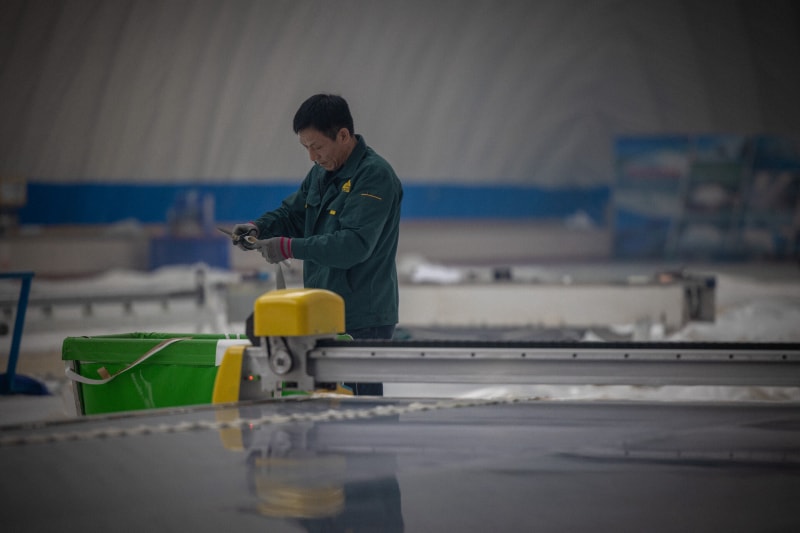
Integrating high-strength reinforcement strips along stress lines to distribute tensile load evenly across the dome surface.
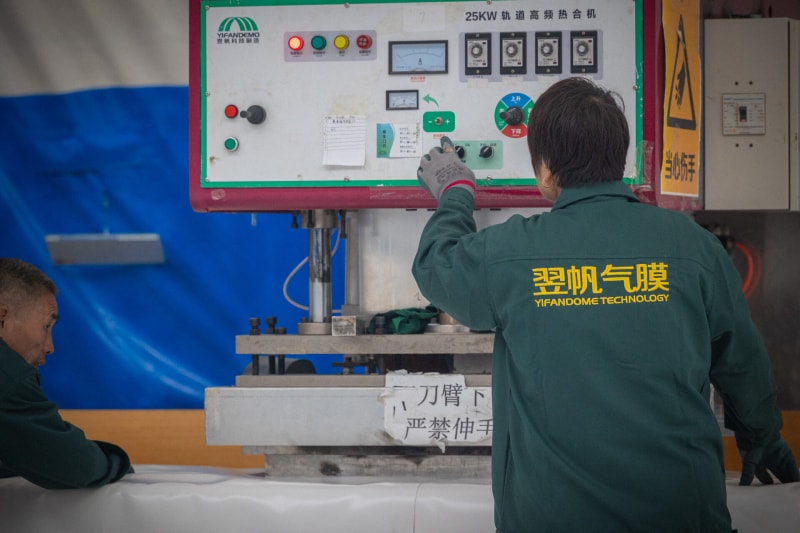
Utilizing high-frequency electromagnetic welding tracks to fuse membrane panels, creating a seam stronger than the parent material.
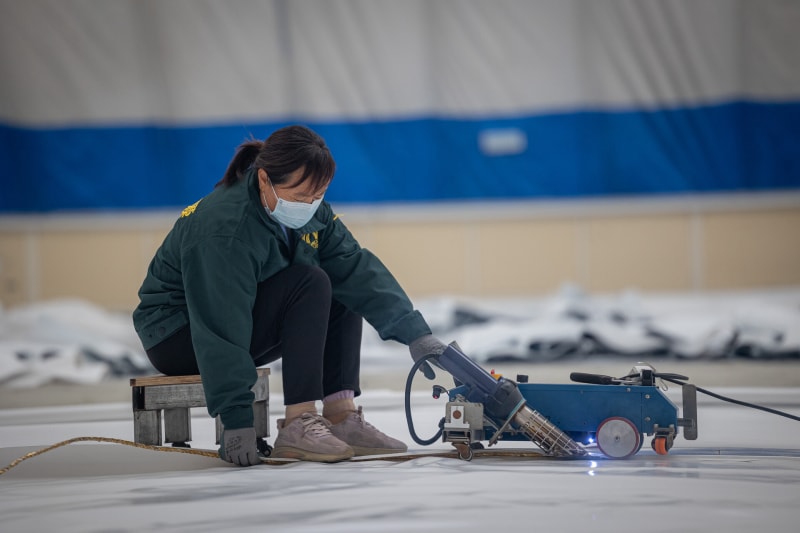
Welding dedicated rope channels along the perimeter using specialized compact heat sealers for anchoring integrity.
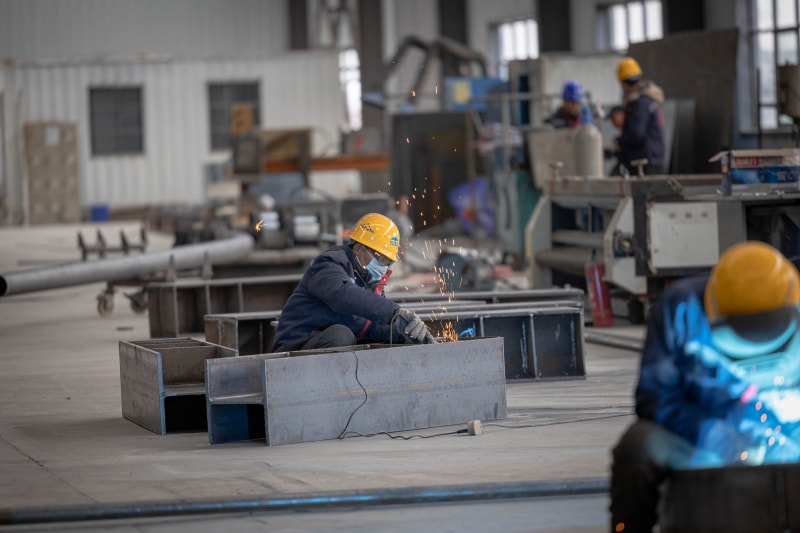
Fabrication of corrosion-resistant aluminum alloy clamps, airtight doors, window frames, and specialized inflation piping systems.