Leave Your Message
Indonesia, as the largest economy in Southeast Asia, is undergoing a massive industrial transformation. From the rapid expansion of logistics networks across Java to the booming mining sectors in Sulawesi and Kalimantan, the demand for fast, cost-effective, and scalable space solutions has never been higher. With the development of the new capital city, Nusantara (IKN), the Indonesian government is heavily promoting green building technologies and sustainable infrastructure.
Traditional steel-structured warehouses and sports arenas face significant challenges in Indonesia. The country's tropical climate features high temperatures, intense humidity, heavy monsoon rains, and corrosive coastal air. Additionally, Indonesia sits directly on the Pacific Ring of Fire, making seismic safety a critical factor for any construction project. Traditional concrete and steel buildings require long construction cycles, heavy foundations, and high maintenance costs to combat rust and structural wear.
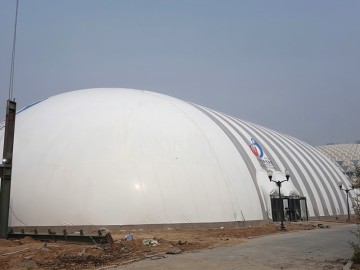
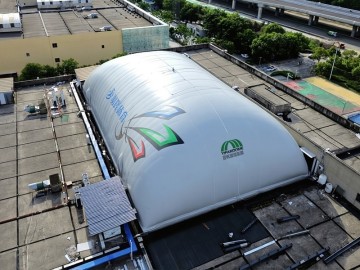
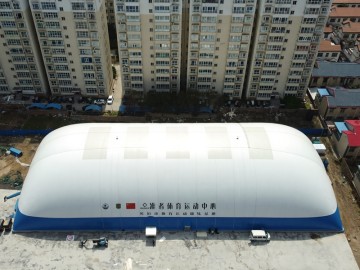
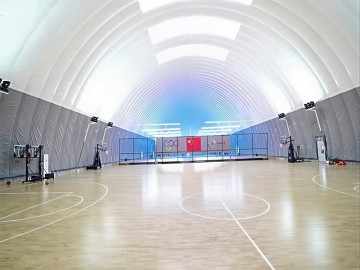
Badminton is Indonesia’s national pride, and basketball is growing rapidly among the youth. However, playing outdoors is often disrupted by sudden tropical downpours or extreme heat. Traditional indoor stadiums are expensive to cool. Yifan’s anti-glare, air-supported sports domes provide a perfectly climate-controlled environment with diffuse lighting, preventing glare for players and keeping energy cooling costs up to 40% lower than traditional structures.
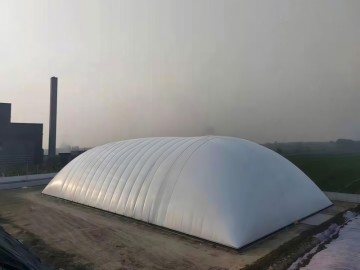
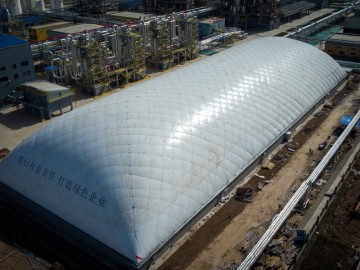
With strict environmental regulations being implemented by the Indonesian Ministry of Environment and Forestry (KLHK), open-air mineral and coal stockpiles are facing pressure to cover their operations. Air domes offer spans of up to 180 meters without any internal pillars, allowing heavy machinery to operate freely inside. They effectively contain dust and prevent rainwater from washing away valuable industrial materials.
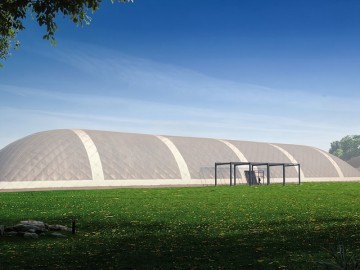
Agriculture remains a cornerstone of the Indonesian economy. High-transparency eco-agricultural air domes allow optimized light transmission while protecting crops from extreme weather, pests, and heavy rains. Additionally, they can be configured for cold-chain storage to preserve fresh produce across the archipelago.
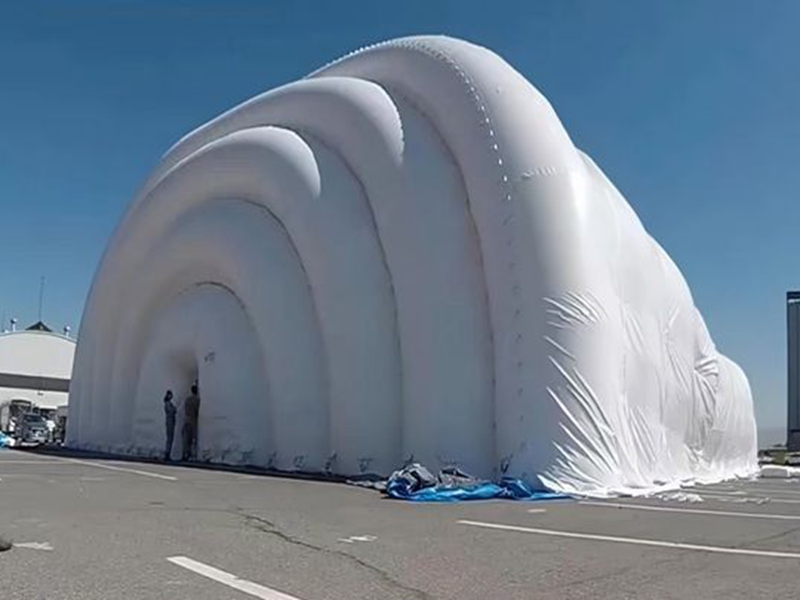
As an archipelagic nation, air transport is vital for Indonesia. Prefabricated air membrane aviation hangars can be rapidly deployed on remote islands to provide immediate shelter for aircraft maintenance, military logistics, or disaster relief operations.
The construction industry in Southeast Asia is shifting rapidly toward modularity, speed, and sustainability. Air dome technology represents the cutting edge of this shift. Modern air domes are no longer just "inflatable tents"; they are smart, AI-driven architectural systems integrated with real-time pressure sensors, automated backup generators, and energy-efficient HVAC systems.
In Indonesia, the adoption of green building certifications (such as GREENSHIP) is pushing developers to seek materials with low carbon footprints. Air supported structures require significantly less energy to manufacture and transport compared to steel and concrete. Moreover, at the end of their lifespan, the membrane materials are fully recyclable, and the land can be restored to its original state without leaving permanent concrete ruins.
Yifan Air Dome is a high-tech enterprise dedicated to innovative, eco-friendly air-supported membrane structures and integrated air dome building solutions. As a leading integrated service provider in the application of membrane structure technology across China, we cover the full industrial chain of R&D, design, manufacturing, installation and full-cycle operation and maintenance, delivering high-efficiency, energy-saving and low-carbon sustainable building space solutions for global clients.
With years of deep cultivation in the air dome and membrane structure industry, we adhere to the development philosophy of green low-carbon, technological innovation and quality priority, and strictly comply with industrial construction and production standards. Supported by standardized production techniques and abundant experience in large-scale project implementation, we professionally customize various air domes, including sports stadiums, industrial warehouses, environmental enclosures, cultural tourism venues and exhibition membrane buildings, which are widely applied in sports fitness, industrial storage, environmental dust prevention, cultural tourism scenic spots and public supporting facilities.
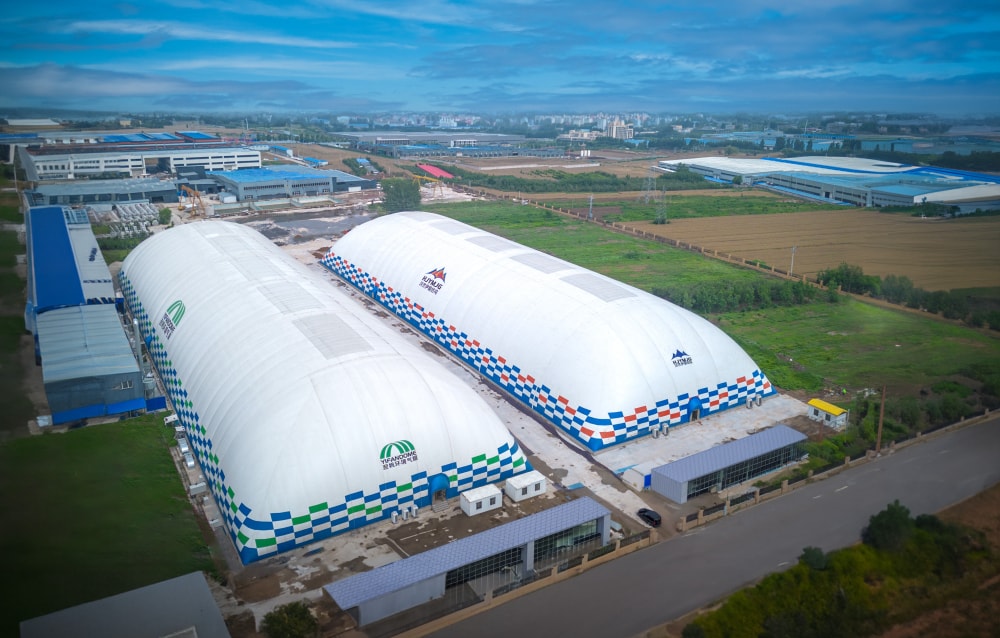
Taking modular innovation and environmental adaptation technology as our core philosophy, we focus on the R&D and scenario application of air dome buildings. Leveraging an advanced modular structure and robust environmental adaptability, we deliver core strengths including shorter construction cycles, cost-effectiveness, easy disassembly and relocation, and recyclable reuse. Our structures perfectly withstand complex weather and natural conditions such as snow, gale winds, heavy rain, high temperature and severe cold. We adhere to tailored solutions adapted to local conditions. Fully suited for diverse application scenarios, we comprehensively meet clients’ customized needs for personalized space utilization and engineering construction.
Moving forward, Yifan will further advance core technologies in air-supported structure innovation and environmental adaptability. By deeply cultivating the global market for membrane structures, the company aspires to become a leading international provider of comprehensive solutions for air-supported buildings. Leveraging green, low-carbon technologies to empower the transformation of architectural spaces, Yifan aims to create a new global ecosystem of modular air-supported structures—one that is safer, more energy-efficient, better adapted to diverse needs, and more sustainable.
We follow a strict, high-tech manufacturing process to ensure that every air dome exported to Indonesia meets international safety and quality standards.
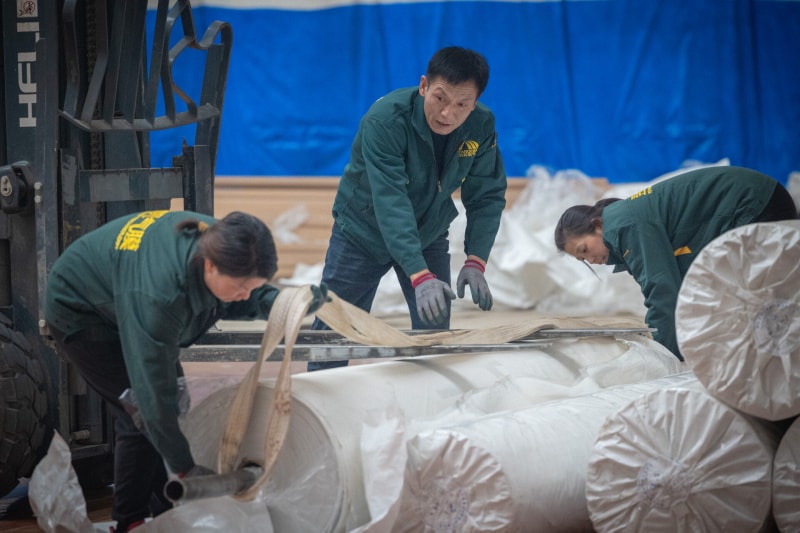
Select the customized membrane material based on local weather conditions.
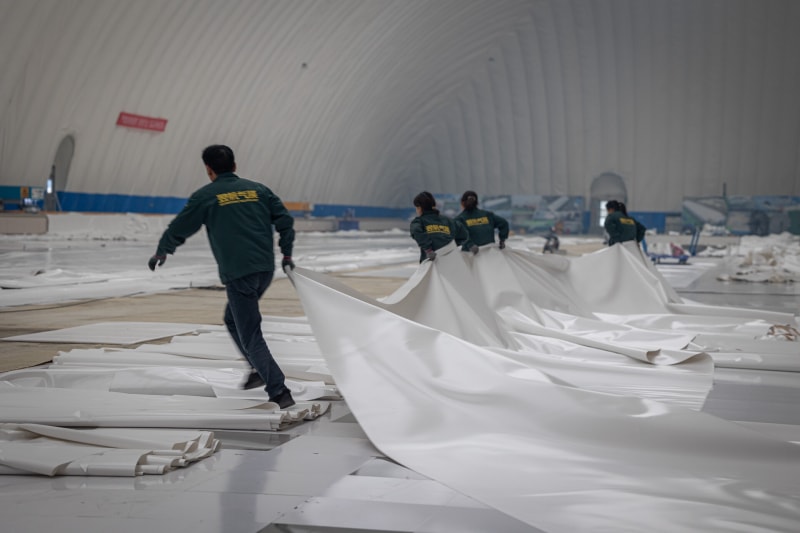
Deploy the membrane material in our dust-free, temperature-controlled factory.
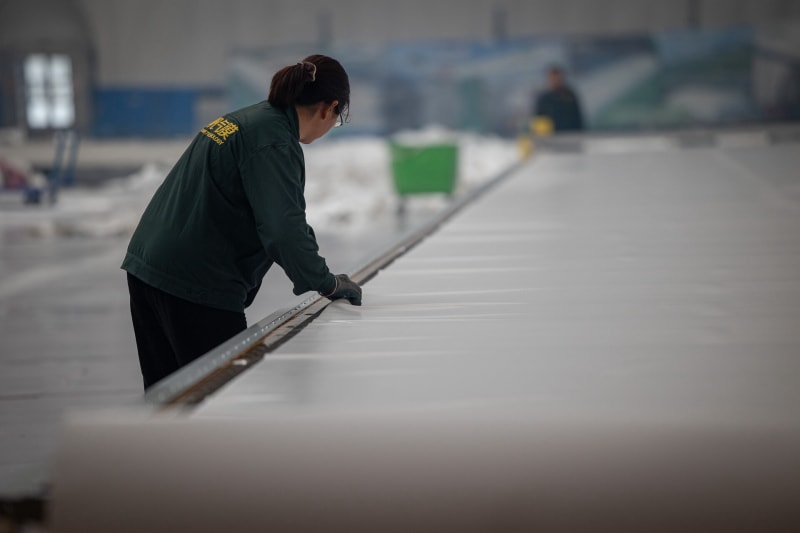
Lay the membrane material on the automated cutting machine and import flat design drawings.
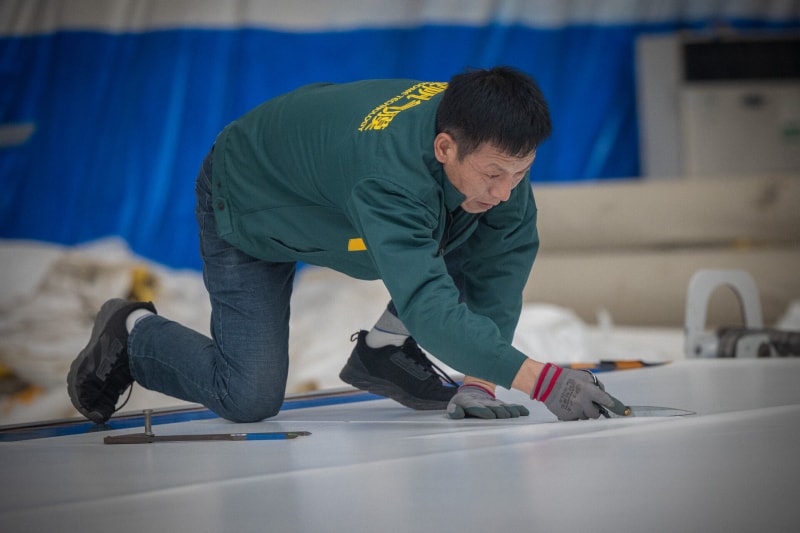
Manually trim the edges of the membrane material again to remove exposed fibers and ensure a secure weld.
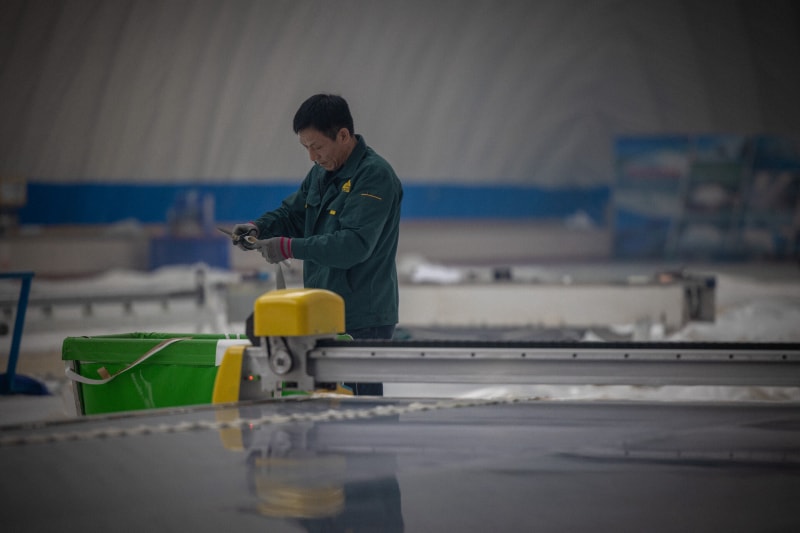
Cutting, Splicing, and Reinforcement Strips for high wind resistance.
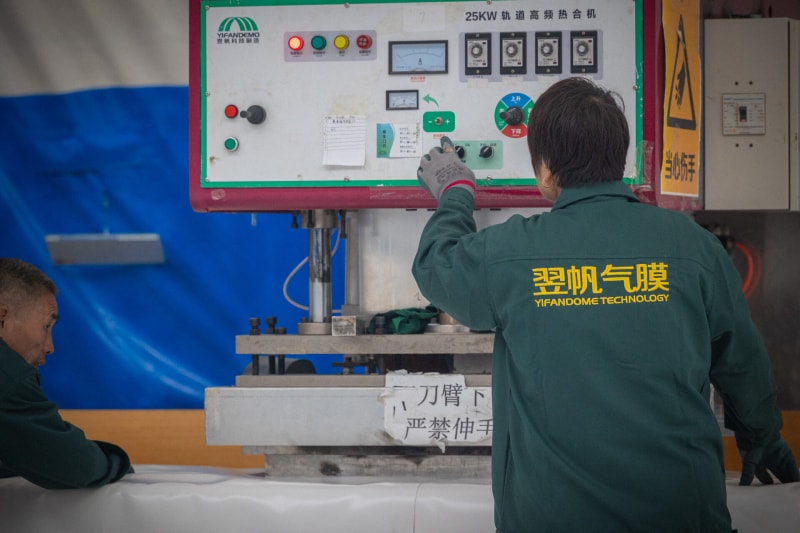
Workers arrange the membrane materials and weld them using track-type high-frequency heat-sealing.
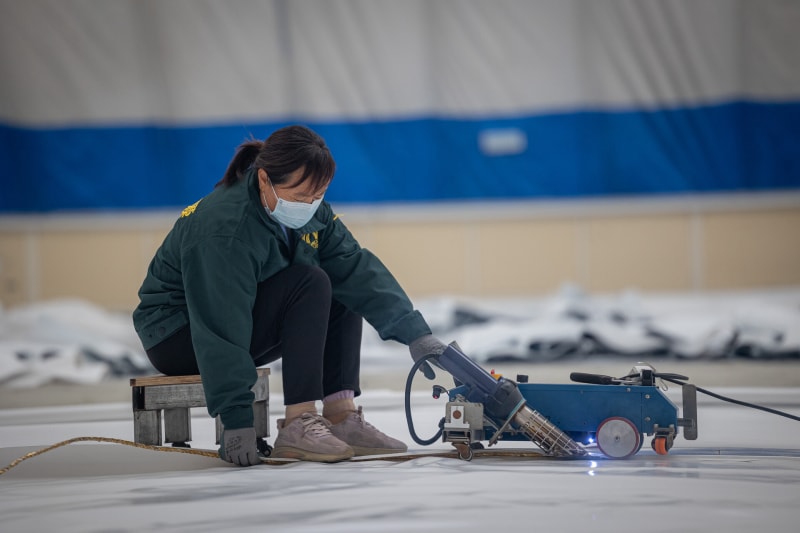
Small Hot Sealer Welding Rope Channel for secure structural anchoring.
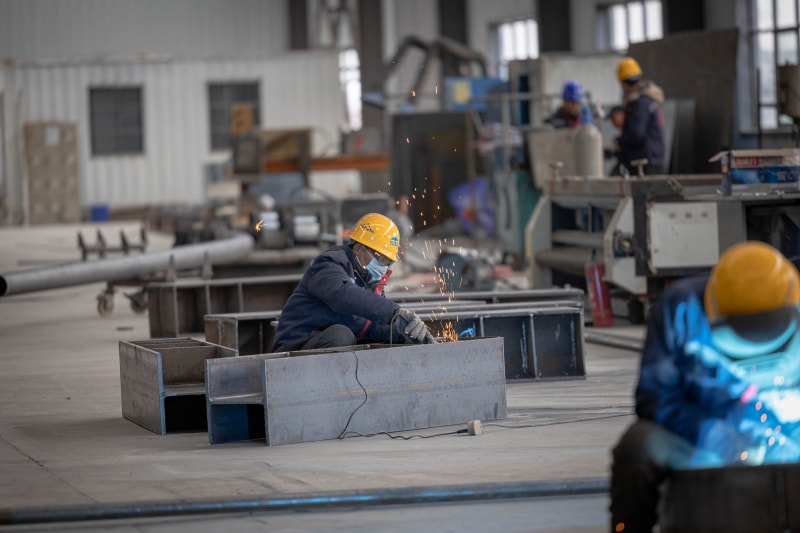
Manufacturing aluminum alloy clamps, door and window fittings, and inflatable pipes.
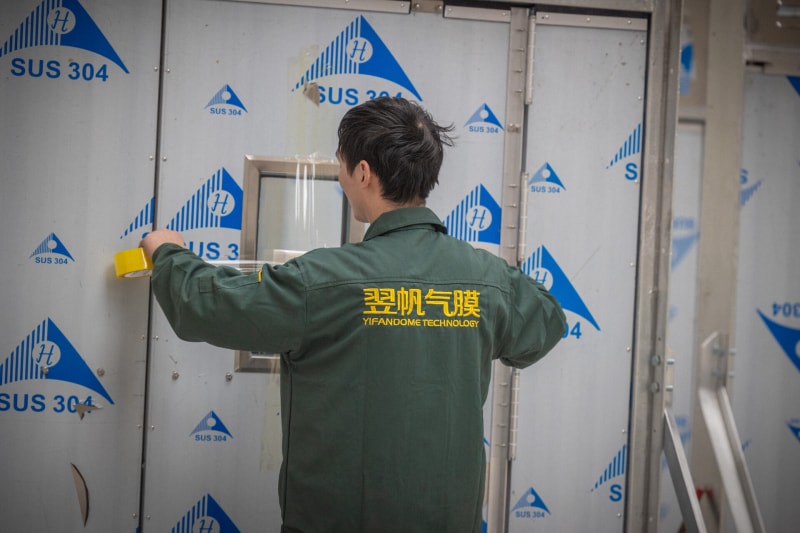
Check the product, pack it, and prepare for safe maritime transportation to Indonesia.