




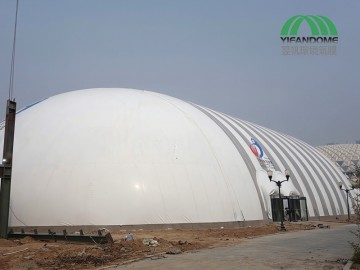
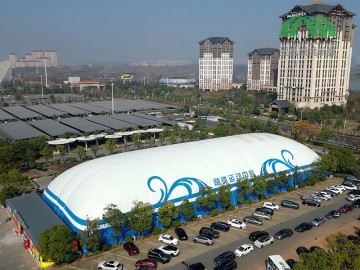
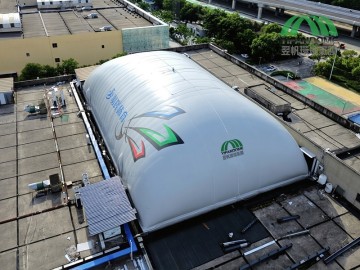
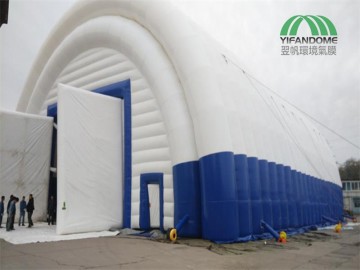
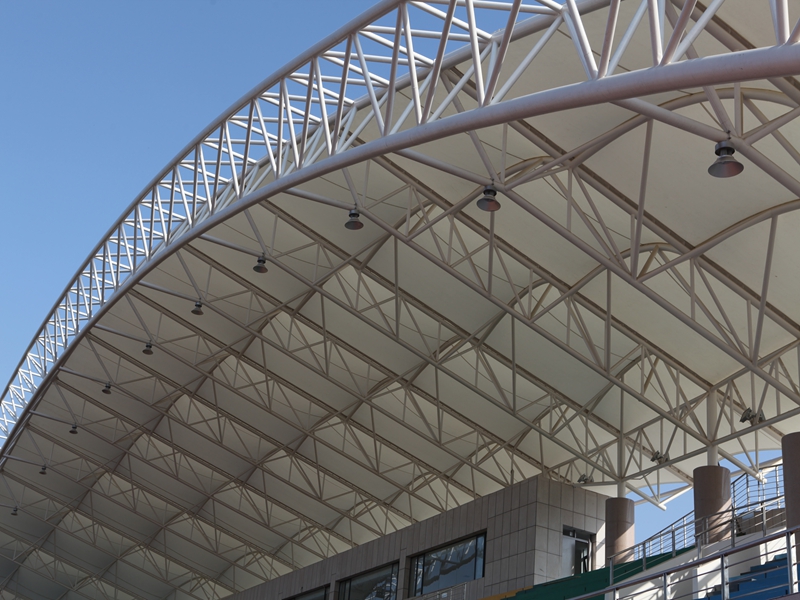
China Suppliers Factory for Lightweight Steel-Membrane Structure for Stadium Grandstands with Elegant Design
Parameters
| Name | Steel-Membrane Structure for Stadium |
| Span | Up to 130 m |
| Material | PVDF Coated Polyester Fabric (Fire Rating: Class B1) |
| Build Time | Ready to use in 7-20 days |
| Wind Resistance | Up to Level 12 (optimizable to Level 13) |
| Temperature | -40℃~60℃ |
| Lifespan | >25 Years (Regular maintenance) |
Details
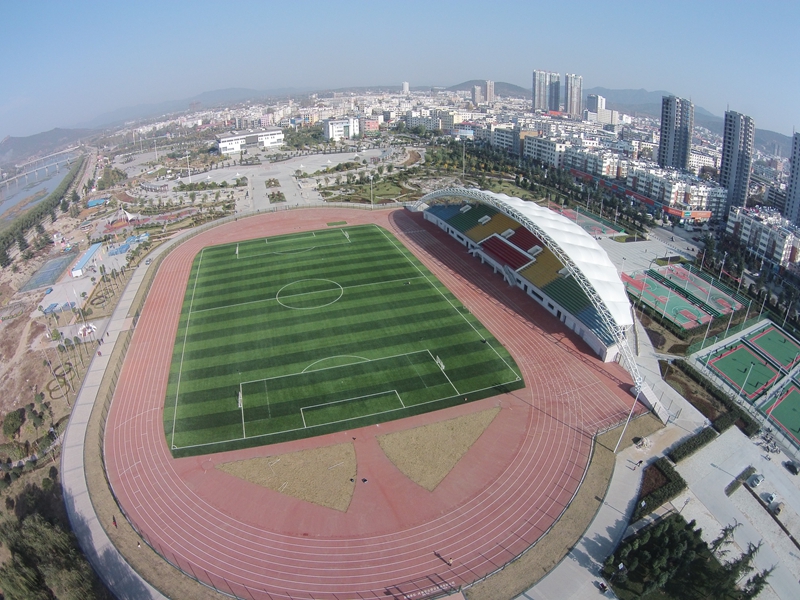
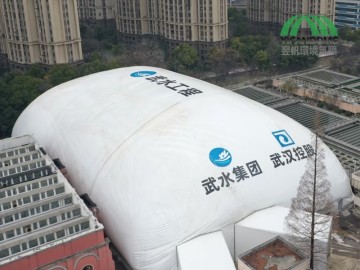
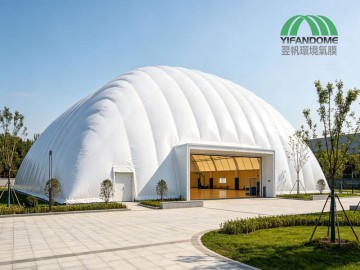
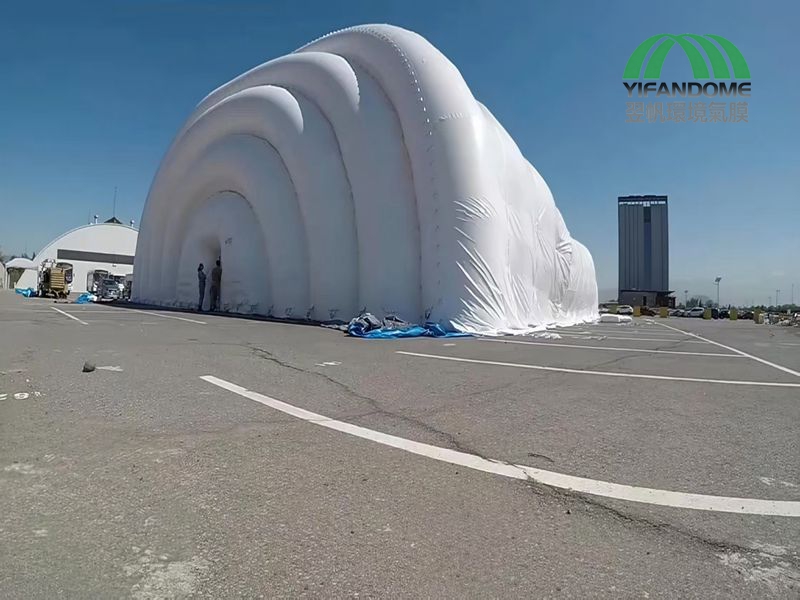
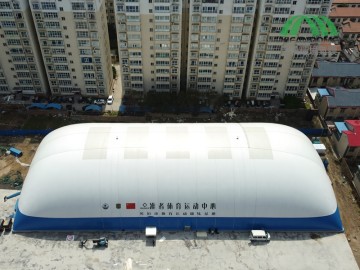
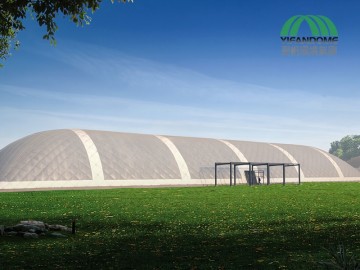
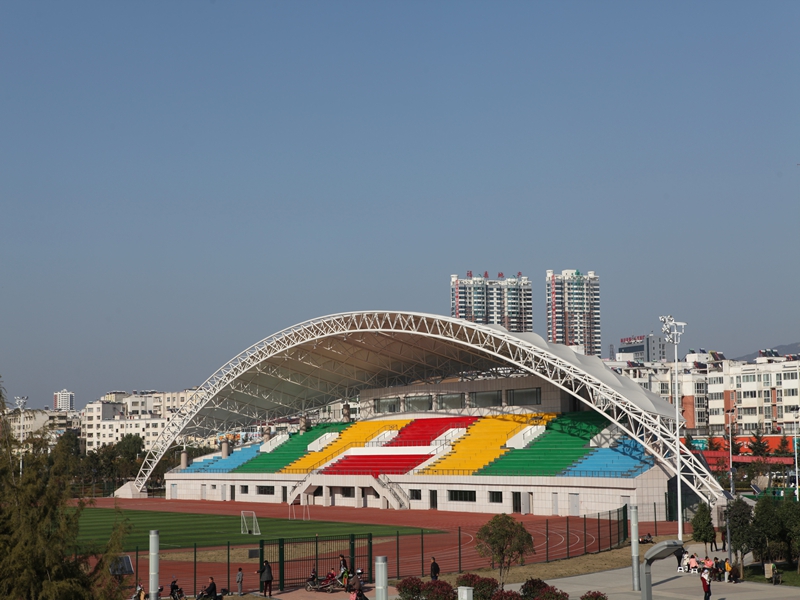
Long-span steel-membrane structure
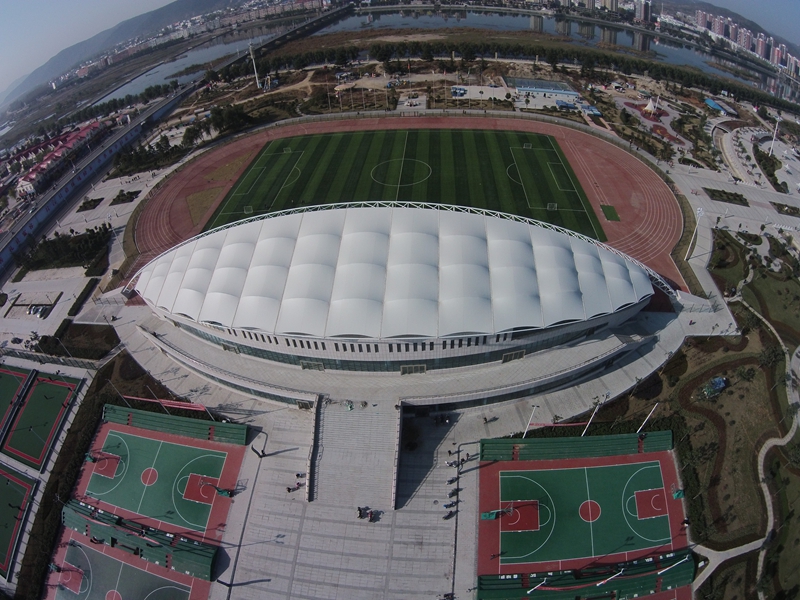
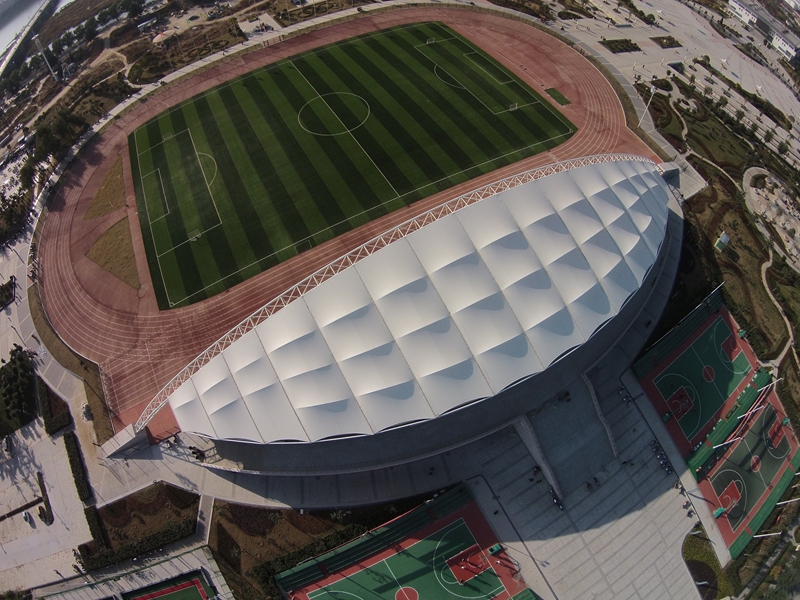
Pristine Steel-Membrane Structure
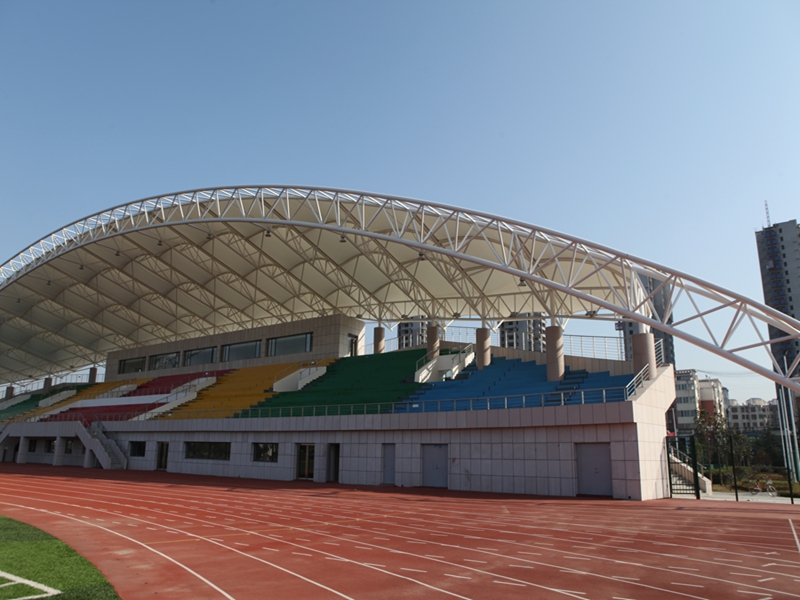
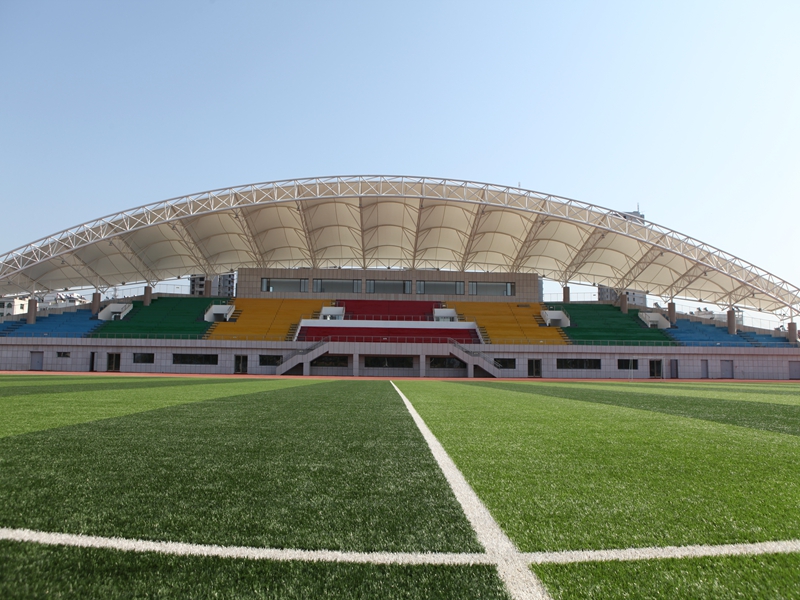
Fully covered grandstand with steel membrane
Other Advantages
Application Scenarios
Construct stadium stands and natural lighting canopies to provide a safe, healthy campus environment.
Easily install infrastructure like rest stations without being limited by the inability to build complex foundations in scenic spots.
Rapidly build cost-effective, large-span semi-open spaces to help enhance corporate image.
Quickly complete urban coverage projects, minimizing the impact on traffic and residents' daily lives.
FAQ
Yes. Their lightweight and modular design allows them to be disassembled and reassembled like "building blocks." However, this requires ensuring that the new site's foundation dimensions, anchor points, and climate conditions match the original design.
Generally, yes. They can easily handle rainstorms thanks to their scientifically designed curved drainage systems. As for hail, safety is ensured by using double-layer buffering or high-strength composite membrane materials.
Small areas of damage can be quickly resolved with on-site heat welding repairs; larger damaged sections require replacing the specific membrane unit.
The structure is built to last. With regular maintenance, it offers a lifespan of over 25 years while maintaining its structural integrity and aesthetic appeal.
It is highly efficient. All components are prefabricated in the factory, allowing the structure to be fully assembled and ready for use on-site within 7 to 20 days.
It is engineered for extreme weather, offering wind resistance up to Level 12 (optimizable to Level 13) and a functional temperature tolerance ranging from -40℃ to 60℃.