Leave Your Message
Explore our top-tier, high-performance air-supported structures customized for the unique environmental and commercial demands of the Philippine market.
Yifan Air Dome is a high-tech enterprise dedicated to innovative, eco-friendly air-supported membrane structures and integrated air dome building solutions. As a leading integrated service provider in the application of membrane structure technology across China, we cover the full industrial chain of R&D, design, manufacturing, installation and full-cycle operation and maintenance, delivering high-efficiency, energy-saving and low-carbon sustainable building space solutions for global clients.
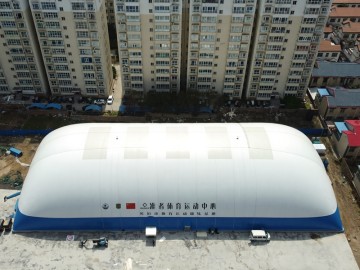
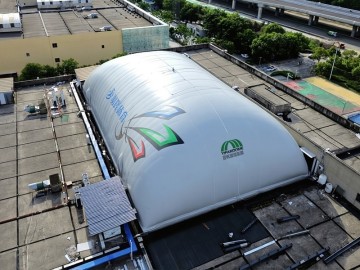
With years of deep cultivation in the air dome and membrane structure industry, we adhere to the development philosophy of green low-carbon, technological innovation and quality priority, and strictly comply with industrial construction and production standards. Supported by standardized production techniques and abundant experience in large-scale project implementation, we professionally customize various air domes, including sports stadiums, industrial warehouses, environmental enclosures, cultural tourism venues and exhibition membrane buildings, which are widely applied in sports fitness, industrial storage, environmental dust prevention, cultural tourism scenic spots and public supporting facilities.
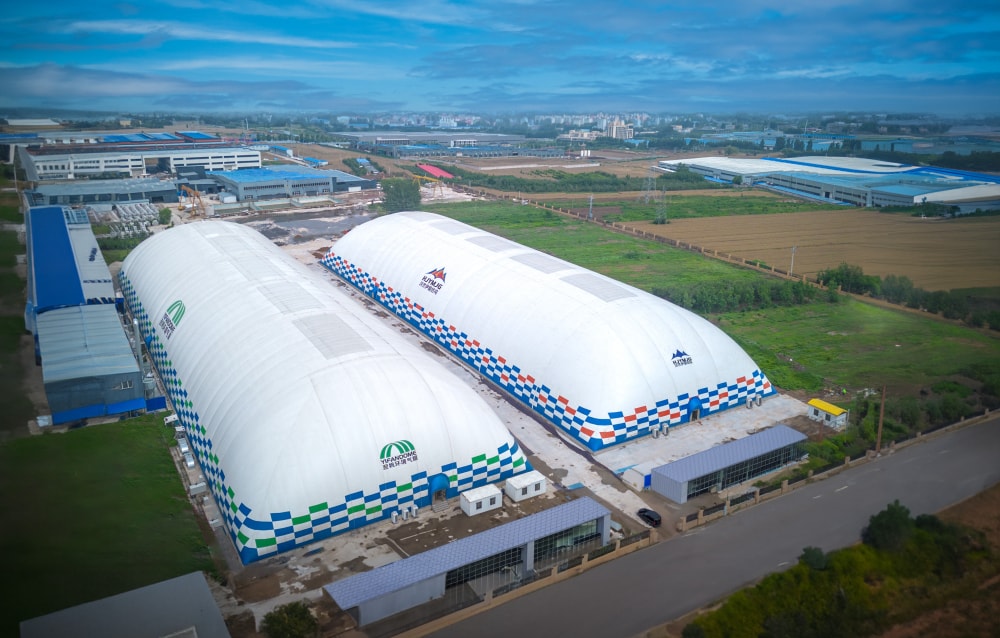
Taking modular innovation and environmental adaptation technology as our core philosophy, we focus on the R&D and scenario application of air dome buildings. Leveraging an advanced modular structure and robust environmental adaptability, we deliver core strengths including shorter construction cycles, cost-effectiveness, easy disassembly and relocation, and recyclable reuse. Our structures perfectly withstand complex weather and natural conditions such as snow, gale winds, heavy rain, high temperature and severe cold. We adhere to tailored solutions adapted to local conditions. Fully suited for diverse application scenarios, we comprehensively meet clients’ customized needs for personalized space utilization and engineering construction.
Moving forward, Yifan will further advance core technologies in air-supported structure innovation and environmental adaptability. By deeply cultivating the global market for membrane structures, the company aspires to become a leading international provider of comprehensive solutions for air-supported buildings. Leveraging green, low-carbon technologies to empower the transformation of architectural spaces, Yifan aims to create a new global ecosystem of modular air-supported structures—one that is safer, more energy-efficient, better adapted to diverse needs, and more sustainable.
Analyzing the rapid growth and industrial adoption of air-supported membrane technology in Southeast Asia's dynamic archipelago.
The Philippines is experiencing an unprecedented boom in commercial real estate, sports infrastructure, and industrial logistics. In key metropolitan areas like Metro Manila, Metro Cebu, Davao, and Clark, developers and industrial operators are constantly seeking cost-effective, rapid-build architectural solutions. Traditional concrete and steel buildings require substantial capital expenditure, lengthy permitting processes, and extended construction timelines. This is where the Entertainment Inflatable Air Dome represents a paradigm shift.
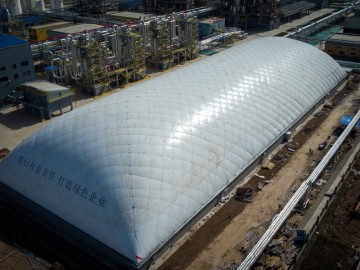
Industrially, the Philippines is a major logistics hub in Southeast Asia. With the rise of e-commerce and manufacturing zones in Calabarzon (Cavite, Laguna, Batangas, Rizal, Quezon) and Central Luzon, the demand for large-span, column-free warehousing has surged. Air domes offer massive, unobstructed interior spaces ideal for bulk storage, manufacturing, and distribution centers. Furthermore, the country's strict environmental regulations regarding dust control and industrial emissions make air-supported domes the perfect eco-friendly solution for waste processing and raw material storage.
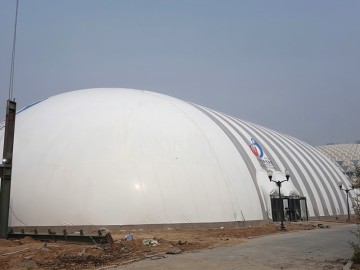
Commercially, the entertainment sector is expanding rapidly. Filipino consumers are highly oriented towards community sports (particularly basketball and badminton) and indoor family entertainment. However, the tropical monsoon climate—characterized by intense heat, high humidity, and heavy seasonal rainfall—often disrupts outdoor activities. Air-supported entertainment domes provide a fully climate-controlled, comfortable indoor environment, allowing commercial venues to operate 365 days a year, unaffected by the external weather.
From metropolitan sports hubs to remote eco-tourism destinations, discover how inflatable air domes are utilized across the country.
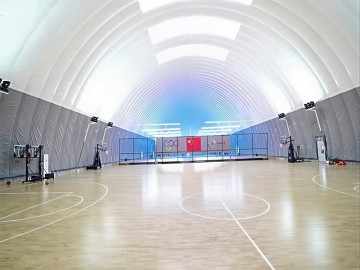
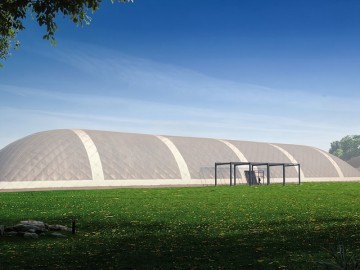
Basketball is the national passion of the Philippines, followed closely by badminton and volleyball. In crowded urban centers like Quezon City, Taguig, and Pasay, land is scarce and expensive. Inflatable air domes allow local government units (LGUs) and private developers to build multi-sport indoor arenas quickly. The anti-glare, translucent membranes provide natural daylighting without harsh glare, creating professional-grade playing conditions for local athletes.
With rising middle-class disposable income, there is a massive demand for indoor family entertainment centers (FECs), trampoline parks, and water parks. Air domes provide the massive vertical clearance required for high-altitude rides, slides, and adventure courses. Integrated with intelligent HVAC systems, these domes offer a cool, air-purified oasis away from the urban heat and pollution of Manila.
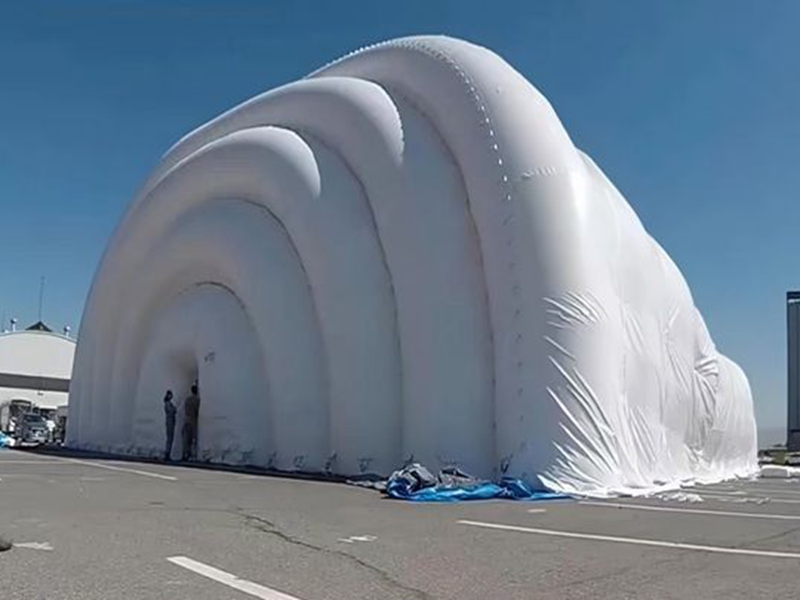
In economic zones like Clark Freeport Zone and Subic Bay, rapid expansion of logistics and aviation services requires flexible space. Prefabricated air membrane hangars can house commercial aircraft or serve as temporary transit warehouses. Their modular nature allows them to be disassembled, packed, and relocated as business demands shift, offering unparalleled flexibility to logistics operators.
In agricultural regions like Benguet and parts of Mindanao, extreme weather events and typhoons regularly devastate crops. High-transparent eco-agricultural air domes act as protective shields. They allow optimal light transmission for photosynthesis while protecting delicate high-value crops from heavy downpours, pests, and sudden temperature fluctuations, ensuring year-round food security.
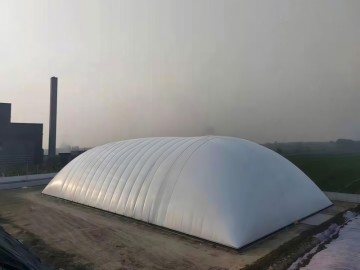
For mining operations in Caraga or heavy industrial plants in Batangas, dust and waste containment are critical regulatory requirements. Sludge fermentation air domes and large-span PVDF membrane warehouses prevent hazardous runoff and airborne dust pollution. The airtight design prevents odor leakage and protects surrounding communities, aligning with the Philippine Clean Air Act.
As a country highly vulnerable to natural disasters, the Philippines requires rapid-response infrastructure. Inflatable air domes can be transported via standard trucks and inflated within hours to serve as emergency medical field hospitals, evacuation shelters, or disaster management command centers in affected provinces.
How technological innovation, green building regulations, and smart automation are shaping the future of inflatable architecture.
Modern air domes in the Philippines are transitioning from basic mechanical inflation to AI-driven, fully automated control systems. These systems monitor real-time internal pressure, wind velocity, and external temperature. In the event of an approaching typhoon, the smart system automatically increases internal pressure to maximize structural rigidity, ensuring the dome remains stable against wind speeds exceeding 200 km/h. Additionally, AI optimizes the operation of inflation fans and air conditioning systems, leading to energy savings of up to 30-40% compared to manual operations.
The Philippine green building movement, guided by the local BERDE (Building Ecologically Responsive Design Excellence) rating system, is pushing industries to minimize their carbon footprint. Air-supported structures are inherently low-carbon. They require significantly less raw material (steel and concrete) to construct, and the membrane materials are fully recyclable. Furthermore, the high solar reflectance of PVDF membranes prevents heat absorption, aligning perfectly with the energy-efficiency mandates of green building certifications.
Given the tropical climate of the Philippines, thermal insulation is a major priority. The latest trend involves utilizing multi-layer membrane systems with internal thermal barriers and reflective coatings. This technology effectively blocks solar radiation and locks in the cool air generated by the HVAC system. This innovation makes entertainment air domes economically viable for high-traffic commercial uses, such as indoor ice skating rinks, exhibition halls, and shopping pavilions in tropical climates.
We are seeing an increase in hybrid designs that combine traditional steel frames or concrete bases with air-supported membrane roofs. This provides the aesthetic appeal and structural safety of a permanent building, combined with the lightweight, translucent, and cost-effective advantages of an air dome. This hybrid approach is particularly popular for high-end sports clubs and educational institutions in Metro Manila.
Our state-of-the-art production workflow ensures every air dome exported to the Philippines meets the highest standards of safety, durability, and precision engineering.
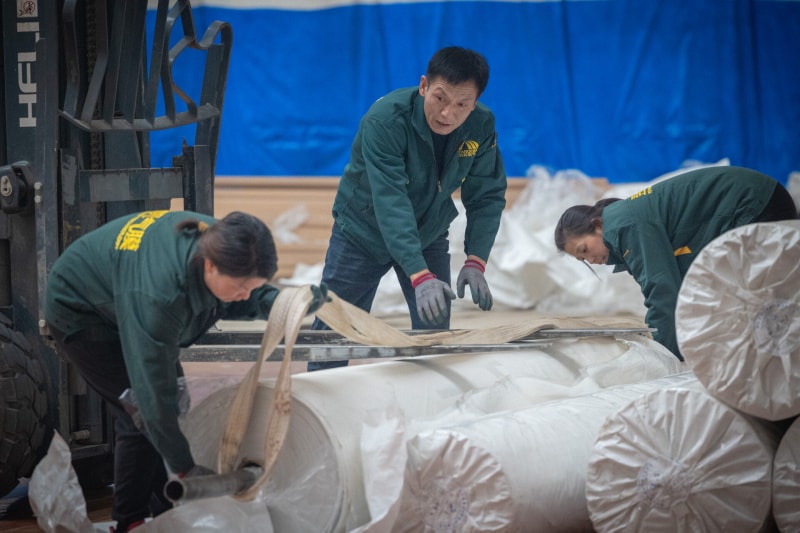
1. Select the customized membrane material
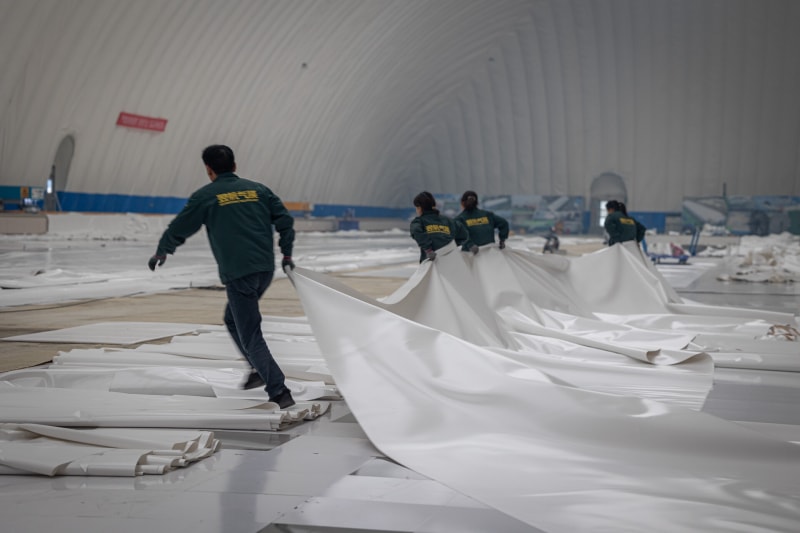
2. Deploy the membrane material
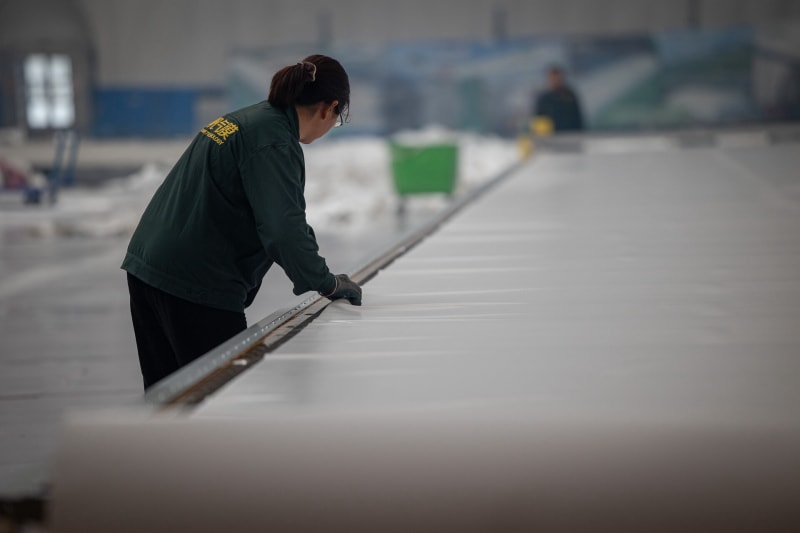
3. Lay the membrane material on the automated cutting machine and import the flat design drawings into the machine
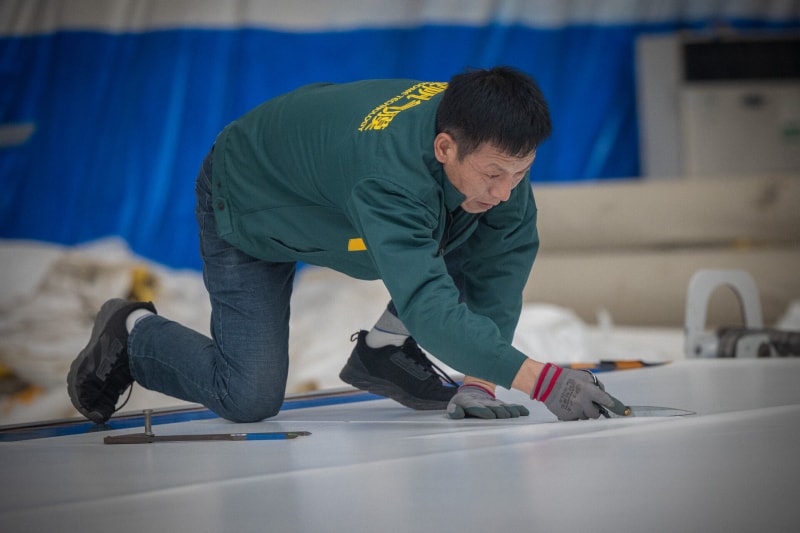
4. Manually trim the edges of the membrane material again to remove exposed fibers and ensure a secure weld
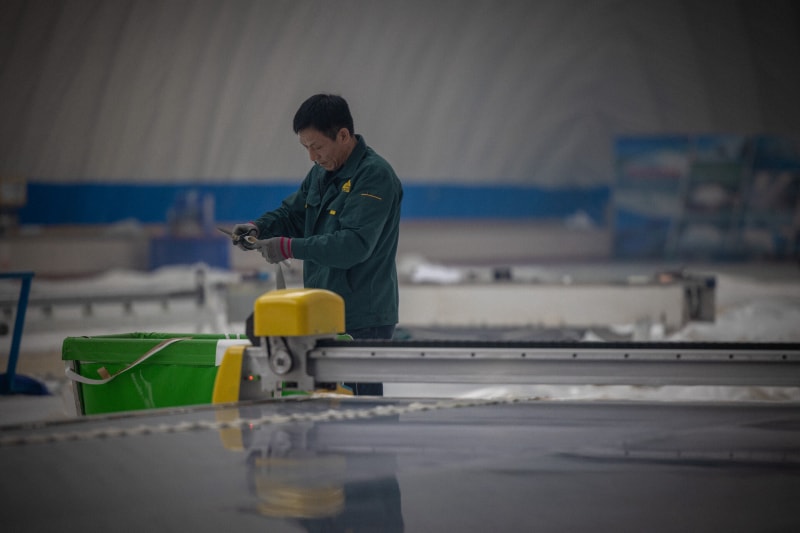
5. Cutting, Splicing, and Reinforcement Strips
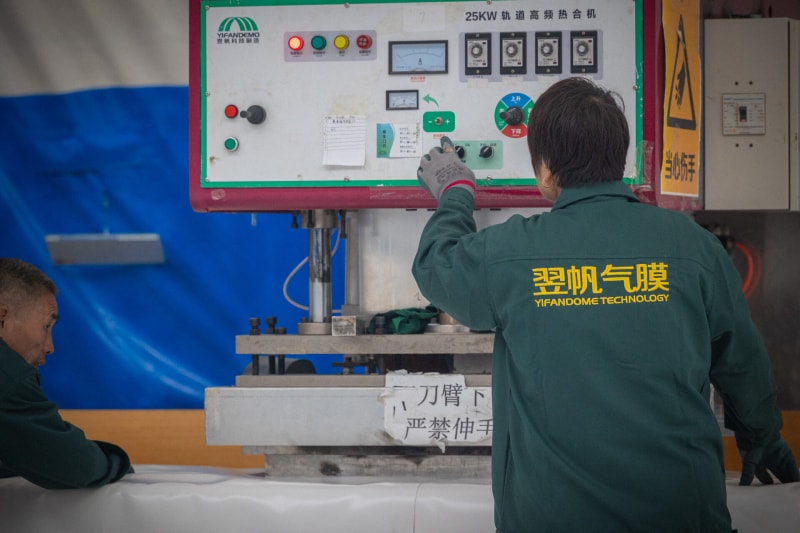
6. Workers arrange the membrane materials according to the layout drawings and weld them using a track-type high-frequency heat-sealin
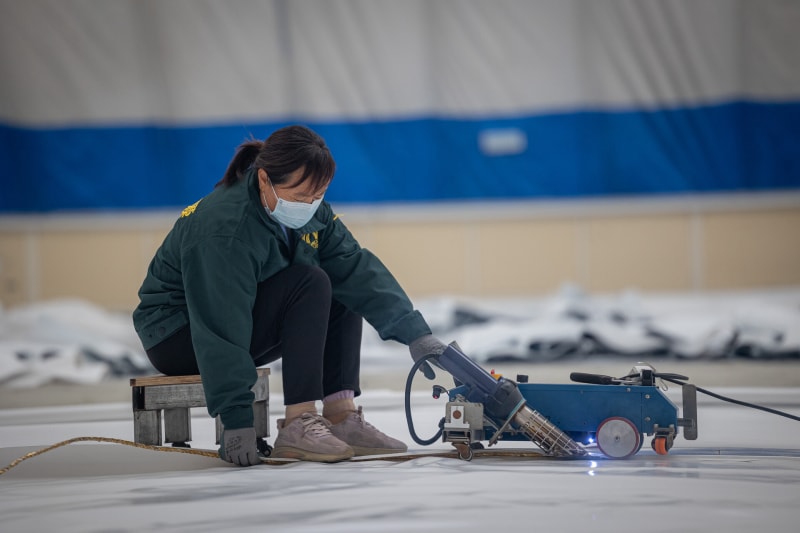
7. Small Hot Sealer Welding Rope Channel
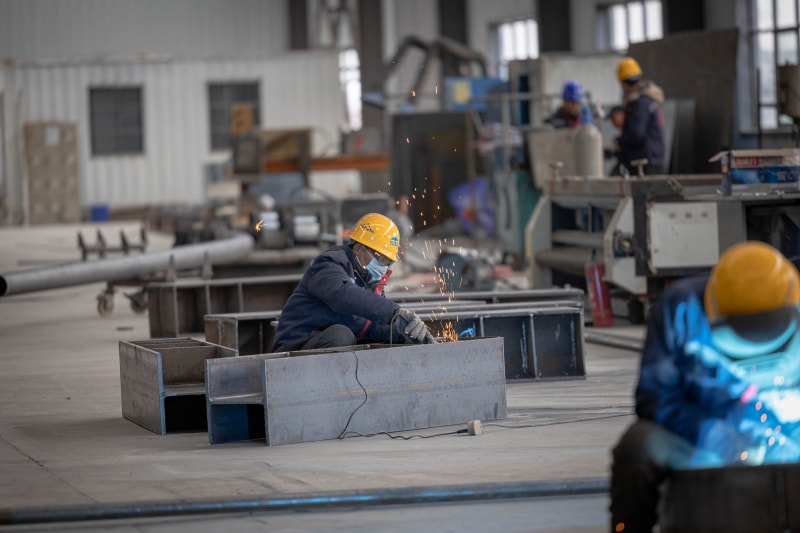
8. Manufacturing aluminum alloy clamps, door and window fittings, and inflatable pipes
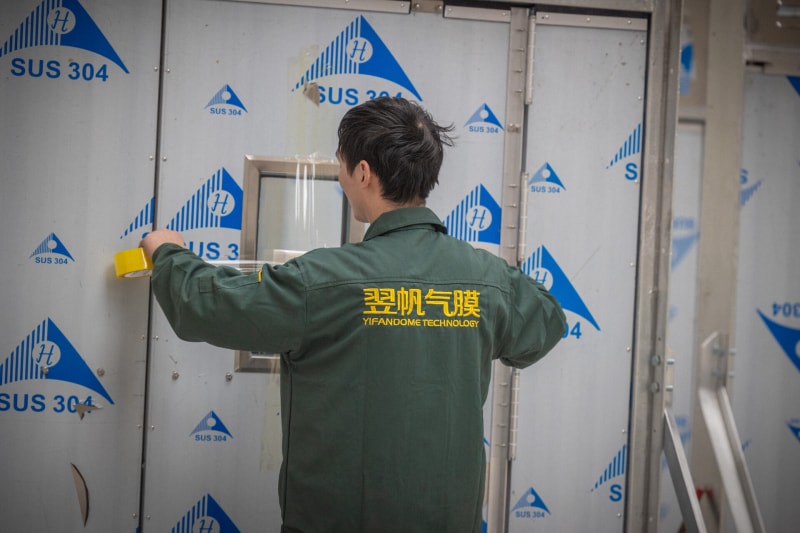
9. Check the product, pack it, and prepare for transportation
Discover our comprehensive collection of air-supported structures engineered for diverse industrial, commercial, and agricultural applications.
Everything you need to know about safety, engineering, and cost of air-supported structures.
Yes. Our air domes are custom-engineered for the typhoon-prone climate of the Philippines. By utilizing high-strength bias-harnessed cable networks and heavy-duty concrete ring beam anchors, our structures can withstand wind loads up to 250 km/h (equivalent to a Category 5 typhoon). In addition, our automated control system increases internal pressure during high wind events to maintain structural integrity.
We use high-performance PVDF (Polyvinylidene Fluoride) outer membranes featuring high solar reflectance and low thermal transmittance. This blocks the majority of solar heat. Additionally, we install double-layer or multi-layer membrane systems with an insulating air pocket or thermal insulation cotton layer, significantly reducing air conditioning costs compared to traditional steel buildings.
The outer PVDF membrane has a design life of 20 to 25 years, while the structural anchoring systems, doors, and mechanical equipment can last even longer. The membrane material is highly resistant to UV degradation, mold growth, and atmospheric pollution, making it highly durable for coastal areas in the Philippines.
Absolutely. One of the primary advantages of our modular air dome system is its portability. The membrane can be deflated, folded, packed into containers, and transported to a new location. The mechanical units (inflation fans, smart control panels, and backup generators) are also skid-mounted or containerized for easy transport.