Leave Your Message
Explore our specialized modular air-supported structures engineered to optimize thermal efficiency and preserve food quality across global supply chains.
In the era of globalized supply chains and escalating fresh food demand, the logistics industry faces a critical challenge: building energy-efficient, rapidly deployable, and highly insulated storage spaces. Traditional concrete and steel cold storage warehouses require massive capital investments, long construction schedules, and suffer from high thermal bridge losses.
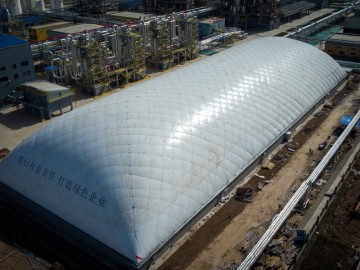
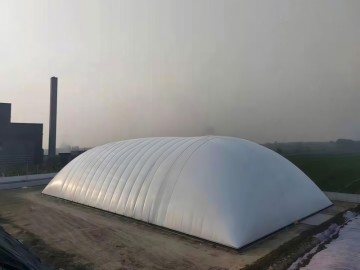
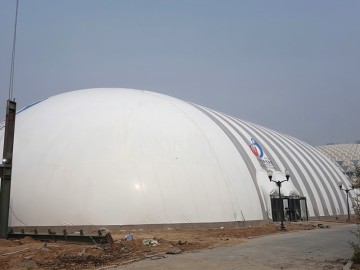
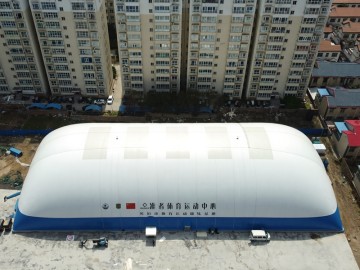
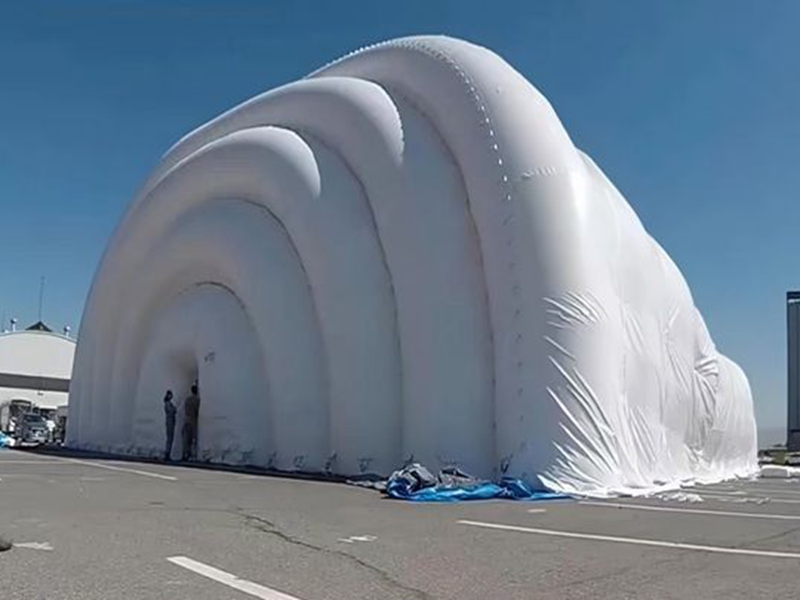
Enter the Greenhouse Air Dome for Cold-chain Logistics and Food Storage. Utilizing advanced double-layer or multi-layer PVDF/ETFE membrane structures combined with thermal insulation layers, air domes are revolutionizing how we store perishables. These air-supported structures maintain high airtightness, preventing cold air leakage and significantly lowering the energy required for refrigeration. By serving as high-performance greenhouse air domes, they combine the benefits of natural daylighting (when needed) with controlled microclimates, making them ideal for both agricultural harvesting zones and urban distribution hubs.
Multi-layered membrane systems with air gaps act as natural barriers against thermal radiation, maintaining stable internal temperatures.
Unmatched airtightness and zero thermal bridges significantly reduce HVAC load compared to traditional metal warehouses.
Prefabricated modules allow for installation in weeks rather than months, speeding up supply chain responsiveness.
Globally, food loss due to inadequate refrigeration and storage infrastructure remains a multi-billion-dollar issue. Traditional cold storage facilities are centralized and rigid, making it difficult to adjust capacity dynamically based on seasonal agricultural harvests. The industry is actively shifting toward modular, flexible, and eco-friendly solutions. Greenhouse air domes address these market shifts directly. Because they do not require heavy structural pillars, they provide 100% space utilization, allowing automated guided vehicles (AGVs) and high-density racking systems to operate without obstruction.
Furthermore, strict carbon neutrality regulations are forcing logistics companies to adopt sustainable structures. The low carbon footprint during the manufacturing and construction phase of an air dome—coupled with its recyclability—makes it the premier choice for modern, green-certified cold-chain parks.
Yifan Air Dome is a high-tech enterprise dedicated to innovative, eco-friendly air-supported membrane structures and integrated air dome building solutions. As a leading integrated service provider in the application of membrane structure technology across China, we cover the full industrial chain of R&D, design, manufacturing, installation and full-cycle operation and maintenance, delivering high-efficiency, energy-saving and low-carbon sustainable building space solutions for global clients.
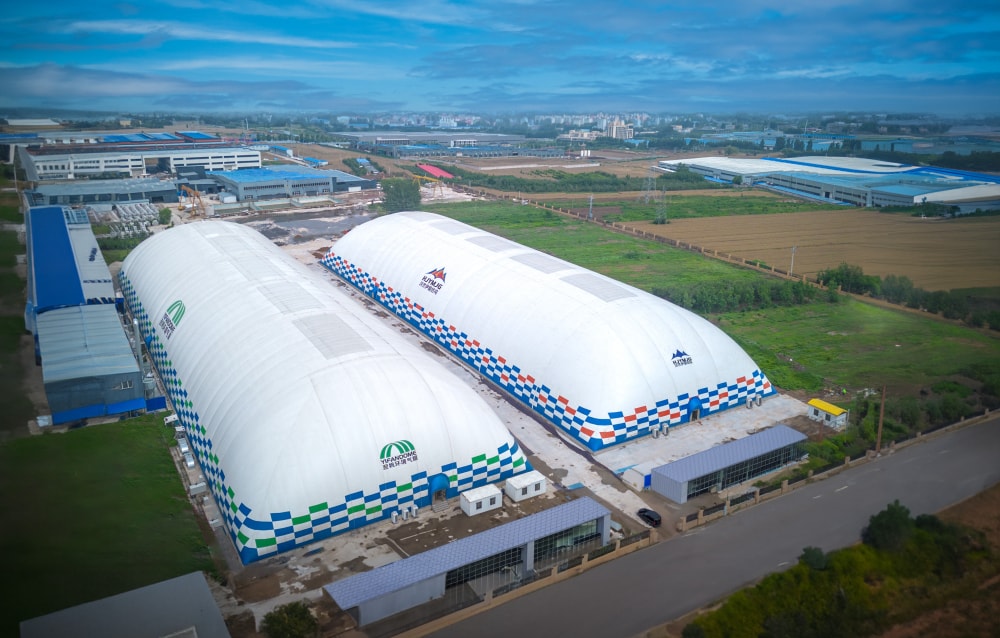
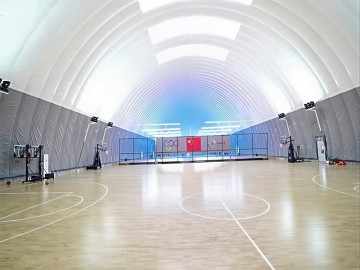
With years of deep cultivation in the air dome and membrane structure industry, we adhere to the development philosophy of green low-carbon, technological innovation and quality priority, and strictly comply with industrial construction and production standards. Supported by standardized production techniques and abundant experience in large-scale project implementation, we professionally customize various air domes, including sports stadiums, industrial warehouses, environmental enclosures, cultural tourism venues and exhibition membrane buildings, which are widely applied in sports fitness, industrial storage, environmental dust prevention, cultural tourism scenic spots and public supporting facilities.
Directly at the farming source, freshness begins to degrade immediately after harvest. Setting up conventional concrete cold storage in remote agricultural zones is often economically unfeasible and legally restricted due to land use regulations. Greenhouse air domes act as temporary or permanent agricultural sorting, packaging, and pre-cooling centers. Their light weight and minimal foundation requirements allow them to be built on agricultural land without destroying the soil structure, facilitating immediate post-harvest cooling and reducing initial food spoilage by up to 30%.
For long-term storage of fruits like apples, pears, and grapes, controlling the gas composition (oxygen, carbon dioxide, and nitrogen) is vital. The airtight envelope of an air-supported membrane structure provides a highly sealed chamber. By integrating nitrogen generators and carbon dioxide scrubbers, operators can easily control the internal atmosphere. The continuous positive pressure inside the dome prevents outside air infiltration, maintaining precise gas ratios and extending the shelf life of stored products compared to leaky conventional warehouses.
In suburban logistics hubs, height and span are critical. The high-clearance, column-free design of Yifan air domes allows logistics companies to install massive multi-tier cold-storage racking systems. The dome can be divided internally into different temperature zones (e.g., chilling zones at 2–8°C and freezing zones at -18°C) using thermal partition curtains, optimizing operational efficiency under a single membrane roof.
The future of cold-chain logistics lies in automation and smart monitoring. Modern greenhouse air domes are increasingly embedded with IoT sensors that monitor membrane tension, indoor temperature gradients, humidity levels, and pressure variations in real-time. If the internal pressure drops due to vehicle loading dock activity, the automated control system instantly compensates, ensuring the thermal barrier remains intact.
Additionally, the integration of solar PV panels onto the dome's exterior or around its perimeter anchor system is a growing trend. This allows the facility to generate its own clean energy, driving the refrigeration compressors and moving closer toward net-zero energy operations.
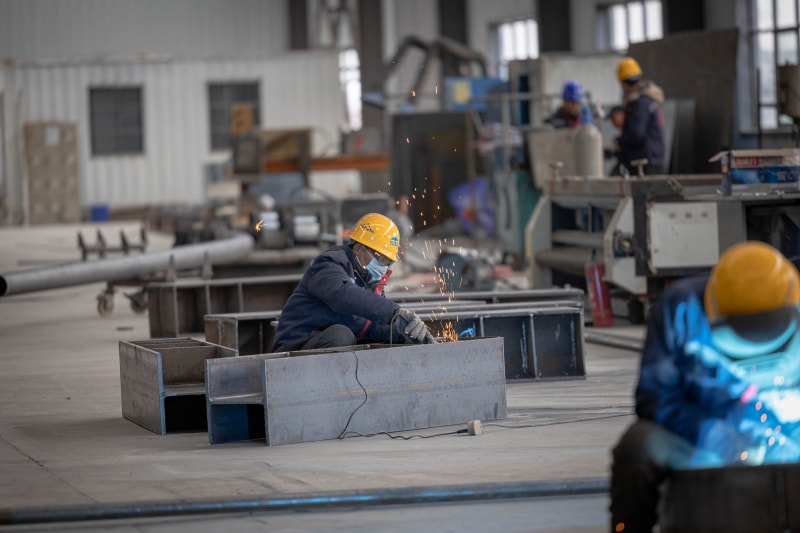
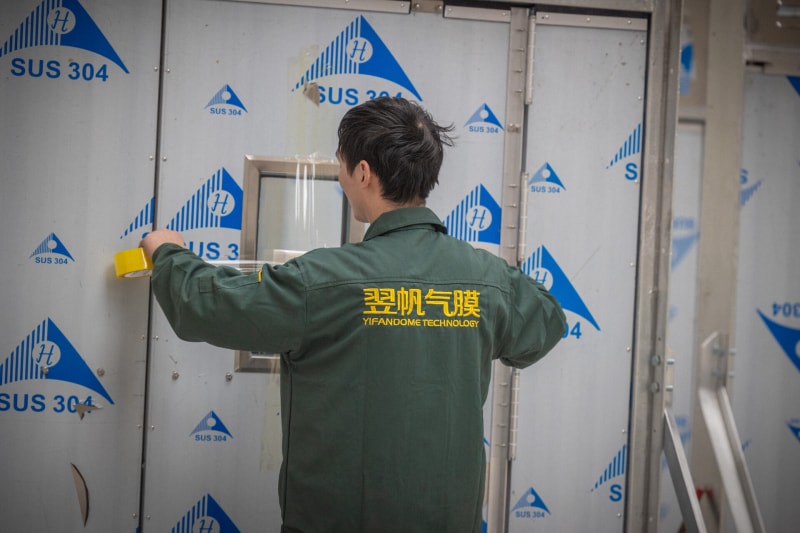
Our state-of-the-art manufacturing flow ensures that every air dome membrane is crafted with precision, durability, and optimal thermal performance in mind.
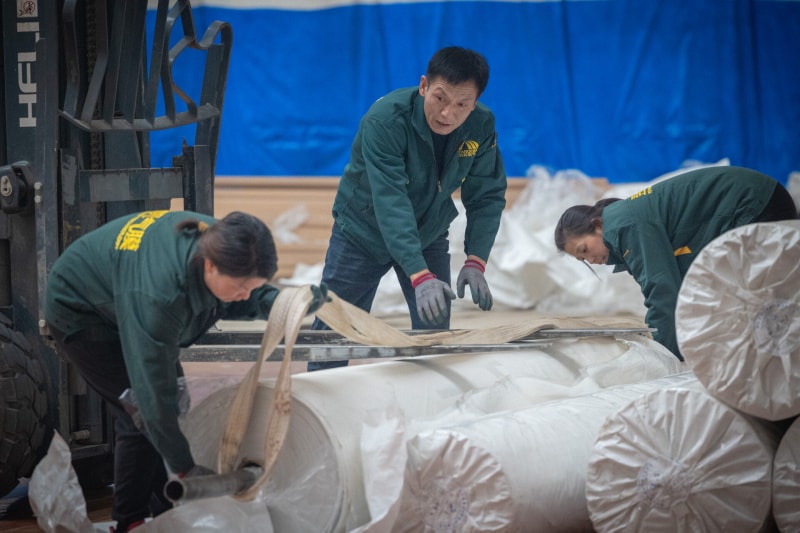
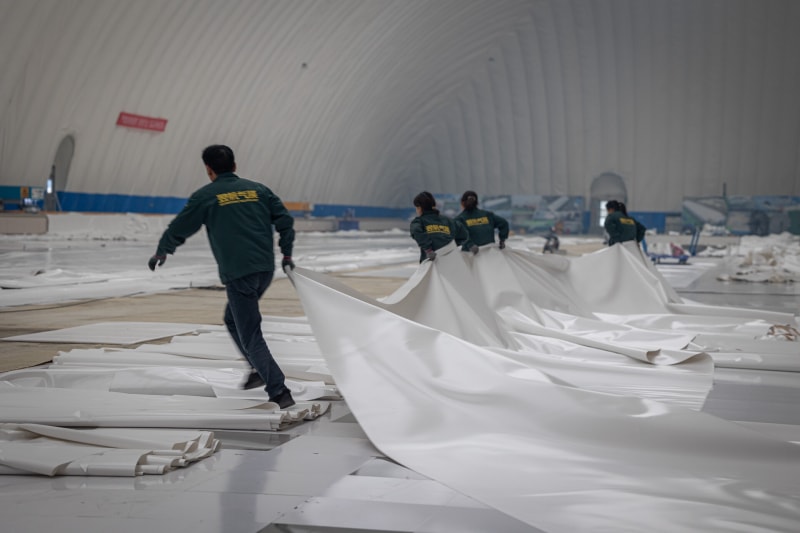
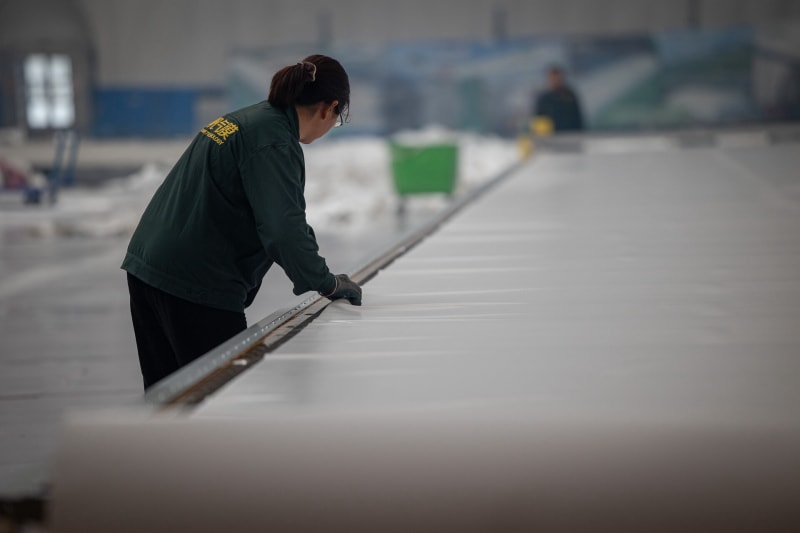
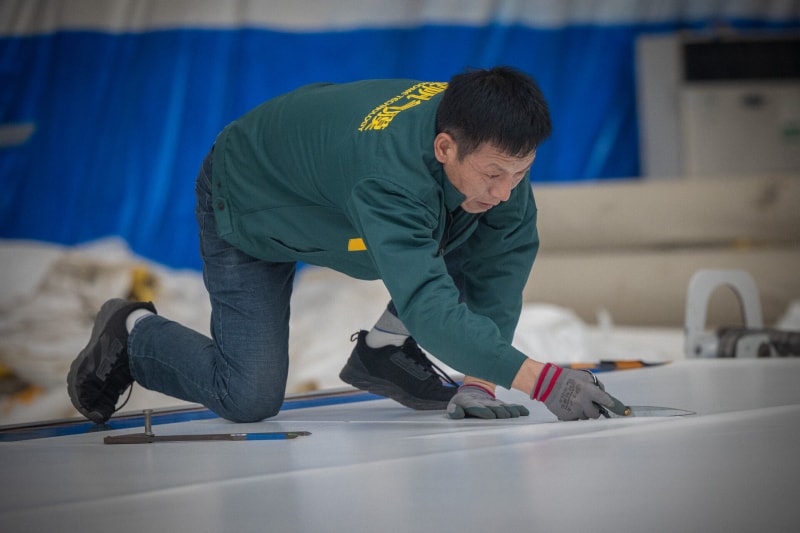
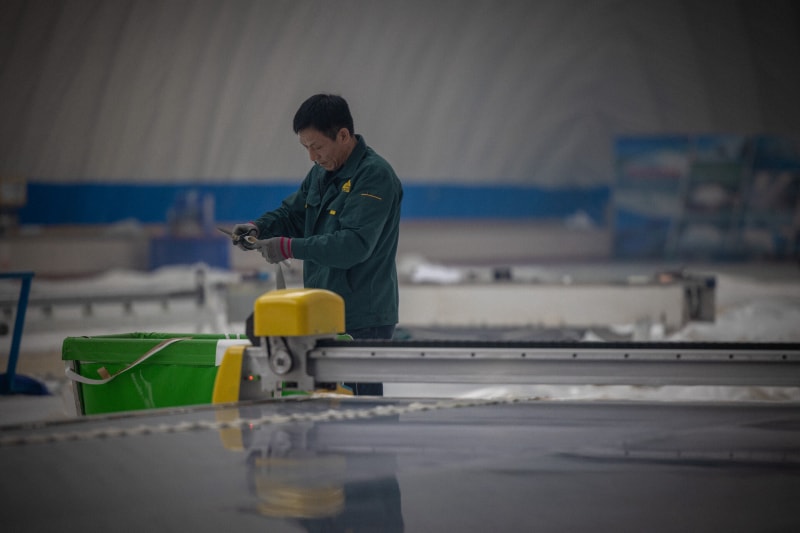
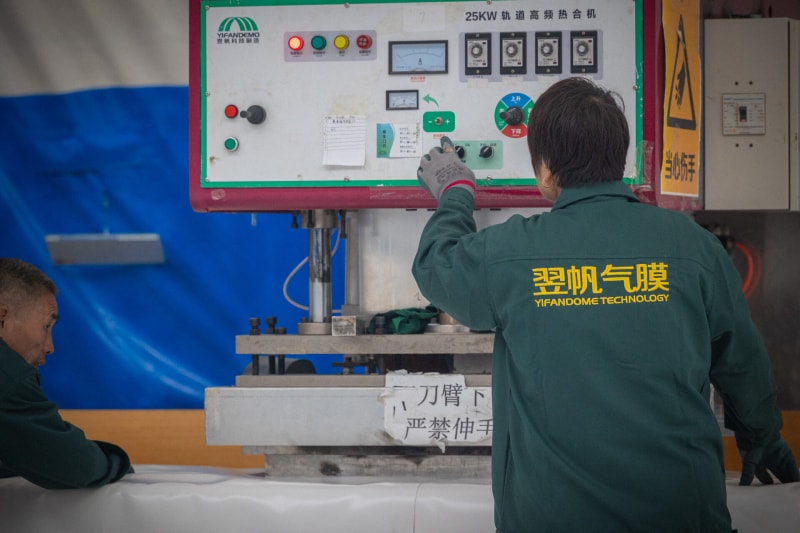
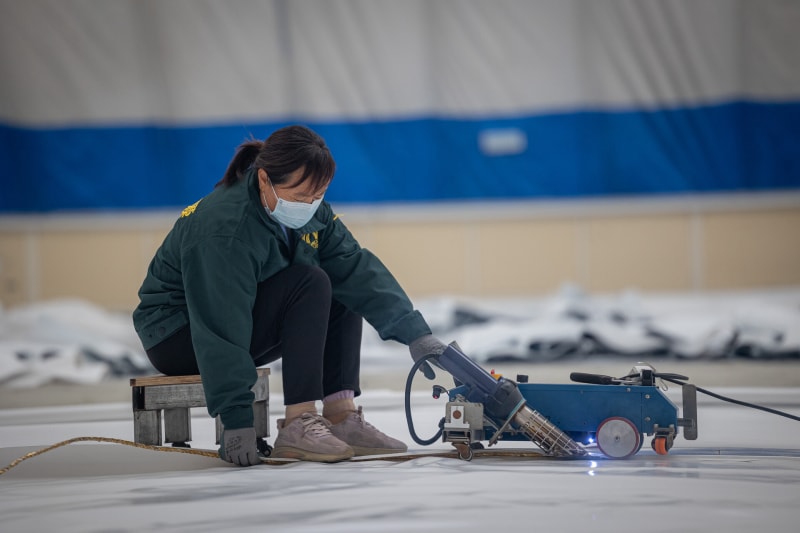
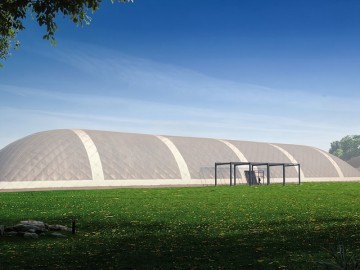
Discover our versatile range of inflatable dome structures, designed for heavy industrial use, food logistics, sports complexes, and eco-friendly agricultural cultivation.