Leave Your Message
Explore our premium range of air-supported structures tailored for sports facility optimization.
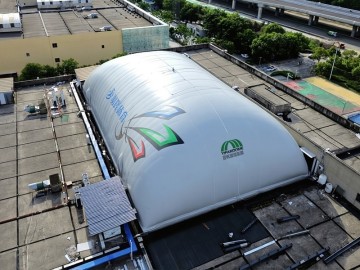
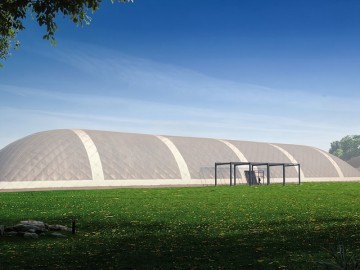
In the contemporary landscape of sports facility development, the demand for versatile, cost-effective, and climate-resilient structures has reached an all-time high. Traditional brick-and-mortar sports complexes, while sturdy, present substantial challenges: high capital expenditure, extensive construction timelines, and rigid structural designs that limit spatial adaptability. This is where the Inflatable Dome Building emerged as a revolutionary architectural option, particularly for intensive sports like badminton and basketball.
Air-supported membrane structures, colloquially known as air domes, utilize positive internal air pressure to maintain their shape without the need for columns, beams, or internal support frames. For sports such as basketball and badminton, which require high clearance heights and unobstructed spatial volume, air domes represent the pinnacle of modern engineering. They provide a clear span layout that maximizes court configuration and optimizes spectator seating, offering an elite athletic experience at a fraction of traditional costs.
By eliminating heavy steel supports, Inflatable Dome Buildings offer 100% internal space utilization, integrated thermal insulation, and advanced acoustic control, making them the ideal choice for high-intensity, precision sports.
The global market for air-supported structures is experiencing exponential growth, driven by rapid urbanization, the rising popularity of community-based sports clubs, and the urgent need for sustainable construction practices. Across North America, Europe, and Asia-Pacific, developers and municipalities are turning to air domes to bridge the gap between sports demand and building constraints.
From a commercial perspective, air domes offer an unparalleled return on investment (ROI). Traditional construction projects often require years of planning, zoning approvals, and foundation work. In contrast, an inflatable dome building can be manufactured off-site and installed in a matter of weeks. This accelerated timeline allows commercial sports club operators to begin generating revenue almost immediately. Furthermore, the lower initial cost (CapEx) lowers the entry barrier for private investors, fostering a more dynamic and competitive local sports market.
Industrially, advancements in material science have transformed the durability of air domes. Modern membranes utilize high-performance PVDF (Polyvinylidene Fluoride) coatings. These coatings provide exceptional UV resistance, self-cleaning capabilities, and flame retardancy. The resulting structures are engineered to last for decades, challenging the perception that air domes are merely temporary solutions. They are, in fact, highly durable semi-permanent or permanent structures designed to withstand extreme environmental challenges.
Badminton and basketball are highly sensitive to environmental factors. For badminton, even the slightest draft can alter the trajectory of the lightweight shuttlecock, rendering professional play impossible. For basketball, temperature drops can affect court traction, increase the risk of player injury, and alter ball bounce characteristics. Traditional outdoor courts are at the mercy of rain, wind, snow, and extreme heat, leading to cancelled games and underutilized assets.
An inflatable dome building solves these challenges through advanced environmental control systems. By integrating smart HVAC (Heating, Ventilation, and Air Conditioning) units, the dome maintains a constant interior temperature and humidity level year-round. A continuous flow of filtered fresh air ensures optimal oxygen levels for athletes, while positive pressure prevents dust, allergens, and PM2.5 particles from entering the facility.
Furthermore, air domes incorporate specialized indirect lighting systems. By projecting light upwards onto the reflective inner membrane, the facility achieves a bright, shadow-free, and anti-glare environment. Players can look upward to track a high-lob shuttlecock or a basketball shot without experiencing temporary blindness from direct light fixtures.
For entrepreneurs looking to establish multi-court sports clubs, air domes offer the ultimate layout flexibility. Within a single large-span dome, operators can seamlessly arrange multiple basketball courts side-by-side, which can easily be converted into dozens of badminton courts using portable net posts. The absence of support columns allows for flexible netting systems to divide courts, ensuring multiple groups can play simultaneously without interference. The controlled environment also allows for premium booking rates, as players are guaranteed perfect playing conditions regardless of the weather outside.
Schools and local governments often face budget constraints when planning new gymnasiums. Air domes provide a cost-effective alternative that does not compromise on safety or quality. In addition to being cheaper to build, they can be dismantled or relocated if land use requirements change in the future. This flexibility is highly attractive to urban planners who need to manage land assets dynamically.
Elite athletes require consistent training conditions to hone their skills. The microclimate control of an air dome ensures that variables like air velocity, temperature, and lighting remain constant day in and day out. This consistency is crucial for high-performance training centers, allowing coaches to measure player progress under standardized conditions.
The future of inflatable dome buildings lies in smart integration and green technology. As the world shifts towards carbon neutrality, air dome manufacturers are developing energy-efficient solutions to reduce operational costs (OpEx). Dual-membrane and triple-membrane systems, separated by insulating air gaps, dramatically reduce thermal transfer, lowering heating and cooling energy consumption by up to 40% compared to single-layer structures.
Moreover, the integration of IoT (Internet of Things) sensors allows for automated monitoring of internal pressure, wind loads, and snow accumulation. If a heavy snowstorm is detected, the smart control system automatically increases internal pressure and activates the heating system to melt snow on the dome's exterior surface, preventing structural overload. Solar-ready membranes and energy-recovery ventilation (ERV) systems are also being integrated, positioning air domes as pioneers of sustainable, low-carbon architecture.
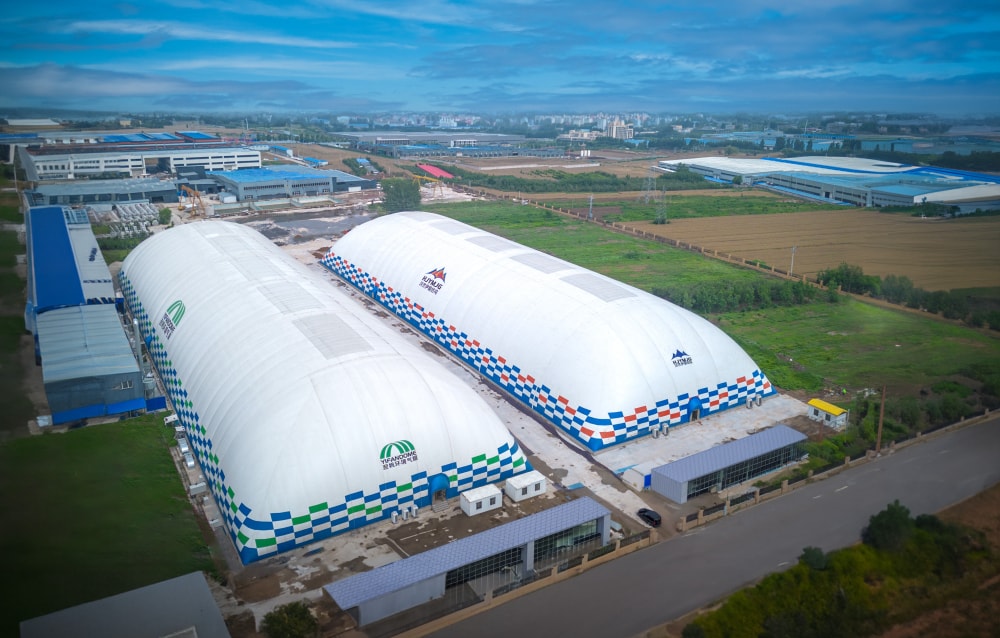
Yifan Air Dome is a high-tech enterprise dedicated to innovative, eco-friendly air-supported membrane structures and integrated air dome building solutions. As a leading integrated service provider in the application of membrane structure technology across China, we cover the full industrial chain of R&D, design, manufacturing, installation, and full-cycle operation and maintenance, delivering high-efficiency, energy-saving, and low-carbon sustainable building space solutions for global clients.
With years of deep cultivation in the air dome and membrane structure industry, we adhere to the development philosophy of green low-carbon, technological innovation, and quality priority, and strictly comply with industrial construction and production standards. Supported by standardized production techniques and abundant experience in large-scale project implementation, we professionally customize various air domes, including sports stadiums, industrial warehouses, environmental enclosures, cultural tourism venues, and exhibition membrane buildings, which are widely applied in sports fitness, industrial storage, environmental dust prevention, cultural tourism scenic spots, and public supporting facilities.
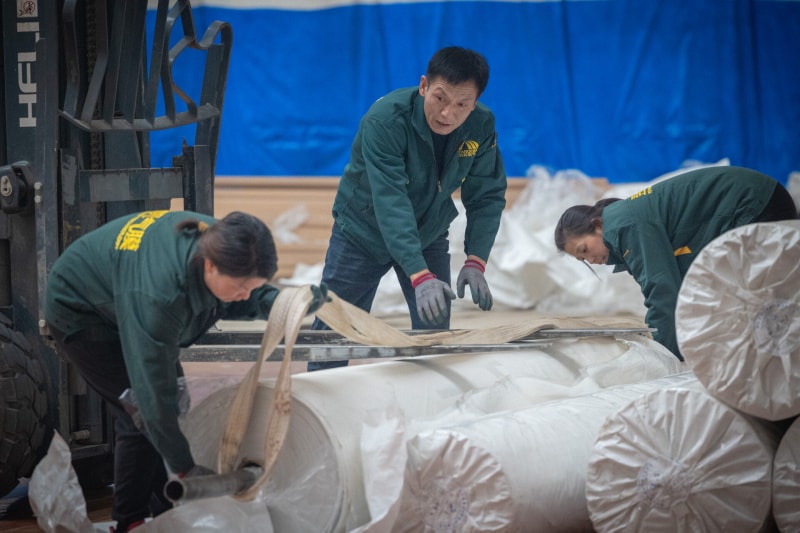
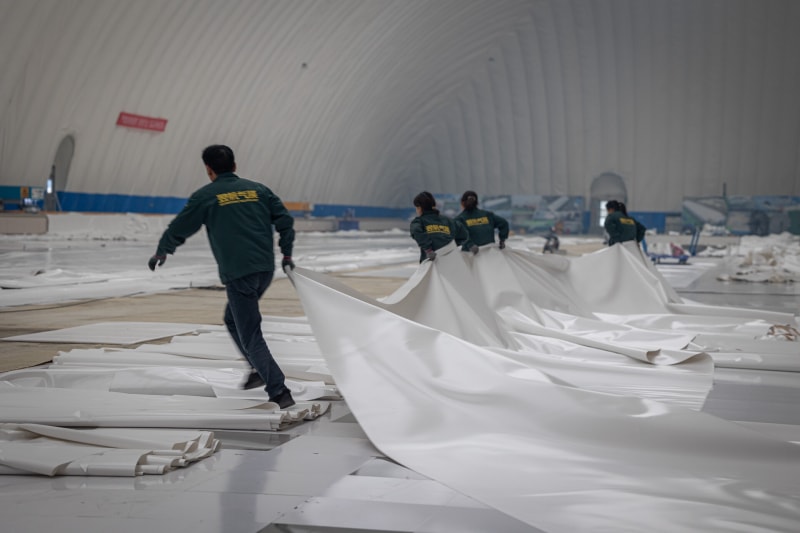
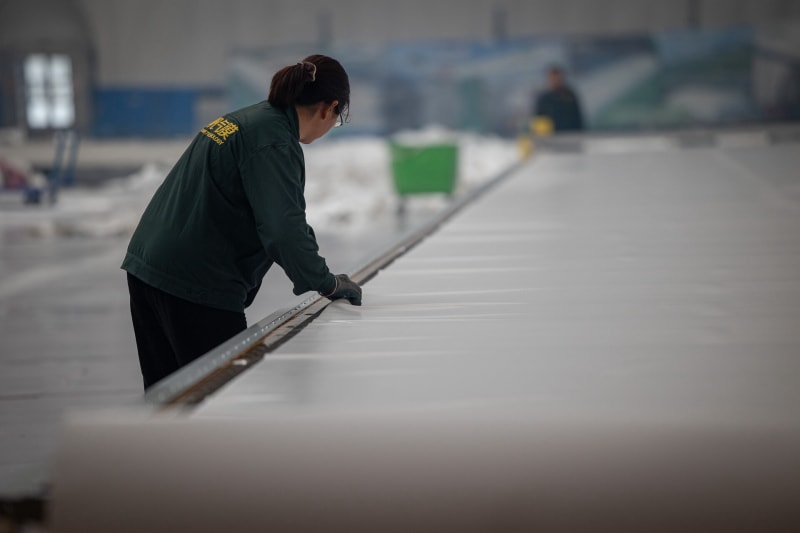
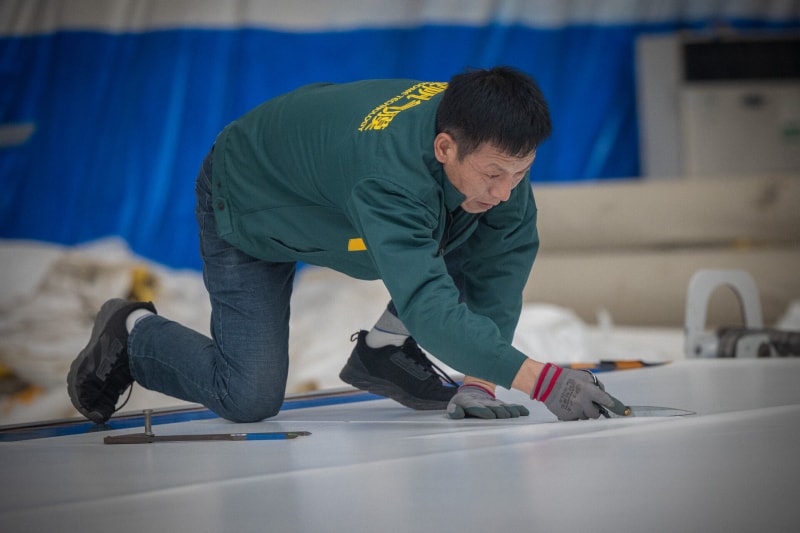
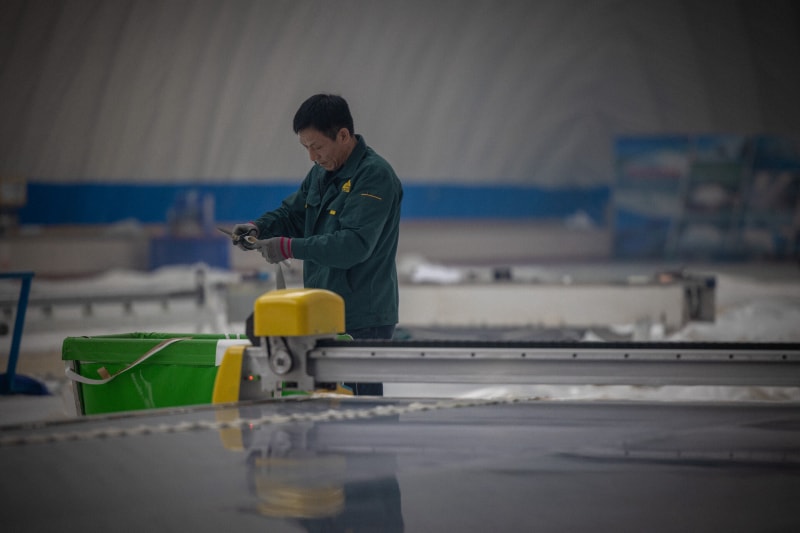
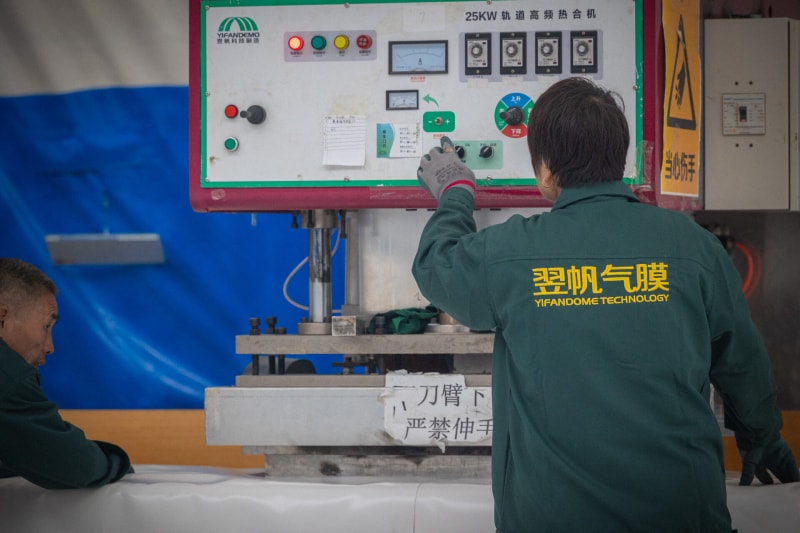
Discover the precision, technology, and craftsmanship behind every Yifan Air Dome structure.
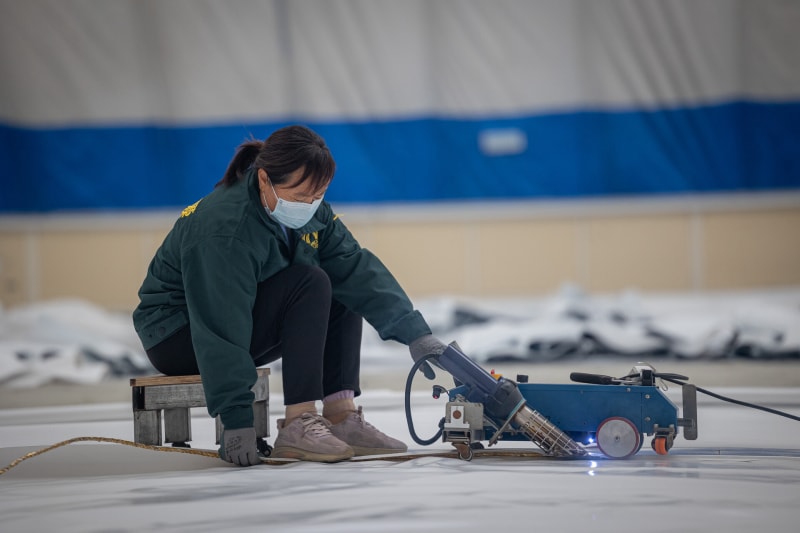
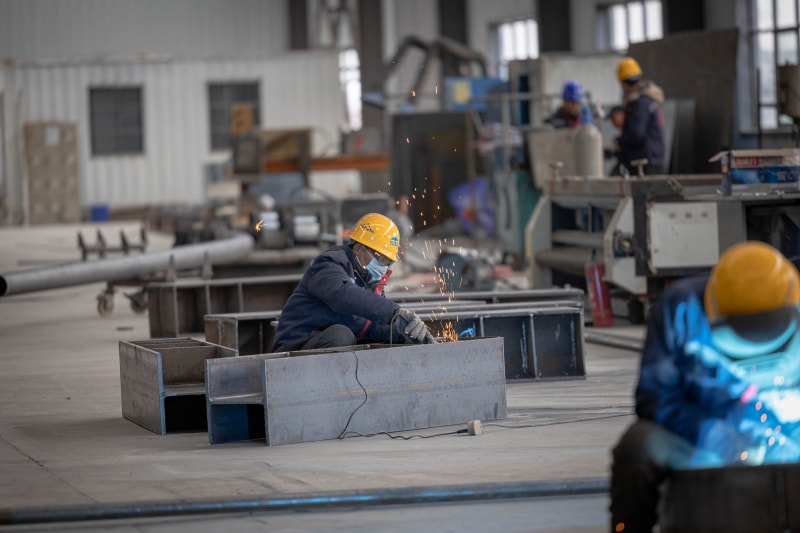
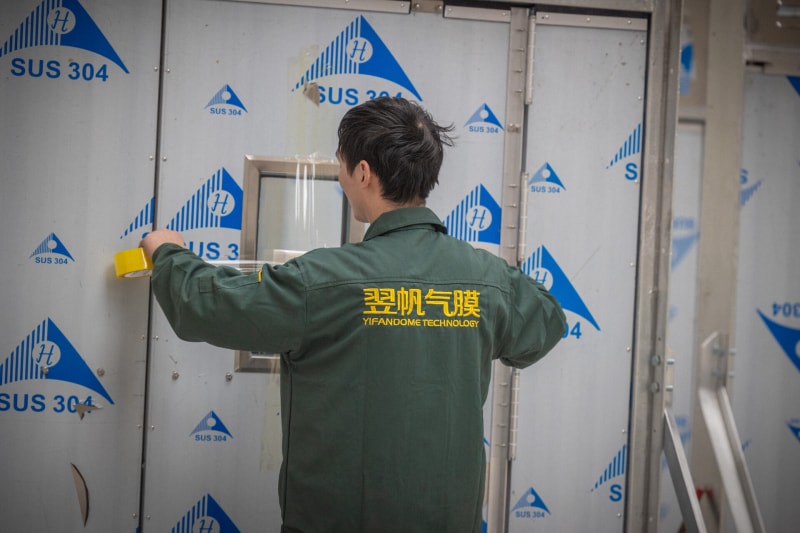
Explore the full array of air dome buildings designed for sports, industrial, and agricultural use.