Leave Your Message
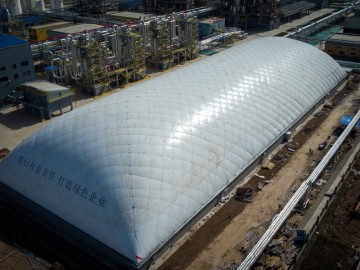
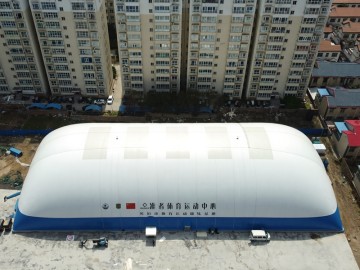
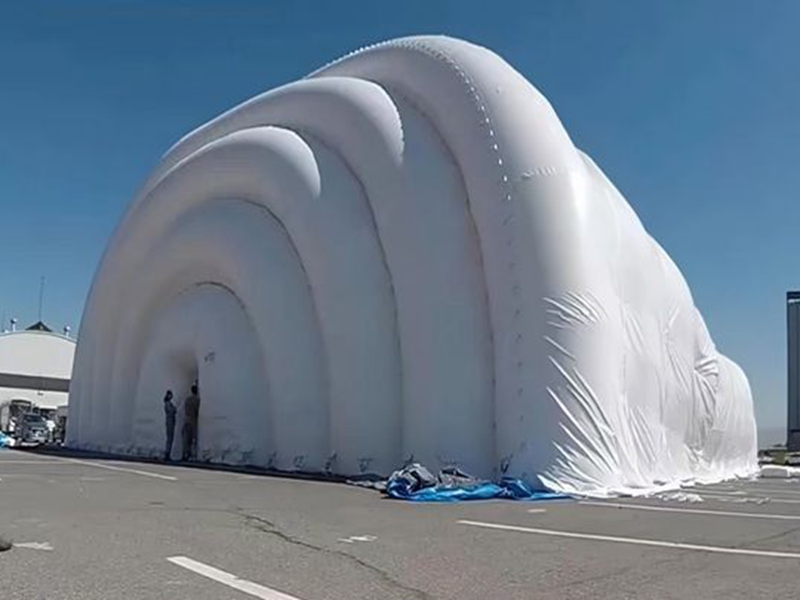
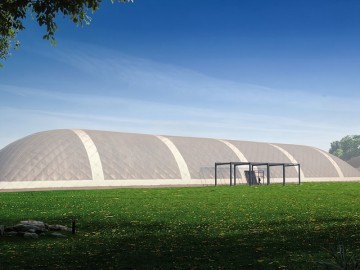
The global agricultural sector faces unprecedented challenges: volatile weather patterns, soil degradation, water scarcity, and the urgent need to optimize land use. Concurrently, the demand for modern, community-centered recreational and sports facilities is expanding rapidly. The convergence of these two distinct industries has given rise to a groundbreaking architectural and ecological concept: the Multi-Sport Air Dome for Agricultural Greenhouse and Crop Protection.
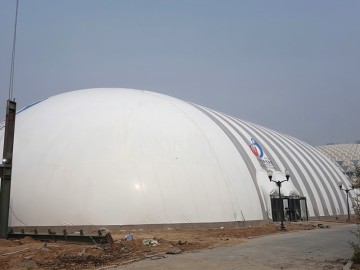
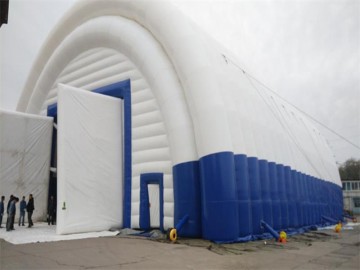
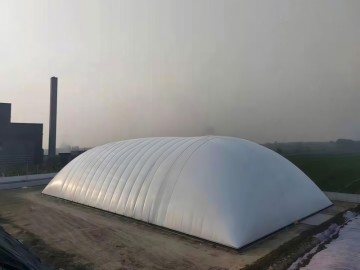
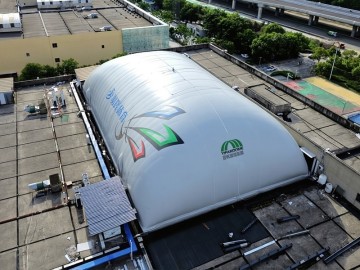
This innovative technology utilizes advanced air-supported membrane structures to create vast, column-free internal environments. By integrating smart climate controls and highly translucent PVDF membrane materials, these air domes serve dual functions. They can protect high-value crops, support hydroponic vertical farms, and offer a completely sheltered facility for multi-sport activities such as soccer, tennis, and basketball. This dual-use paradigm maximises land utility, optimizes energy expenditure, and provides consistent crop yields alongside community wellness programs.
Combines commercial organic farming spaces with indoor recreational sports, driving secondary revenue streams and community engagement.
Maintains optimal air pressure, humidity, and temperature, creating the ultimate environment for delicate crop growth and athletic performance.
Constructed with recyclable PVDF membranes, reducing structural carbon footprints and leveraging natural sunlight for crop photosynthesis.
Industrially, the market for air-supported structures is experiencing a shift toward multi-functional applications. Historically utilized for industrial warehousing or seasonal sports domes, operators now recognize the economic benefits of combining agricultural production with sports facilities. In regions with harsh seasonal climates, such as northern Europe, North America, and parts of Asia, traditional open-field farming is limited to short seasons, and outdoor sports are impossible for half the year. An integrated air dome resolves both issues simultaneously.
From a commercial perspective, developers can leverage municipal grants for sustainable agricultural development while securing private investment for sports and wellness facilities. The shared infrastructure—including HVAC systems, air filtration, water recycling, and foundation work—substantially reduces capital expenditure (CAPEX) compared to building separate glass greenhouses and traditional brick-and-mortar sports complexes.
Imagine a vast, 10,000-square-meter clear-span structure where the perimeter features vertical hydroponic farming walls growing leafy greens, herbs, and strawberries, while the central core houses professional-grade tennis and basketball courts. The plants act as natural air purifiers, absorbing carbon dioxide exhaled by athletes and releasing oxygen back into the dome. The moisture transpired by the crops helps regulate the building's humidity, creating a symbiotic ecosystem where human recreation directly supports agricultural growth.
For high-value, delicate crops such as organic medicinal herbs, seed-breeding programs, and exotic fruits, traditional greenhouses often fall short in bio-security and climate control. The positive air pressure environment within a Yifan Air Dome acts as a natural barrier against pests and airborne pathogens. Since there are no structural columns, automated agricultural machinery, drones, and robotic harvesters can operate without obstruction. During off-peak agricultural cycles, these spaces can be temporarily configured with modular sports flooring to host community athletic tournaments.
Urban centers are continuously looking for green spaces that offer community benefits. An integrated agro-sports air dome serves as a hub for educational school trips, where children learn about sustainable farming, food security, and modern water conservation techniques, followed by physical education and sports activities in the same facility. The translucent PVDF membrane allows abundant natural light to filter through, minimizing the need for artificial lighting and creating a bright, welcoming outdoor-like environment indoors.
Double-layer insulation options reduce external noise and maintain indoor thermal stability, ensuring comfortable conditions for both plant growth and sports tournaments.
Equipped with IoT sensors to monitor soil moisture, air quality, pressure differentials, and light intensity in real-time, feeding data directly to automated control units.
By integrating rainwater harvesting systems and organic waste composting, these structures move closer to net-zero environmental impact operational models.
Yifan Air Dome is a high-tech enterprise dedicated to innovative, eco-friendly air-supported membrane structures and integrated air dome building solutions. As a leading integrated service provider in the application of membrane structure technology across China, we cover the full industrial chain of R&D, design, manufacturing, installation and full-cycle operation and maintenance, delivering high-efficiency, energy-saving and low-carbon sustainable building space solutions for global clients.
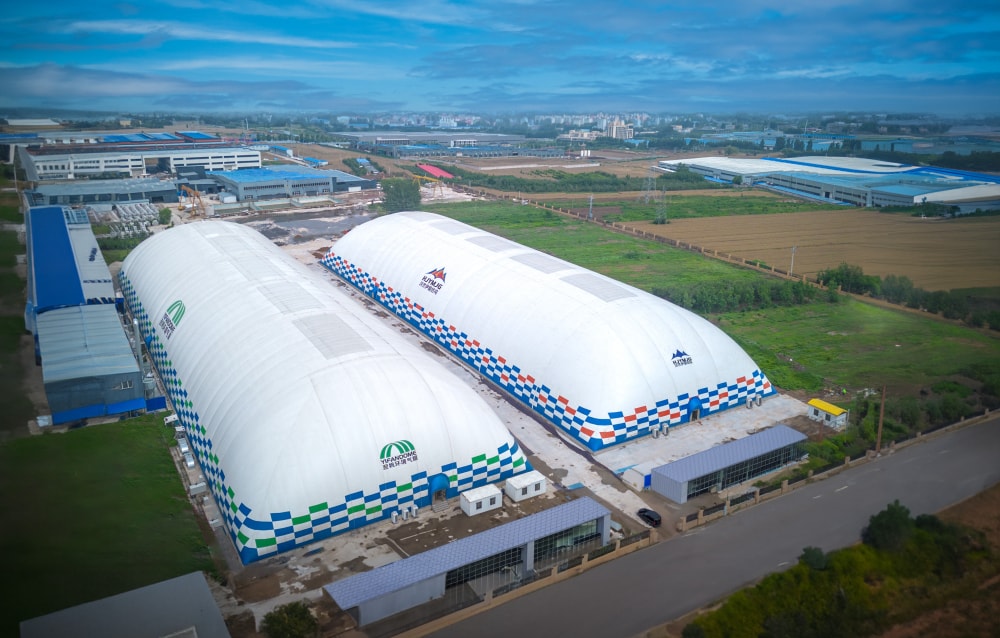
With years of deep cultivation in the air dome and membrane structure industry, we adhere to the development philosophy of green low-carbon, technological innovation and quality priority, and strictly comply with industrial construction and production standards. Supported by standardized production techniques and abundant experience in large-scale project implementation, we professionally customize various air domes, including sports stadiums, industrial warehouses, environmental enclosures, cultural tourism venues and exhibition membrane buildings, which are widely applied in sports fitness, industrial storage, environmental dust prevention, cultural tourism scenic spots and public supporting facilities.
The success of a multi-sport air dome utilized for agricultural crop protection rests on its structural engineering and material science. Yifan utilizes state-of-the-art PVDF (Polyvinylidene Fluoride) membranes, which boast exceptional tensile strength, UV resistance, self-cleaning properties, and fire-retardant capabilities. The high transparency option allows active photosynthetic radiation (PAR) to penetrate, ensuring that plants receive the natural light spectrum required for healthy growth, while filtering out harmful excessive UV rays that could degrade equipment or sunburn athletes.
One of the primary concerns in an agricultural greenhouse is humidity management. Through advanced computational fluid dynamics (CFD) modeling, Yifan designs air dome ventilation systems that establish structured air circulation pathways. Warm, humid air generated by agricultural transpiration is channeled through heat recovery ventilators (HRVs) to pre-heat incoming fresh air, significantly reducing energy consumption. In summer, automated misting systems and evaporative cooling pads lower the internal temperature, protecting crops from heat stress and maintaining a comfortable environment for indoor sports.
Safety is paramount for structures housing both public sports events and high-value agricultural operations. Our air domes are engineered with patented cable-net reinforcement systems that evenly distribute wind and snow loads. In the event of extreme weather, the internal pressure system automatically adjusts to resist high external forces. Backed by intelligent backup generator systems and multiple redundant blower fans, a Yifan Air Dome guarantees uninterrupted operation even during major power grid failures.
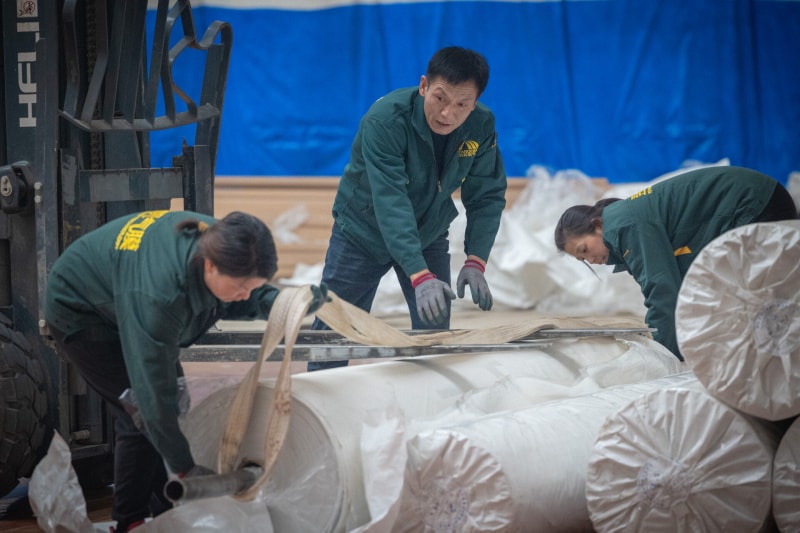
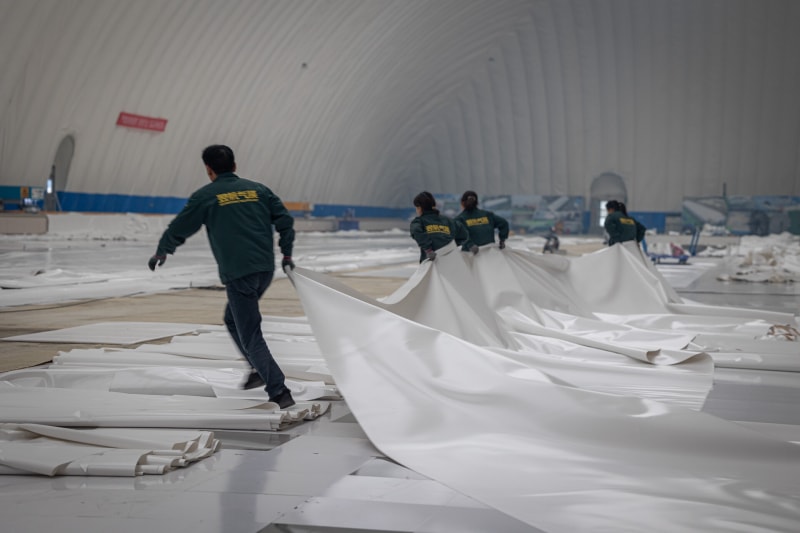
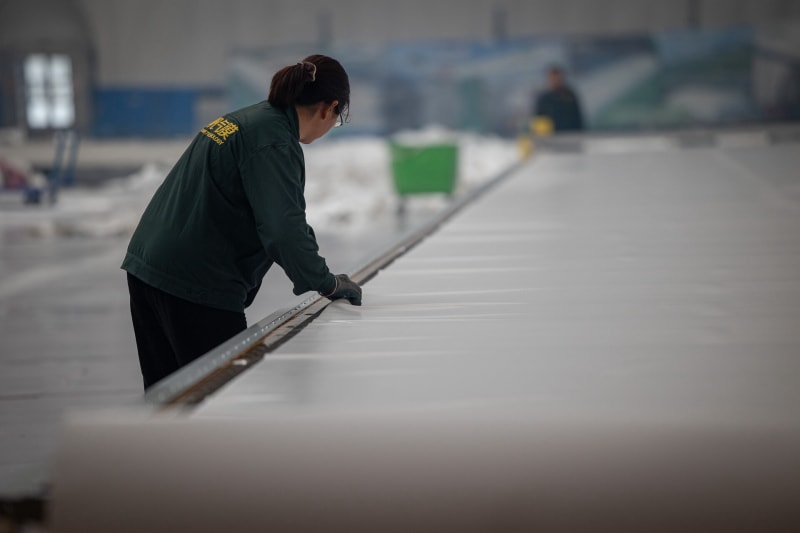
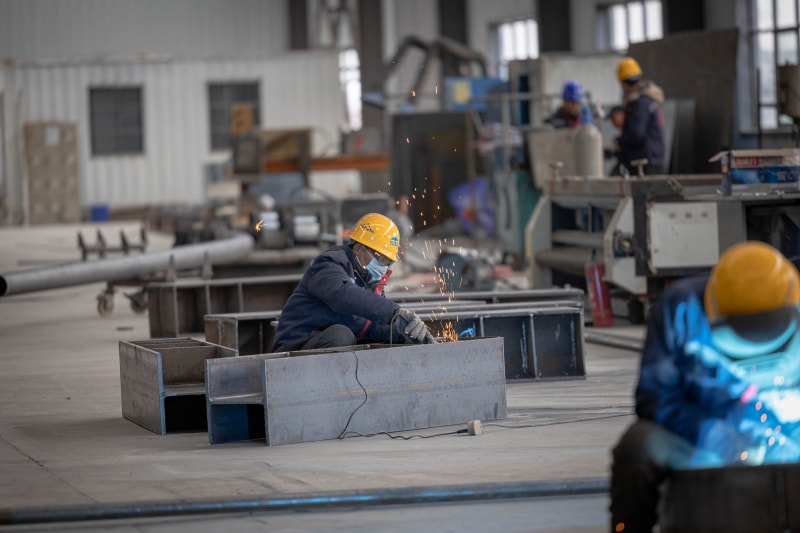
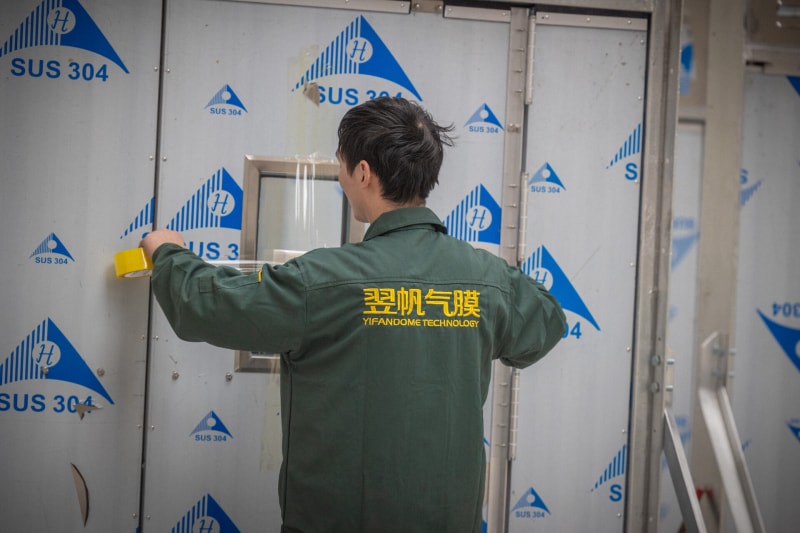
Our rigorous manufacturing standards ensure that every membrane structure meets global quality certifications. Below is the step-by-step personnel operation flowchart detailing our production excellence.
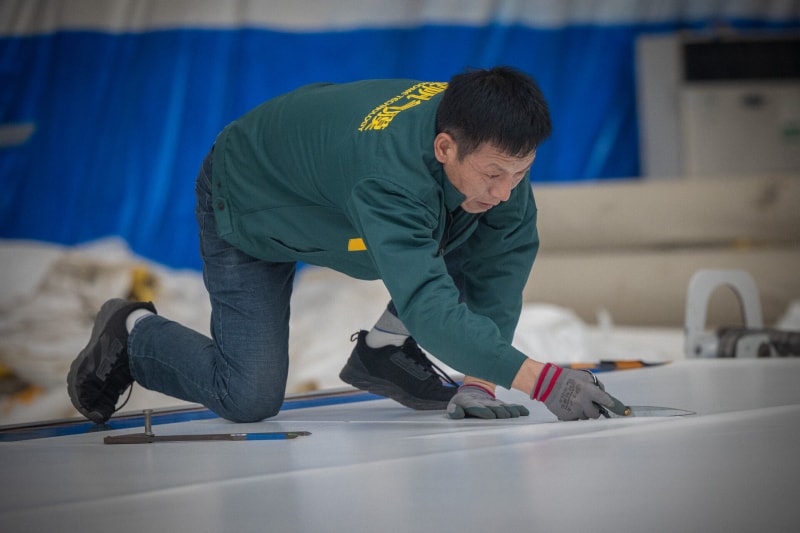
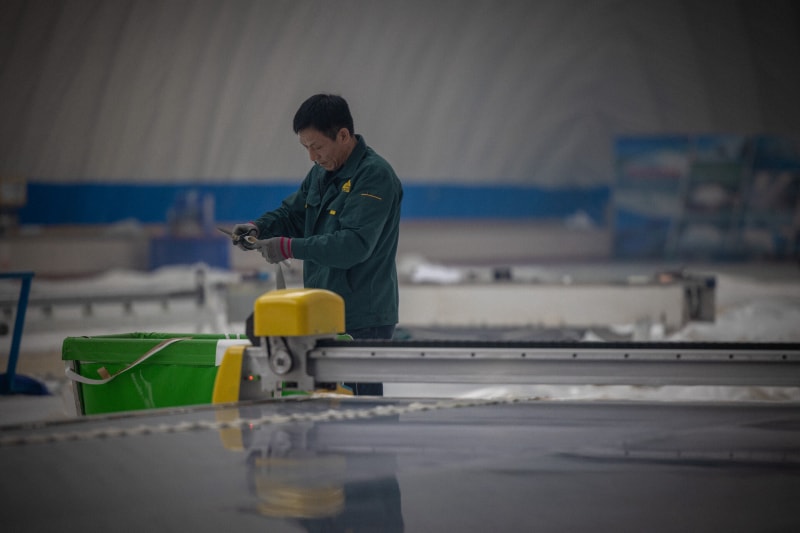
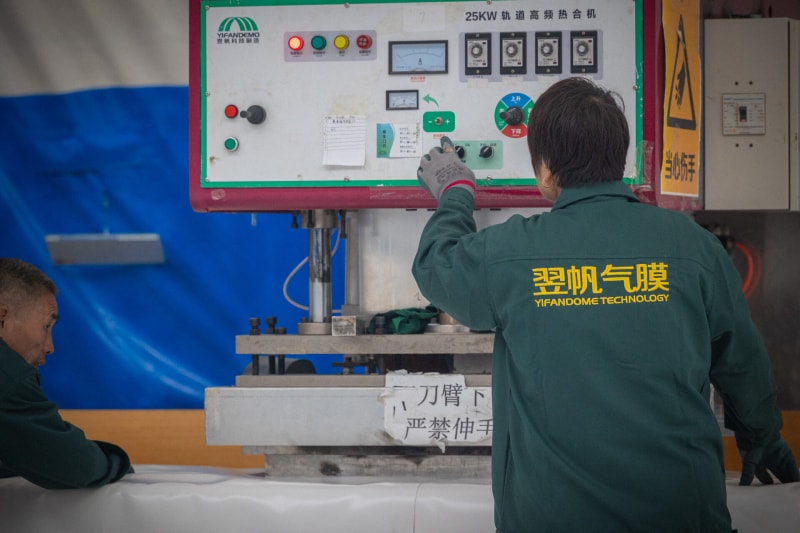
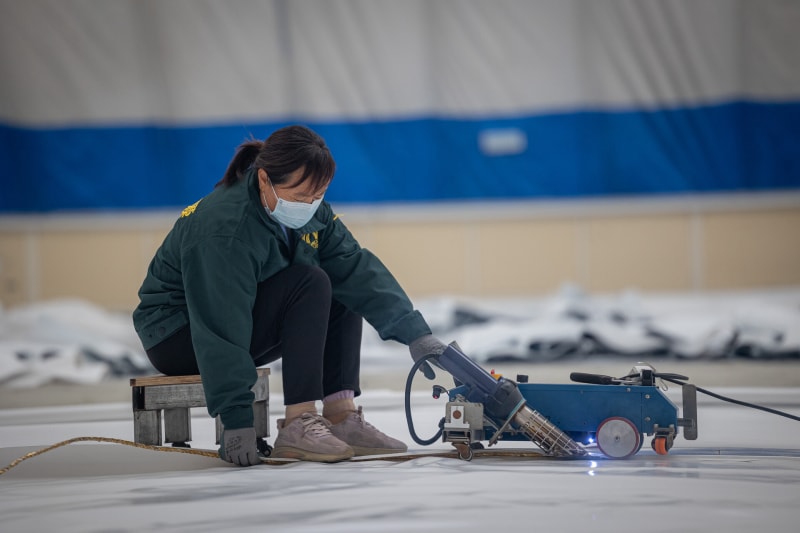
As the global community shifts toward sustainable practices and circular economies, the integration of air domes in agricultural and leisure sectors will follow several key technological trends:
The next generation of air-supported structures will integrate flexible, thin-film photovoltaic (PV) solar cells directly onto the PVDF membrane surface. This allows the air dome to generate its own electricity, powering the blower systems, automated agricultural irrigation, and sports stadium lighting, resulting in a self-sustaining, net-zero energy building.
Artificial Intelligence will play a pivotal role in managing the complex ecosystem inside dual-use domes. AI algorithms will analyze local weather forecasts, indoor air quality, soil moisture, and current athletic activity levels to dynamically adjust airflow, temperature, and light levels. This ensures that crops receive optimal growth parameters while minimizing energy consumption during times when sports courts are unoccupied.
Future designs will focus on optimizing the gas exchange between the human sports zones and the plant cultivation zones. Elevated carbon dioxide levels exhaled by active athletes will be captured and routed directly to the greenhouse zones to accelerate plant photosynthesis. Conversely, oxygen-rich air purified by the crops will be pumped back into the athletic areas, enhancing stamina and athletic performance naturally.