



16-Grade Wind-Resistant Air Dome, Exploring a New Form for Tropical Applications
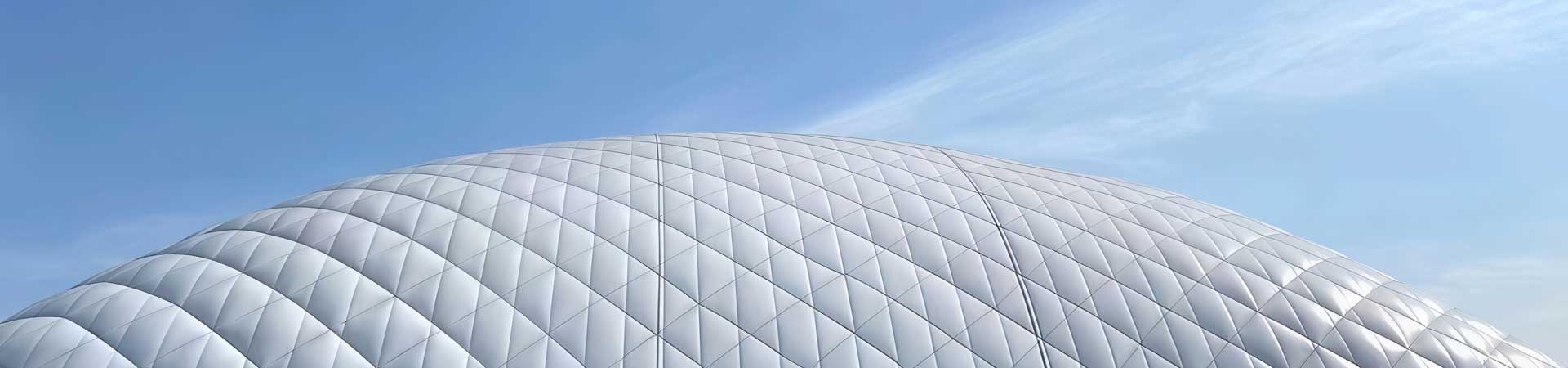
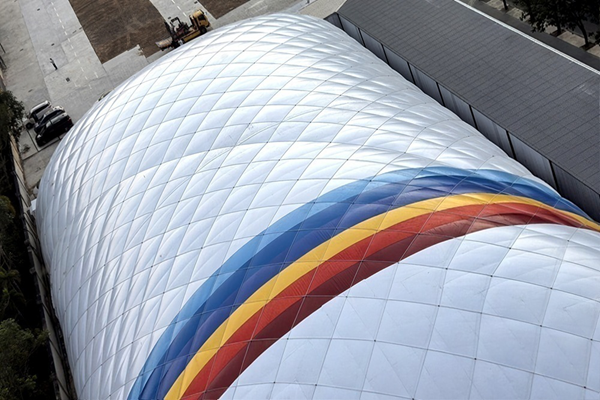
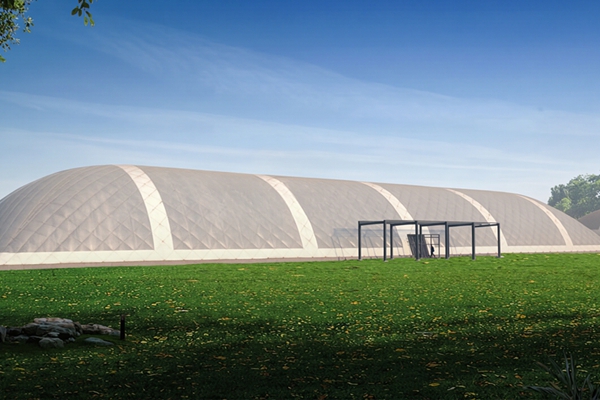
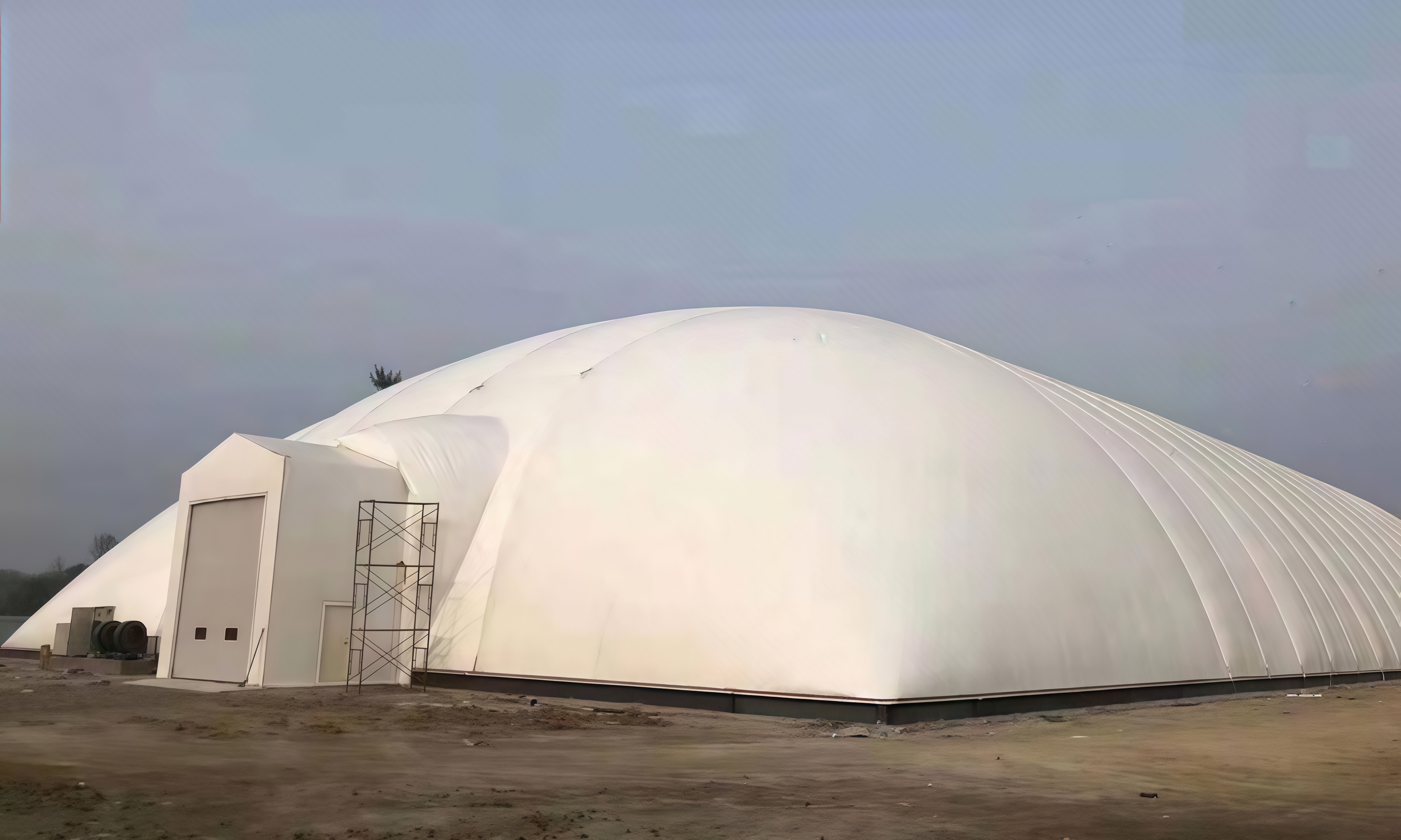
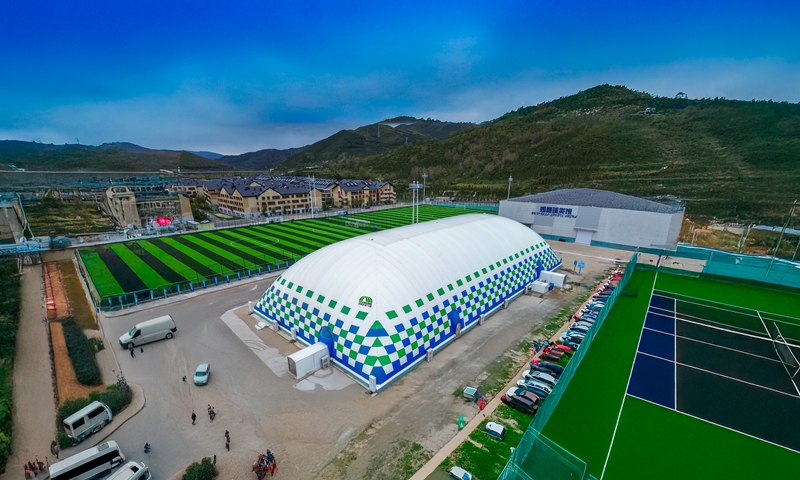
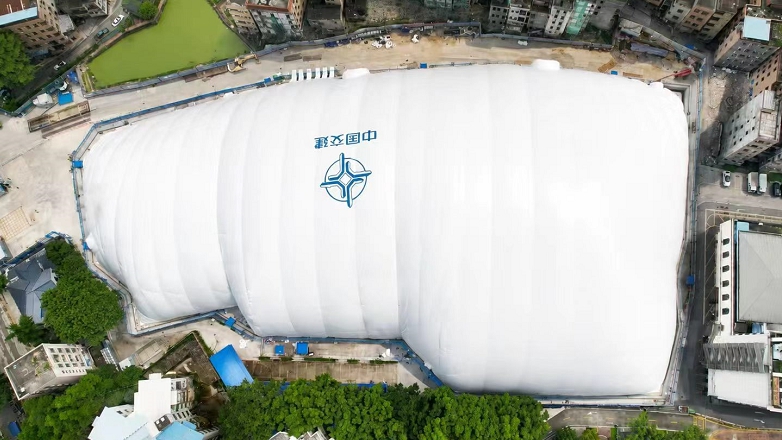
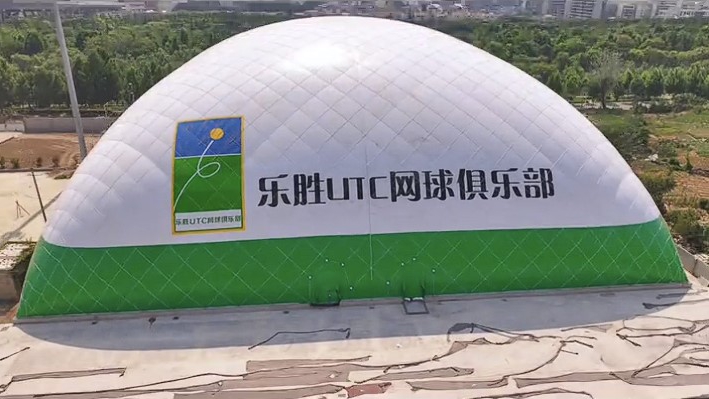
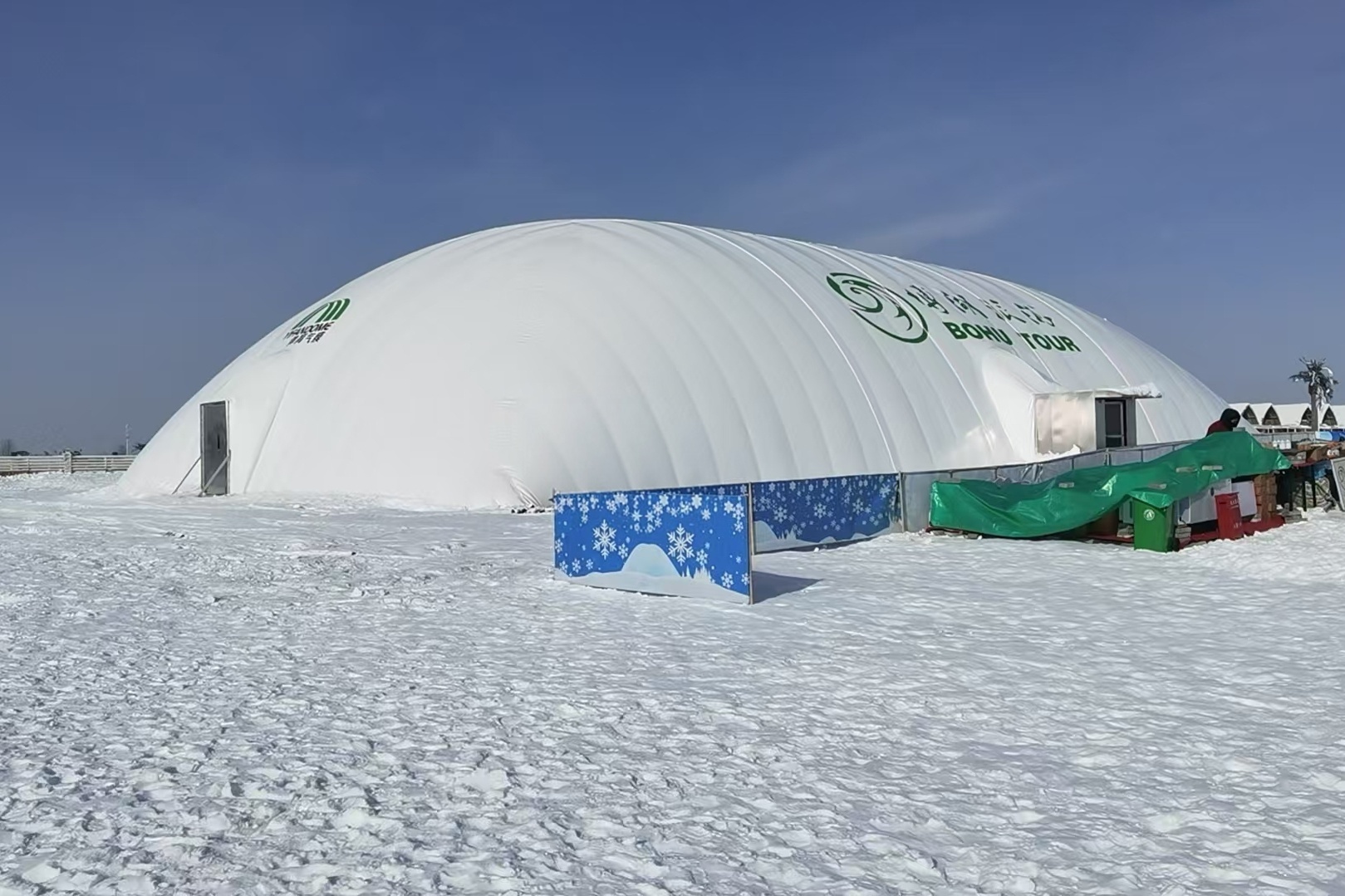
The Hainan Lingshui Badminton Air Dome Hall, which was completed at the end of the first half of the year, has been operating stably for more than two months. The sports air-supported building covers an area of 2,700 square meters and its unique wind-resistant design enhances the ability of the inflatable membrane building to be used in conditions of frequent typhoons and high temperature and humidity.
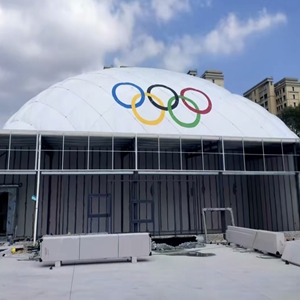
Based on on-site materials and the project manager's description, this sports air-supported structure stadium uses a cross-cable net outside the membrane compared to ordinary sports air-supported structure stadiums. The cable net can work together with the membrane to share the load, and the prestressed anchoring system enhances its resistance to strong winds, making it able to withstand a category 16 typhoon. In a coastal tropical region like Hainan, the facility must contend not only with typhoons but also with high humidity and high temperatures. The air-supported badminton hall has now been operating stably for over two months. This is because it is also equipped with a constant temperature and humidity system and a fresh air purification device. Combined with the membrane with an insulation layer, it maintains positive pressure inside while regulating the temperature, humidity and air environment inside the air dome, providing a more stable and comfortable space for exercise.
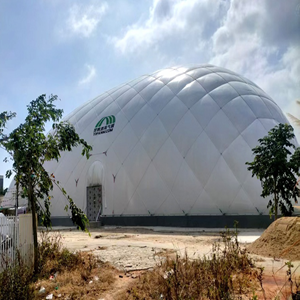
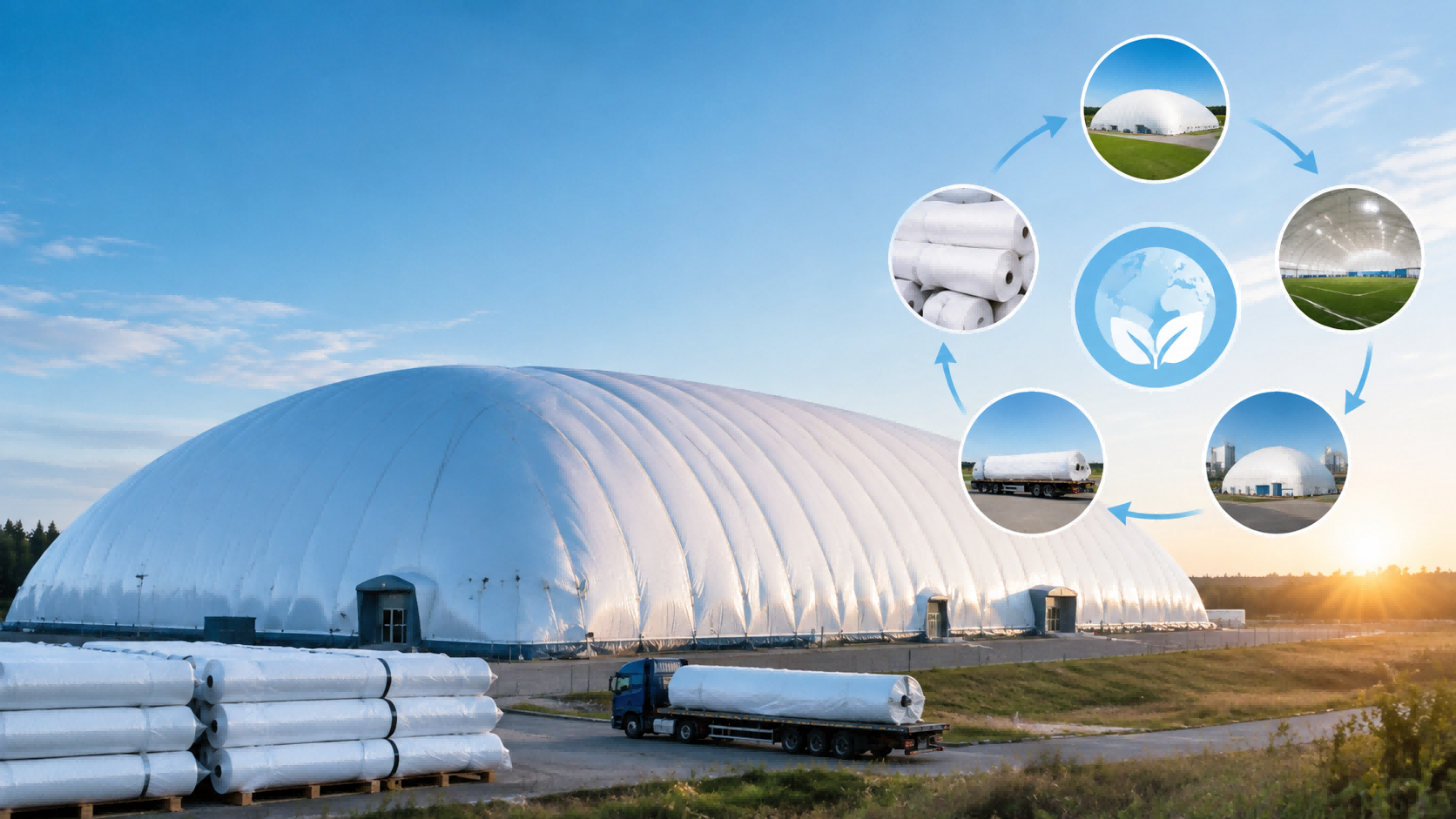
This badminton sports air-supported building is an important example of our projects in tropical regions. It successfully explored solutions for air-supported membrane structures under typhoon, high temperature and high humidity conditions, adding weight to the widespread application of air-supported membrane structures.This also serves as a reminder that for project design in unconventional areas, it is necessary to comprehensively consider various factors that affect the implementation and operation of air-supported membrane structures, such as the eight considerations we have compiled.
In the future, we will continue to focus on projects in tropical regions, constantly strengthen innovation, and provide better solutions.