



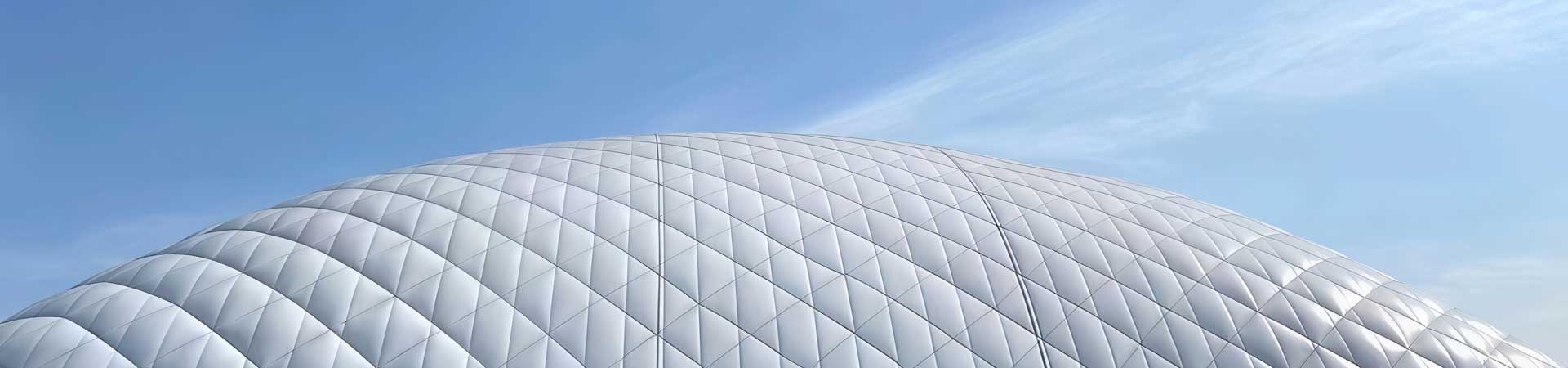
Introduction to the Characteristics and Applications of Common Membrane Materials
As an experienced membrane material manufacturer, a significant portion of our time in business communications is spent educating clients about membrane materials. Today, we’ll introduce the characteristics and applications of commonly used membrane materials in a clear and accessible way.
Below is an overview of the properties and typical use cases of PVC (PVDF) membranes, PTFE membranes, and ETFE membranes:
PVC (PVDF) membrane is a widely used synthetic polymer membrane material with a typical service life of around 15 years. It is often referred to in the industry as a “semi-permanent membrane material.” It has the following characteristics:
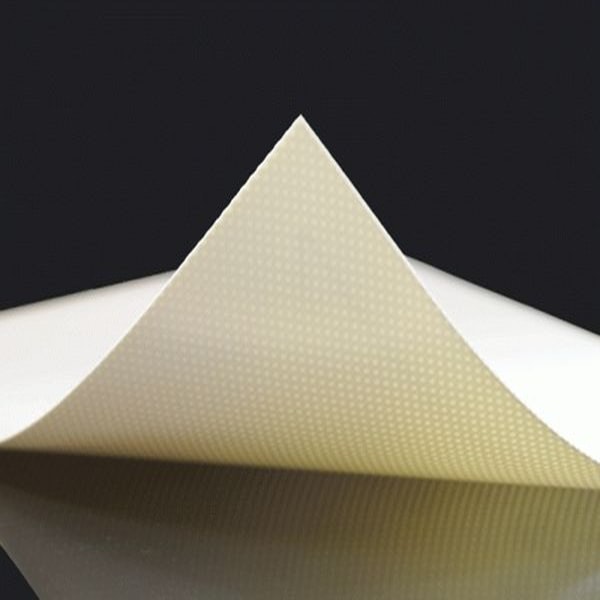
PTFE membrane is made of polytetrafluoroethylene, with a typical service life of around 30 years. It is often referred to in the industry as a “permanent membrane material.” It has the following characteristics:
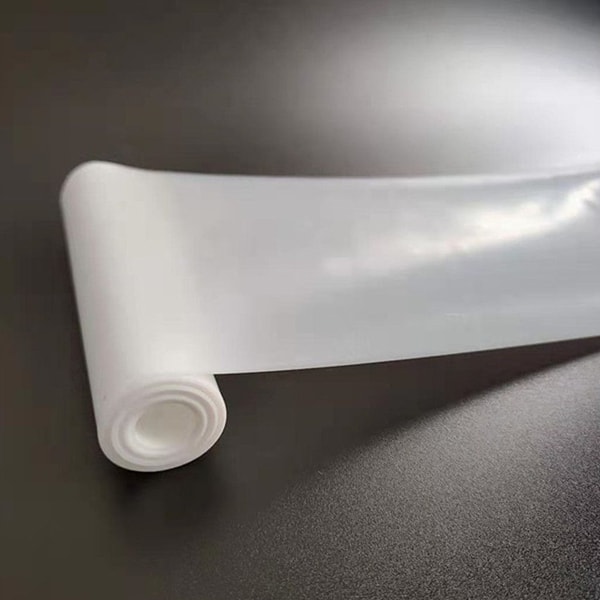
ETFE membrane is made from ethylene tetrafluoroethylene copolymer and has the following characteristics:
These membrane materials each have unique advantages in membrane structure engineering. Selecting the appropriate material depends on specific project needs and design requirements.
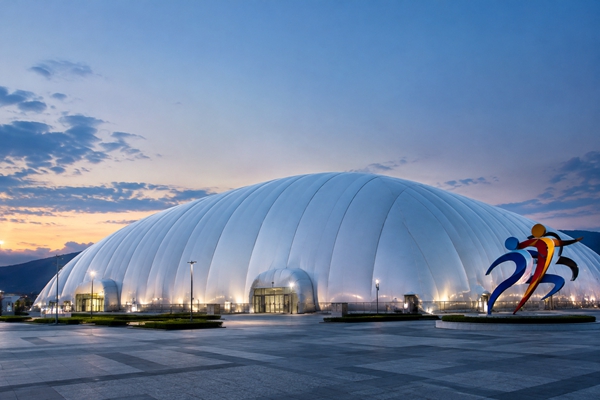
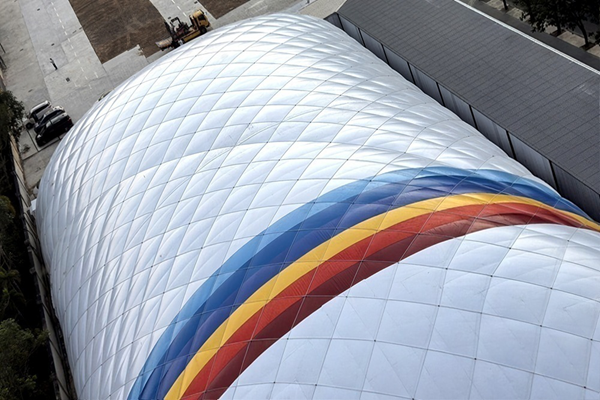
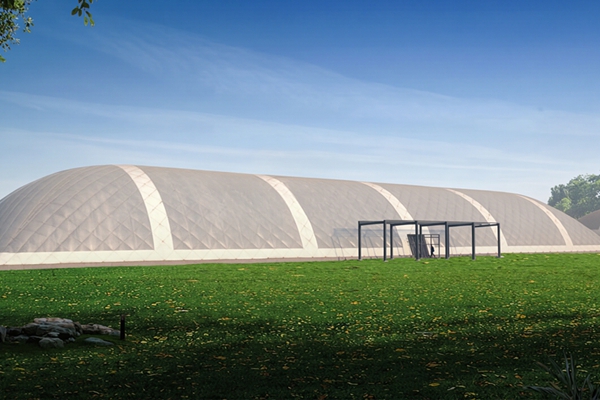
Henan Yifan Environmental Technology Co., Ltd. is dedicated to technological innovation and product development in new-type air-supported structures. It is a professional supplier of complete air dome building systems and solutions, and has been recognized as a National High-Tech Enterprise.
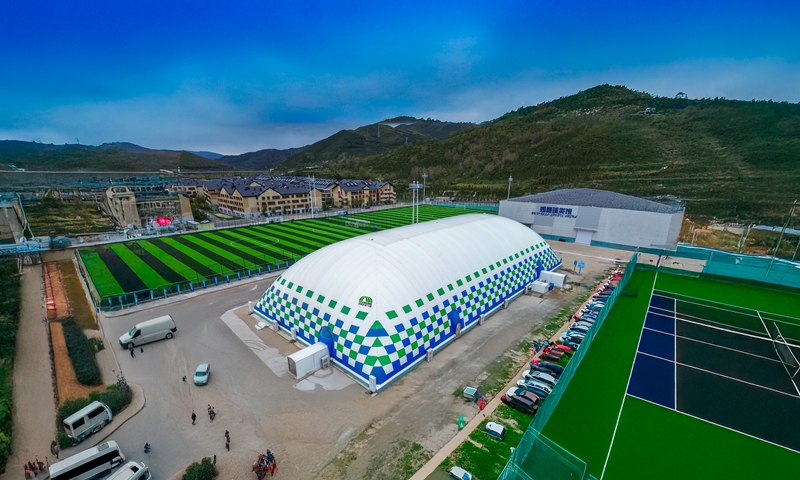
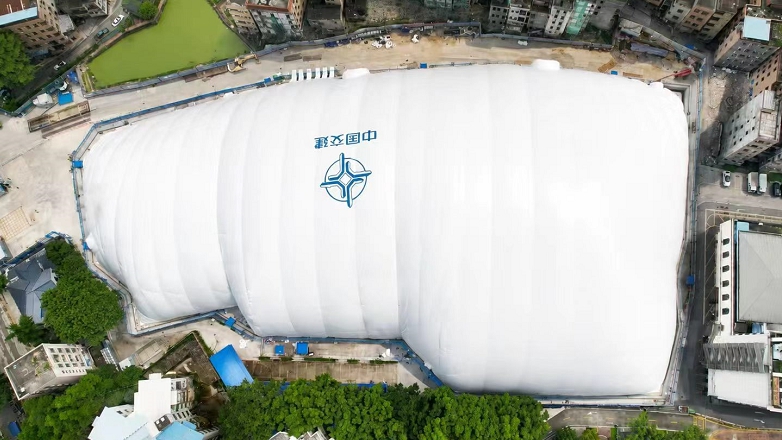
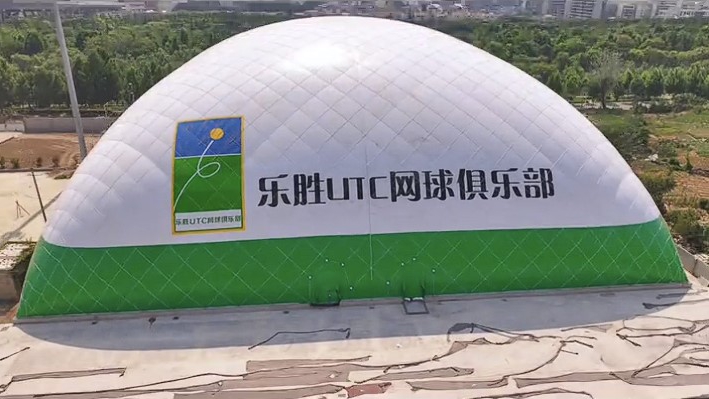
The company’s business scope covers spatial structure design, air dome building solutions, complete equipment manufacturing, membrane structure fabrication, project installation, IoT platform development, intelligent equipment manufacturing, and modern agriculture. Its products are widely applied in civil sectors such as sports venues (basketball courts, tennis courts, badminton halls, swimming pools, ice and snow arenas, fitness centers), specialized training facilities, activity centers, and large exhibition halls, as well as in industrial fields including coal storage domes, material storage, environmental enclosures, and large-scale warehousing.
The company provides a full-process service system covering design, manufacturing, and project implementation. It currently operates a production base of over 40 mu, with more than 20,000 square meters of standardized clean workshops, equipped with industry-leading membrane processing production lines and supporting assembly facilities, achieving an annual membrane processing capacity of 2 million square meters.