
Leave Your Message
Explore our advanced structural membranes engineered specifically for modern greenhouse canopies and industrial crop protection covers.
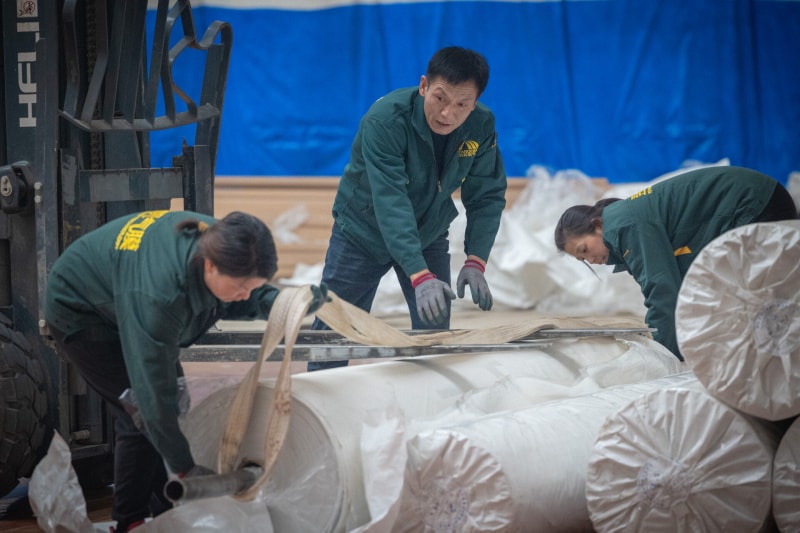
Premium grade fluoropolymer-coated glass fiber fabric engineered for optimal light diffusion and long-term UV resistance in crop protection.
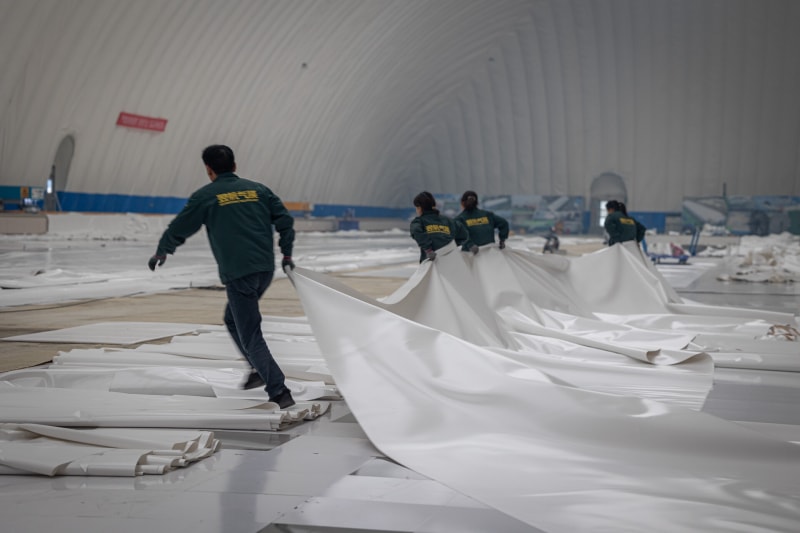
Heavy-duty, structural membrane panels designed to withstand severe winds, heavy snow loads, and intense solar radiation.
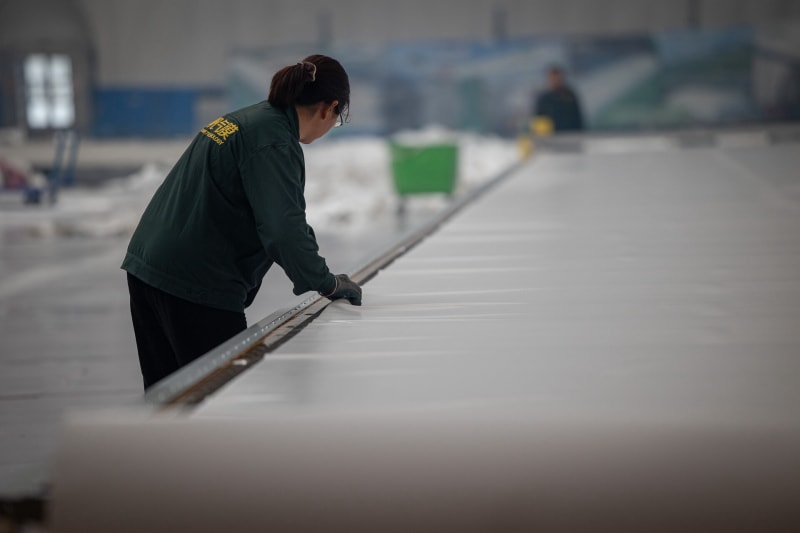
Custom-engineered panels processed via CNC cutting machinery to ensure flawless dimensional accuracy for large-span greenhouse domes.
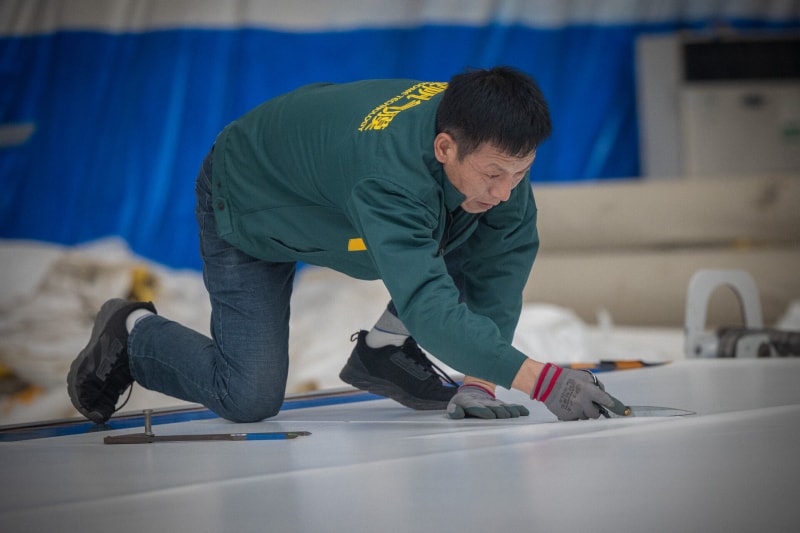
Hand-finished, hermetically sealed edges that prevent moisture ingress and fiber exposure, ensuring structural longevity in humid greenhouses.
The global agricultural sector is undergoing a massive transformation driven by climate volatility, resource scarcity, and the urgent need for sustainable food production. Traditional greenhouse structures, which historically relied on glass or low-density polyethylene (LDPE) films, are increasingly falling short under extreme weather pressures. This has paved the way for advanced architectural textiles, specifically PTFE (Polytetrafluoroethylene) coated fiberglass fabric roofs, to emerge as the premier solution for commercial greenhouses and industrial crop protection.
PTFE fabric roofs represent the pinnacle of structural membrane technology. Originally developed for high-end architectural venues, airports, and sports stadiums, these membranes are now being adopted by forward-thinking agricultural enterprises. The commercial viability of PTFE in agriculture is rooted in its extraordinary lifecycle economics. While traditional plastic films require replacement every 3 to 5 years—resulting in recurring material waste, labor costs, and crop disruption—PTFE membranes boast a service life exceeding 30 years. This long-term durability drastically reduces the total cost of ownership (TCO) for commercial growers.
Engineered to last over 30 years without significant degradation, outperforming standard PE and PVC greenhouse films by decades.
Filters harsh direct sunlight into soft, scattered light that penetrates deep into the plant canopy, boosting photosynthetic efficiency.
Unmatched resistance to hail, heavy snow loads, typhoons, and extreme temperatures ranging from -70°C to +230°C.
As Controlled Environment Agriculture (CEA) scales globally, the demand for large-span, column-free structures has skyrocketed. PTFE fabric roofs, integrated with air-supported dome technology or lightweight steel trusses, allow for the creation of massive microclimate zones. Industry trends indicate a strong shift toward hybrid farming systems that combine solar energy generation with protective membranes. Modern PTFE membranes can be manufactured with varying levels of translucency (ranging from 10% to 50%), allowing growers to customize light transmission based on the specific biological requirements of their crops.
PTFE fabric roofs are not one-size-fits-all covers; they are highly customizable structural components that address specific challenges across diverse agricultural and industrial sectors. Below, we analyze the primary scenarios where PTFE membranes provide unparalleled value:
Certain high-value crops, such as medical cannabis, exotic orchids, and organic berries, are highly sensitive to environmental fluctuations and direct solar radiation. Direct sunlight can cause leaf scorching and localized overheating, which degrades crop quality. PTFE fabric roofs scatter incoming solar rays, eliminating shadows and hot spots. This diffused light reaches the lower leaves of the plants, encouraging uniform growth, higher yields, and superior chemical/nutrient profiles in the harvest.
In regions prone to severe weather—such as hail belts in North America, typhoon zones in East Asia, or heavy snow regions in Northern Europe—standard greenhouses are constantly at risk of collapse. A ruptured greenhouse roof can destroy an entire season's yield in minutes. PTFE-coated fiberglass possesses immense tensile strength (often exceeding 5000 N/5cm). It absorbs the impact of large hailstones and supports heavy snow accumulation without tearing or stretching out of shape.
Aquaculture operations require strict temperature regulation and protection from external contaminants. PTFE membranes are chemically inert and highly resistant to moisture, chlorine, and saline environments. When used as roofs for fish farms or algae cultivation ponds, they prevent water evaporation, block harmful UV rays that promote unwanted wild weed growth, and maintain a stable thermal barrier, leading to healthier aquatic ecosystems and faster growth cycles.
Modern animal husbandry demands clean, well-ventilated, and biosecure environments. Traditional metal-roofed barns suffer from rapid corrosion due to ammonia emissions from livestock waste. PTFE is completely immune to chemical corrosion. Furthermore, when applied to waste treatment ponds or manure storage zones, air-supported PTFE domes act as highly effective odor containment systems, allowing farms to comply with strict environmental regulations.
Yifan Air Dome is a high-tech enterprise dedicated to innovative, eco-friendly air-supported membrane structures and integrated air dome building solutions. As a leading integrated service provider in the application of membrane structure technology across China, we cover the full industrial chain of R&D, design, manufacturing, installation and full-cycle operation and maintenance, delivering high-efficiency, energy-saving and low-carbon sustainable building space solutions for global clients.
With years of deep cultivation in the air dome and membrane structure industry, we adhere to the development philosophy of green low-carbon, technological innovation and quality priority, and strictly comply with industrial construction and production standards. Supported by standardized production techniques and abundant experience in large-scale project implementation, we professionally customize various air domes, including sports stadiums, industrial warehouses, environmental enclosures, cultural tourism venues and exhibition membrane buildings, which are widely applied in sports fitness, industrial storage, environmental dust prevention, cultural tourism scenic spots and public supporting facilities.
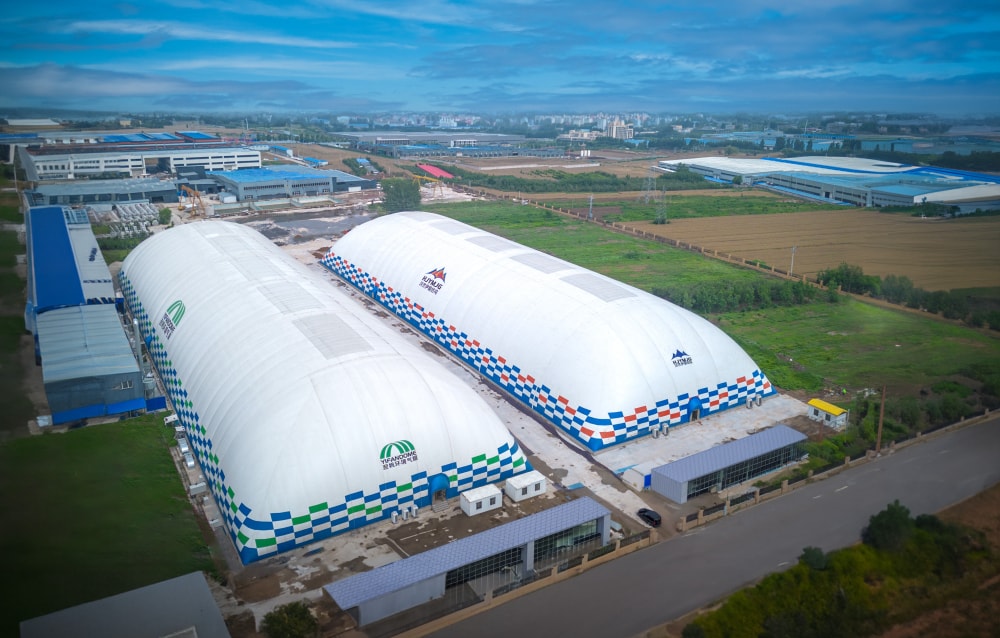
Taking modular innovation and environmental adaptation technology as our core philosophy, we focus on the R&D and scenario application of air dome buildings. Leveraging an advanced modular structure and robust environmental adaptability, we deliver core strengths including shorter construction cycles, cost-effectiveness, easy disassembly and relocation, and recyclable reuse. Our structures perfectly withstand complex weather and natural conditions such as snow, gale winds, heavy rain, high temperature and severe cold. We adhere to tailored solutions adapted to local conditions. Fully suited for diverse application scenarios, we comprehensively meet clients’ customized needs for personalized space utilization and engineering construction.
Moving forward, Yifan will further advance core technologies in air-supported structure innovation and environmental adaptability. By deeply cultivating the global market for membrane structures, the company aspires to become a leading international provider of comprehensive solutions for air-supported buildings. Leveraging green, low-carbon technologies to empower the transformation of architectural spaces, Yifan aims to create a new global ecosystem of modular air-supported structures—one that is safer, more energy-efficient, better adapted to diverse needs, and more sustainable.
Our state-of-the-art manufacturing facility ensures that every PTFE fabric roof is fabricated to meet rigorous quality standards, from material selection to final dispatch.
Select the customized membrane material based on specific light transmission, thermal, and mechanical project requirements.
Deploy the membrane material carefully onto flat preparation surfaces to ensure crease-free alignment and inspection.
Lay the membrane material on the automated cutting machine and import the flat design drawings into the machine for precision cutting.
Manually trim the edges of the membrane material again to remove exposed fibers and ensure a secure, clean weld.
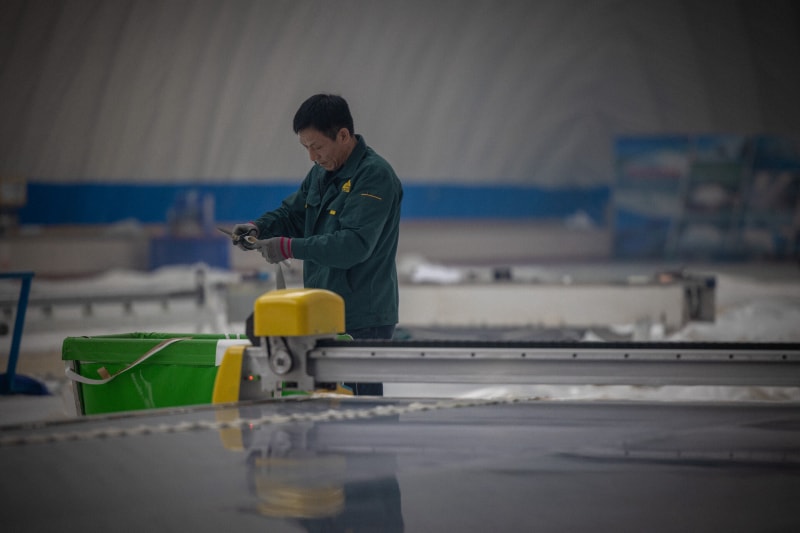
Perform precise cutting, splicing, and application of reinforcement strips to distribute loads evenly across the canopy.
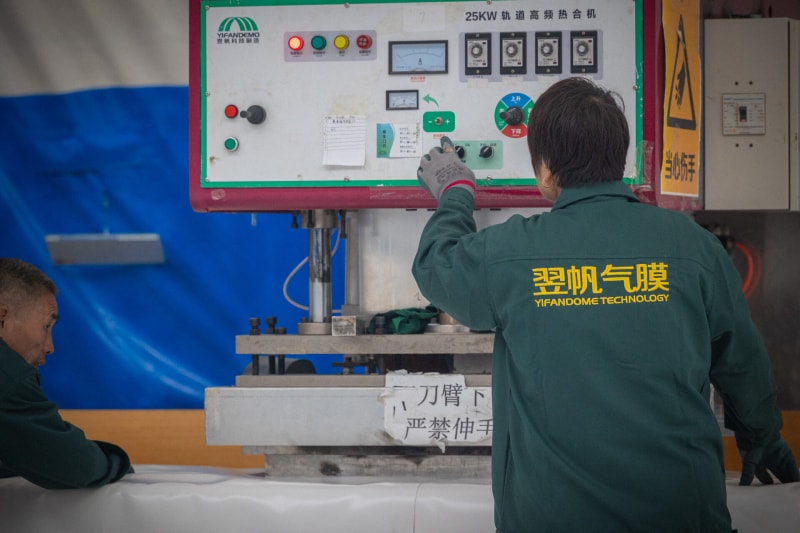
Workers arrange the membrane materials according to the layout drawings and weld them using a track-type high-frequency heat-sealing machine.
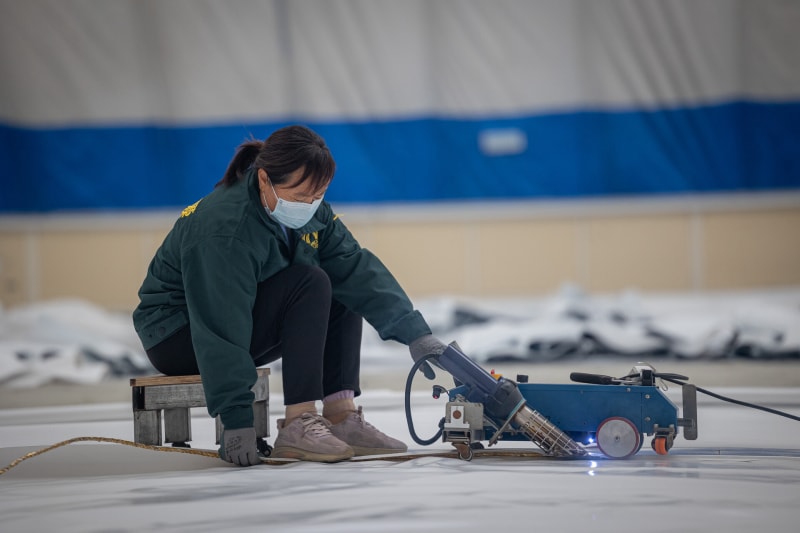
Utilize a specialized small hot sealer for welding the rope channel, reinforcing the tension edges of the membrane.
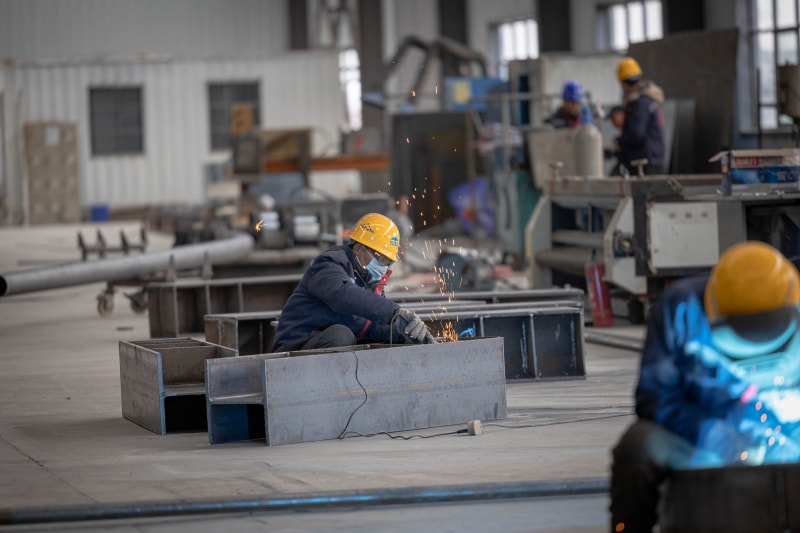
Manufacturing aluminum alloy clamps, door and window fittings, and inflatable pipes to secure structural integrity.
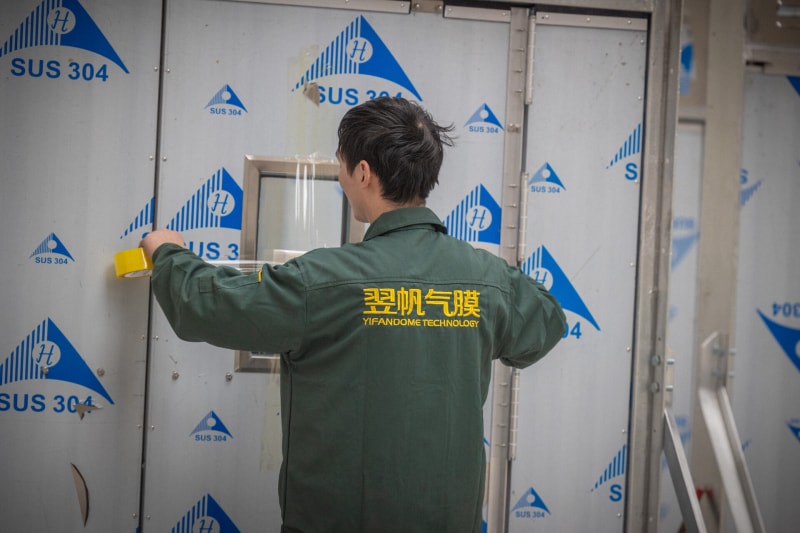
Final inspection of the product, secure packaging, and logistics preparation for safe global transportation.
Our complete range of custom-fabricated PTFE membrane products, optimized for agricultural resilience and high-yield farming environments.
Tailored translucency panels optimized to enhance photosynthesis and protect delicate crops from scorching.
Premium architectural grade membrane system providing heavy-duty protection against extreme climate hazards.
Computerized cutting ensures absolute dimensional accuracy for large-scale commercial farming domes.
Hand-finished edges prevent structural fraying and moisture penetration under high-humidity greenhouse operations.
Integrated reinforcement strips designed to handle high wind shear and maintain aerodynamic structural stability.
Industrial-grade high-frequency welded seams that guarantee 100% waterproof and airtight performance.
Sealed rope channels engineered to distribute tensile loads smoothly across structural support cables.
Corrosion-resistant aluminum alloy clamps and fittings engineered for agricultural structural integrity.