
Leave Your Message
Innovative construction phases and custom engineering solutions optimized for indoor athletic venues
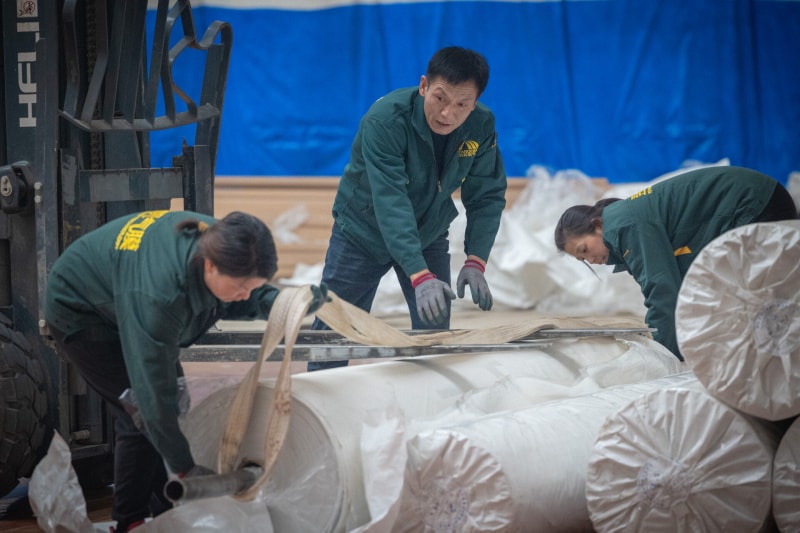
Selecting and testing custom architectural membrane materials designed to meet structural load, thermal insulation, and light transmission requirements of indoor sports facilities.
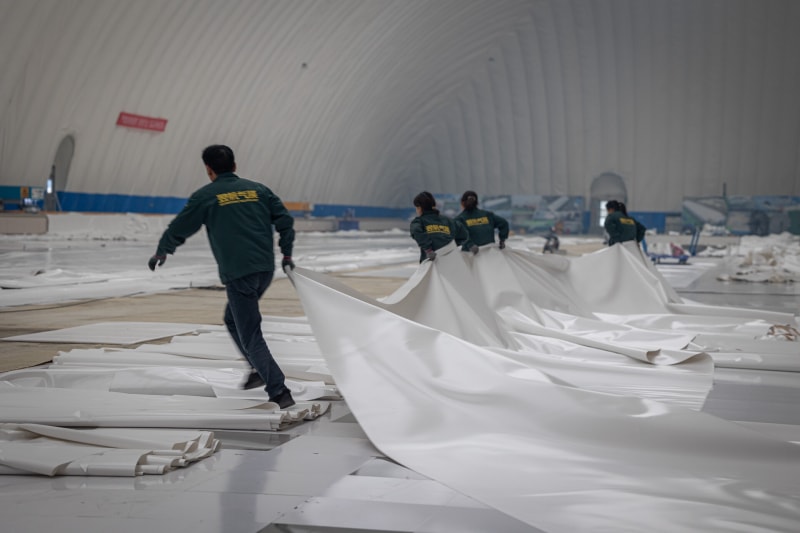
Deploying the high-strength membrane material across the structural framework, ensuring precise alignment and tension control to withstand wind and snow loads.
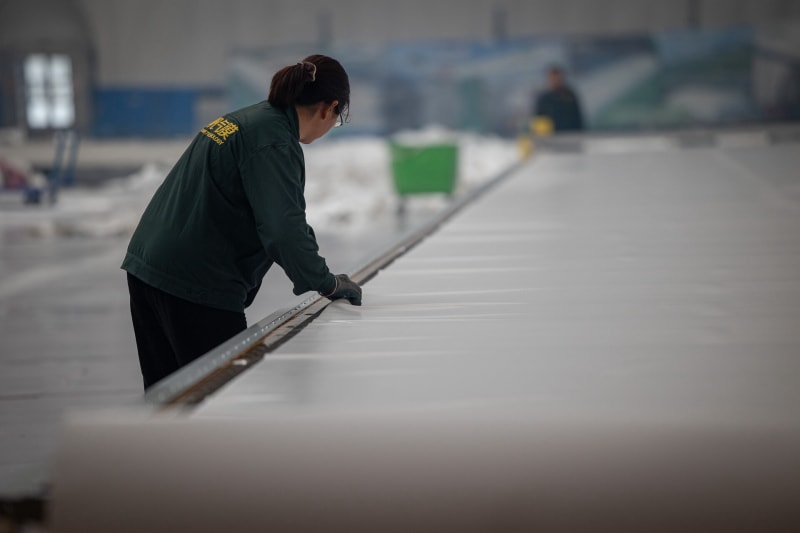
Laying the membrane on automated cutting tables and importing engineering drawings directly into the machinery for millimeter-level precision cutting.
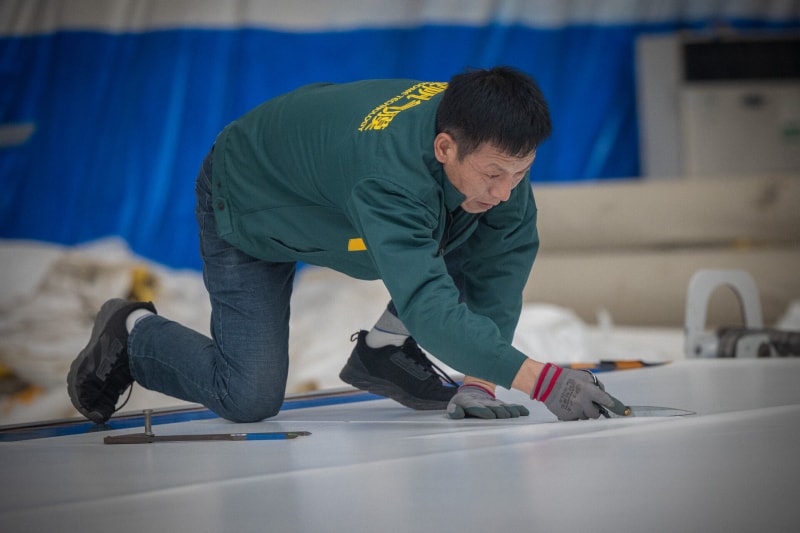
Manually trimming membrane edges to eliminate exposed fiberglass fibers, preparing the material for a secure, high-durability thermal weld.
The global sports infrastructure market is undergoing a profound paradigm shift. Traditional rigid roofing systems—such as corrugated metal, asphalt, and concrete—are increasingly being replaced by advanced architectural membrane structures. Among these, Polytetrafluoroethylene (PTFE) fiberglass fabric roofs have emerged as the gold standard for indoor sports and athletics facilities.
PTFE fabric roofs consist of a woven fiberglass substrate coated with a highly durable fluoropolymer resin. This unique chemical composition delivers unparalleled tensile strength, self-cleaning capabilities, and structural longevity exceeding 30 to 40 years. For commercial developers, public municipalities, and educational institutions, the adoption of PTFE membrane roofs translates directly into reduced lifecycle costs, accelerated construction schedules, and significantly lower operational energy demands.
According to recent architectural industry analysis, the demand for tensile membrane structures in municipal and commercial sports facilities has grown by over 18% year-over-year, driven by the push for carbon-neutral building certifications and optimized natural daylighting.
From Olympic-grade training centers to local multi-sport community hubs, the commercial viability of PTFE is anchored in its ability to span massive distances without the need for dense interior support columns. This column-free design maximizes the usable athletic space, allowing for flexible court layouts, unrestricted spectator sightlines, and safer play zones. Furthermore, the material's inherent fire-retardant properties and resistance to extreme environmental stressors make it a low-risk, high-return asset for long-term municipal investments.
The versatility of PTFE fabric roofs allows architects to tailor building environments to the precise physical demands of different sports disciplines. Below is a detailed breakdown of how PTFE membranes optimize specific indoor athletic environments:
Tennis, badminton, and pickleball demand consistent lighting and minimal glare. Standard metal roofs require heavy artificial lighting grids that create harsh shadows and visual blind spots for players tracking fast-moving balls. PTFE fabric roofs provide up to 15% natural light transmission, diffusing daylight evenly across the courts. This eliminates shadows, reduces eye strain, and lowers daytime electricity consumption to near zero. Additionally, the acoustic dampening properties of tensioned membranes reduce the echo of ball impacts, creating a more focused environment.
Chlorinated environments are notoriously hostile to traditional building materials. Moisture and chemical vapors accelerate the corrosion of structural steel and concrete degradation. PTFE is chemically inert and completely immune to the corrosive effects of chlorine, humidity, and chemical outgassing. Its smooth, non-porous surface prevents mold and mildew growth, ensuring high indoor air quality and minimizing structural maintenance costs over decades of continuous exposure.
Large-scale athletics facilities require massive clear spans to accommodate running tracks, turf fields, and spectator seating. PTFE fabric roofs, supported by lightweight steel arches or cable networks, can easily span widths exceeding 100 meters without interior pillars. This gives facility managers the freedom to reconfigure fields for soccer, basketball, track events, or exhibitions without structural obstructions. The lightweight nature of the fabric roof also reduces the load on the foundation, saving substantial costs during the initial civil engineering phase.
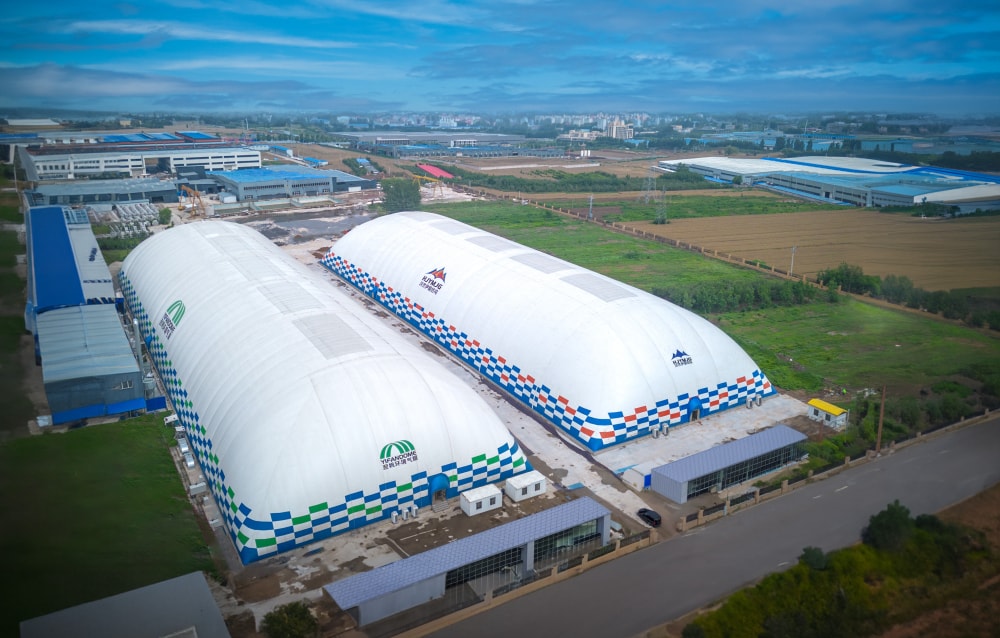
Yifan Air Dome is a high-tech enterprise dedicated to innovative, eco-friendly air-supported membrane structures and integrated air dome building solutions. As a leading integrated service provider in the application of membrane structure technology across China, we cover the full industrial chain of R&D, design, manufacturing, installation and full-cycle operation and maintenance, delivering high-efficiency, energy-saving and low-carbon sustainable building space solutions for global clients.
With years of deep cultivation in the air dome and membrane structure industry, we adhere to the development philosophy of green low-carbon, technological innovation and quality priority, and strictly comply with industrial construction and production standards. Supported by standardized production techniques and abundant experience in large-scale project implementation, we professionally customize various air domes, including sports stadiums, industrial warehouses, environmental enclosures, cultural tourism venues and exhibition membrane buildings, which are widely applied in sports fitness, industrial storage, environmental dust prevention, cultural tourism scenic spots and public supporting facilities.
As the architecture, engineering, and construction (AEC) industry prioritizes sustainability, several cutting-edge trends are reshaping how PTFE fabric roofs are engineered and deployed for sports facilities:
Modern sports domes and tensioned roofs are increasingly integrated with IoT sensors. These sensors monitor real-time tension levels, fabric stress, snow accumulation, and wind pressure. In regions with heavy snow, automated sensor feedback can trigger localized heating systems to melt snow, preventing structural overloading and ensuring the safety of athletes and spectators inside.
Historically, thin membrane structures struggled with thermal retention in extremely cold climates. Today, advanced multi-layer PTFE systems incorporate translucent aerogel insulation layers. This allows the roof to maintain its daylighting benefits while achieving high thermal resistance (R-values) comparable to traditional insulated roofs. Low-Emissivity (Low-E) coatings are also applied to reflect solar heat radiation during hot summer months, drastically lowering HVAC cooling loads.
The integration of flexible, lightweight organic photovoltaic (OPV) panels onto the exterior surface of PTFE roofs is an emerging trend. Because PTFE roofs cover vast surface areas, they present a massive opportunity for solar energy harvesting. By combining the self-cleaning, UV-resistant properties of PTFE with flexible solar cells, sports facilities can generate their own clean electricity, moving closer to net-zero energy operations.
The self-cleaning mechanism of PTFE is driven by its ultra-low surface energy. When rain falls on the roof, it beads up and rolls off easily, washing away dirt, dust, and atmospheric pollutants without the need for chemical detergents or manual scrubbing.
Explore the rigorous manufacturing, welding, and quality control processes behind Yifan's premium PTFE membrane structures
1. Select the customized membrane material based on specific sports facility requirements.
2. Deploy the membrane material across the specialized alignment floor to ensure zero creases.
3. Lay the membrane material on the automated cutting machine and import the flat design drawings.
4. Manually trim the edges of the membrane material again to remove exposed fibers and ensure a secure weld.
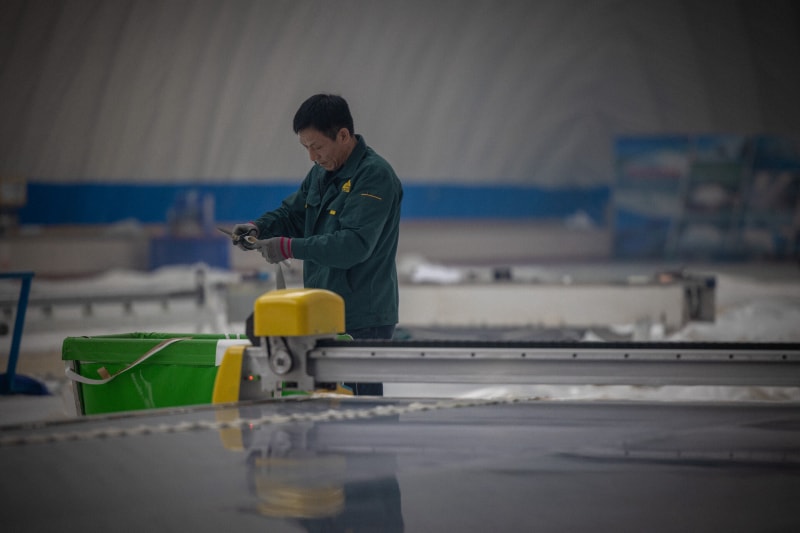
5. Cutting, Splicing, and Reinforcement Strips to strengthen areas subject to high wind and snow load.
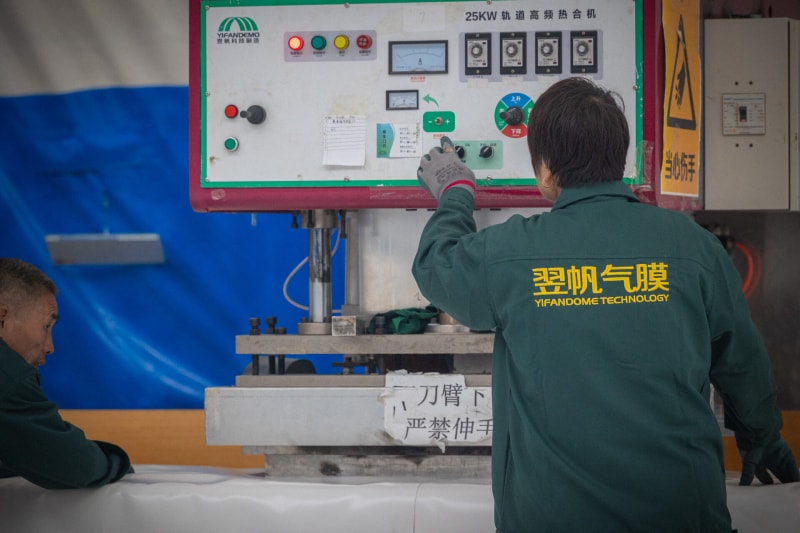
6. Workers arrange the membrane materials according to the layout drawings and weld them using a track-type high-frequency heat-sealer.
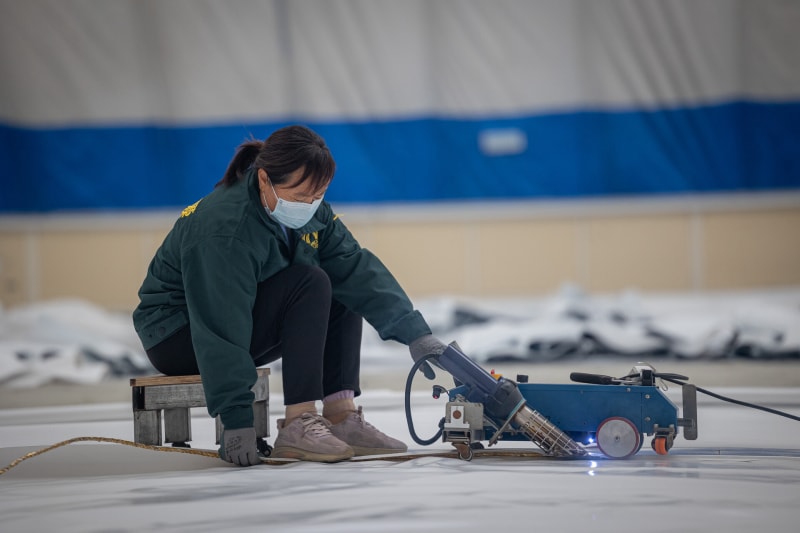
7. Small Hot Sealer Welding Rope Channel to house the steel tensioning cables that secure the sports dome.
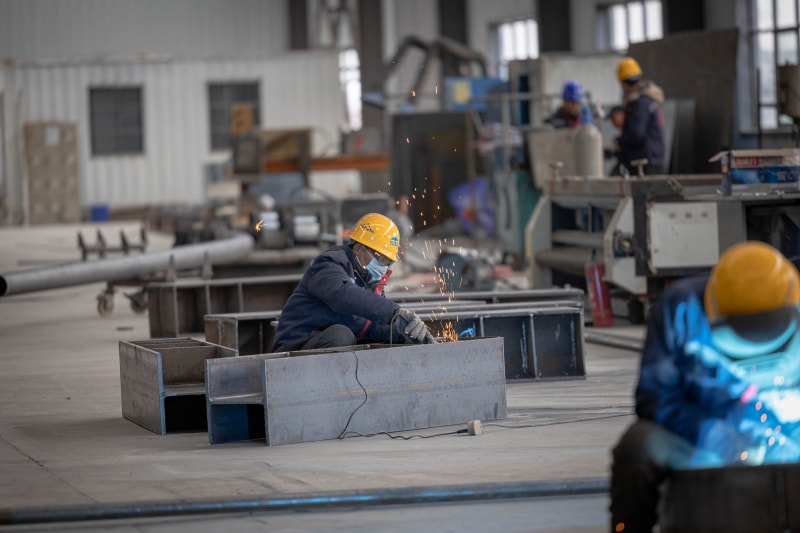
8. Manufacturing aluminum alloy clamps, door and window fittings, and inflatable pipes for airtight seals.
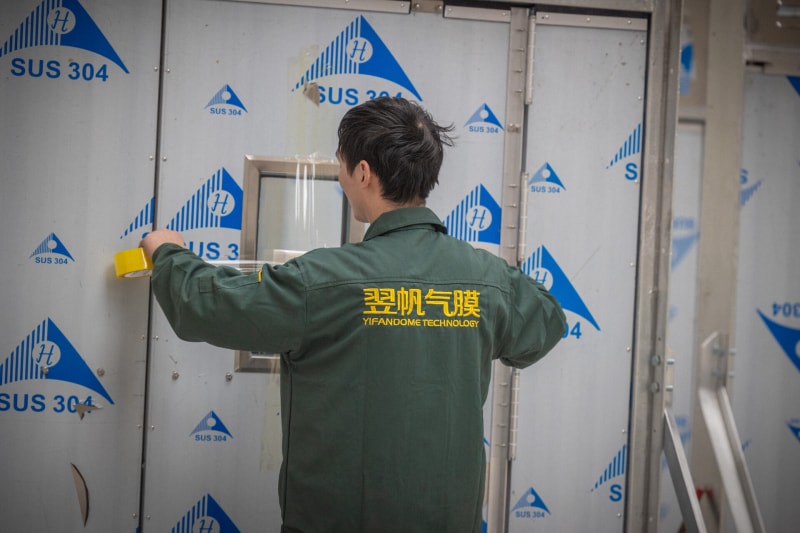
9. Check the product, pack it, and prepare for transportation to guarantee pristine arrival at the construction site.