


The Evolution of Sports Dome Buildings in Industrial Environmental Protection
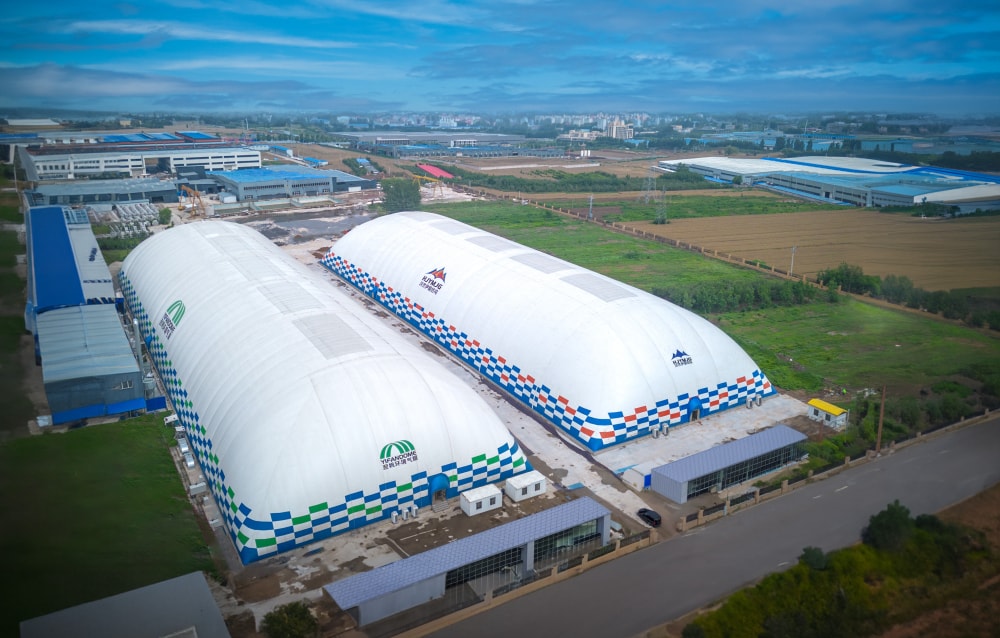
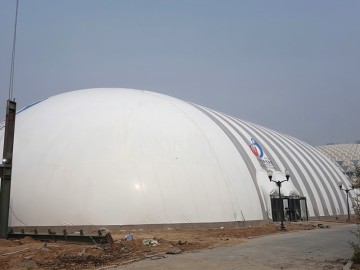
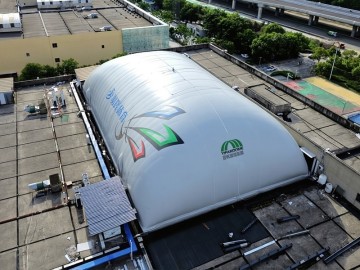
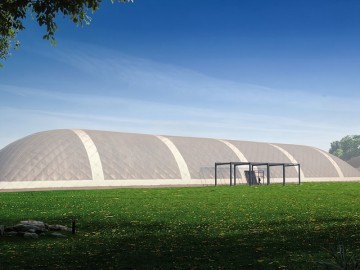
Initially designed to provide climate-controlled, expansive spaces for multi-sport complexes, tennis courts, and football fields, the structural integrity and modular efficiency of sports dome buildings have found a revolutionary application in the industrial sector. Today, these massive air-supported structures are rapidly becoming the gold standard for eco-friendly soil remediation projects worldwide. As governments enforce stricter environmental laws regarding Volatile Organic Compounds (VOCs), hazardous dust, and chemical runoff, traditional open-air excavation is no longer viable. The air dome offers an airtight, negative-pressure containment system that isolates contaminated sites from the surrounding ecosystem, protecting neighboring communities and the atmosphere.
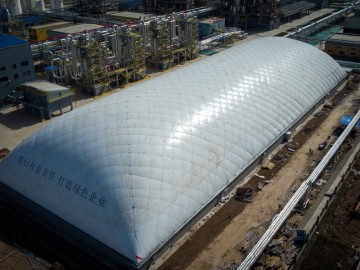
When brownfields, former chemical plants, or industrial waste sites undergo cleanup, the excavation process releases toxic particulates, heavy metal dust, and hazardous gases. Without a physical barrier, wind and rain disperse these contaminants, causing secondary pollution in air and local water tables. A sports dome building adapted for this purpose serves as a giant environmental shield.
Commercial and Industrial Status of Environmental Air Domes
The global soil remediation market is witnessing exponential growth, driven by urban expansion and the redevelopment of industrial brownfields. Developers and municipal authorities face the challenge of cleaning up prime land safely. Historically, rigid steel buildings were erected over excavation sites, but their high cost, long construction timelines, and difficulty in relocation made them commercially inefficient.
In contrast, air-supported membrane structures present an incredibly cost-effective alternative. The commercial adoption of these domes for environmental protection has surged by over 40% in the last decade. Industrial contractors favor them because they can span up to 150 meters without any internal pillars or support columns, providing unobstructed space for heavy machinery, excavators, and dump trucks to operate freely. Furthermore, because air domes rely on internal air pressure for structural support, they require minimal foundation work, reducing the carbon footprint of the setup phase itself.
Deep Dive into Application Scenarios
1. VOC-Contaminated Soil Excavation and Treatment
Volatile Organic Compounds (VOCs) present a severe inhalation hazard and easily evaporate into the air when contaminated soil is disturbed. By utilizing a sports dome building equipped with advanced air purification and carbon filtration systems, operators can maintain negative air pressure inside the dome. This ensures that air only flows inward, preventing any untreated toxic fumes from escaping. The air inside is continuously cycled through scrubbers and active carbon filters before being safely discharged into the atmosphere.
2. Heavy Metal and Hazardous Dust Containment
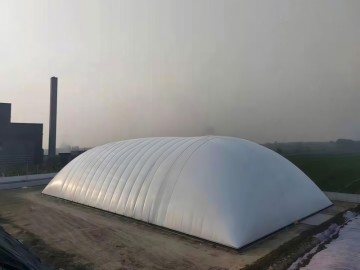
At sites contaminated with lead, arsenic, or asbestos, dust suppression is a matter of public safety. Wind blowing over an open excavation site can carry toxic dust for miles. The sealed environment of a membrane dome completely eliminates wind-induced dust dispersion. Excavation, sorting, and soil stabilization processes are fully contained within the dome, ensuring zero impact on the surrounding community.
3. Bioremediation and Sludge Fermentation
Eco-friendly soil remediation often relies on bioremediation—using microbes to break down contaminants. This process requires precise temperature and moisture controls to optimize microbial activity. Air domes, with their thermal insulation layers and optional transparent PVDF panels, create a greenhouse-like environment that accelerates natural biological degradation processes. Similarly, for sludge fermentation, the dome prevents odor leakage while maintaining the heat necessary for rapid decomposition.
Key Structural Advantages of Yifan Air Domes for Remediation Projects
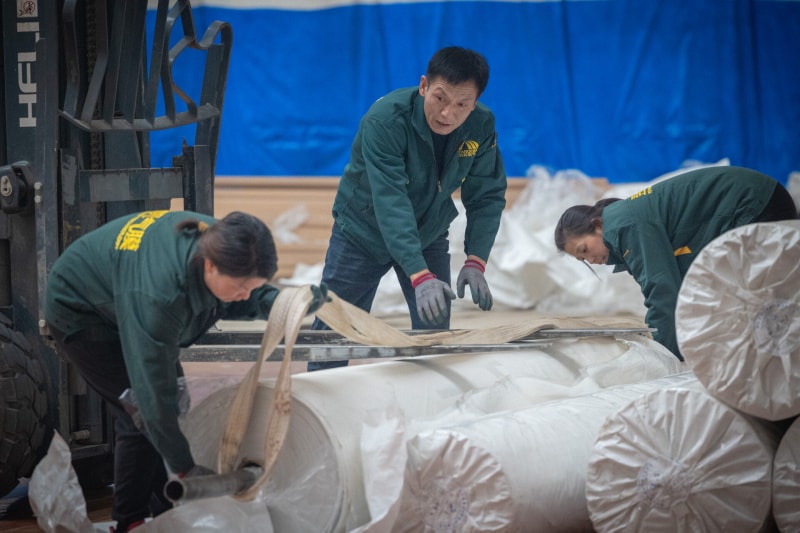
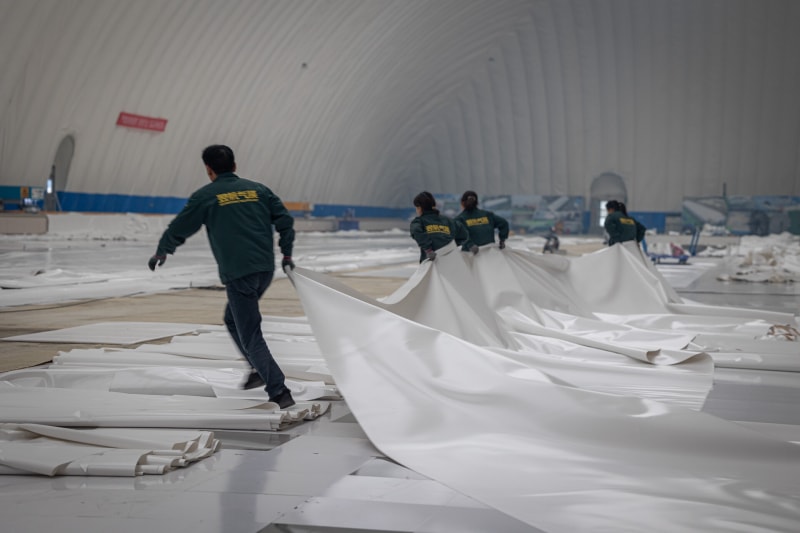
- Rapid Deployment and Dismantling: Remediation projects are temporary by nature. Once the soil is clean, the dome can be quickly deflated, packed, and transported to the next project site, offering unmatched capital efficiency.
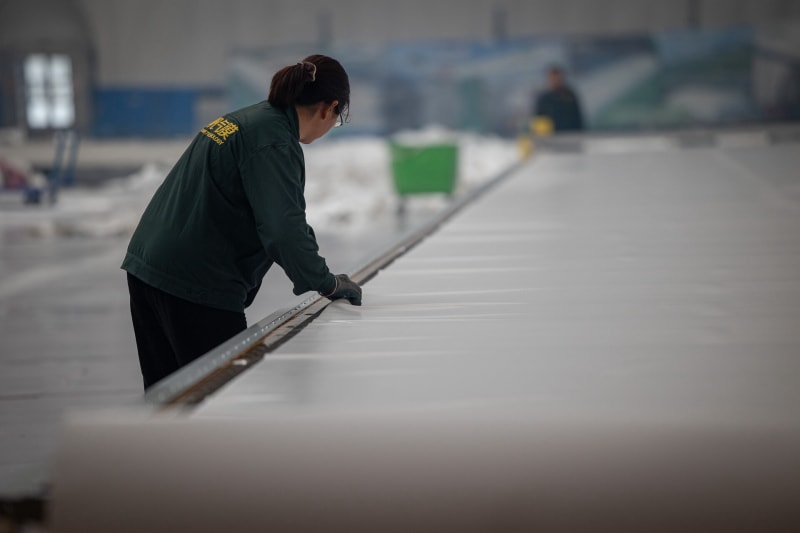
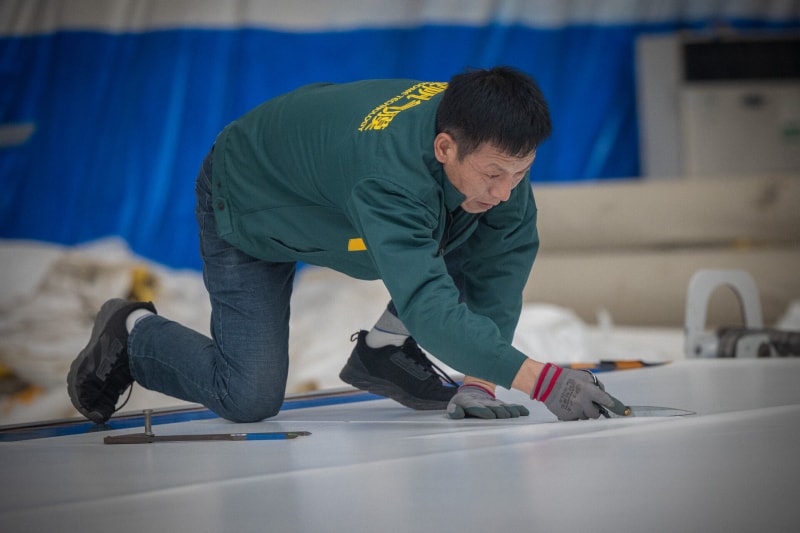
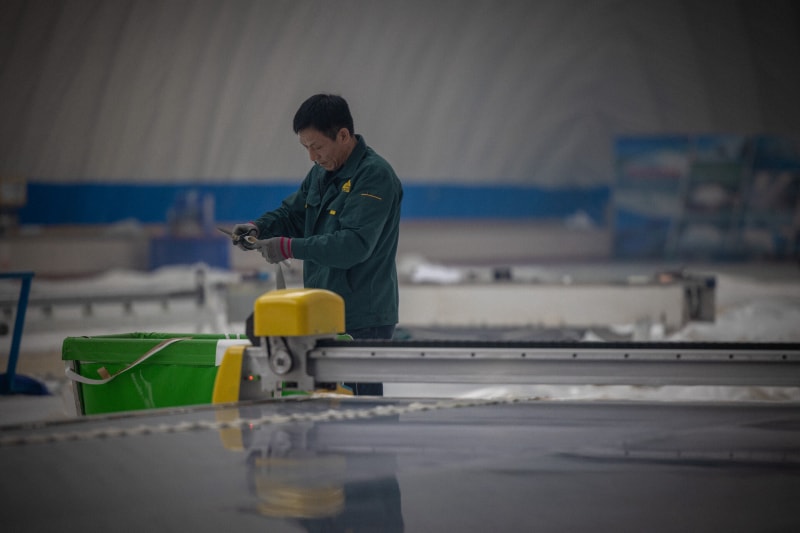
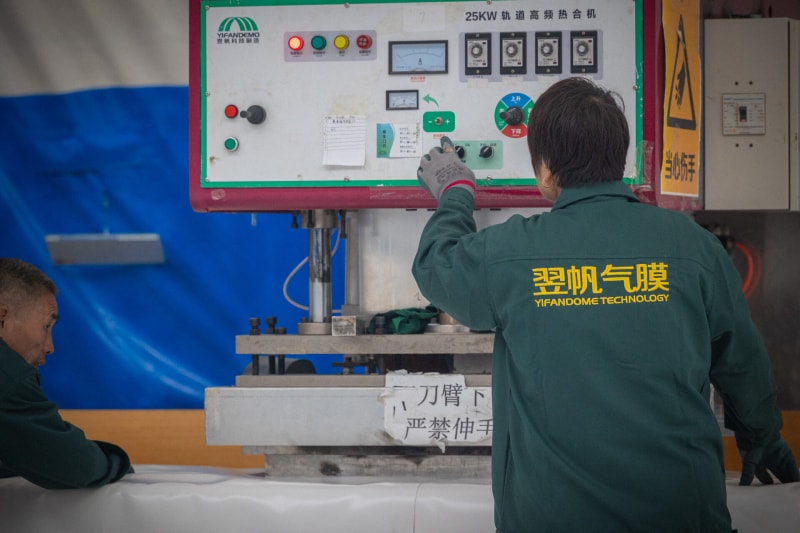
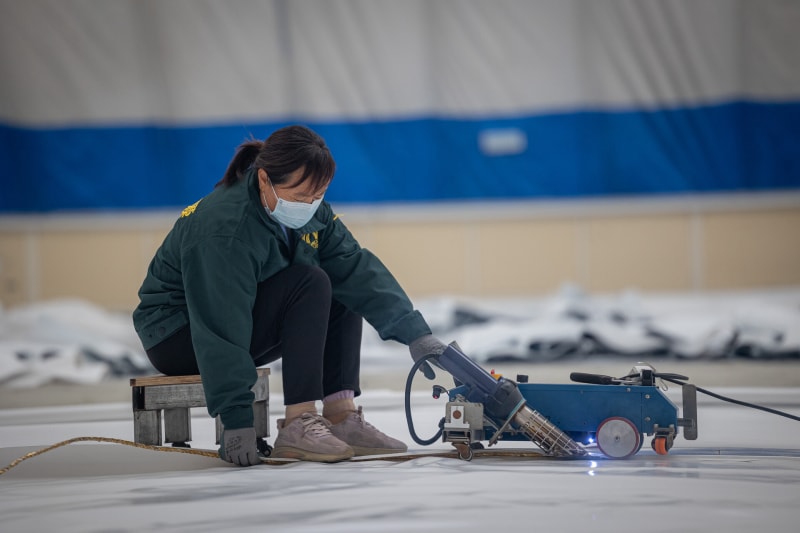
- Corrosion-Resistant PVDF Membranes: Soil remediation sites are chemically harsh environments. Yifan utilizes high-grade PVDF (Polyvinylidene Fluoride) membranes that resist chemical corrosion, acid rain, UV radiation, and mold growth.
- Smart Negative Pressure Systems: Integrated PLC control systems monitor internal air pressure, wind load, and gas concentrations in real-time, automatically adjusting fan speeds to maintain safe operating conditions.
- Energy-Efficient Design: Utilizing natural daylighting through high-transparency membrane sections reduces the need for artificial lighting during daytime operations.
Development Trends: The Future of Eco-Friendly Air Domes
As the world moves toward carbon neutrality, the environmental engineering sector is demanding greener technologies. The next generation of soil remediation domes will integrate flexible solar thin-films directly onto the PVDF membrane, allowing the structure to generate its own power for ventilation and filtration. Furthermore, AI-driven sensor networks are being integrated to monitor soil gas release, optimizing the air exchange rate dynamically and reducing energy consumption by up to 30%. With modular designs becoming more sophisticated, we will see larger-span structures capable of covering entire industrial complexes, facilitating safe, eco-friendly remediation on an unprecedented scale.