Leave Your Message
Deploy state-of-the-art modular air domes to achieve complete environmental compliance and high-capacity bulk material storage.
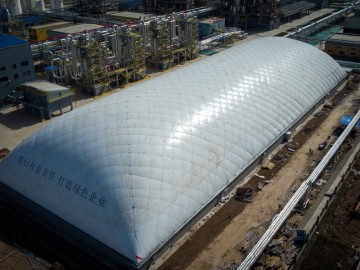
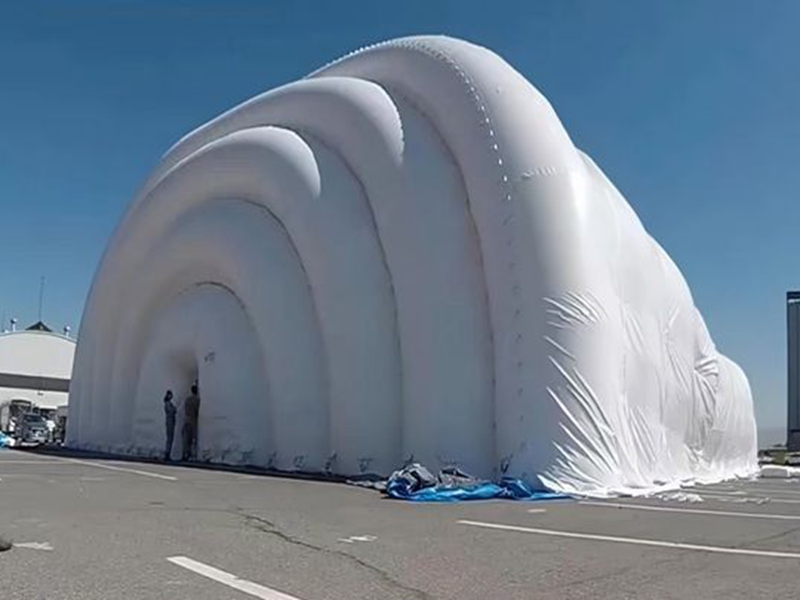
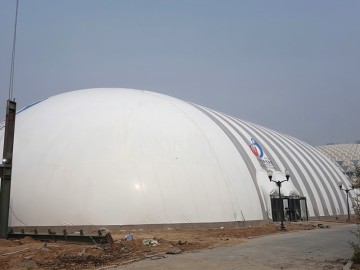
In the modern industrial landscape, the storage and management of bulk materials, specifically coal, present substantial environmental and operational challenges. Traditional open-air coal yards are facing unprecedented pressure from global regulatory bodies due to fugitive dust emissions, wind-borne material loss, and rainwater runoff contamination. As environmental standards tighten, the industry is shifting rapidly toward complete enclosure solutions. Among the available technologies, the Storage Air Dome for Bulk Material Coal Site Enclosure has emerged as the most efficient, cost-effective, and ecologically sound choice.
Key Insight: Air-supported membrane structures eliminate the need for heavy internal steel trusses, providing a vast, unobstructed space that maximizes bulk storage volume while ensuring 100% dust containment.
Historically, heavy steel grid structures or concrete silos were the default options for enclosing large coal terminals and stockpiles. However, these traditional structures demand extensive foundation work, long construction timelines, and significant capital expenditure. Furthermore, the highly corrosive environment inside a coal storage facility—driven by sulfur content and moisture—accelerates the degradation of steel frames, leading to high maintenance costs and potential structural failures.
Today, multinational mining companies, thermal power plants, steel mills, and port logistics hubs are increasingly adopting air-supported domes. The commercial appeal lies in their rapid deployment capabilities and lower total cost of ownership (TCO). By utilizing high-strength, anti-corrosive PVDF (Polyvinylidene Fluoride) membranes, storage air domes offer a life span of over 30 years with minimal structural maintenance. This shift represents a major milestone in industrial environmental protection, aligning corporate operations with strict Environmental, Social, and Governance (ESG) criteria.
While coal storage is a primary application, the versatility of storage air domes extends to various bulk materials and complex industrial processes:
The engineering behind a storage air dome is a marvel of physics and material science. The structure is supported entirely by internal air pressure, maintained by intelligent inflation systems. Here is a breakdown of the core technical advantages:
Air domes can easily span widths of up to 180 meters and heights of over 60 meters. This massive clearance is essential for bulk materials, which are typically piled high by stackers. The absence of internal columns ensures that there are no obstacles for heavy transport vehicles and conveyor systems, optimizing the internal logistics layout.
Modern air domes utilize multi-layer membrane systems. The outer layer is typically coated with PVDF, which provides excellent UV resistance, self-cleaning properties (dust is washed away by rain), and flame retardancy. An optional thermal insulation layer can be added to regulate internal temperatures, preventing spontaneous combustion of materials like sub-bituminous coal.
By creating a fully sealed negative-pressure environment, air domes prevent any particulate matter (PM2.5/PM10) from escaping into the atmosphere. Integrated dust suppression misting systems and dust collectors work highly efficiently within the enclosed space, maintaining safe working conditions for operators.
The modern storage air dome is not just a passive shelter; it is an active, intelligent building system. Leading manufacturers like Yifan integrate sophisticated monitoring suites:
As the world moves toward carbon neutrality, the development of storage air domes is focusing on green energy integration and circular economy principles. Future air domes are expected to incorporate flexible thin-film solar panels directly onto the membrane surface, generating clean energy to power the dome's inflation and filtration systems. Additionally, modular and mobile air domes are gaining traction, allowing mining operations to relocate the enclosure once a specific site is depleted, maximizing the reuse value of the assets.
Yifan Air Dome is a high-tech enterprise dedicated to innovative, eco-friendly air-supported membrane structures and integrated air dome building solutions. As a leading integrated service provider in the application of membrane structure technology across China, we cover the full industrial chain of R&D, design, manufacturing, installation and full-cycle operation and maintenance, delivering high-efficiency, energy-saving and low-carbon sustainable building space solutions for global clients.
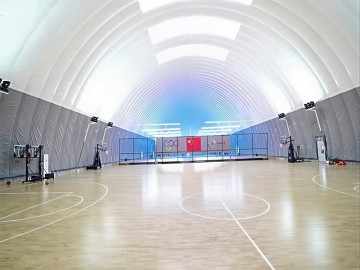
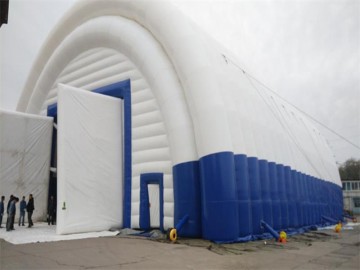
With years of deep cultivation in the air dome and membrane structure industry, we adhere to the development philosophy of green low-carbon, technological innovation and quality priority, and strictly comply with industrial construction and production standards. Supported by standardized production techniques and abundant experience in large-scale project implementation, we professionally customize various air domes, including sports stadiums, industrial warehouses, environmental enclosures, cultural tourism venues and exhibition membrane buildings, which are widely applied in sports fitness, industrial storage, environmental dust prevention, cultural tourism scenic spots and public supporting facilities.
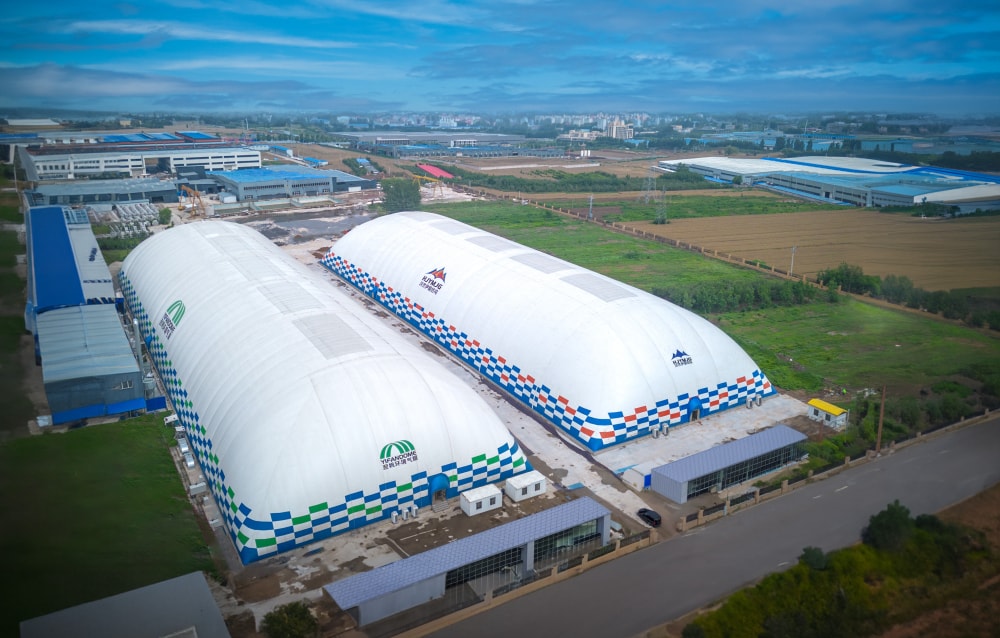
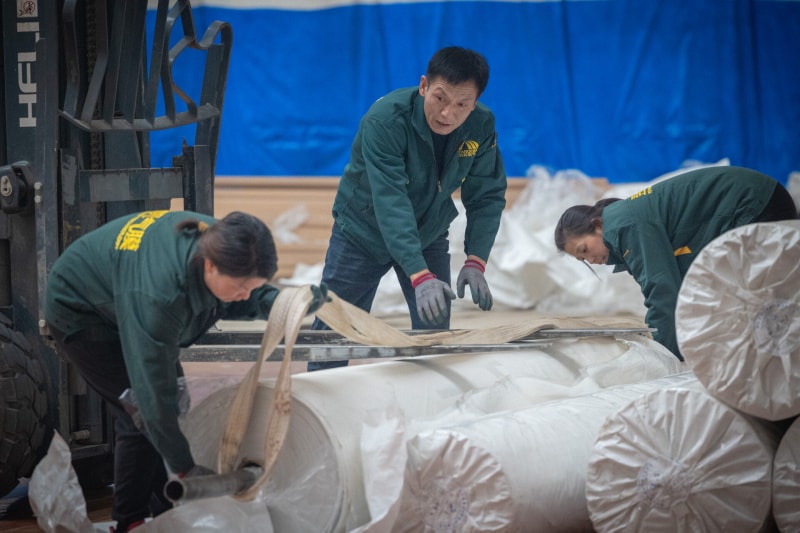
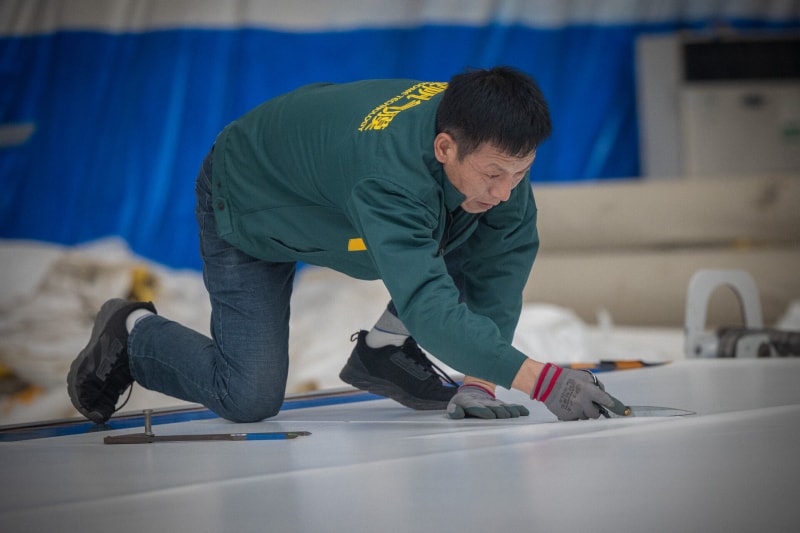
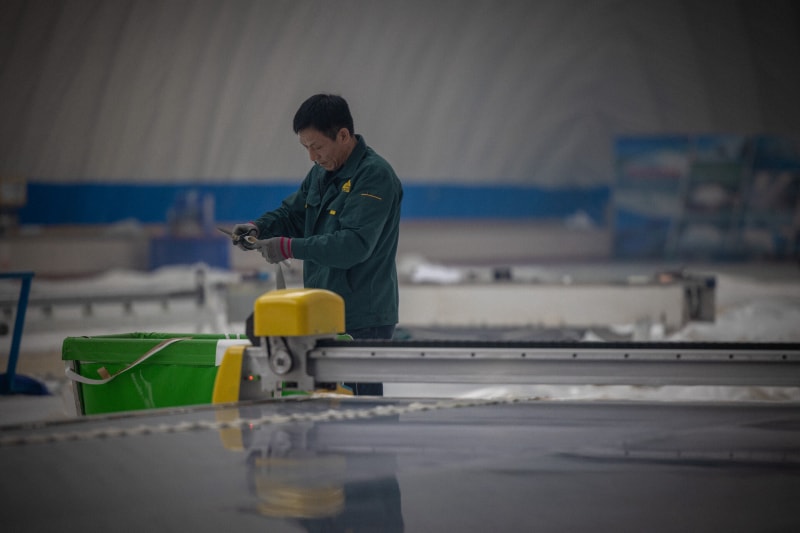
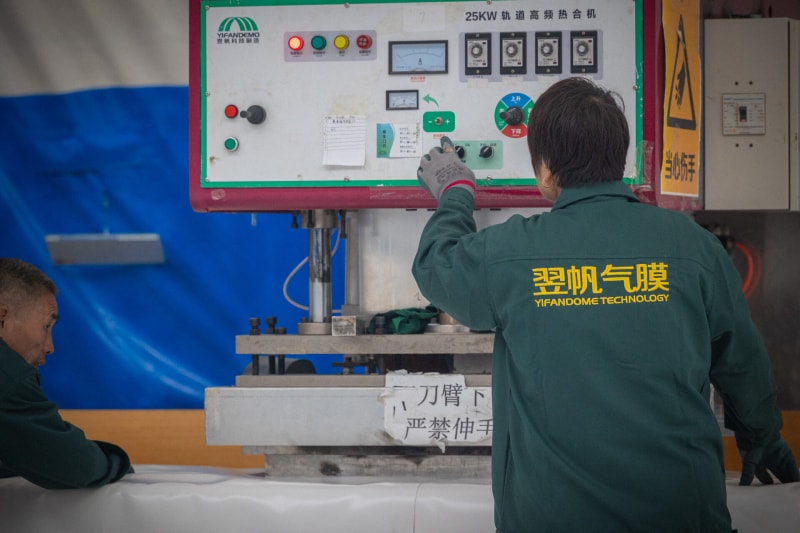
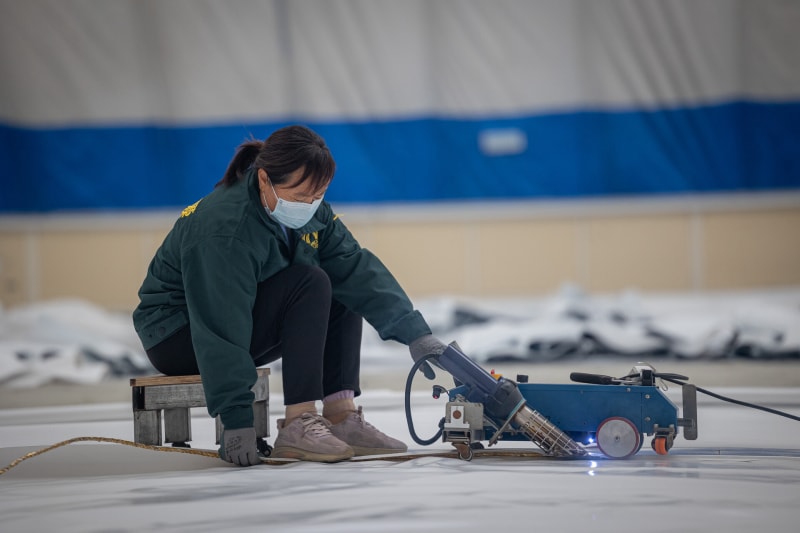
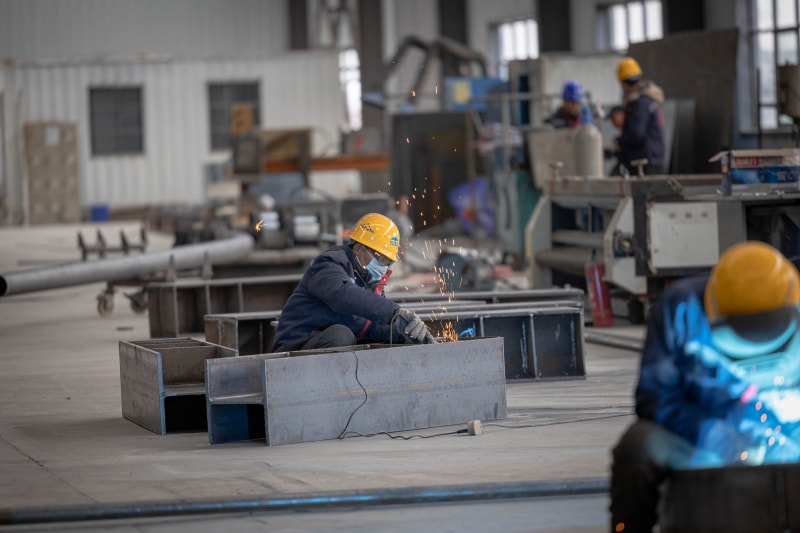
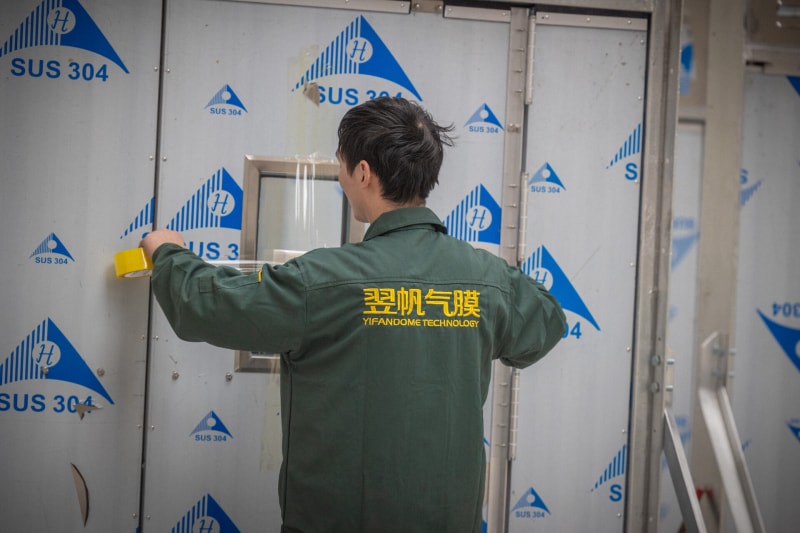
Our rigorous production workflow ensures that every membrane structure meets the highest standards of safety, durability, and performance.
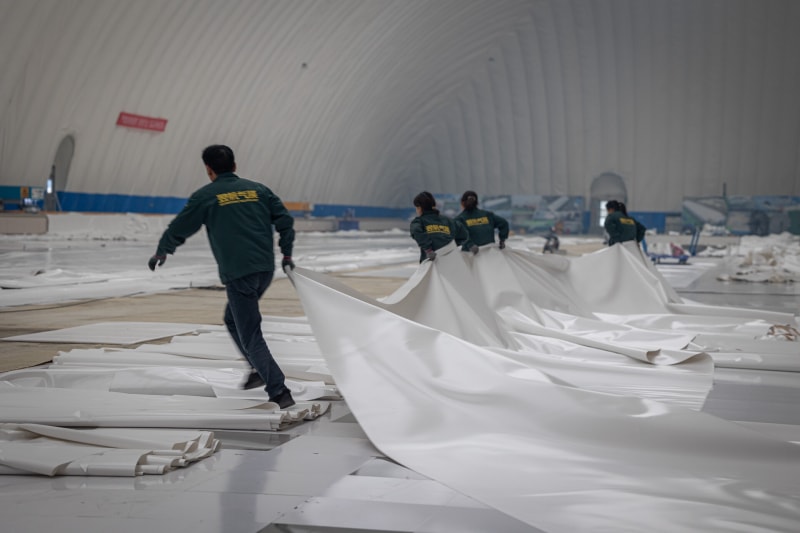
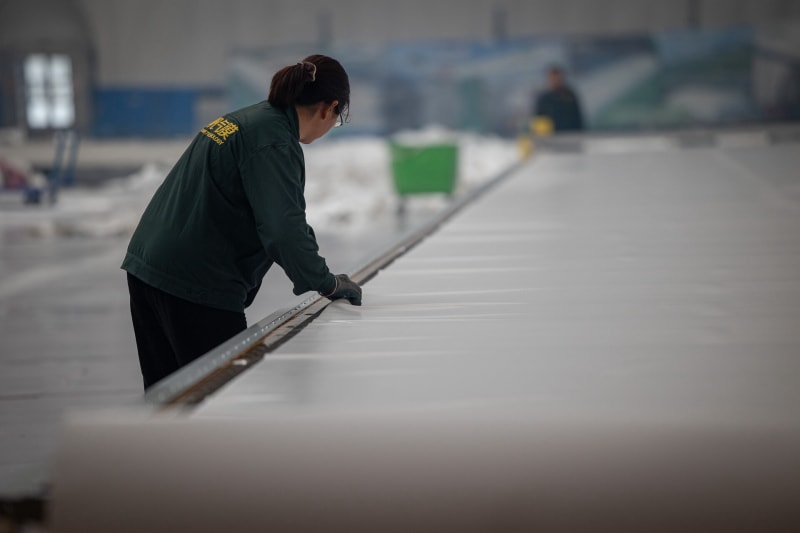
Explore our full range of custom air-supported structures engineered for industrial, sports, and agricultural applications.