Leave Your Message
Explore our advanced structural designs optimized for the unique climate and industrial demands of the Chilean market.
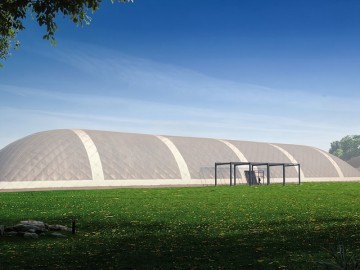
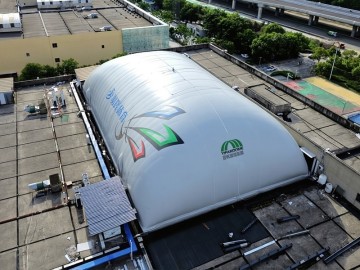
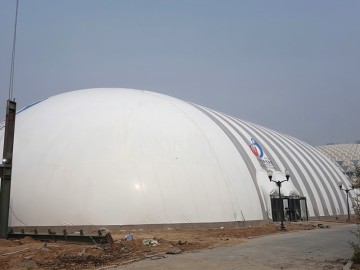
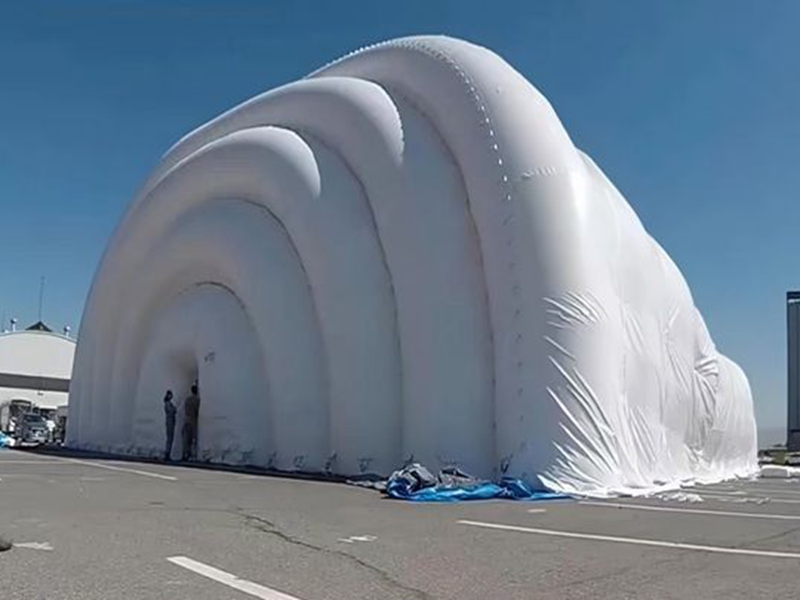
Chile is a country characterized by extreme geographical and climatic diversity. Stretching from the hyper-arid Atacama Desert in the north to the subpolar conditions of Patagonia in the south, the local climate poses significant challenges for municipal planners, sports club managers, and industrial developers. In central metropolitan hubs like Santiago, Valparaíso, and Concepción, outdoor swimming pools face operational limits, often lying dormant during the cold, rainy winter months. To overcome these seasonal barriers, developers are increasingly turning to Swimming Pool Air Dome Manufacturers to design custom, all-weather enclosures.
Traditional brick-and-mortar or steel-frame enclosures are not only capital-intensive but also face strict regulatory hurdles due to Chile's stringent seismic design standards (NCh433). Air domes, being lightweight and flexible, offer a revolutionary alternative. They present zero structural collapse risk during earthquakes, cost up to 50% less than conventional buildings, and can be installed in a fraction of the time.
Our custom swimming pool air domes are engineered to handle the distinct environmental stressors of different Chilean regions:
Yifan Air Dome is a leading global pioneer in membrane structure engineering, committed to delivering sustainable space solutions.
Yifan Air Dome is a high-tech enterprise dedicated to innovative, eco-friendly air-supported membrane structures and integrated air dome building solutions. As a leading integrated service provider in the application of membrane structure technology across China, we cover the full industrial chain of R&D, design, manufacturing, installation and full-cycle operation and maintenance, delivering high-efficiency, energy-saving and low-carbon sustainable building space solutions for global clients.
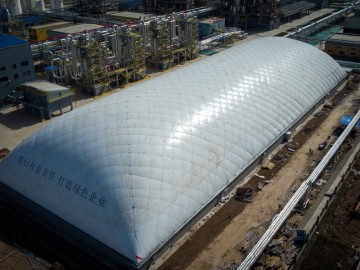
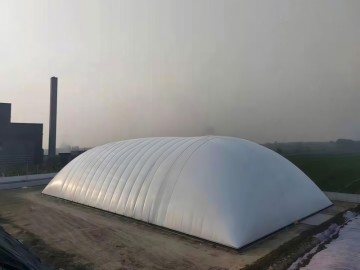
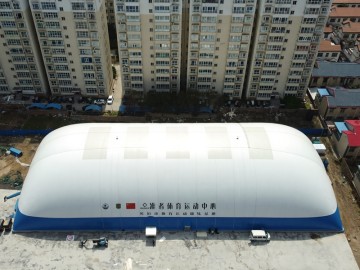
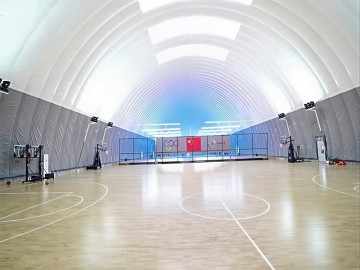
With years of deep cultivation in the air dome and membrane structure industry, we adhere to the development philosophy of green low-carbon, technological innovation and quality priority, and strictly comply with industrial construction and production standards. Supported by standardized production techniques and abundant experience in large-scale project implementation, we professionally customize various air domes, including sports stadiums, industrial warehouses, environmental enclosures, cultural tourism venues and exhibition membrane buildings, which are widely applied in sports fitness, industrial storage, environmental dust prevention, cultural tourism scenic spots and public supporting facilities.
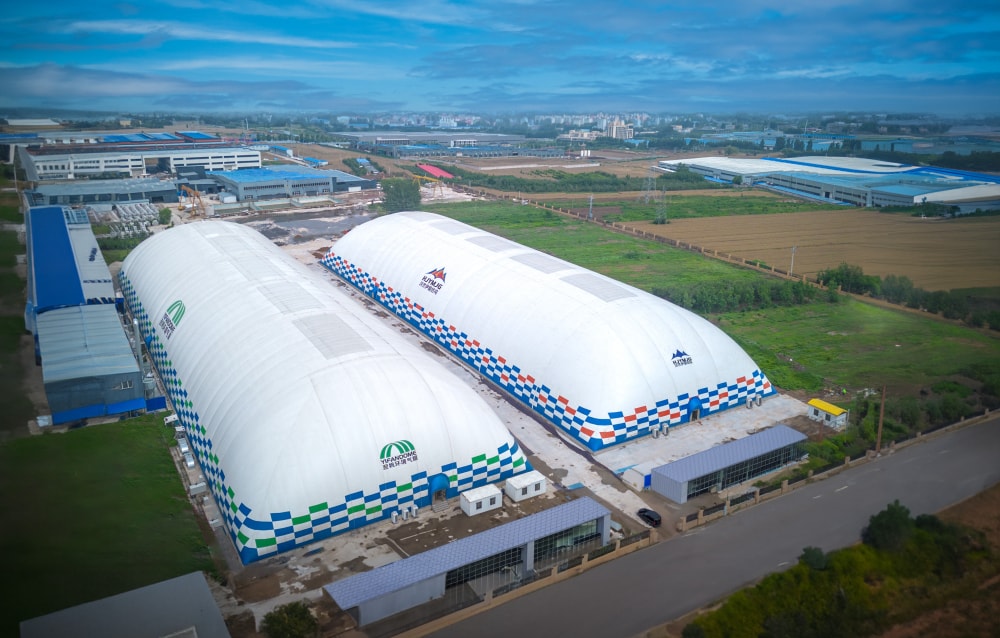
As Chile aggressively pursues its carbon-neutrality targets by 2050, the industrial and commercial sectors are undergoing a massive transition towards sustainable building practices. Traditional construction methods are heavily scrutinized for their carbon footprint, resource consumption, and long development timelines. This shift has accelerated the adoption of air-supported structures across various sectors, including mining, logistics, agriculture, and municipal sports recreation.
The versatility of air domes makes them highly suitable for Chile's primary industries:
Our air domes come equipped with automated smart control systems that monitor internal air pressure, temperature, and humidity in real-time. In high-wind areas like Patagonia or high-altitude mining sites, the system automatically adjusts internal pressure to counteract external wind loads, ensuring absolute safety and structural integrity at all times.
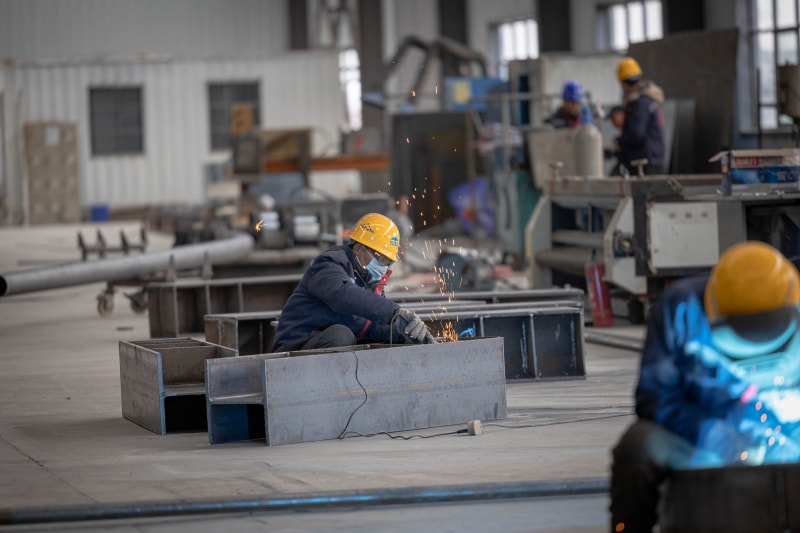
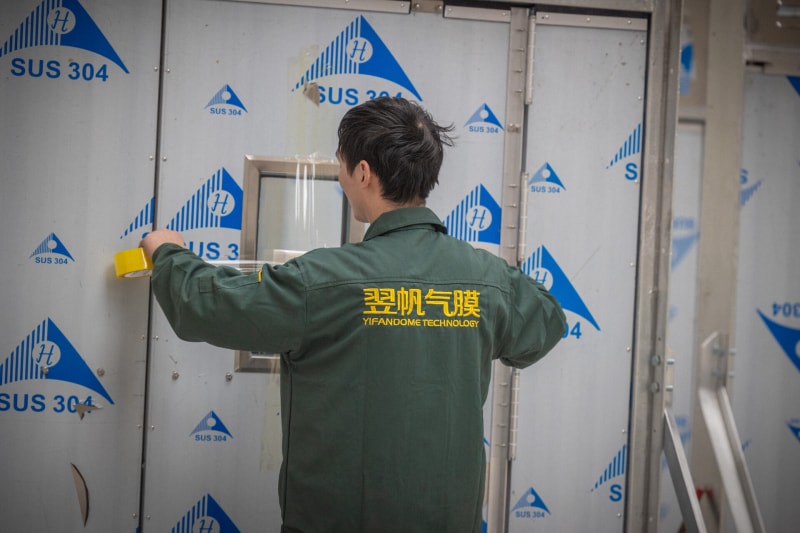
Our standardized manufacturing process ensures every membrane sheet and structural joint meets rigorous international quality standards.
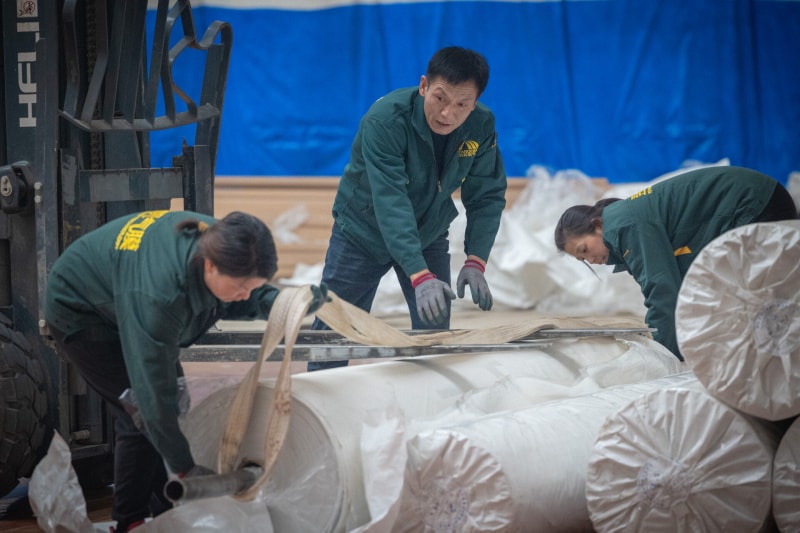
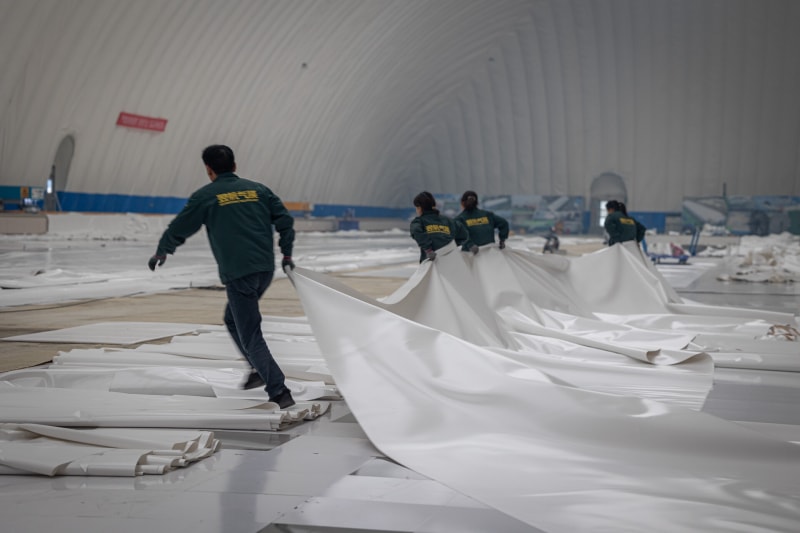
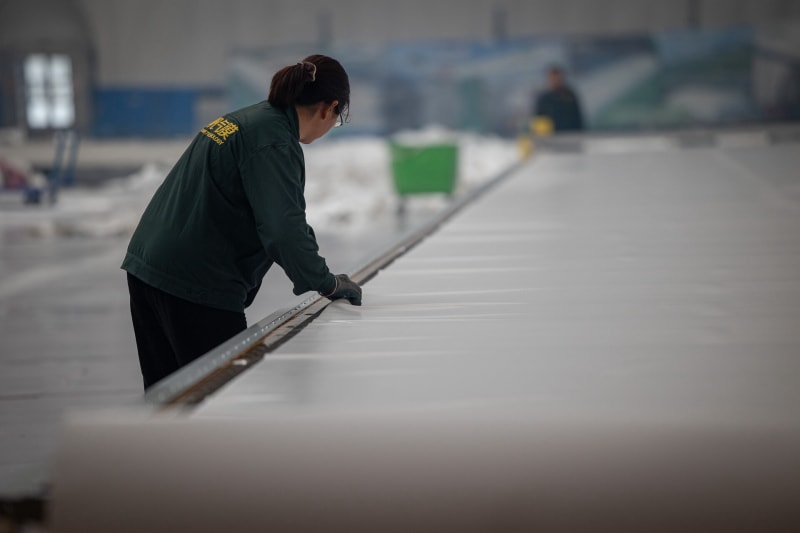
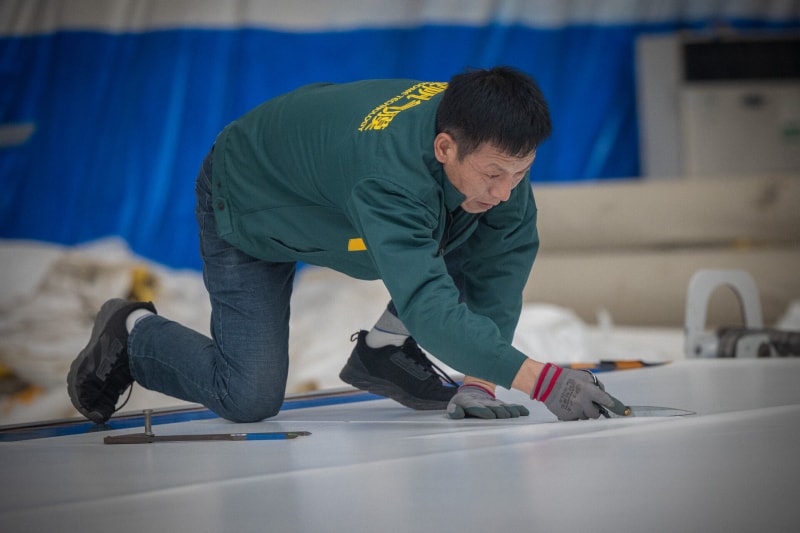
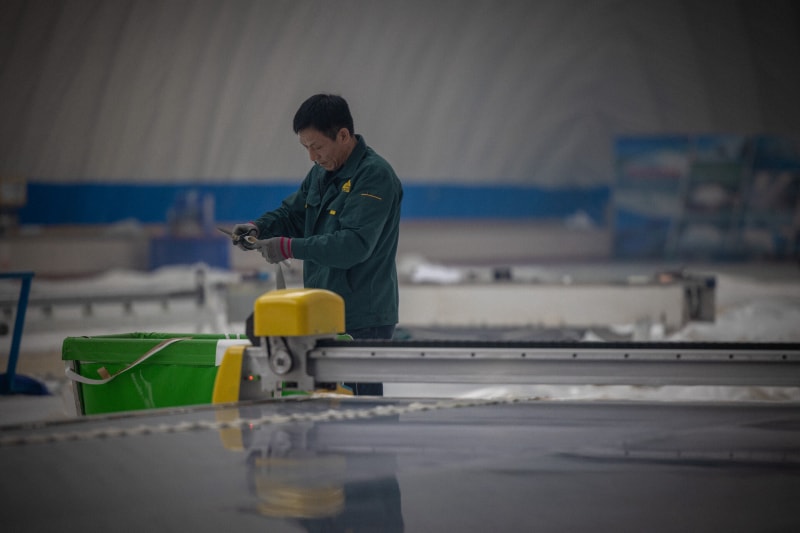
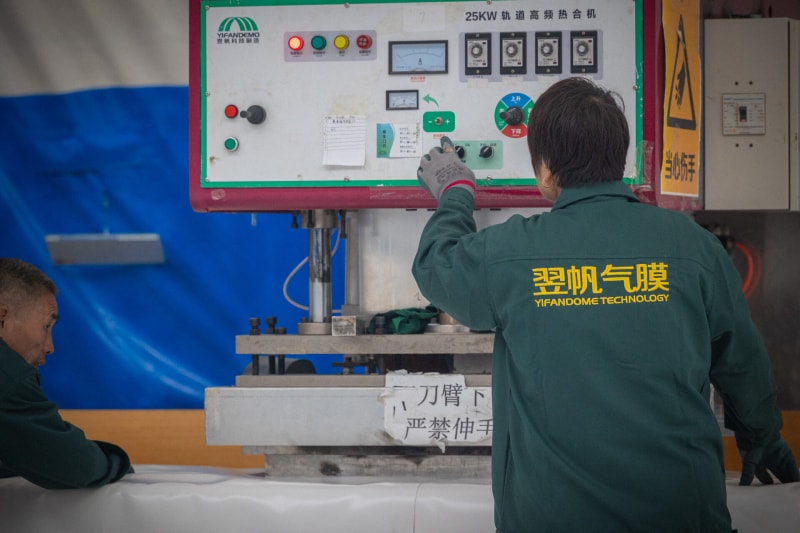
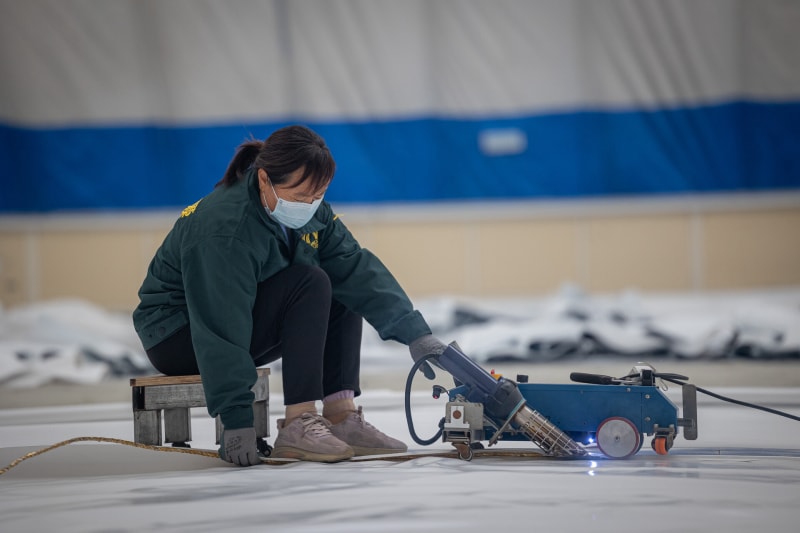
As a leading Swimming Pool Air Dome Factory for Chile, we prioritize thermal insulation and energy efficiency. Indoor pools naturally generate high levels of humidity and chemical vapors (like chlorine). Without proper design, this leads to condensation, mold, and structural corrosion. Our specialized air domes utilize corrosive-resistant PVDF membranes and integrated HVAC/dehumidification systems tailored for aquatic environments.
Chile's location along the Pacific "Ring of Fire" makes seismic safety the number one priority for any building project. Traditional concrete and steel pool enclosures must undergo massive structural reinforcement to comply with seismic codes. In contrast, air domes are inherently seismic-safe. Because the structure is supported entirely by internal air pressure and secured by a flexible cable system, it can absorb seismic waves without structural failure. In the event of a power outage, auxiliary backup generators instantly kick in to maintain inflation, and the slow-deflation design ensures maximum safety for occupants.
Heating an indoor swimming pool in regions like Temuco or Punta Arenas can be extremely expensive. Yifan’s double and triple-layer air-supported structures feature a thermal insulation pocket that acts as a natural barrier against the cold. By reducing thermal transfer, our air domes help operators save up to 40% on heating and ventilation costs compared to single-layer structures.
Discover our full range of membrane structures engineered for sports, industrial storage, agriculture, and aviation applications across Chile.