
Leave Your Message
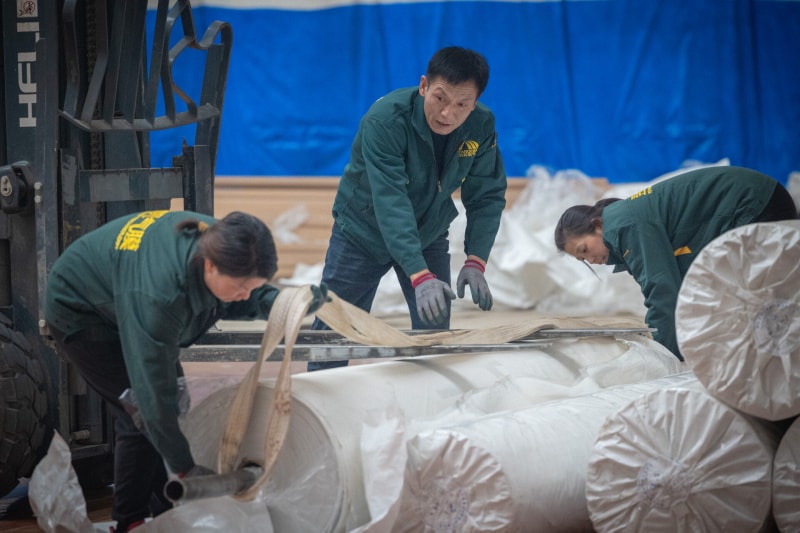
1. Selecting Specialized Thermal Teflon Membrane
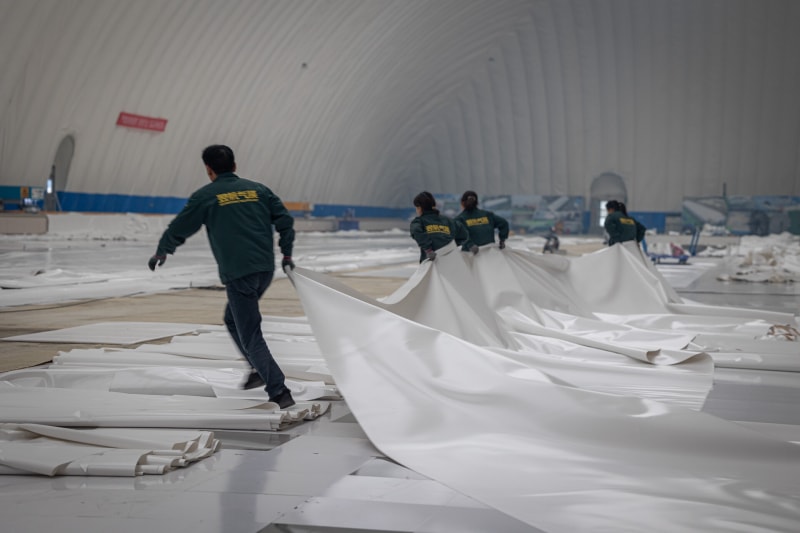
2. Deploying Low-Temperature Resistant Fabric
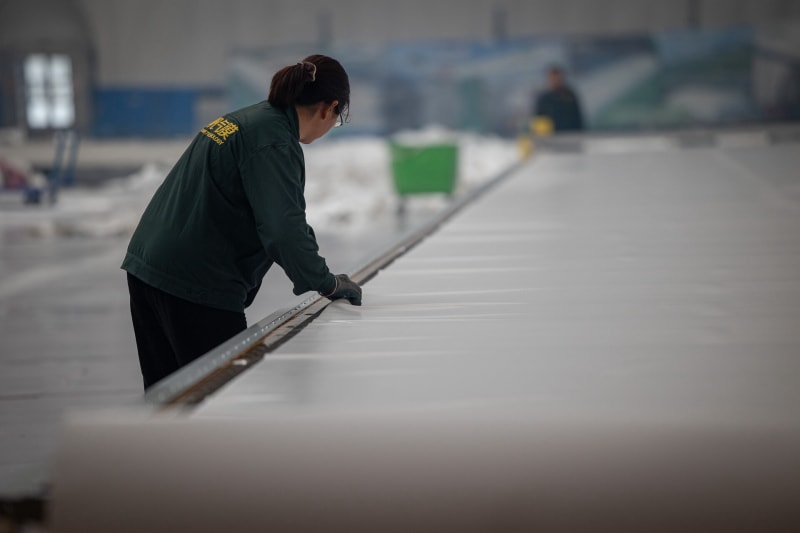
3. Precision CNC Cutting for Airtight Seams
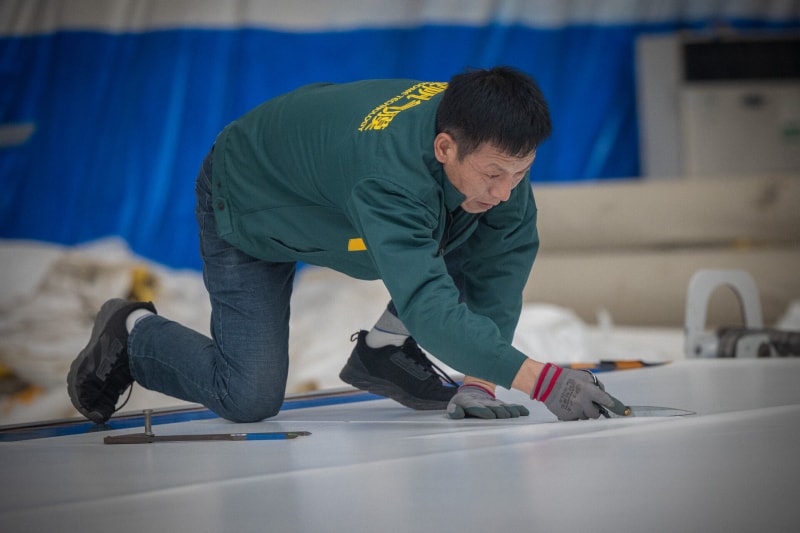
4. Edge Reinforcement & Thermal Fusion Welding
The global cold-chain logistics market is expanding at an unprecedented rate, driven by the surging demand for fresh food delivery, pharmaceuticals, and globalized agricultural supply chains. Historically, cold storage facilities relied heavily on traditional steel-clad or concrete structures. However, these conventional systems present severe limitations, including thermal bridging, localized condensation, high energy consumption, and lengthy construction timelines. In response, modern logistics operators are turning to advanced architectural solutions: the Teflon Fabric Roof integrated with air-supported membrane technology.
Teflon (PTFE) coated fiberglass membranes offer an exceptional combination of durability, chemical inertness, and thermal reflectivity. When deployed as the primary roofing system for cold-chain facilities, these structures dramatically reduce the energy required to maintain sub-zero temperatures. The integration of high-performance insulation layers between double or triple-layer membrane systems creates a highly efficient thermal barrier, transforming how food storage and temperature-sensitive logistics hubs are designed and operated.
Teflon fabric roofs are not merely protective covers; they are active components of a cold-storage facility's thermal envelope. By utilizing a double-layered or triple-layered membrane configuration, an insulating dead-air space is created. This space can be filled with specialized thermal blankets or aerogel insulation, achieving U-values that rival or exceed traditional insulated metal panels.
In automated storage and retrieval systems (ASRS) for frozen foods, maintaining a consistent temperature gradient is vital. Traditional roofs often suffer from localized warm spots due to solar radiation. A Teflon fabric roof reflects up to 75-83% of solar energy, ensuring a uniform temperature distribution throughout the high-bay racking system. This prevents localized thawing and preserves food quality.
Furthermore, the airtight nature of air-supported membrane structures prevents the infiltration of warm, humid ambient air. Infiltration is the primary cause of frost accumulation on evaporator coils, which degrades cooling efficiency. By eliminating air leakage points common in traditional panel joints, Teflon air domes maintain optimal relative humidity levels with minimal energy expenditure.
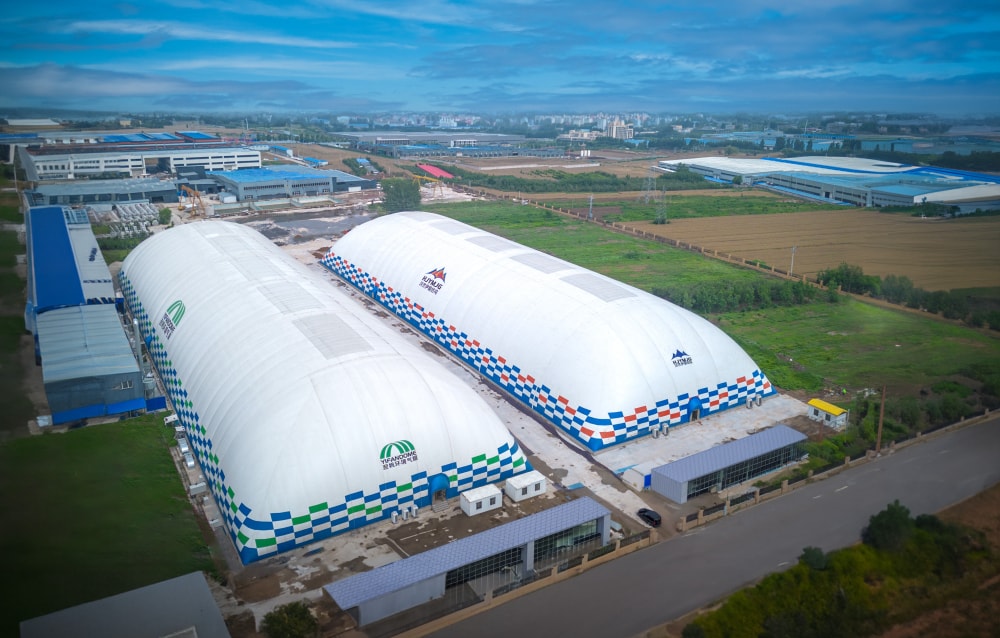
Teflon (polytetrafluoroethylene) is renowned for its chemical stability. In food processing and storage environments, exposure to cleaning agents, sanitizers, and organic acids can accelerate the degradation of standard roofing materials. Teflon is completely unaffected by these agents. It does not rust, corrode, or degrade under intense UV radiation, ensuring a service life exceeding 30 years with minimal maintenance.
Yifan Air Dome is a high-tech enterprise dedicated to innovative, eco-friendly air-supported membrane structures and integrated air dome building solutions. As a leading integrated service provider in the application of membrane structure technology across China, we cover the full industrial chain of R&D, design, manufacturing, installation and full-cycle operation and maintenance, delivering high-efficiency, energy-saving and low-carbon sustainable building space solutions for global clients.
With years of deep cultivation in the air dome and membrane structure industry, we adhere to the development philosophy of green low-carbon, technological innovation and quality priority, and strictly comply with industrial construction and production standards. Supported by standardized production techniques and abundant experience in large-scale project implementation, we professionally customize various air domes, including sports stadiums, industrial warehouses, environmental enclosures, cultural tourism venues and exhibition membrane buildings, which are widely applied in sports fitness, industrial storage, environmental dust prevention, cultural tourism scenic spots and public supporting facilities.
Taking modular innovation and environmental adaptation technology as our core philosophy, we focus on the R&D and scenario application of air dome buildings. Leveraging an advanced modular structure and robust environmental adaptability, we deliver core strengths including shorter construction cycles, cost-effectiveness, easy disassembly and relocation, and recyclable reuse. Our structures perfectly withstand complex weather and natural conditions such as snow, gale winds, heavy rain, high temperature and severe cold. We adhere to tailored solutions adapted to local conditions. Fully suited for diverse application scenarios, we comprehensively meet clients’ customized needs for personalized space utilization and engineering construction.
Moving forward, Yifan will further advance core technologies in air-supported structure innovation and environmental adaptability. By deeply cultivating the global market for membrane structures, the company aspires to become a leading international provider of comprehensive solutions for air-supported buildings. Leveraging green, low-carbon technologies to empower the transformation of architectural spaces, Yifan aims to create a new global ecosystem of modular air-supported structures—one that is safer, more energy-efficient, better adapted to diverse needs, and more sustainable.
1. Select the customized membrane material
2. Deploy the membrane material
3. Lay the membrane material on the automated cutting machine and import the flat design drawings into the machine
4. Manually trim the edges of the membrane material again to remove exposed fibers and ensure a secure weld
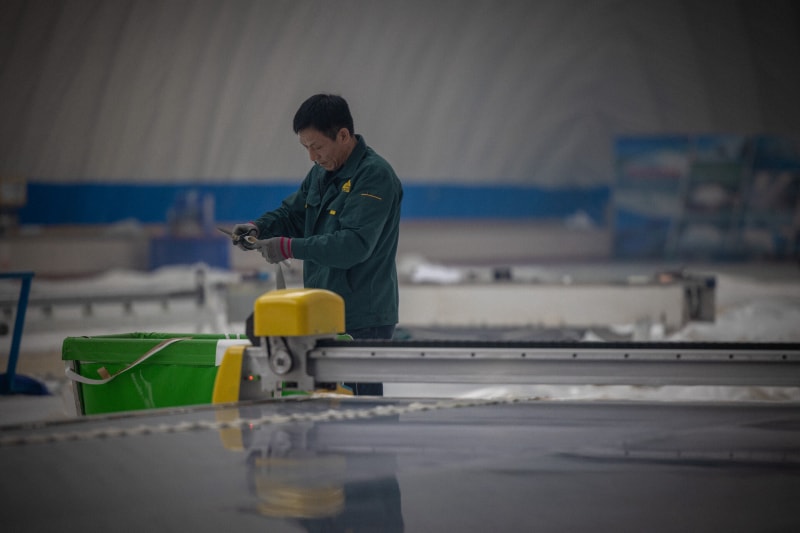
5. Cutting, Splicing, and Reinforcement Strips
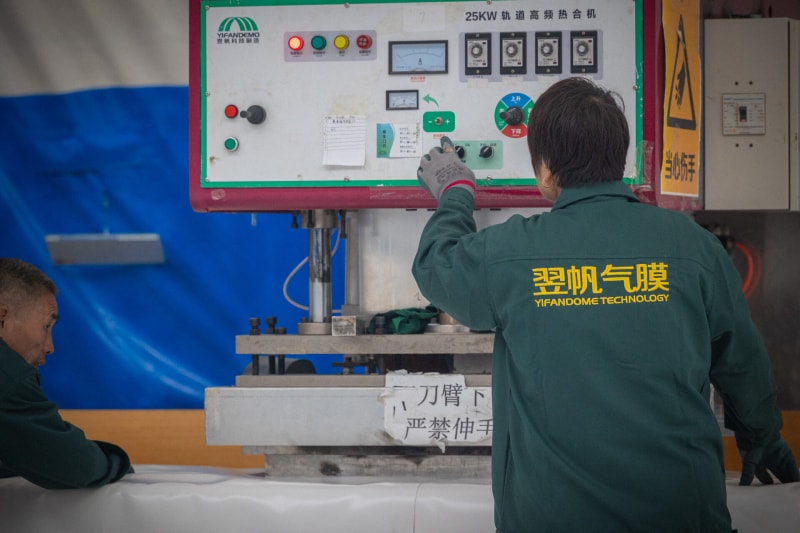
6. Workers arrange the membrane materials according to the layout drawings and weld them using a track-type high-frequency heat-sealin
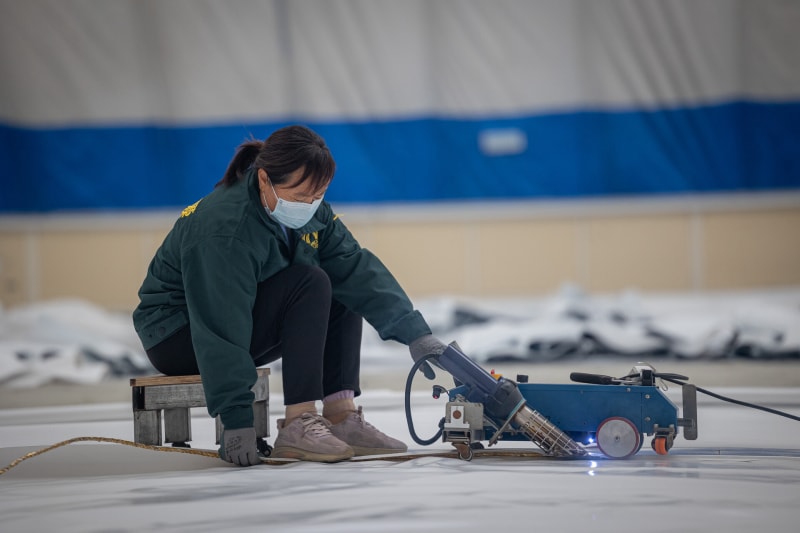
7. Small Hot Sealer Welding Rope Channel
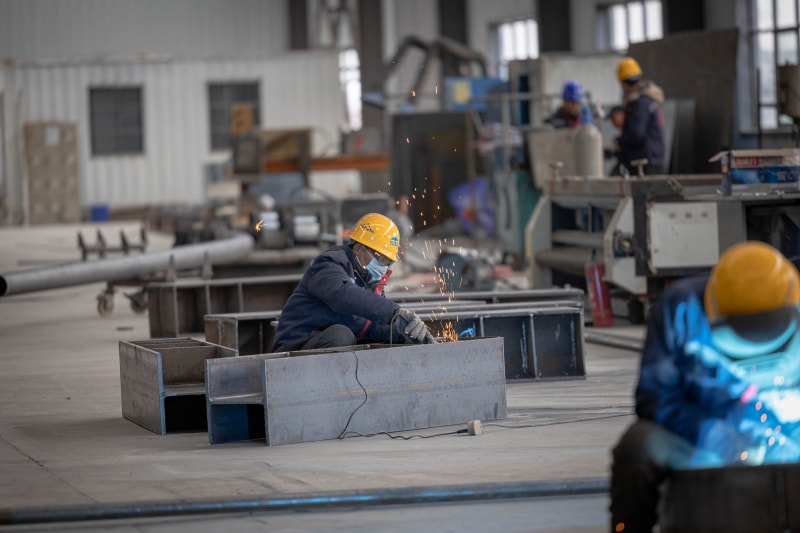
8. Manufacturing aluminum alloy clamps, door and window fittings, and inflatable pipes
As technology continues to merge with structural engineering, the future of Teflon fabric roofs in cold-chain logistics is highly promising. One of the most significant emerging trends is the integration of smart IoT sensors within the membrane layers. These sensors continuously monitor structural tension, internal air pressure, temperature differentials, and humidity levels. By feeding this real-time data into an AI-driven building management system, operators can automatically optimize the HVAC and inflation systems to minimize power consumption.
Furthermore, the development of flexible, lightweight photovoltaic (PV) modules that can be directly integrated onto the Teflon membrane is opening new avenues for self-sustaining cold storage facilities. The combination of high solar reflectance, superior insulation, and on-site solar power generation makes Teflon air domes one of the most ecologically viable choices for modern cold-chain infrastructure.
In terms of global logistics strategy, the modular nature of these structures provides companies with unparalleled agility. Should supply chain routes change, a Teflon fabric roof air dome can be disassembled, transported, and re-erected at a new hub location with minimal waste. This flexibility represents a radical shift from static, permanent concrete buildings, aligning perfectly with the dynamic, fast-paced demands of modern global food distribution.