Leave Your Message
As global environmental regulations tighten, the demand for eco-friendly soil remediation has transitioned from a niche regulatory obligation to a massive global industry. Urban brownfield redevelopment, industrial site decommissioning, and hazardous waste containment demand highly efficient, zero-emission remediation processes. Traditional open-air excavation is no longer viable in populated areas due to the high risk of Volatile Organic Compound (VOC) emissions, hazardous dust migration, and odor complaints.
This regulatory shift has positioned tensile fabric roofs and air-supported structures as the premier containment solution. By sealing contaminated sites under negative pressure, these structures prevent secondary pollution during soil excavation, thermal desorption, and bioremediation. Understanding the tensile fabric roof cost is critical for environmental contractors looking to balance strict compliance with project profitability. Unlike conventional steel-frame buildings, tensile membrane systems offer rapid deployment, high modularity, and dramatically lower capital expenditures, making them highly attractive for short-to-medium-term environmental cleanup initiatives.
Uncontrolled soil excavation can release tons of particulate matter and hazardous vapors into the surrounding atmosphere. Tensile fabric roofs act as the primary physical barrier, enabling advanced HVAC and carbon filtration systems to capture and treat emissions before they escape, ensuring safety for both workers and nearby communities.
Evaluating the financial feasibility of a soil remediation project requires a deep dive into both Capital Expenditures (CapEx) and Operational Expenditures (OpEx) of the containment structure. The overall tensile fabric roof cost typically ranges from $40 to $120 per square meter, depending on design complexity, span requirements, and material selections. Below is a detailed breakdown of the cost drivers:
The type of membrane material significantly impacts the initial cost and longevity. PVC coated with PVDF (Polyvinylidene Fluoride) is the most common choice for soil remediation due to its excellent chemical resistance, flexibility, and cost-effectiveness. For long-term projects (over 5 years) or highly corrosive environments, PTFE (Polytetrafluoroethylene) fiberglass membranes are preferred, though they carry a 30-50% cost premium.
Unlike traditional buildings, air-supported fabric roofs require minimal foundation work. They can utilize temporary ballast blocks, earth anchors, or simple concrete ring beams. This flexibility reduces foundation costs by up to 70% compared to heavy structural steel foundations, making it highly advantageous for temporary remediation sites.
For eco-friendly soil remediation, the roof must maintain negative pressure. The cost of PLC-controlled blower systems, back-up generators, and integrated air filtration units (such as carbon scrubbers) must be factored in. These mechanical systems represent approximately 20-30% of the total project investment but are essential for regulatory compliance.
One of the greatest financial advantages of tensile fabric structures is their modularity. They can be installed in a fraction of the time required for conventional buildings. Furthermore, once remediation at a specific site is complete, the structure can be disassembled, transported, and re-erected at a new project site, amortizing the initial capital cost over multiple projects.
Tensile fabric structures are engineered to handle the harsh chemical and physical environments of modern soil decontamination. Here are the primary application scenarios where these roofs deliver maximum value:
When reclaiming old industrial sites, chemical plants, or gas stations in dense urban areas, environmental safety is paramount. Tensile fabric roofs provide a completely sealed workspace. By preventing dust and odor migration, developers can execute soil washing and excavation without disrupting nearby commercial or residential districts, avoiding costly legal delays and public relations challenges.
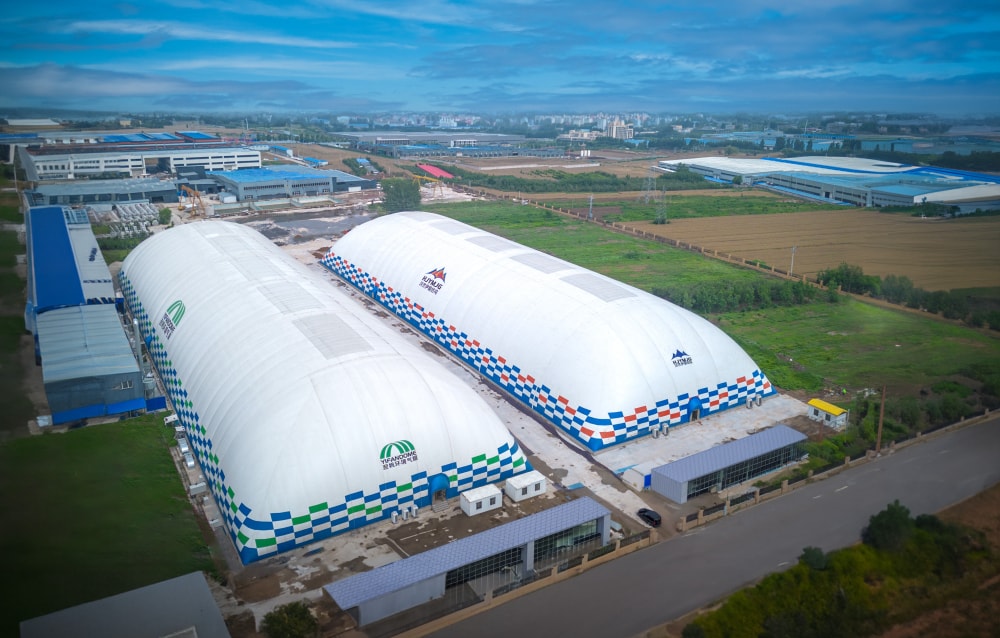
Bioremediation relies on microbial activity to break down soil contaminants. Maintaining optimal temperature and moisture levels is critical for microbial survival. A tensile fabric roof acts as a greenhouse, stabilizing internal climatic conditions and protecting the soil piles from heavy rainfall, which could leach contaminants into local groundwater systems.
Yifan Air Dome is a high-tech enterprise dedicated to innovative, eco-friendly air-supported membrane structures and integrated air dome building solutions. As a leading integrated service provider in the application of membrane structure technology across China, we cover the full industrial chain of R&D, design, manufacturing, installation and full-cycle operation and maintenance, delivering high-efficiency, energy-saving and low-carbon sustainable building space solutions for global clients.
With years of deep cultivation in the air dome and membrane structure industry, we adhere to the development philosophy of green low-carbon, technological innovation and quality priority, and strictly comply with industrial construction and production standards. Supported by standardized production techniques and abundant experience in large-scale project implementation, we professionally customize various air domes, including sports stadiums, industrial warehouses, environmental enclosures, cultural tourism venues and exhibition membrane buildings, which are widely applied in sports fitness, industrial storage, environmental dust prevention, cultural tourism scenic spots and public supporting facilities.
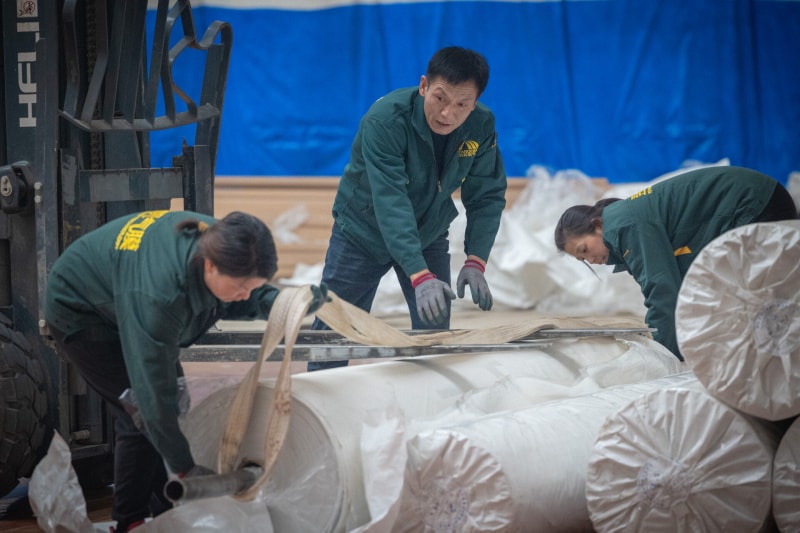
1. Select the customized membrane material
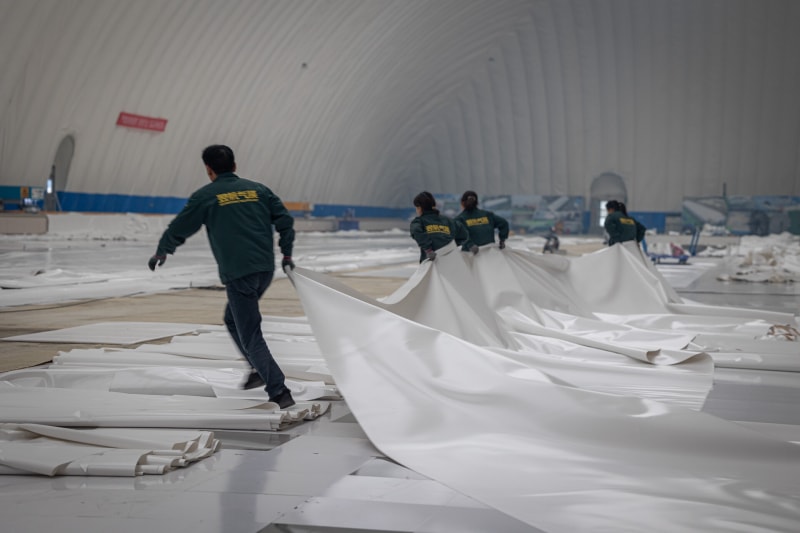
2. Deploy the membrane material
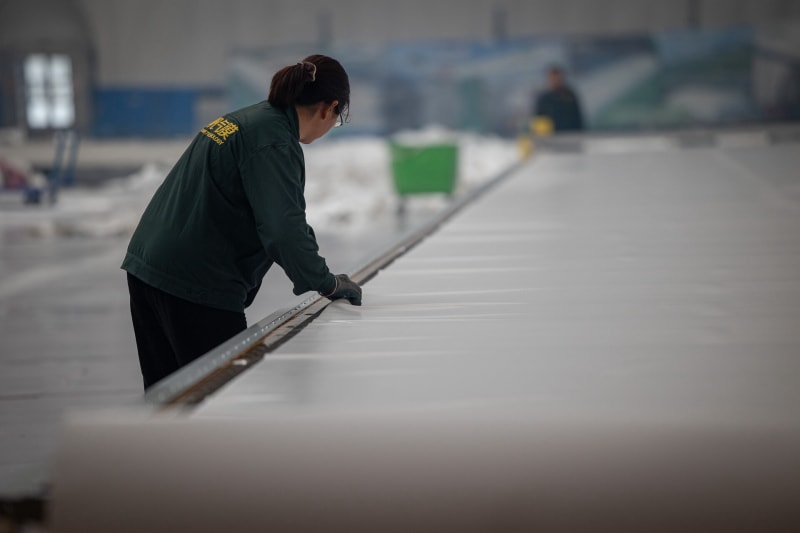
3. Lay the membrane material on the automated cutting machine and import the flat design drawings into the machine
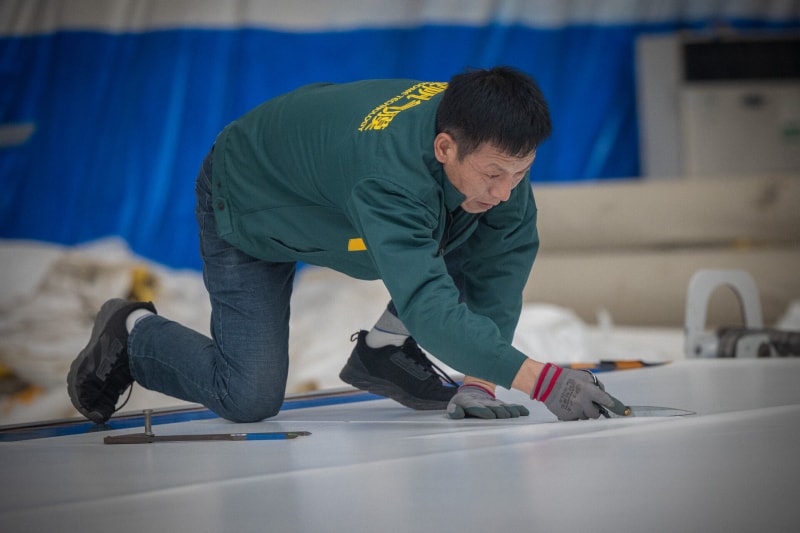
4. Manually trim the edges of the membrane material again to remove exposed fibers and ensure a secure weld
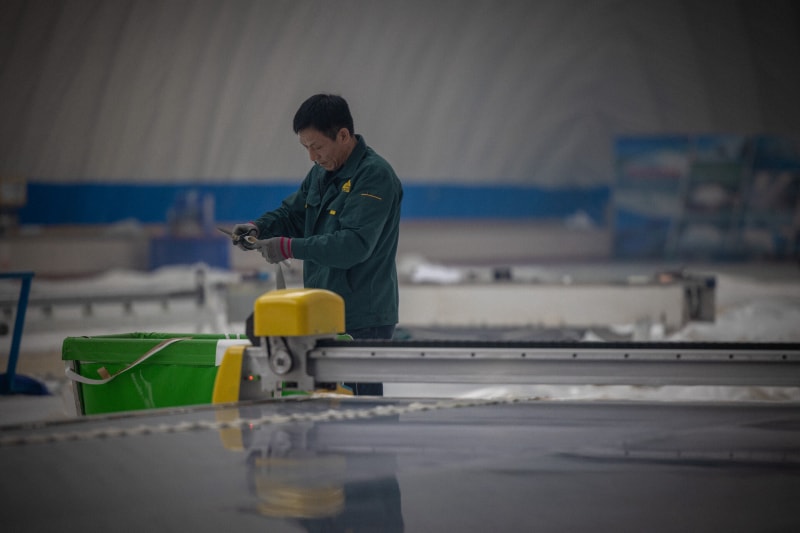
5. Cutting, Splicing, and Reinforcement Strips
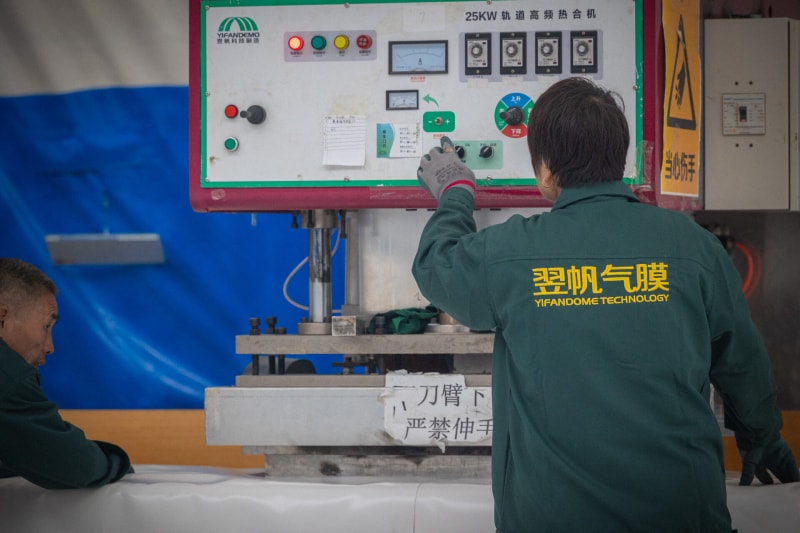
6. Workers arrange the membrane materials according to the layout drawings and weld them using a track-type high-frequency heat-sealin
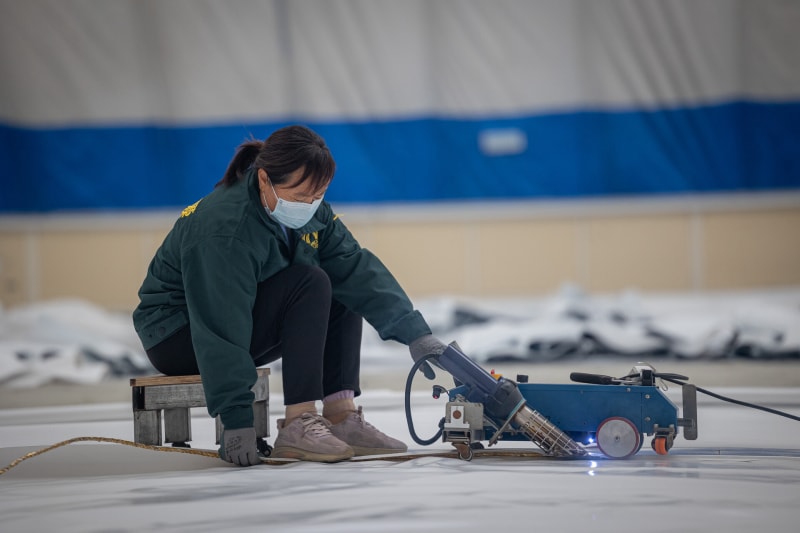
7. Small Hot Sealer Welding Rope Channel
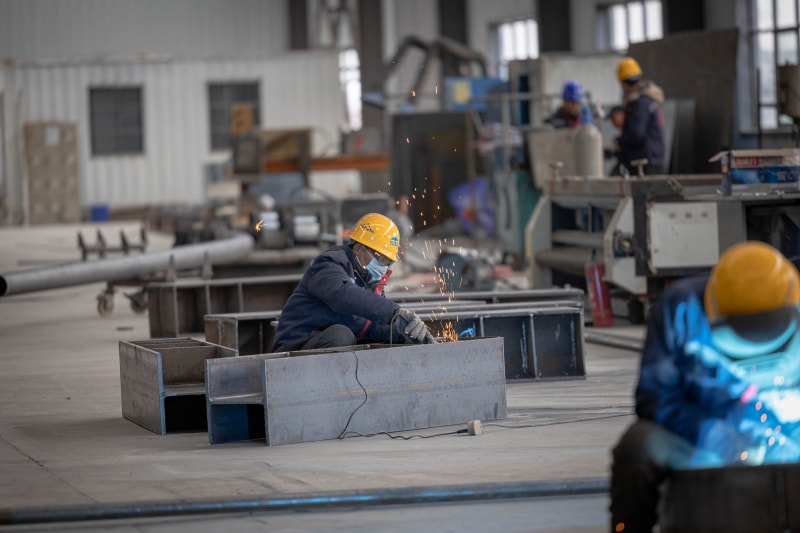
8. Manufacturing aluminum alloy clamps, door and window fittings, and inflatable pipes
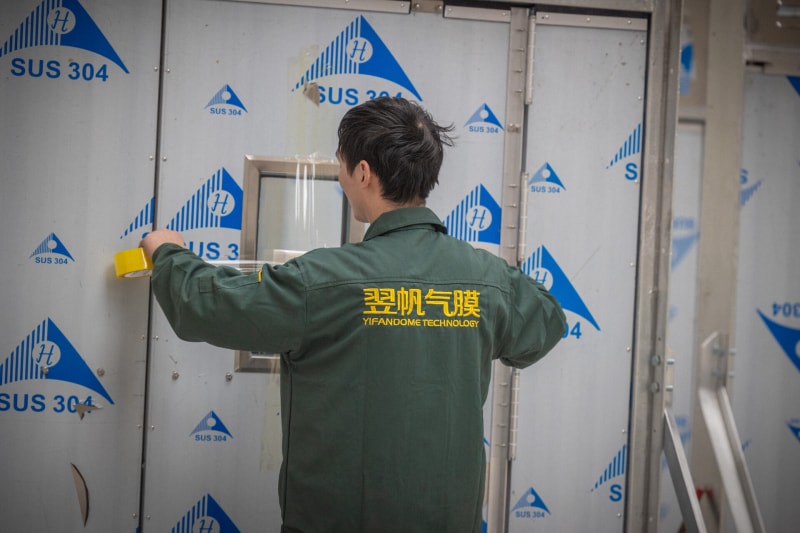
9. Check the product, pack it, and prepare for transportation
As the environmental sector embraces digital transformation, the technology behind tensile fabric structures is evolving rapidly. Modern environmental air domes are no longer simple static covers; they are intelligent containment systems. Integrating real-time gas monitoring sensors, automated pressure regulation, and energy-efficient LED lighting systems allows operators to manage the enclosure dynamically.
Furthermore, the development of self-cleaning and photocatalytic membrane coatings (such as TiO2 coatings) helps break down organic pollutants directly on the surface of the fabric when exposed to sunlight. This reduces the risk of chemical buildup on the inner lining of the dome, extending the lifespan of the structure and reducing maintenance costs. As sustainability goals become central to corporate strategies, the recyclability of the membrane itself is becoming a critical purchasing decision. Manufacturers are now utilizing fully recyclable PVC and TPU fabrics, aligning the physical structure of the enclosure with the ecological goals of the soil remediation project.