Leave Your Message
Discover our top-tier architectural fabric systems engineered specifically to withstand Singapore’s tropical climate and urban environments.
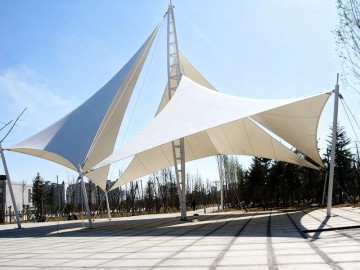
Singapore's architectural landscape is defined by its rapid modernization, dense urban environment, and commitment to green building standards under the Singapore Green Plan 2030. In this context, tensile fabric roofs and air-supported structures have emerged as critical architectural solutions. From the iconic domes at Gardens by the Bay to modern commercial walkways along Orchard Road and industrial warehouses in Jurong, lightweight membrane structures offer unparalleled freedom of form, speed of erection, and cost-efficiency.
As a leading supplier and manufacturer serving Singapore, we understand the specific demands of the local market. The tropical rainforest climate of Singapore, characterized by constant high humidity, heavy rainfall during the monsoon seasons, and intense solar radiation, requires materials that do not simply look good but perform exceptionally over decades. High-strength tensile membranes offer excellent thermal insulation, UV protection, and self-cleaning capabilities, making them the preferred choice for forward-thinking developers and industrialists across the city-state.
Singapore’s retail and commercial hubs utilize tensile fabric roofs to create vibrant, covered outdoor spaces. Alfresco dining areas in Clarke Quay, transit links in Changi, and entrance canopies for commercial offices benefit from the translucent qualities of advanced membranes, which allow natural light to filter through while blocking harmful UV rays and heat.
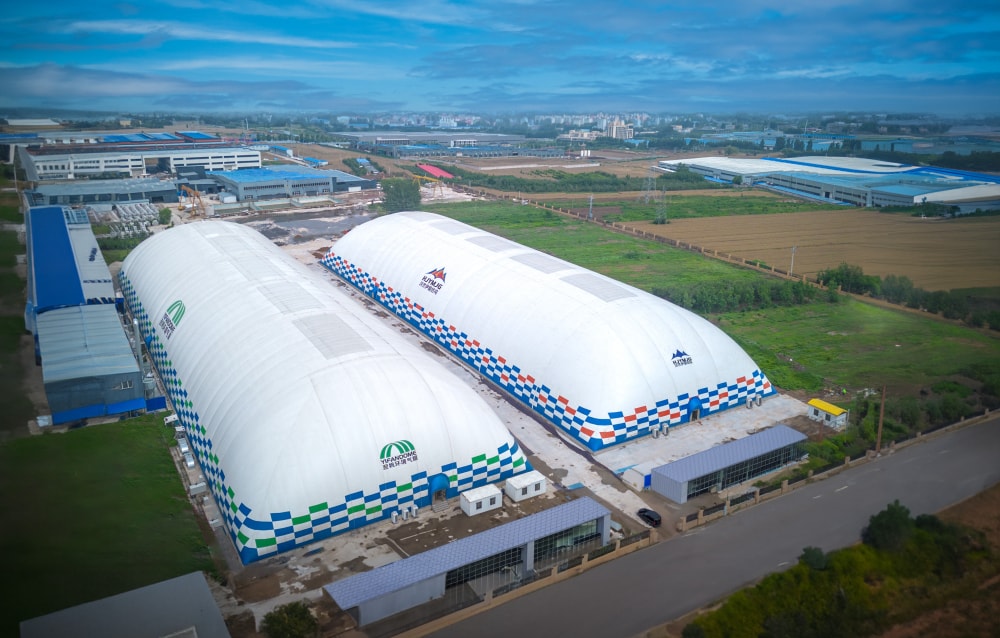
In industrial zones like Tuas and Jurong Island, large-span air domes and tensile fabric warehouses are replacing traditional steel structures. These systems offer rapid deployment, relocatability, and significantly lower initial capital expenditure, aligning perfectly with the dynamic storage demands of Singapore's logistics sector.
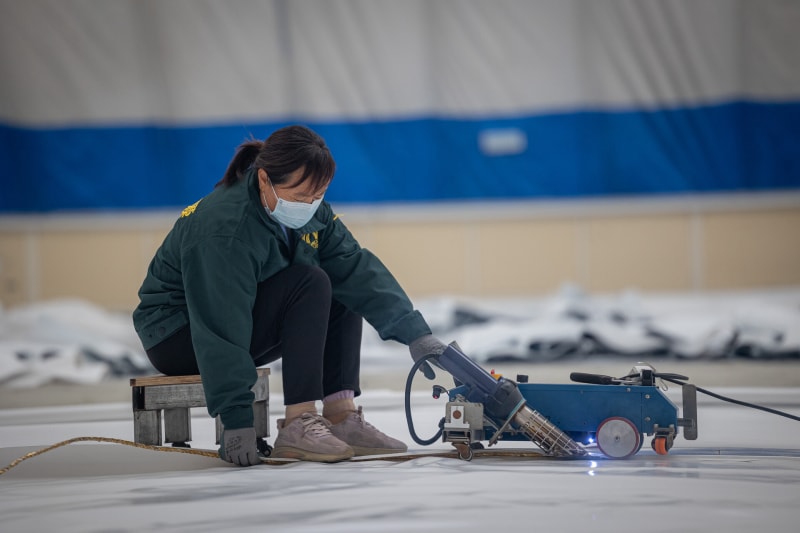
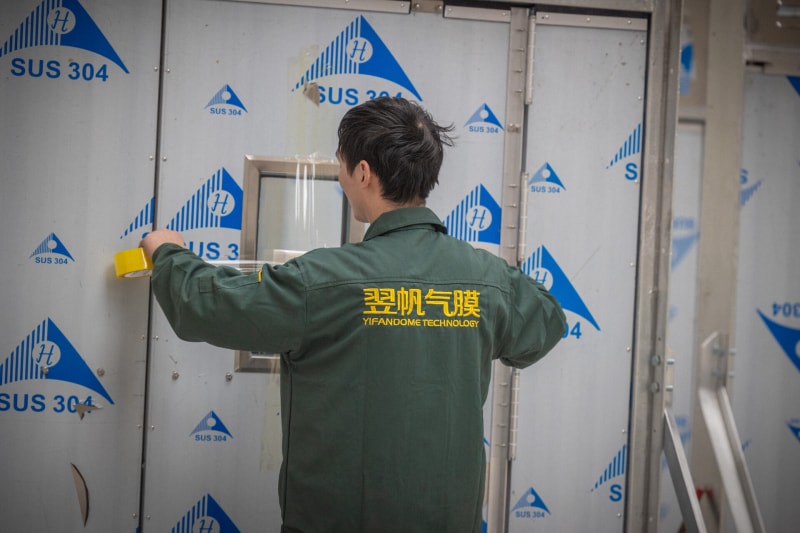
Yifan Air Dome is a high-tech enterprise dedicated to innovative, eco-friendly air-supported membrane structures and integrated air dome building solutions. As a leading integrated service provider in the application of membrane structure technology across China, we cover the full industrial chain of R&D, design, manufacturing, installation and full-cycle operation and maintenance, delivering high-efficiency, energy-saving and low-carbon sustainable building space solutions for global clients.
With years of deep cultivation in the air dome and membrane structure industry, we adhere to the development philosophy of green low-carbon, technological innovation and quality priority, and strictly comply with industrial construction and production standards. Supported by standardized production techniques and abundant experience in large-scale project implementation, we professionally customize various air domes, including sports stadiums, industrial warehouses, environmental enclosures, cultural tourism venues and exhibition membrane buildings, which are widely applied in sports fitness, industrial storage, environmental dust prevention, cultural tourism scenic spots and public supporting facilities.
Determining the cost of a tensile fabric roof in Singapore involves evaluating several structural, environmental, and material variables. Generally, the cost ranges from SGD 150 to SGD 800+ per square meter, depending on the scale and complexity of the project. Below is a detailed breakdown of the main factors influencing the final price:
Singapore's Building and Construction Authority (BCA) enforces strict structural safety codes. Tensile structures must be designed to withstand high wind speeds during sudden tropical squalls. The engineering complexity of the steel support frame, cables, and concrete foundations significantly impacts the overall project cost. Custom-engineered, free-span designs require more steel reinforcement, increasing the overall cost compared to standardized modular systems.
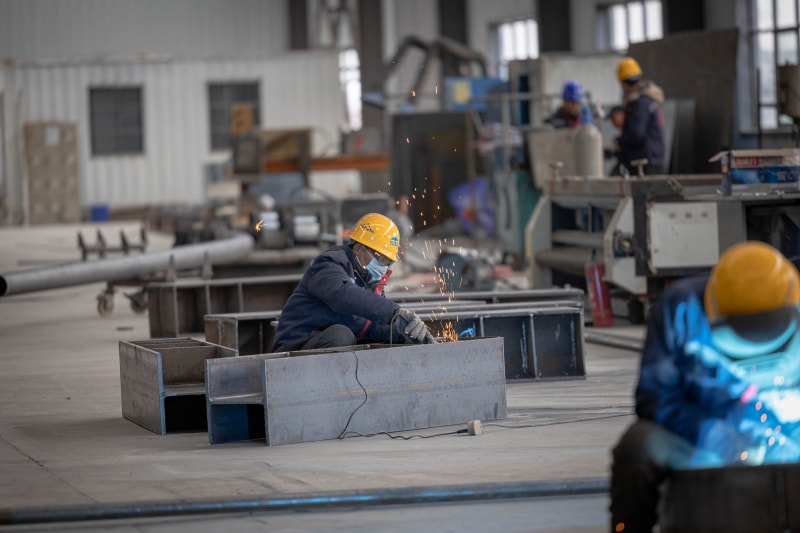
Working within Singapore's tight urban spaces (e.g., Downtown Core, Orchard) requires precise logistical planning. Cranage, road closures, and night-time installation permits add to the overall project budget. A professional manufacturer and supplier offering end-to-end services can optimize these costs through pre-fabricated modular designs that reduce on-site labor and installation time.
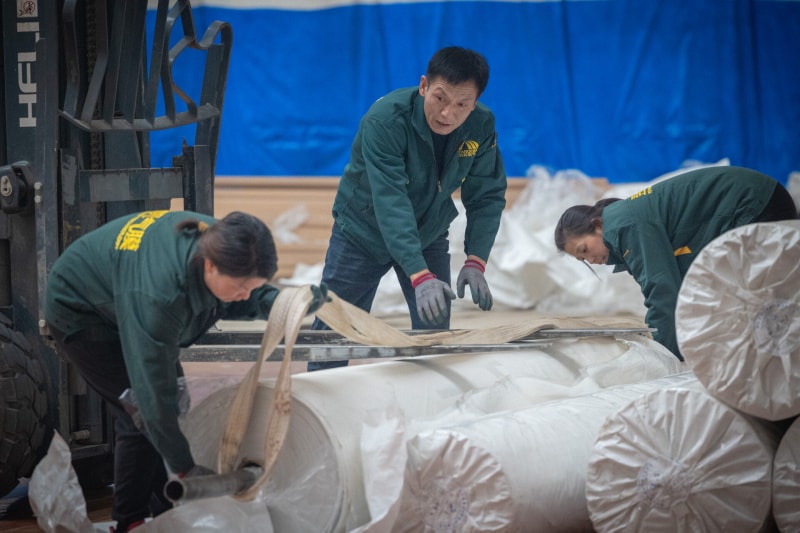
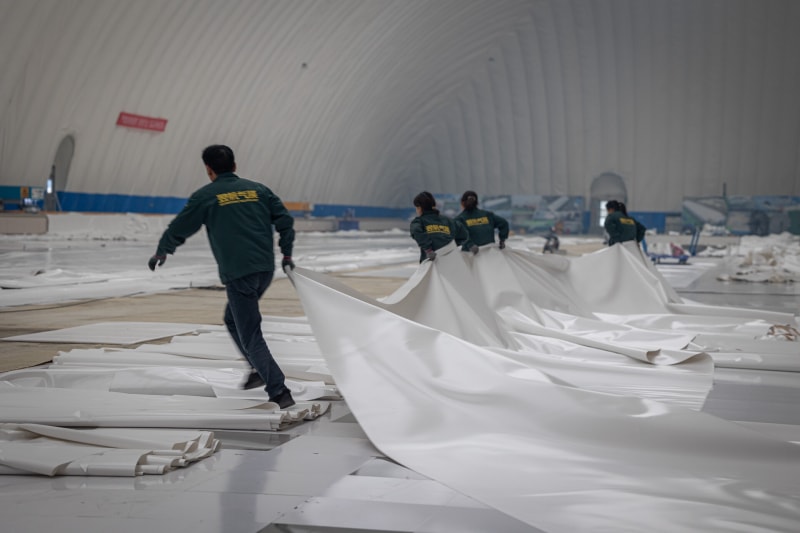
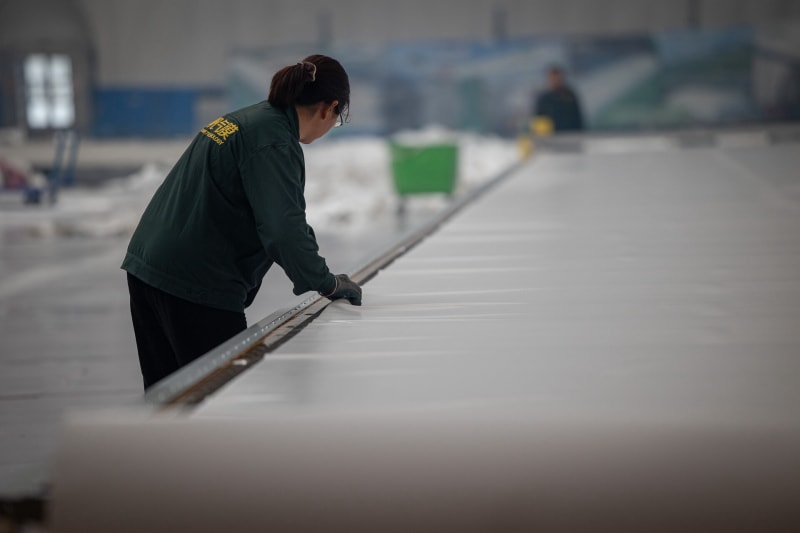
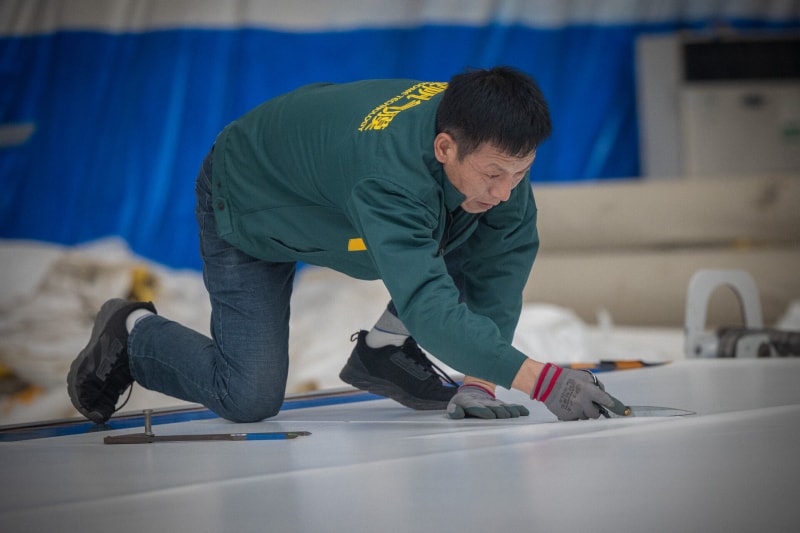
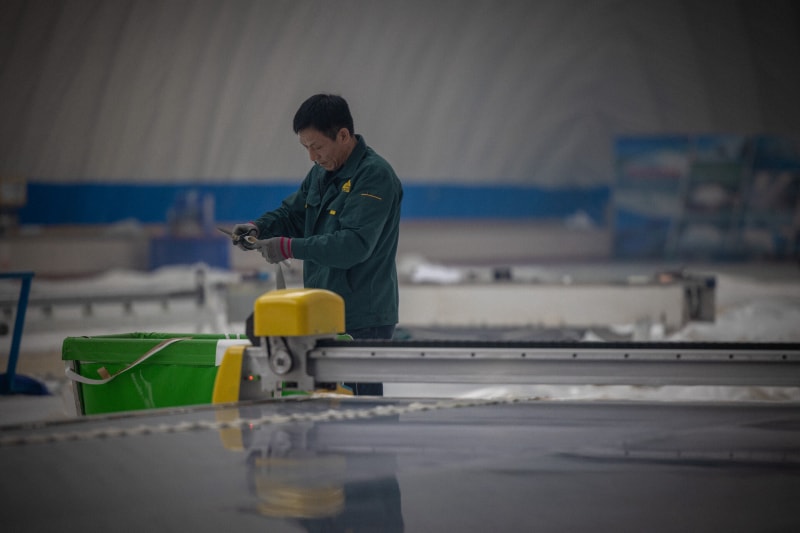
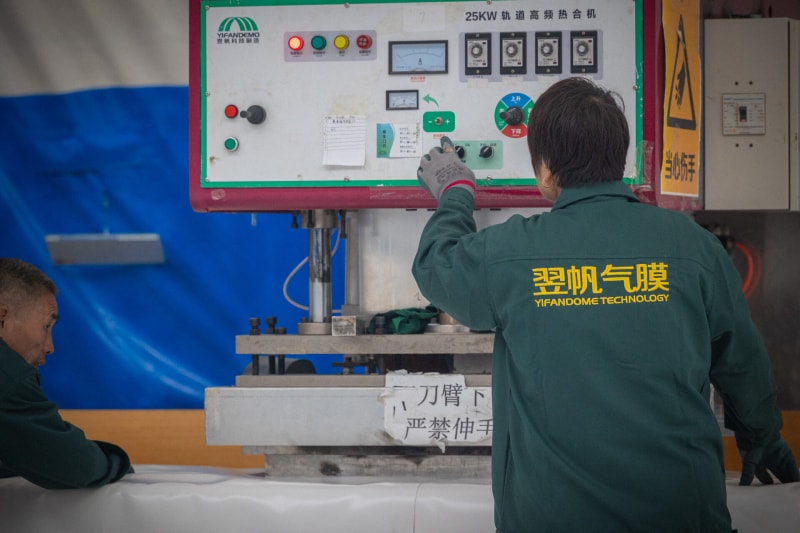
As Singapore moves towards a smarter, more sustainable urban future, the tensile membrane industry is evolving rapidly. Key technological advancements are reshaping how these structures are designed, fabricated, and operated:
In response to BCA's Green Mark certification criteria, manufacturers are developing membranes with lower embodied carbon. Recyclable PVC membranes and highly durable PTFE materials that reduce lifecycle waste are gaining traction. Furthermore, the integration of thin-film photovoltaics (solar cells) directly onto tensile fabric roofs allows developers to generate clean energy, turning passive shade structures into active power generators.
Air-supported structures (Air Domes) are becoming increasingly popular in Singapore for large-scale sports complexes and industrial warehousing. These domes rely on internal air pressure for support, eliminating the need for internal columns. Modern air domes feature smart automation systems that continuously monitor wind loads, internal pressure, and temperature, adjusting the HVAC and inflation systems dynamically to optimize energy consumption.
Singapore’s high humidity and frequent downpours can encourage the growth of mold and algae on outdoor surfaces. To combat this, advanced tensile fabric roofs feature specialized PVDF or Titanium Dioxide (TiO2) coatings. These photocatalytic coatings break down organic dirt when exposed to sunlight, which is then easily washed away by rain, ensuring the structure remains clean with minimal maintenance costs.
Explore our diverse portfolio of tensile fabric roofs, air domes, and shading structures designed for Singapore's commercial, industrial, and recreational sectors.