Leave Your Message
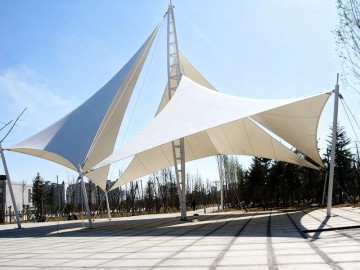
In the contemporary industrial landscape, the environmental management of bulk material storage, particularly coal yards, has transitioned from a regulatory recommendation to a strict operational mandate. Open-air coal storage sites are major sources of fugitive dust emissions, contributing significantly to PM2.5 and PM10 air pollution. When wind sweeps across an uncovered coal pile, fine particulates are carried into the atmosphere, causing severe environmental degradation and posing health risks to surrounding communities. Furthermore, rain precipitation on open coal piles leads to toxic runoff, contaminating local water tables and soil systems. To combat these issues, industries worldwide are rapidly adopting Tensile Fabric Roof Structures as the premier engineering solution for large-scale bulk material coal site enclosures.
Historically, heavy industrial enclosures relied on conventional corrugated steel sheets supported by massive steel trusses. While functional, these traditional structures face severe operational challenges in coal storage environments. Coal contains sulfur and moisture, which react to form highly corrosive acidic compounds. Over time, traditional steel cladding suffers from rapid chemical corrosion, leading to high maintenance costs and structural integrity risks. In contrast, modern tensile fabric roof structures utilize high-performance membranes such as PVDF (Polyvinylidene Fluoride) or PTFE (Polytetrafluoroethylene) coated polyester/glass fiber fabrics. These materials are chemically inert, highly resistant to acid rain, sulfur dioxide, and UV radiation, ensuring a service life exceeding 25 to 30 years with minimal maintenance.
Moreover, the lightweight nature of tensile membranes reduces the overall dead load of the structure. This allows engineers to design massive clear-span domes and vaults (often exceeding 120 meters in width) without the need for internal support columns. The absence of internal pillars maximizes the usable storage volume, facilitates the unhindered movement of heavy machinery like stacker-reclaimers, and drastically reduces the risk of accidental collisions between machinery and structural supports.
The application of tensile fabric structures for bulk material enclosures spans various high-demand sectors:
Modern coal site enclosures are not merely passive covers; they are highly integrated, intelligent containment systems. When deploying air-supported membrane domes (air domes), the structure utilizes positive internal air pressure to maintain its shape. This technology allows for the integration of smart PLC (Programmable Logic Controller) systems that monitor internal pressure, wind velocity, and snow accumulation in real-time, automatically adjusting inflation fans to maintain structural stability. Additionally, because enclosed coal yards present a risk of methane (CH4) and carbon monoxide (CO) accumulation, these fabric structures are engineered to accommodate advanced explosion-proof ventilation systems, dust-suppression misting lines, and continuous gas detection arrays, ensuring a safe and compliant working environment.
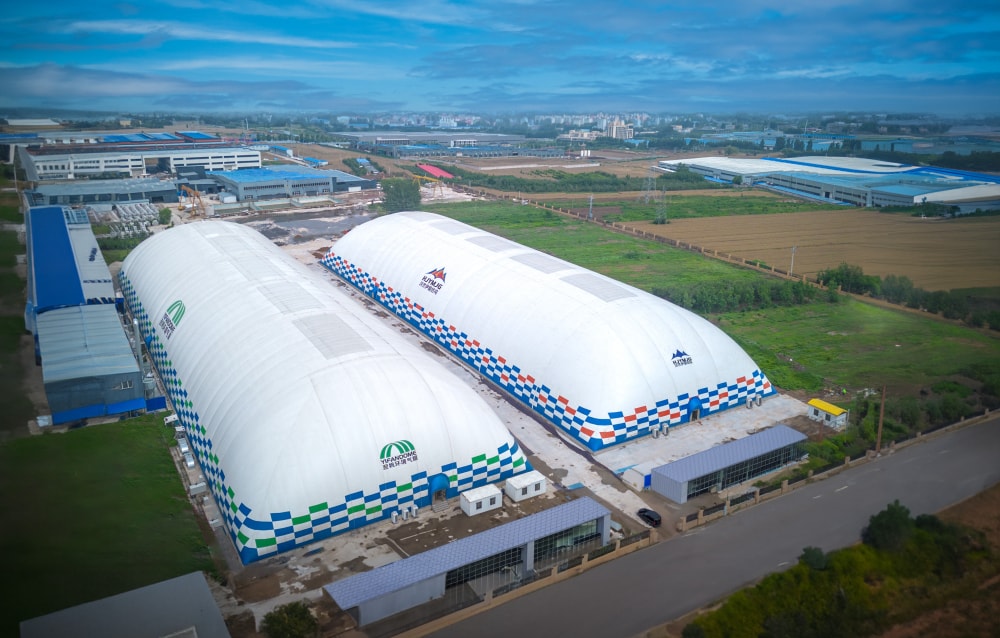
Yifan Air Dome is a high-tech enterprise dedicated to innovative, eco-friendly air-supported membrane structures and integrated air dome building solutions. As a leading integrated service provider in the application of membrane structure technology across China, we cover the full industrial chain of R&D, design, manufacturing, installation and full-cycle operation and maintenance, delivering high-efficiency, energy-saving and low-carbon sustainable building space solutions for global clients.
With years of deep cultivation in the air dome and membrane structure industry, we adhere to the development philosophy of green low-carbon, technological innovation and quality priority, and strictly comply with industrial construction and production standards. Supported by standardized production techniques and abundant experience in large-scale project implementation, we professionally customize various air domes, including sports stadiums, industrial warehouses, environmental enclosures, cultural tourism venues and exhibition membrane buildings, which are widely applied in sports fitness, industrial storage, environmental dust prevention, cultural tourism scenic spots and public supporting facilities.
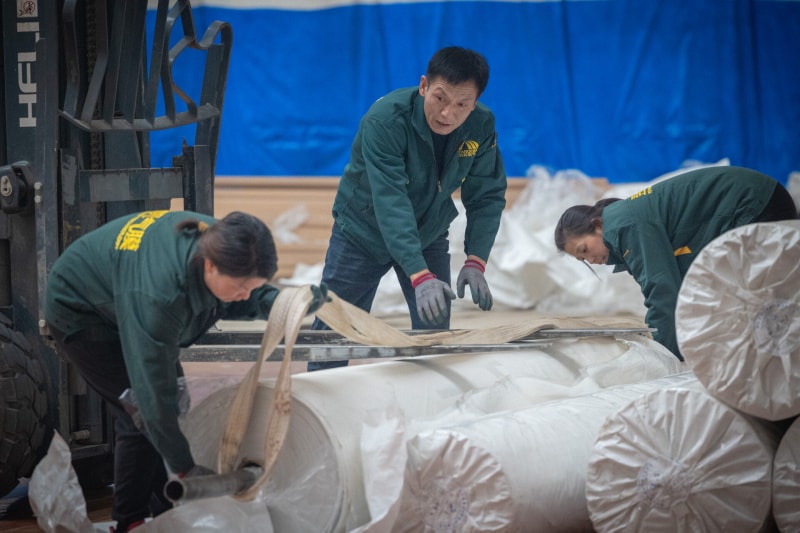
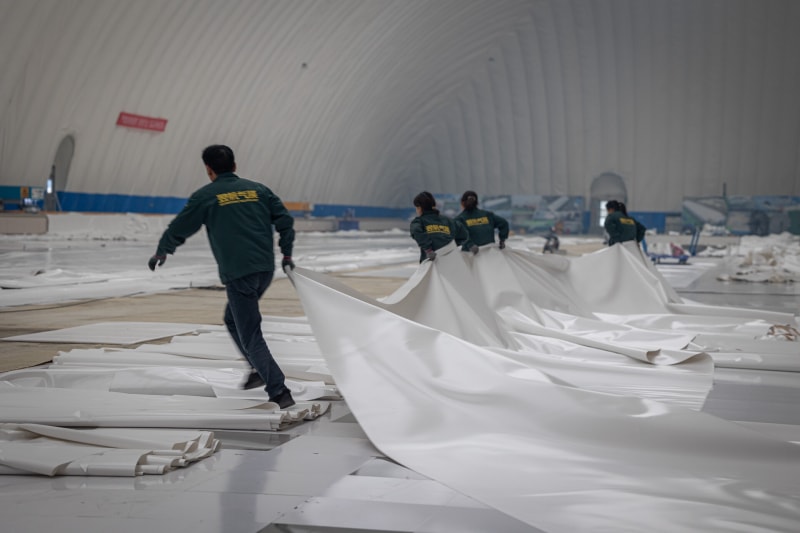
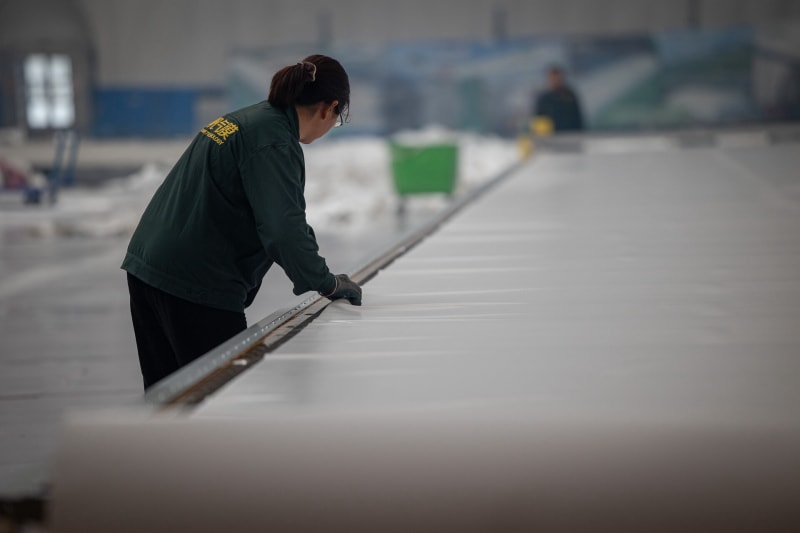
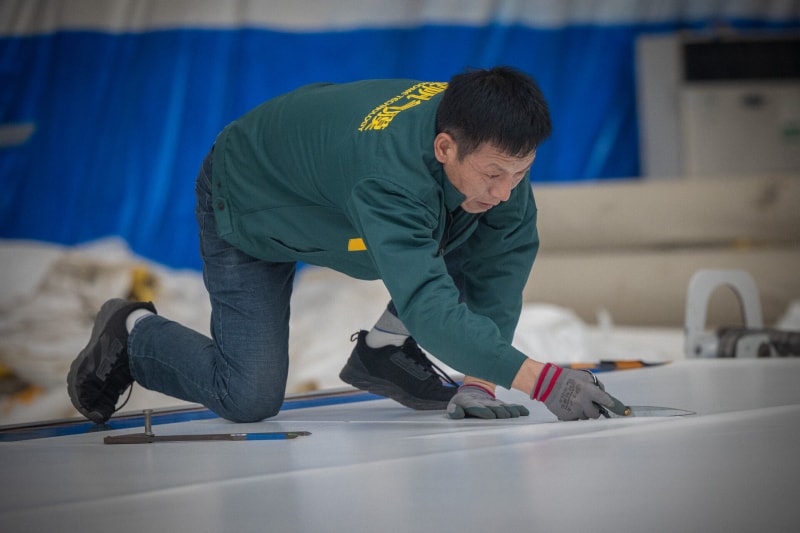
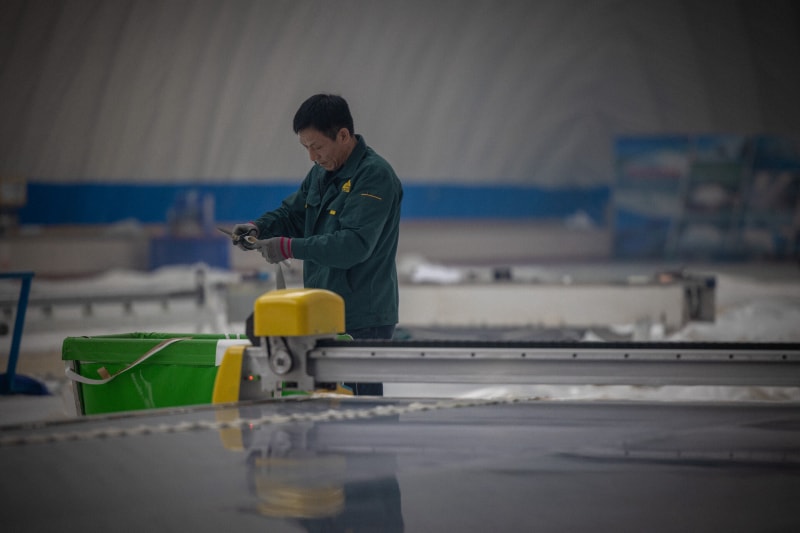
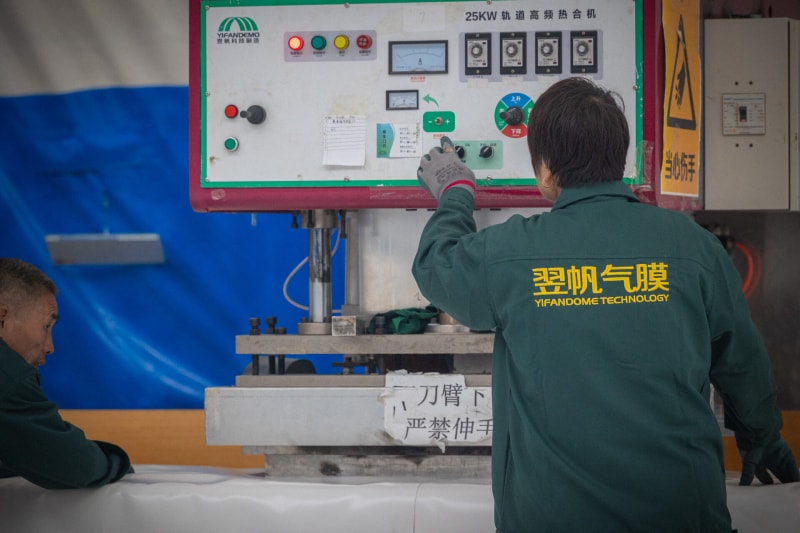
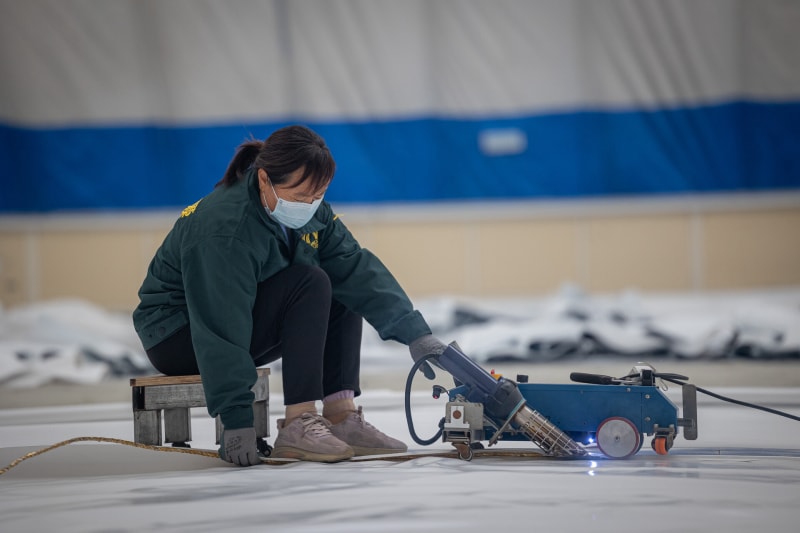
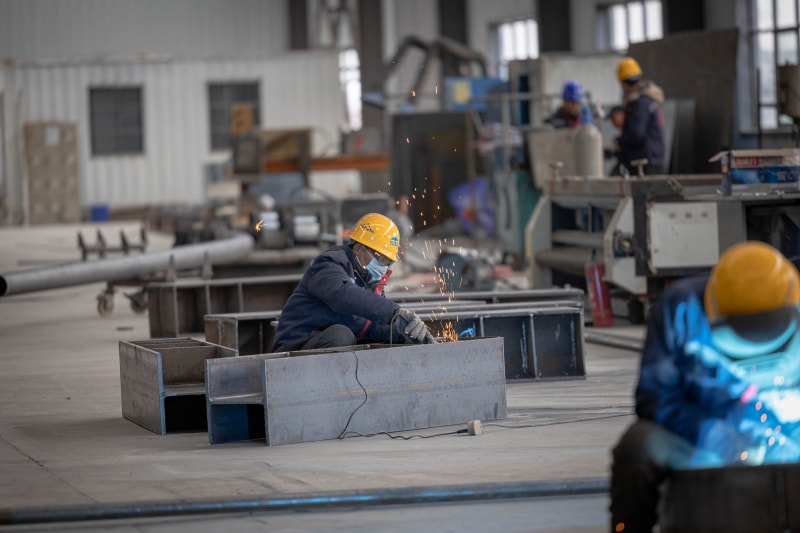
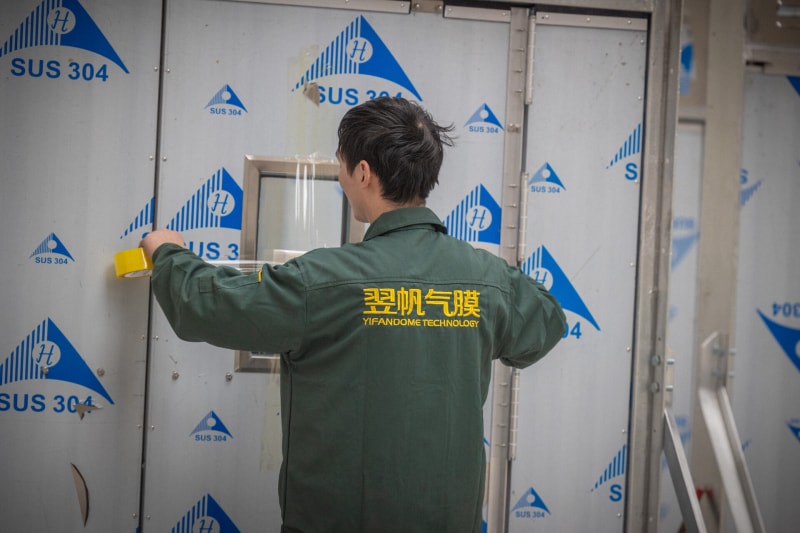
When designing tensile fabric roof structures for bulk material coal site enclosures, several strict engineering parameters must be met to ensure long-term structural integrity and compliance with local municipal building codes. The design process requires a comprehensive analysis of environmental loads, site location geology, and operational logistics inside the enclosure.
Unlike standard urban commercial structures, industrial coal yards are often situated in exposed coastal areas or flat, open plains where wind velocities can reach extreme levels. Using advanced finite element analysis (FEA) software, engineers simulate wind load distributions across the curved membrane surfaces. The aerodynamic shape of tensioned domes naturally deflates wind resistance compared to flat-walled buildings, but the supporting foundations and anchor cables must still be engineered to withstand gale-force winds up to Category 12. Snow shedding is another critical advantage; the smooth PVDF coating and curved profile facilitate natural snow slide-off, preventing dangerous localized loading during winter storms.
Coal dust is highly combustible, making fire safety a paramount concern. The membrane materials selected for coal domes must comply with global fire-retardant standards (such as DIN 4102 B1, NFPA 701, or GB 8624 B1). In the event of an external or internal thermal hazard, the membrane does not support combustion; instead, it carbonizes and self-extinguishes. To prevent spontaneous combustion of the stored coal, internal temperature mapping via infrared thermal cameras can be integrated directly into the dome's structural monitoring system.
One of the distinct advantages of tensile fabric roofs is their translucency. High-quality PVDF and PTFE membranes can transmit between 10% and 20% of natural daylight. This diffuse daylighting eliminates the need for artificial lighting during daytime operations, resulting in significant energy savings. For night operations, energy-efficient, explosion-proof LED light fixtures are suspended from the cable network or perimeter structures, ensuring bright, shadow-free illumination across the material stockpiles.