Leave Your Message
The global demand for modern indoor sports and athletics facilities has witnessed exponential growth over the past decade. Driven by urbanization, rising health awareness, and the commercialization of sports leagues, municipalities, educational institutions, and private investors are continuously searching for architectural alternatives that combine rapid deployment, cost-effectiveness, and architectural freedom. Traditional brick-and-mortar or structural steel arenas, while durable, present significant challenges including prolonged construction timelines, massive capital expenditures, and rigid spatial configurations.
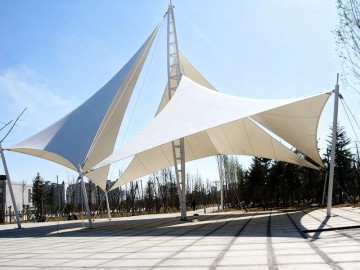
In this landscape, tensile fabric roof structures and air-supported membrane systems have emerged as the premier choice for modern athletic infrastructure. The industry has shifted from treating fabric structures as temporary covers to recognizing them as permanent, high-performance building envelopes. Today, tensile membranes represent a multi-billion dollar market globally, with applications spanning Olympic-grade training centers, multi-sport community hubs, professional tennis academies, and massive indoor soccer arenas. The commercial value proposition is clear: fabric structures deliver up to 50% savings in initial capital costs and can be erected in a fraction of the time required for conventional buildings.
"By utilizing high-performance engineering fabrics, developers can bypass the heavy structural requirements of traditional architecture, offering open, column-free spaces that are perfectly tailored for dynamic, fast-paced sports events."
Tensile fabric roofs and air domes are highly versatile, adapting seamlessly to a wide variety of sporting disciplines. The absence of internal support columns makes them uniquely suited for activities where vertical and horizontal clearance is vital:
Tennis and padel require consistent lighting, controlled wind conditions, and ample clearance for high lobs. Tensile fabric roofs provide soft, diffused natural daylight during the day, eliminating harsh shadows and direct glare that can disrupt a player's vision. The acoustic insulation properties also reduce the sharp echoing of ball impacts, creating a professional playing environment.
For municipal centers that host basketball, volleyball, gymnastics, and indoor soccer under one roof, spatial flexibility is critical. Air domes and tensile structures offer vast clear-span layouts that allow facility operators to easily reconfigure courts, install temporary seating, and host large-scale regional tournaments without structural interference.
Traditional steel buildings face rapid corrosion when exposed to the highly humid, chlorine-rich environments of indoor swimming pools. High-grade PVC, PVDF, or PTFE membrane materials are chemically inert and naturally resistant to moisture, chlorine vapor, and mold. This ensures a long structural lifespan and reduces maintenance costs significantly.
Athletes training for track events require climate-controlled environments to maintain peak performance year-round. Tensile fabric structures can be engineered with advanced thermal insulation layers and integrated HVAC systems, ensuring optimal temperatures during freezing winters or scorching summers.
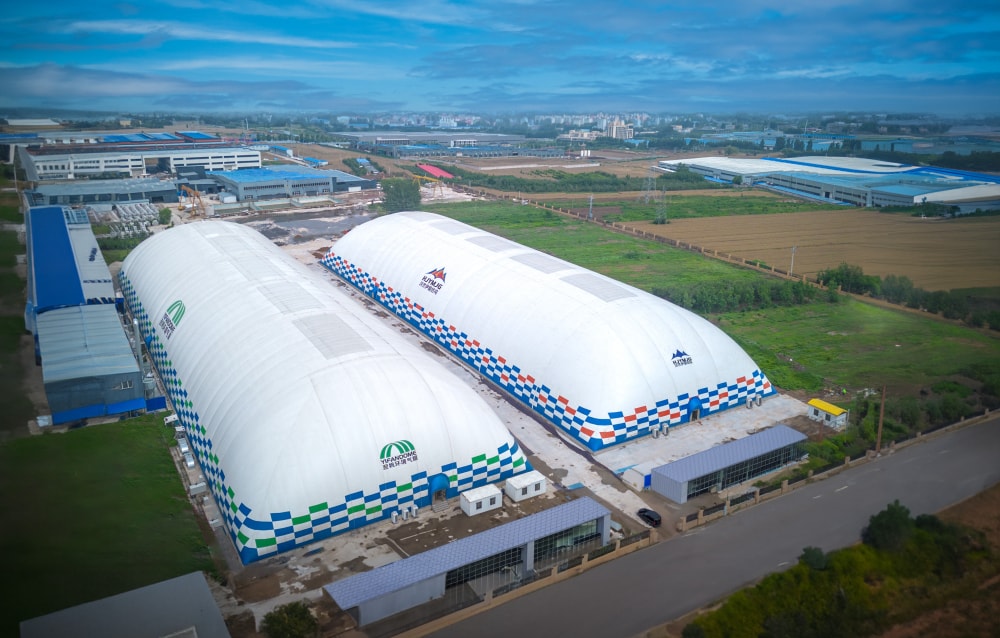
Yifan Air Dome is a high-tech enterprise dedicated to innovative, eco-friendly air-supported membrane structures and integrated air dome building solutions. As a leading integrated service provider in the application of membrane structure technology across China, we cover the full industrial chain of R&D, design, manufacturing, installation and full-cycle operation and maintenance, delivering high-efficiency, energy-saving and low-carbon sustainable building space solutions for global clients.
With years of deep cultivation in the air dome and membrane structure industry, we adhere to the development philosophy of green low-carbon, technological innovation and quality priority, and strictly comply with industrial construction and production standards. Supported by standardized production techniques and abundant experience in large-scale project implementation, we professionally customize various air domes, including sports stadiums, industrial warehouses, environmental enclosures, cultural tourism venues and exhibition membrane buildings, which are widely applied in sports fitness, industrial storage, environmental dust prevention, cultural tourism scenic spots and public supporting facilities.
As the construction industry marches toward carbon neutrality, the tensile membrane sector is undergoing rapid technological evolution. Several key trends are shaping the future of indoor sports architecture:
Modern tensile roofs utilize advanced PVDF (Polyvinylidene Fluoride) and PTFE (Polytetrafluoroethylene) coatings. These coatings provide superior UV protection and possess self-cleaning properties. When it rains, dust and pollutants are easily washed away, maintaining the structure's aesthetic appeal and light-transmittance levels over decades without requiring costly manual washing.
The integration of flexible, lightweight organic photovoltaics (OPV) directly onto the membrane surface is transitioning from experimental phases to commercial reality. This allows tensile sports halls to generate their own clean electricity, contributing to net-zero energy building (NZEB) goals. Furthermore, the low embodied carbon of membrane structures compared to heavy concrete foundation requirements aligns perfectly with global ESG mandates.
Double and triple-layer membrane configurations with aerogel insulation layers are now commonly used in colder climates. This setup achieves thermal performance comparable to traditional insulated roofs while maintaining the lightweight structural advantages of tensile design.
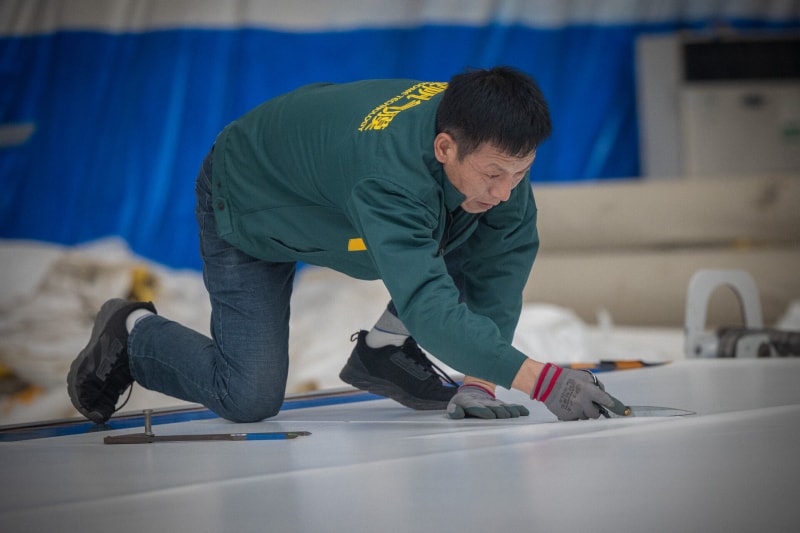
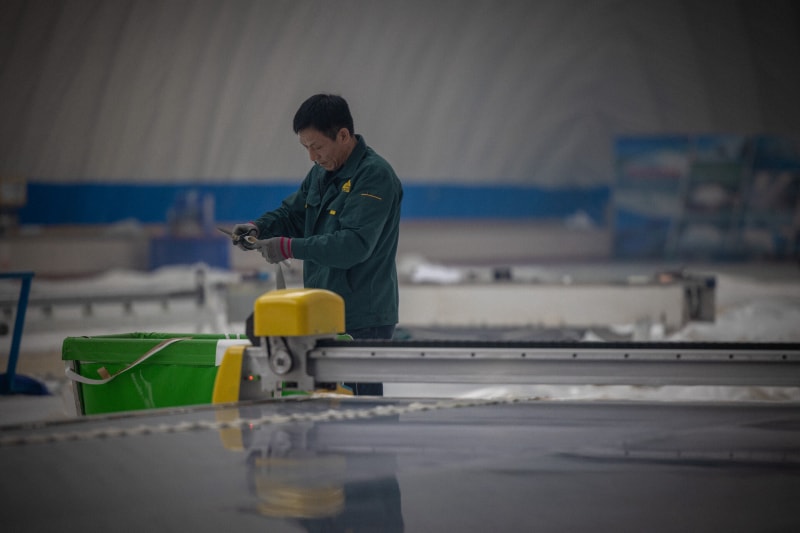
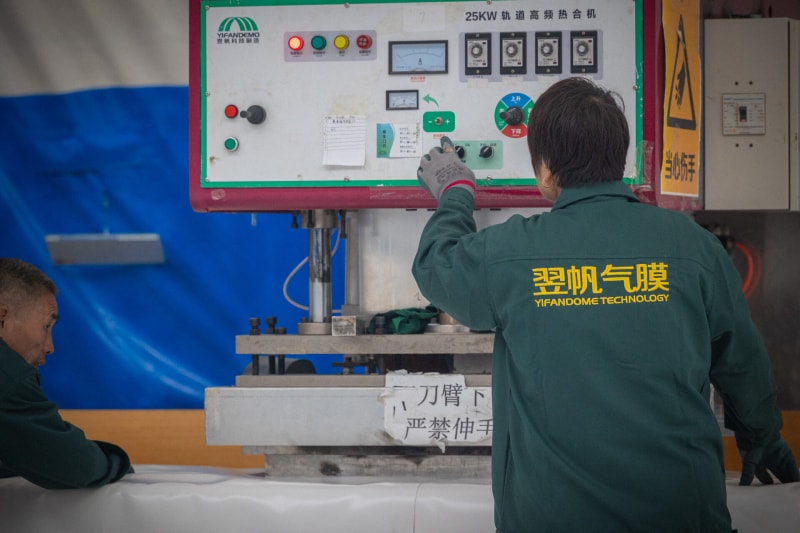
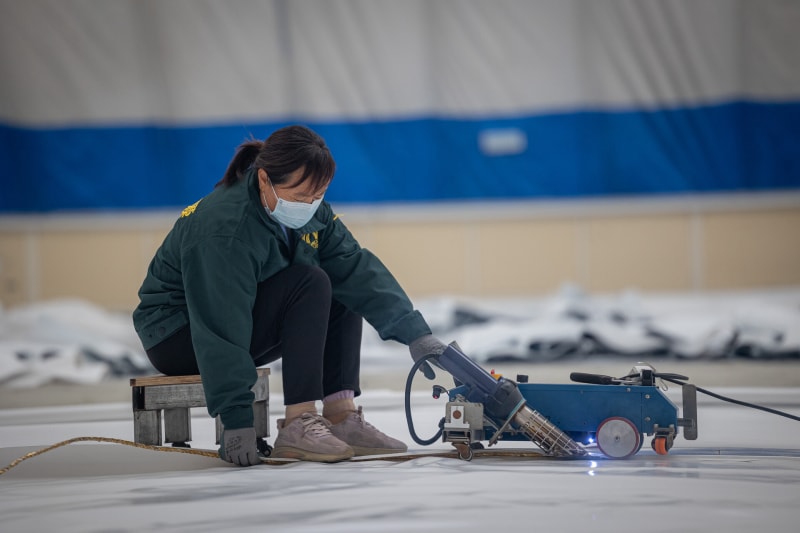
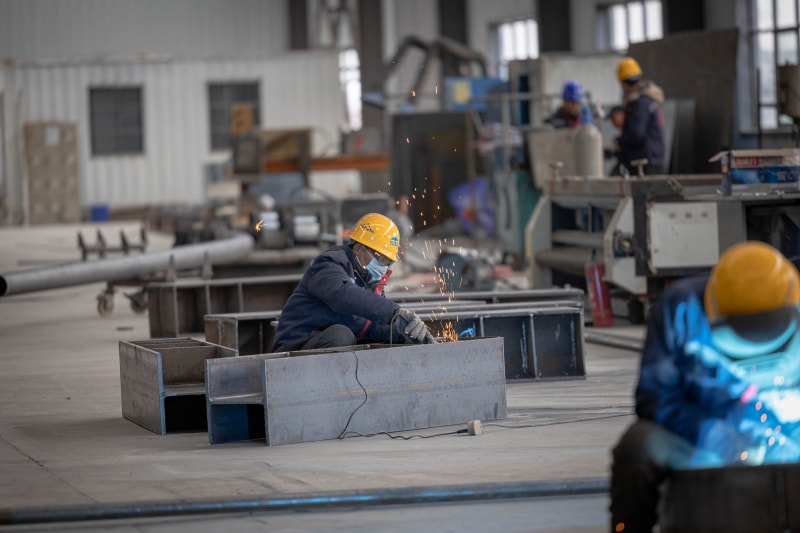
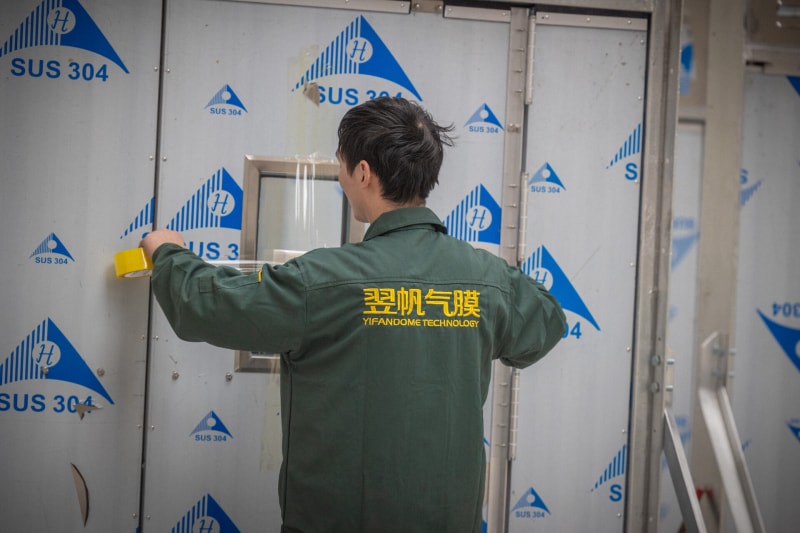
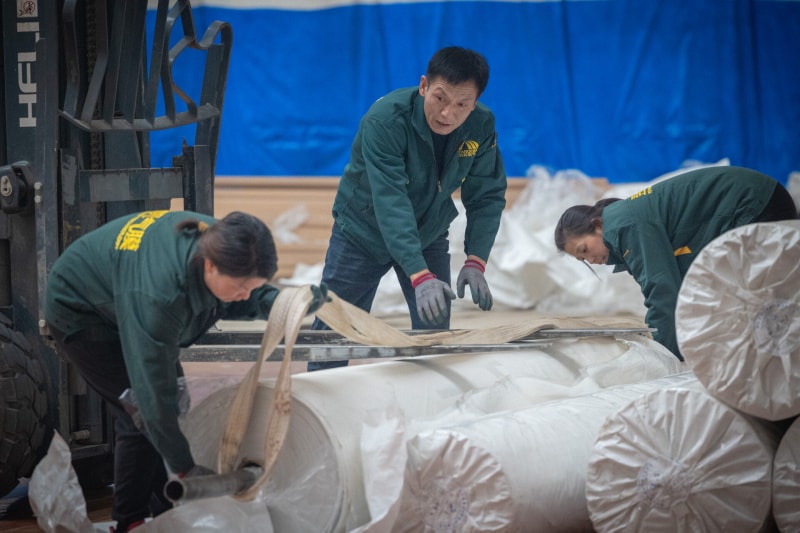
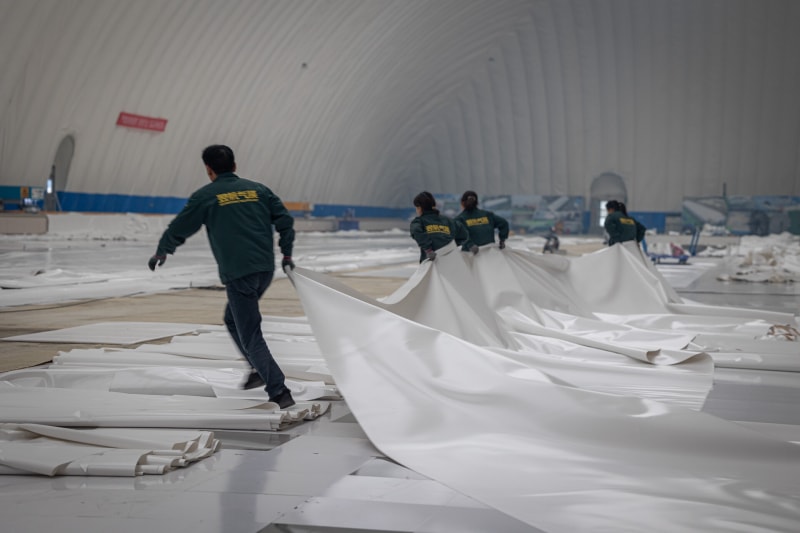
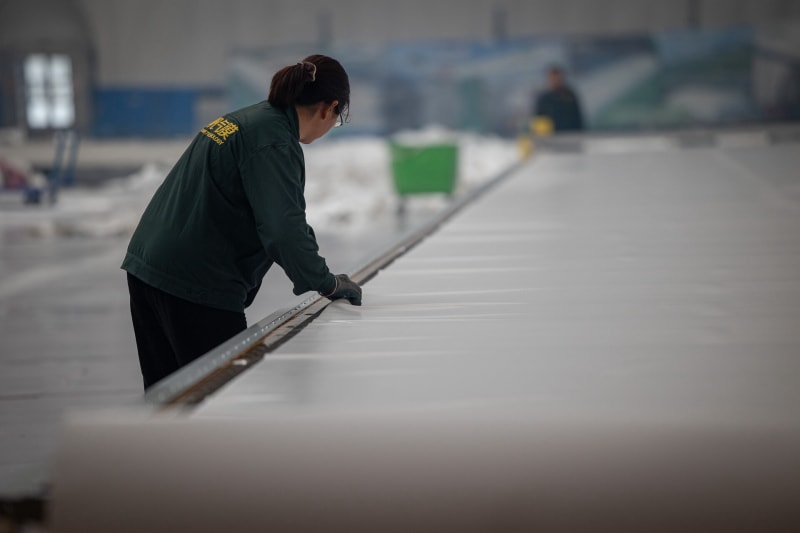
At Yifan Air Dome, our production process is defined by strict quality control, state-of-the-art automated machinery, and a highly skilled engineering team. From the initial selection of high-grade raw materials to the final packaging, every step is optimized to guarantee structural safety, wind and snow resistance, and longevity. Our production facility utilizes automated cutting systems and high-frequency welding machines to ensure high precision and airtight seams.