Leave Your Message
In the rapidly evolving global logistics and industrial manufacturing landscape, the demand for highly efficient, adaptable, and cost-effective spatial solutions has reached unprecedented heights. Traditional warehouse construction—characterized by heavy steel frameworks, masonry, and reinforced concrete—is increasingly challenged by the dynamic requirements of modern supply chains. The construction of conventional warehouses is frequently plagued by lengthy permitting processes, astronomical material costs, and structural limitations, most notably the omnipresence of internal support columns that fragment valuable floor space.
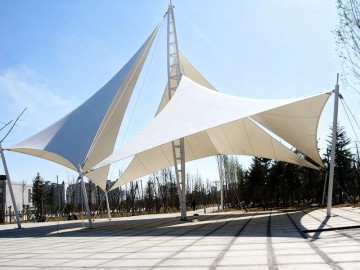
Enter tensile fabric roof structures for large-span industrial warehouse storage. By leveraging high-performance membrane materials tensioned over lightweight structural frameworks (or supported by positive internal air pressure), these structures deliver vast, unobstructed clear-span spaces. This architectural paradigm shift allows for the optimization of vertical storage racking, seamless movement of heavy machinery, and flexible layout reconfigurations without the spatial constraints imposed by traditional support columns.
Reduces construction schedules by up to 50% compared to traditional brick-and-mortar facilities.
Recyclable materials, reduced carbon footprint during manufacturing, and high daylight translucency.
Achieves up to 150+ meters of clear-span space with zero internal pillars for maximum storage density.
Globally, the market for industrial warehouses is undergoing a transition driven by e-commerce expansion, just-in-time manufacturing, and the need for environmental compliance in bulk material handling. Industries such as mining, agriculture, waste management, and heavy logistics are actively seeking alternatives to conventional steel buildings. Traditional steel structures are highly vulnerable to corrosion in harsh chemical or coastal environments, leading to astronomical maintenance costs.
Tensile membrane structures solve these challenges. The non-corrosive nature of PVDF, PTFE, and ETFE membranes ensures longevity even in highly corrosive chemical storage yards, salt storage facilities, and fertilizer depots. Commercially, the lower initial capital expenditure (CapEx) combined with minimal operational maintenance costs (OpEx) offers an attractive return on investment (ROI) for logistics operators and industrial enterprises.
"According to industry analysts, the global industrial tensile membrane structure market is projected to grow significantly, driven by the demand for rapidly deployable bulk storage facilities and eco-friendly warehouses that comply with modern green building certifications."
Environmental regulations worldwide have become increasingly stringent regarding the open-air storage of bulk materials such as coal, iron ore, clinker, and agricultural grains. Windblown dust from these stockpiles presents a severe environmental hazard. Large-span tensile fabric roofs serve as highly effective environmental enclosures. By enclosing massive stockpiles within a single, continuous membrane roof, operators can completely contain dust emissions, protect materials from rain-induced degradation, and maintain compliance with local environmental protection agencies.
Modern e-commerce fulfillment centers rely heavily on automated guided vehicles (AGVs), conveyor networks, and ultra-high vertical racking systems. Any internal structural columns present physical obstacles that disrupt automated workflows. Tensile fabric roof structures provide a completely clear-span interior. This allows logistics engineering teams to design optimal, straight-line conveyor pathways and maximize the density of high-rack storage systems, directly translating to higher throughput per square meter.
Marine ports are highly corrosive environments characterized by high humidity, salt spray, and extreme wind forces. Traditional metal cladding on port warehouses degrades rapidly, requiring frequent painting and structural reinforcement. Tensile membranes, coated with advanced fluoropolymer finishes (PVDF/PTFE), are completely immune to salt-spray corrosion and chemical oxidation. Their aerodynamically engineered curved profiles also minimize wind resistance, making them exceptionally stable during typhoons and coastal storms.
Yifan Air Dome is a high-tech enterprise dedicated to innovative, eco-friendly air-supported membrane structures and integrated air dome building solutions. As a leading integrated service provider in the application of membrane structure technology across China, we cover the full industrial chain of R&D, design, manufacturing, installation and full-cycle operation and maintenance, delivering high-efficiency, energy-saving and low-carbon sustainable building space solutions for global clients.
With years of deep cultivation in the air dome and membrane structure industry, we adhere to the development philosophy of green low-carbon, technological innovation and quality priority, and strictly comply with industrial construction and production standards. Supported by standardized production techniques and abundant experience in large-scale project implementation, we professionally customize various air domes, including sports stadiums, industrial warehouses, environmental enclosures, cultural tourism venues and exhibition membrane buildings, which are widely applied in sports fitness, industrial storage, environmental dust prevention, cultural tourism scenic spots and public supporting facilities.
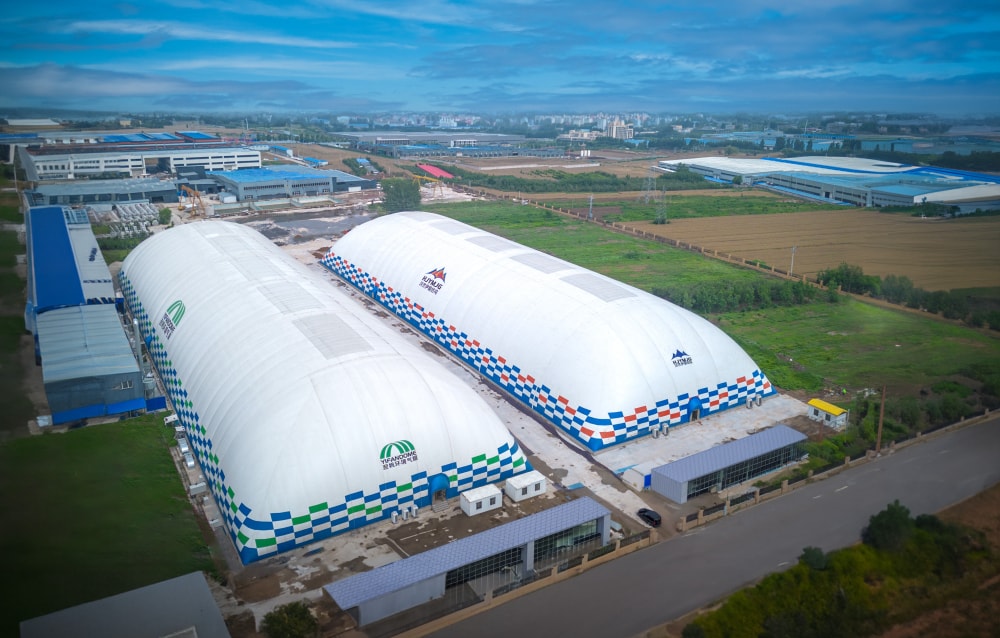
Our rigorous quality control and automated production flow ensure the structural integrity and longevity of every industrial tensile membrane we manufacture.
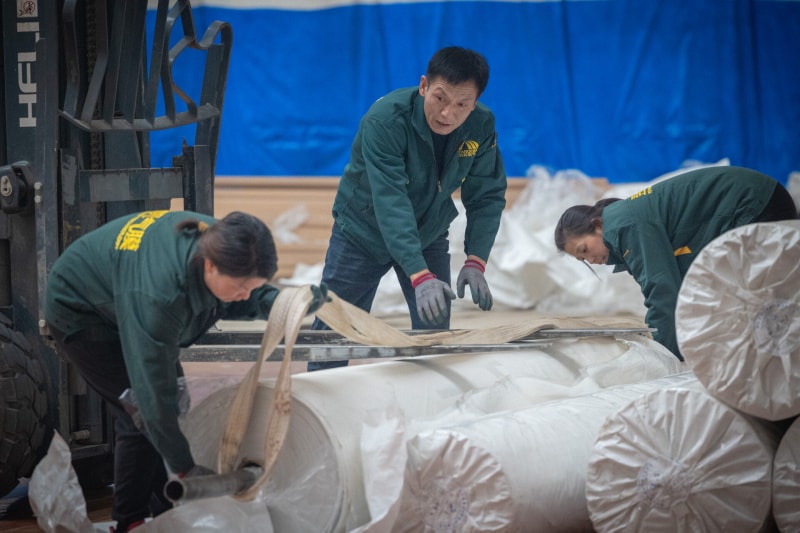
1. Select the customized membrane material
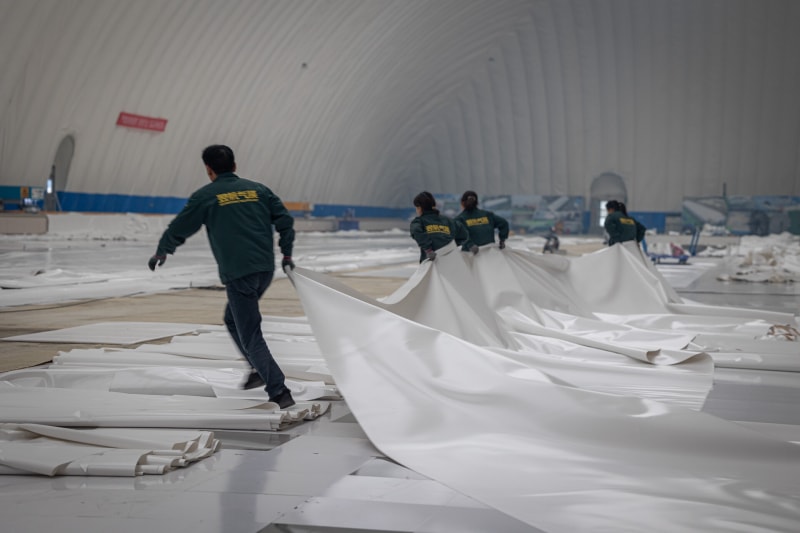
2. Deploy the membrane material
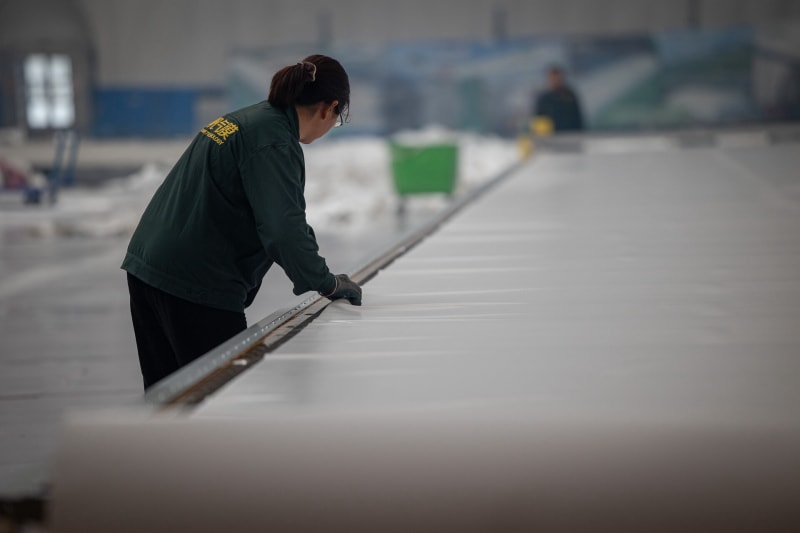
3. Lay the membrane material on the automated cutting machine and import the flat design drawings into the machine
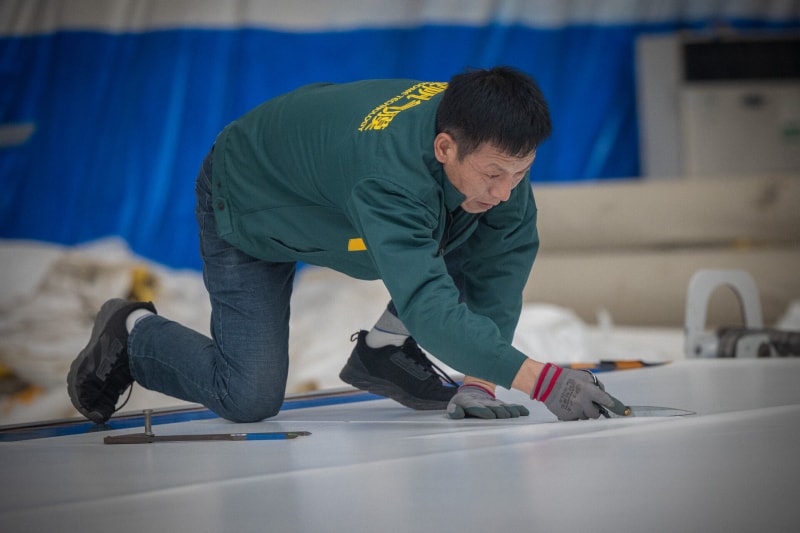
4. Manually trim the edges of the membrane material again to remove exposed fibers and ensure a secure weld
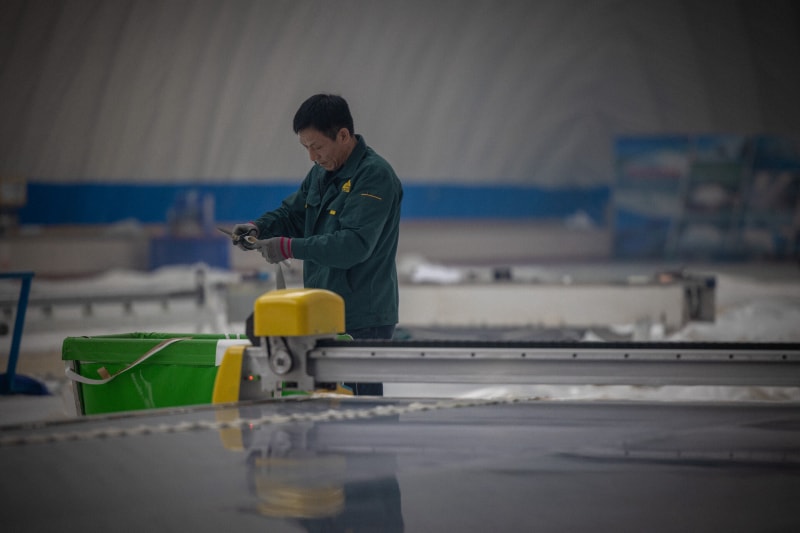
5. Cutting, Splicing, and Reinforcement Strips
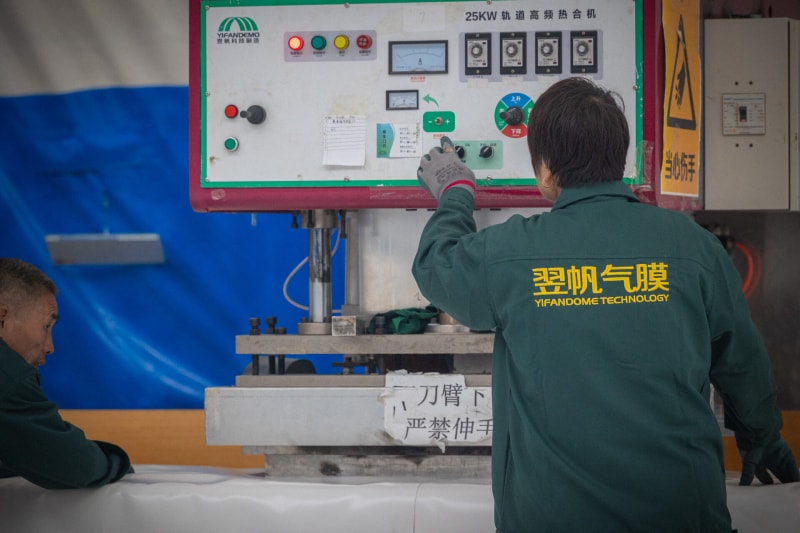
6. Workers arrange the membrane materials according to the layout drawings and weld them using a track-type high-frequency heat-sealin
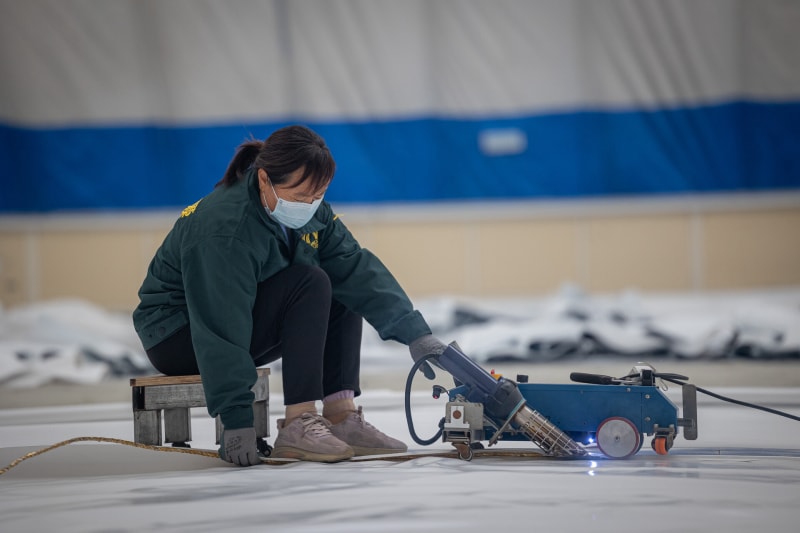
7. Small Hot Sealer Welding Rope Channel
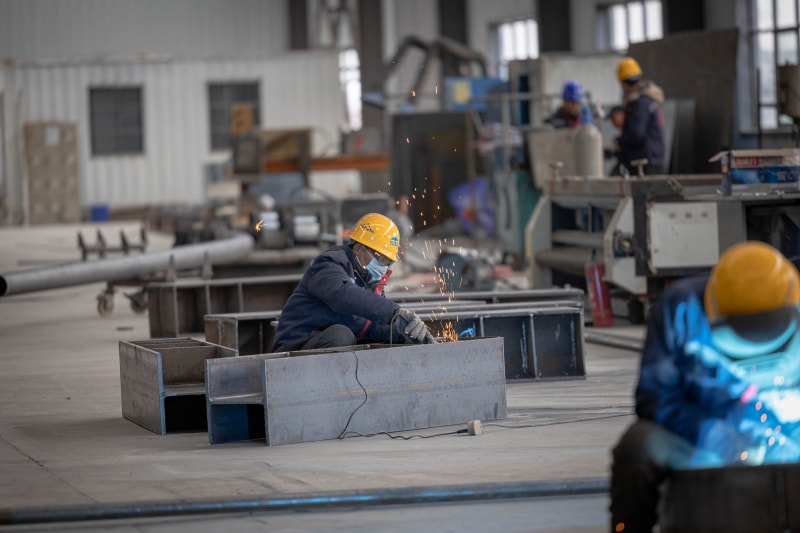
8. Manufacturing aluminum alloy clamps, door and window fittings, and inflatable pipes
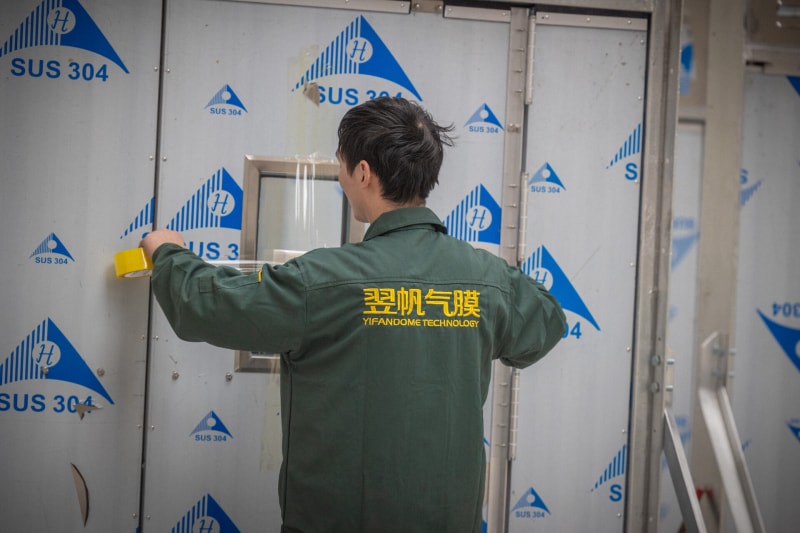
9. Check the product, pack it, and prepare for transportation
The field of tensile fabric architectural design is undergoing a massive technological evolution. In the past, membrane structures were viewed as temporary shelter solutions. Today, advances in polymer chemistry and structural engineering have elevated tensile fabric roofs to permanent, high-performance building systems. Key technological trends include:
Modern PVC membranes are treated with PVDF (Polyvinylidene Fluoride) or titanium dioxide (TiO2) coatings. These advanced coatings create a self-cleaning surface. When rain hits the membrane, it washes away atmospheric dust and pollutants, maintaining the fabric's high reflectivity and aesthetic appeal over decades. Furthermore, PTFE (Polytetrafluoroethylene) coated fiberglass membranes offer fire resistance ratings that comply with the strictest global building safety codes, alongside a design lifespan exceeding 30 years.
One of the historic challenges of single-layer fabric structures was thermal insulation. Modern industrial applications solve this by employing double or triple-layer membrane configurations with dead-air insulating chambers or specialty insulation blankets sandwiched between the layers. This drastically reduces the energy required to heat or cool the interior space, rendering tensile fabric structures highly viable for temperature-controlled cold chain logistics and sensitive agricultural storage.
For large-span industrial warehouse roofs, structural integrity is paramount. Modern engineering designs incorporate IoT sensor arrays directly into the tensioning systems. These load cells and displacement sensors monitor membrane tension, snow accumulation, and wind pressure in real-time. Automated alert systems notify facility managers of any abnormal stress distributions, allowing for proactive maintenance and ensuring absolute safety during extreme weather events.
From a financial perspective, tensile fabric structures offer a compelling cost-benefit ratio over traditional steel-framed warehouses. The lightweight nature of the membrane roof reduces the load-bearing requirements of the steel support frame and concrete foundations. This results in direct material savings of up to 40% in structural steel and concrete works.
Furthermore, the translucency of modern membrane materials allows natural daylight to diffuse into the warehouse interior during daylight hours. This eliminates the need for artificial lighting during daytime operations, significantly lowering electricity consumption and operational carbon footprints. From a sustainability standpoint, the speed of construction minimizes on-site environmental disruption, and the modular design allows the entire structure to be disassembled and relocated, avoiding resource waste and supporting circular economy principles.