Leave Your Message
High-performance tensile membrane components engineered for rapid deployment, extreme weather resistance, and tactical durability in operational environments.
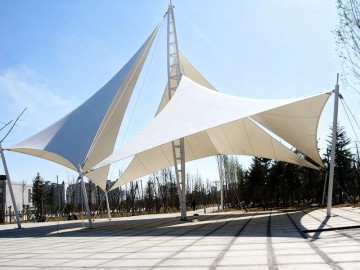
In modern military logistics and tactical operations, agility, rapid deployment, and structural resilience are paramount. Traditional rigid structures, while durable, fail to meet the modern demands of dynamic combat and support environments. This is where tensile fabric roof structures emerge as a critical asset. Designed for military temporary operational shelters, these structures leverage advanced polymer chemistry and structural engineering to deliver high-performance, lightweight, and rapidly deployable spaces.
Whether used for forward operating bases (FOBs), field hospitals, aircraft hangars, or tactical command centers, tensile membrane structures provide an unparalleled combination of speed, durability, and cost-effectiveness. By utilizing high-strength materials, these structures withstand extreme environmental conditions—from scorching desert heat to sub-zero arctic winds—while maintaining operational integrity.
➢ Key Tactical Advantage: Tensile fabric structures reduce logistical footprints by up to 70% compared to traditional building materials, allowing rapid air, land, or sea transport of complete operational facilities.
The global defense sector is experiencing a significant shift toward modular and expeditionary infrastructure. The commercial market for military-grade tensile fabric structures is growing rapidly, driven by the need for modernization, humanitarian aid missions, and geopolitical stabilization efforts. Governments and defense organizations are increasingly partnering with specialized membrane manufacturers to design custom tactical shelters that comply with strict military specifications (MIL-SPEC).
Industrially, manufacturing processes have evolved from simple canvas sewing to high-frequency electromagnetic welding and automated precision cutting. This ensures that every seam is 100% airtight and waterproof, capable of sustaining structural tension over long periods without degradation. The integration of advanced coatings such as PVDF (Polyvinylidene Fluoride) and PTFE (Polytetrafluoroethylene) provides self-cleaning properties, high UV resistance, and excellent flame retardancy, making these structures virtually maintenance-free during field operations.
In active conflict zones, establishing a secure and functional command center quickly can make the difference between operational success and failure. Tensile fabric roof structures allow engineers to set up fully functional command outposts in a matter of hours. The translucent properties of advanced membranes allow natural daylight to illuminate the interior during the day, while blackout linings prevent light leakage at night, preserving tactical concealment.
Modern military operations rely heavily on unmanned aerial vehicles (UAVs) and fighter jets. Storing and maintaining these high-value assets requires spacious, column-free environments. Large-span tensile structures provide the necessary clearance without the need for heavy internal support pillars. These structures can be equipped with large fabric hangar doors, allowing quick access for aircraft while protecting sensitive guidance systems and avionics from dust, rain, and extreme heat.
Medical units in the field require climate-controlled, sterile, and highly organized spaces. Tensile membrane shelters can be integrated with HVAC systems, insulation liners, and negative-pressure air filtration units to create safe medical environments. The modular nature of these structures allows medical teams to scale the facility dynamically, adding wards, operating rooms, and triage areas as needed.
Logistical support is the backbone of any military campaign. Tensile fabric structures serve as durable warehousing units for ammunition, rations, vehicles, and spare parts. By protecting equipment from moisture and thermal radiation, these structures prevent corrosion and spoilage, ensuring that supplies remain in optimal condition.
The future of military tensile structures lies in the integration of smart technologies. Research is currently underway to embed flexible photovoltaic (solar) panels directly into the fabric membrane. This would allow operational shelters to generate their own power, reducing reliance on diesel generators and minimizing the logistical burden of fuel transport.
Additionally, multi-spectral camouflage coatings are being developed to reduce the thermal and radar signatures of fabric shelters, making them less visible to enemy detection systems. Embedded structural health monitoring sensors will also allow real-time tracking of wind load, snow accumulation, and fabric tension, warning operators of potential structural issues before they occur.
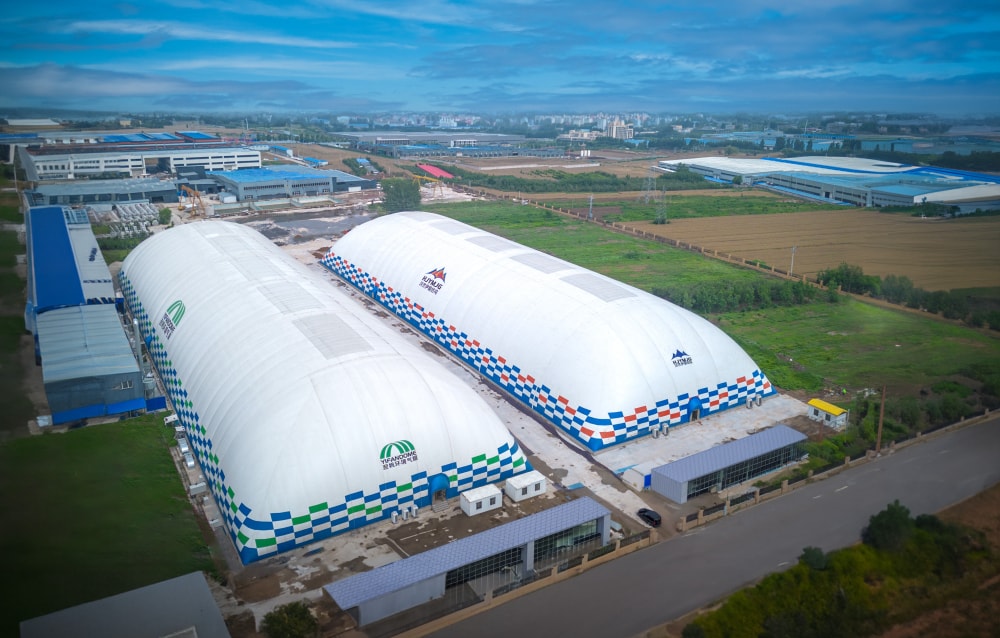
Yifan Air Dome is a high-tech enterprise dedicated to innovative, eco-friendly air-supported membrane structures and integrated air dome building solutions. As a leading integrated service provider in the application of membrane structure technology across China, we cover the full industrial chain of R&D, design, manufacturing, installation and full-cycle operation and maintenance, delivering high-efficiency, energy-saving and low-carbon sustainable building space solutions for global clients.
With years of deep cultivation in the air dome and membrane structure industry, we adhere to the development philosophy of green low-carbon, technological innovation and quality priority, and strictly comply with industrial construction and production standards. Supported by standardized production techniques and abundant experience in large-scale project implementation, we professionally customize various air domes, including sports stadiums, industrial warehouses, environmental enclosures, cultural tourism venues and exhibition membrane buildings, which are widely applied in sports fitness, industrial storage, environmental dust prevention, cultural tourism scenic spots and public supporting facilities.
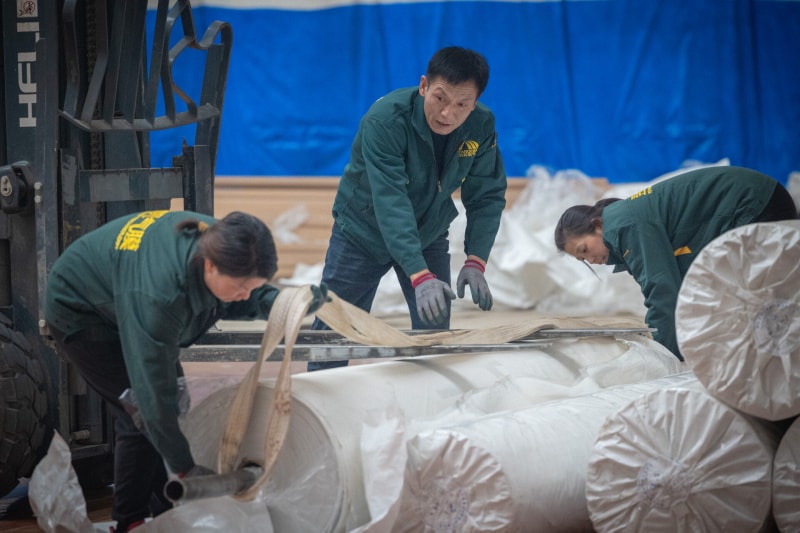
1. Select the customized membrane material
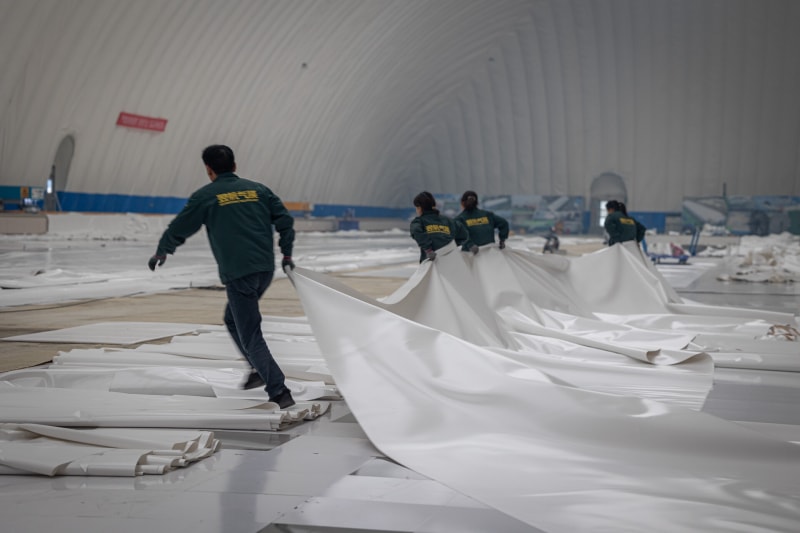
2. Deploy the membrane material
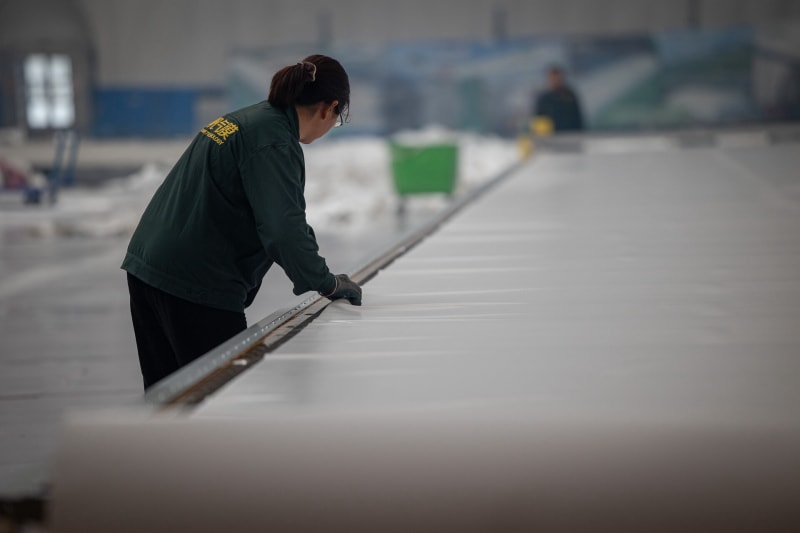
3. Lay membrane on cutting machine & import flat design drawings
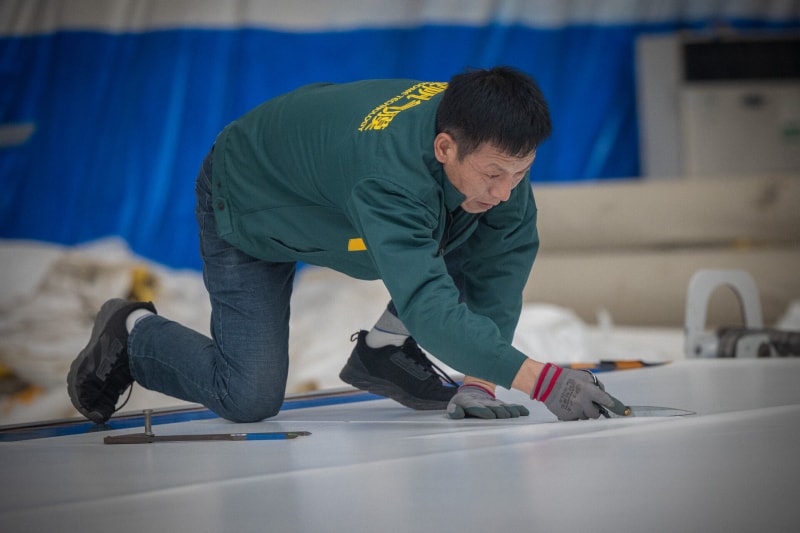
4. Manually trim the edges to remove exposed fibers & ensure secure weld
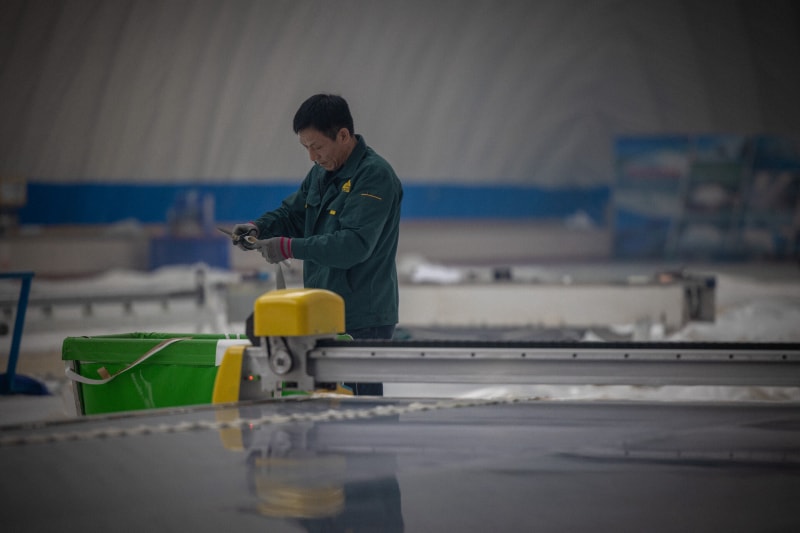
5. Cutting, Splicing, and Reinforcement Strips
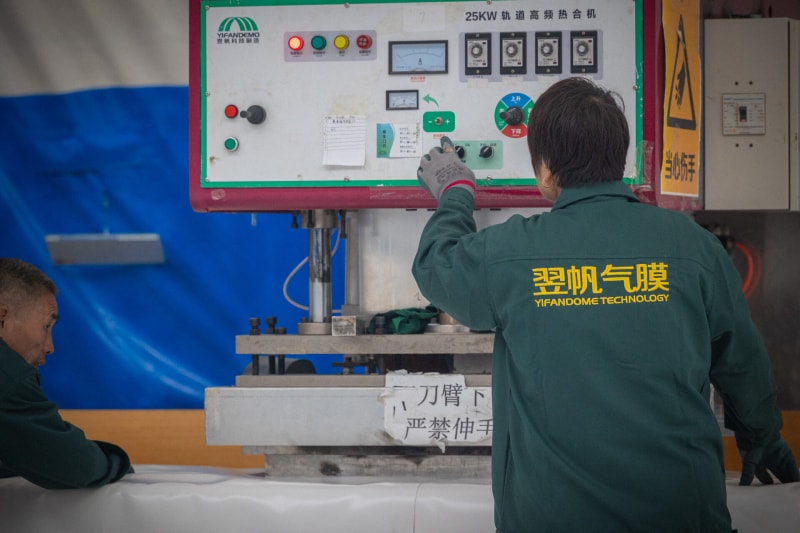
6. Arrange materials according to layout & weld using high-frequency sealer
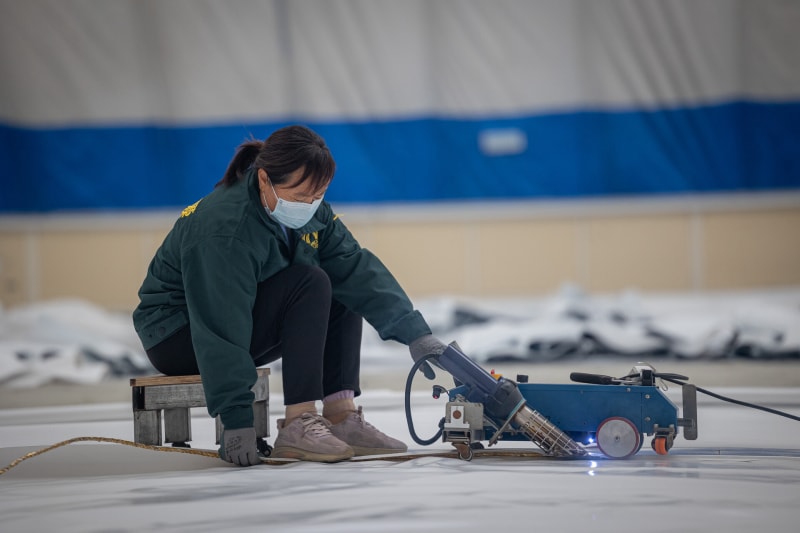
7. Small Hot Sealer Welding Rope Channel
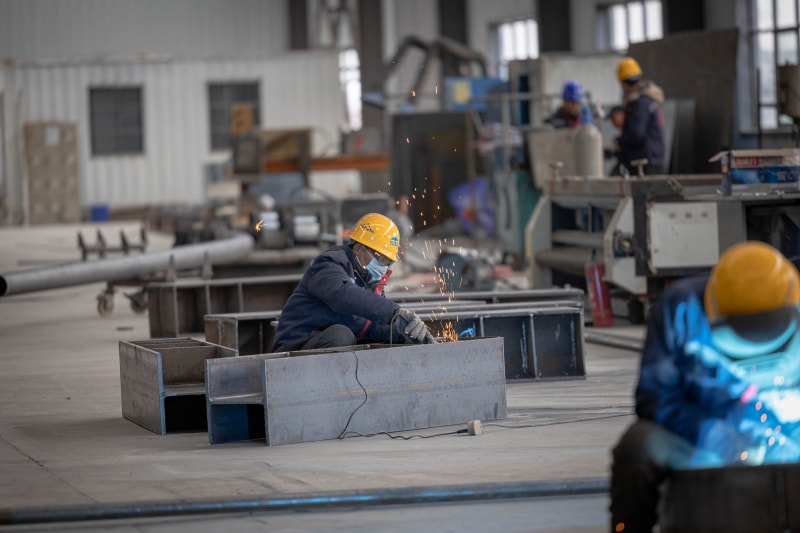
8. Manufacturing aluminum alloy clamps, door/window fittings, & pipes
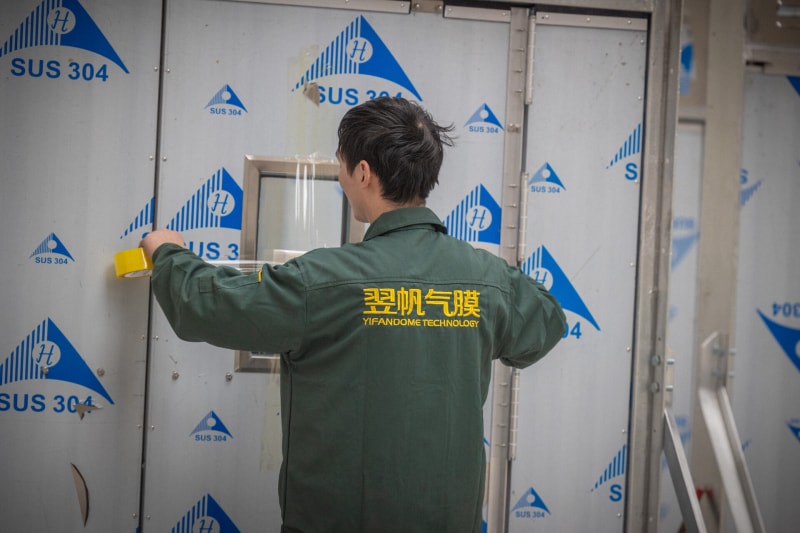
9. Check the product, pack it, and prepare for transportation
Explore our full range of field-tested tensile roof structures designed to meet the rigorous demands of military temporary shelters and support infrastructure.