Leave Your Message
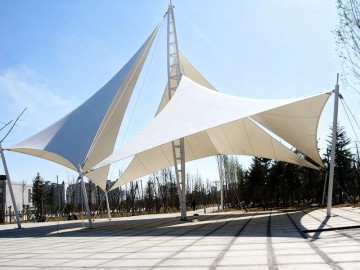
Engineered to withstand the diverse climatic conditions of Chile, from the arid Atacama Desert to the windy Patagonia.
How modern membrane technology is solving complex structural challenges across Chile.
Chile's unique geographical shape, stretching over 4,270 kilometers from north to south, encompasses a vast array of climatic zones. From the hyper-arid Atacama Desert in the north, through the Mediterranean central valley, to the cold, wet, and wind-swept southern Patagonia, construction projects face extreme and varied environmental challenges. In recent years, traditional concrete and rigid steel structures have increasingly been replaced by flexible, high-strength tensile fabric sheds. As a leading manufacturer and exporter, we provide state-of-the-art membrane structures tailored specifically to Chile's demanding industrial, mining, and agricultural landscapes.
In Northern Chile, particularly in regions like Antofagasta, Calama, and Copiapó, the mining sector is the primary economic driver. Large-scale mining operations require massive, clear-span storage solutions to protect equipment, stockpile copper ore, and prevent environmental contamination from windblown dust. Traditional structures are not only expensive to construct in remote desert areas but also lack the flexibility required for rapid deployment. Our tensile fabric sheds offer the perfect solution: they are lightweight, easily transportable, and can cover massive spans without internal pillars, maximizing operational efficiency.
Engineered to withstand Chile's high seismic activity (NCh433 standards) due to lightweight, flexible materials.
Advanced PVDF coatings protect against the intense solar radiation of the northern Atacama Desert.
Designed to handle the heavy snow loads of the Andes and the fierce winds of southern Patagonia.
Furthermore, in the central region, including Santiago, Valparaíso, and San Antonio, the logistics and agricultural industries are expanding rapidly. Exporters of fresh fruits, wine, and seafood require cost-effective, energy-efficient storage facilities. Tensile fabric sheds, with their translucent properties, allow natural daylight to illuminate the interior, significantly reducing electricity consumption during daytime operations. This alignment with Chile's national sustainability goals and green initiatives makes membrane structures a preferred choice for eco-conscious enterprises.
A Global Pioneer in Air-Supported Membrane Structures and Environmental Building Solutions
Yifan Air Dome is a high-tech enterprise dedicated to innovative, eco-friendly air-supported membrane structures and integrated air dome building solutions. As a leading integrated service provider in the application of membrane structure technology across China, we cover the full industrial chain of R&D, design, manufacturing, installation and full-cycle operation and maintenance, delivering high-efficiency, energy-saving and low-carbon sustainable building space solutions for global clients.
With years of deep cultivation in the air dome and membrane structure industry, we adhere to the development philosophy of green low-carbon, technological innovation and quality priority, and strictly comply with industrial construction and production standards. Supported by standardized production techniques and abundant experience in large-scale project implementation, we professionally customize various air domes, including sports stadiums, industrial warehouses, environmental enclosures, cultural tourism venues and exhibition membrane buildings, which are widely applied in sports fitness, industrial storage, environmental dust prevention, cultural tourism scenic spots and public supporting facilities.
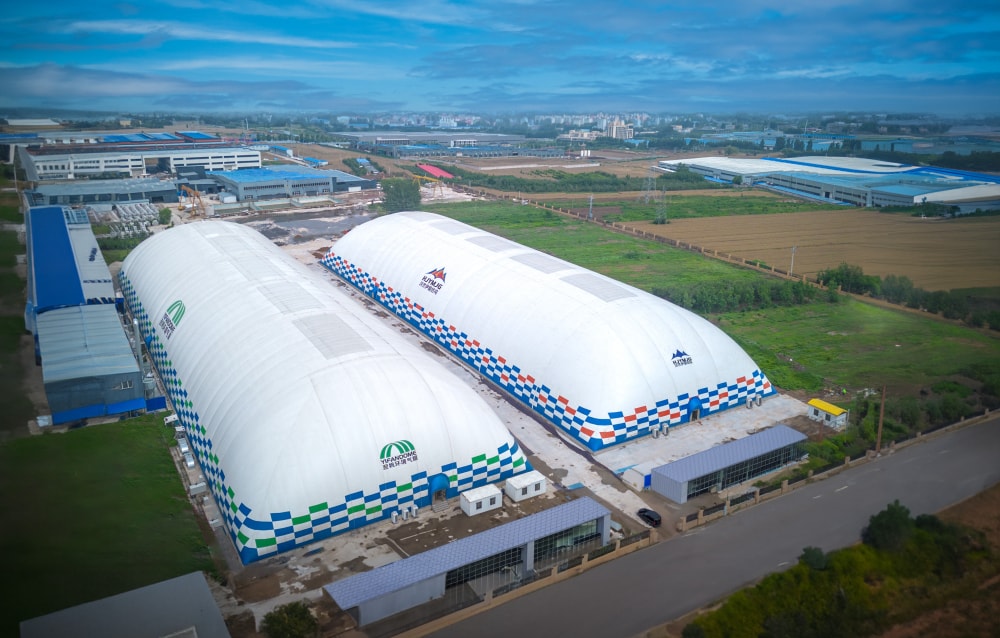
Our state-of-the-art production process ensures every tensile fabric shed meets global quality standards.
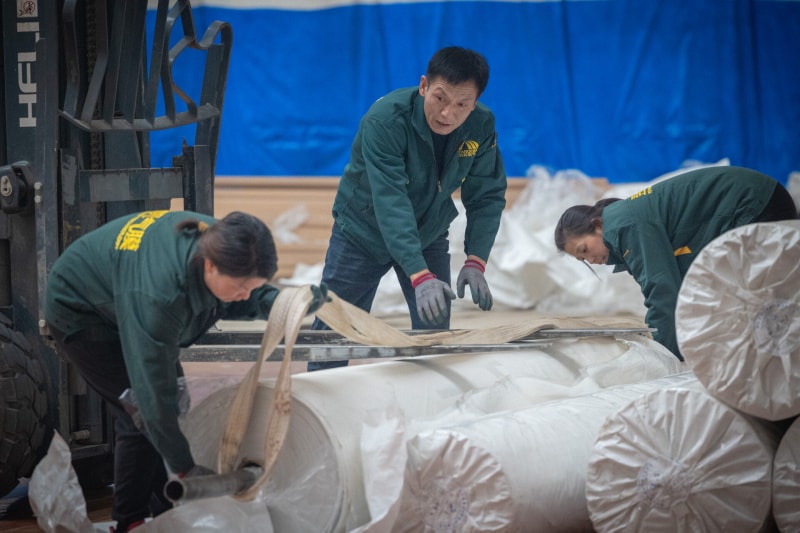
1. Select the customized membrane material
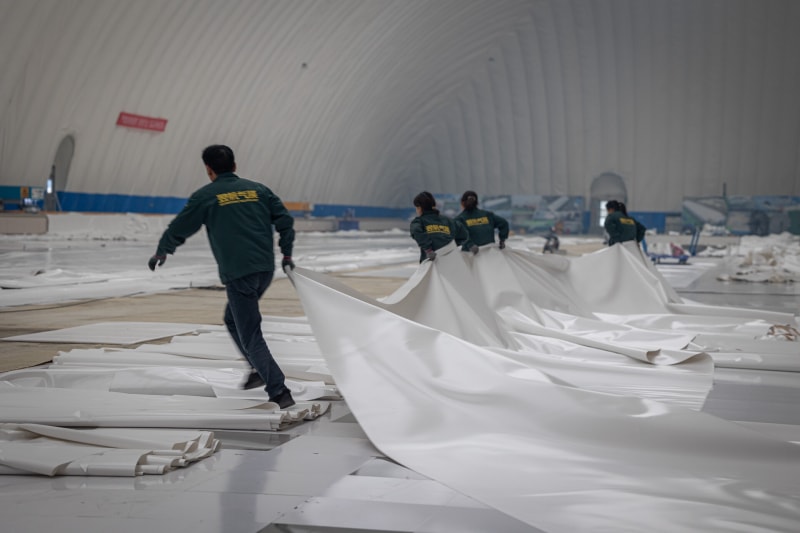
2. Deploy the membrane material
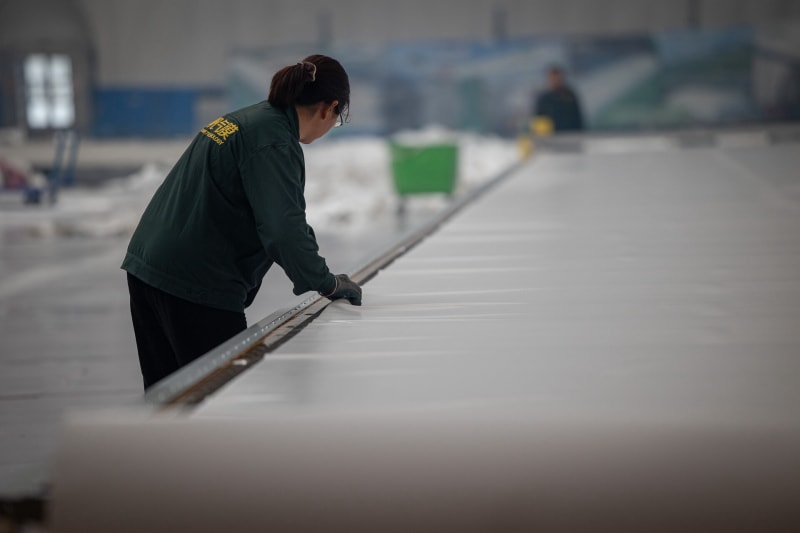
3. Lay the membrane material on the automated cutting machine and import the flat design drawings
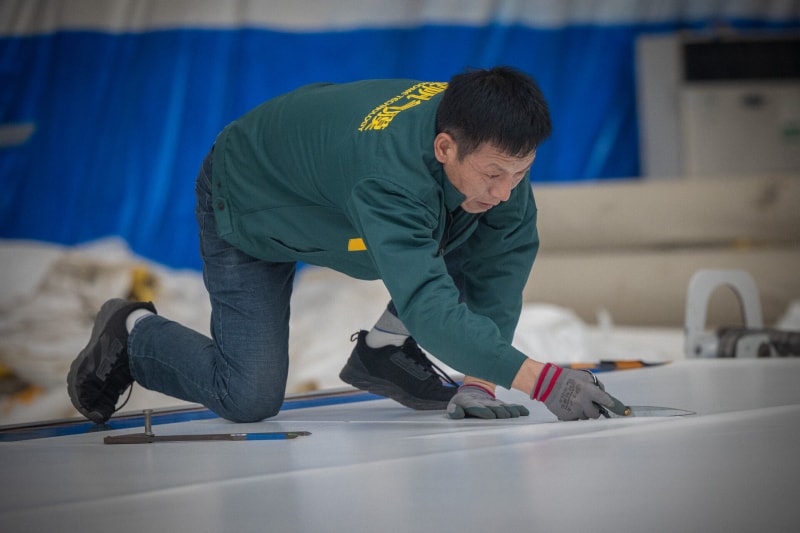
4. Manually trim the edges to remove exposed fibers and ensure a secure weld
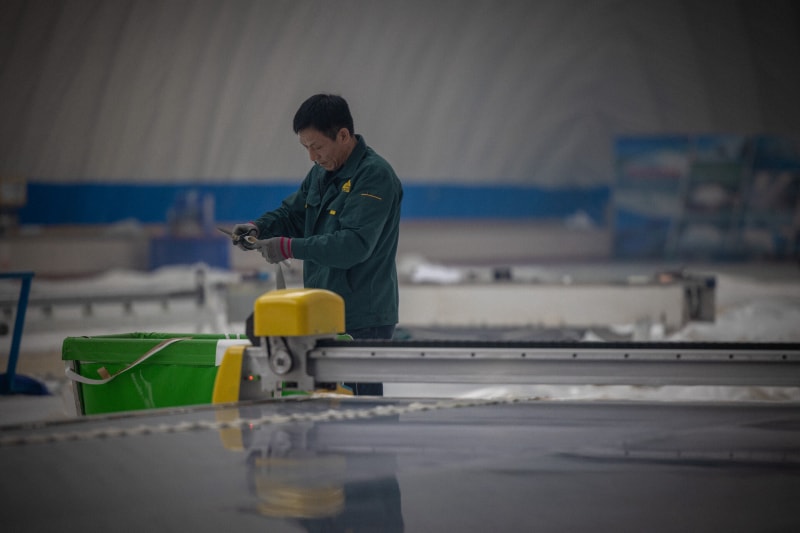
5. Cutting, Splicing, and Reinforcement Strips
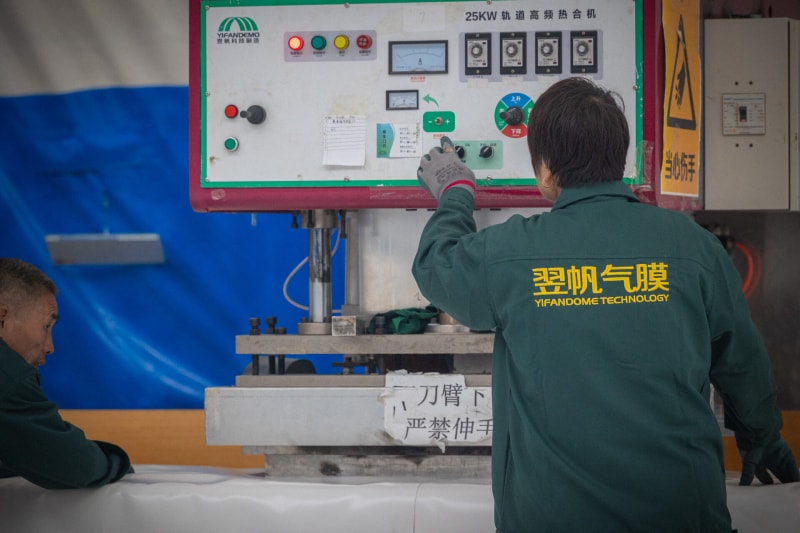
6. Arrange membrane materials and weld using track-type high-frequency heat-sealing
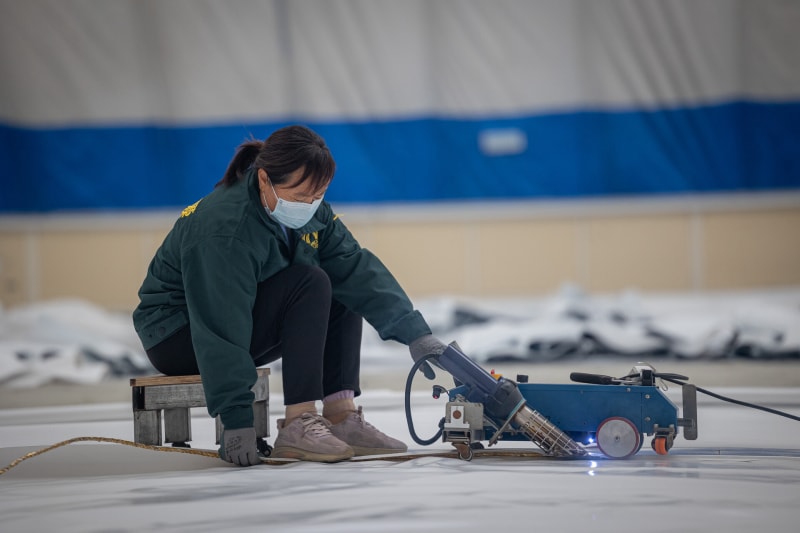
7. Small Hot Sealer Welding Rope Channel
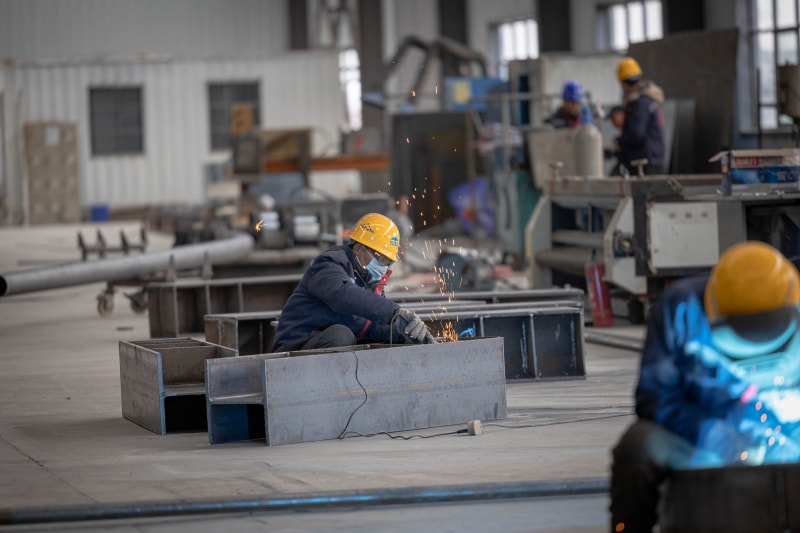
8. Manufacturing aluminum alloy clamps, door/window fittings, and inflatable pipes
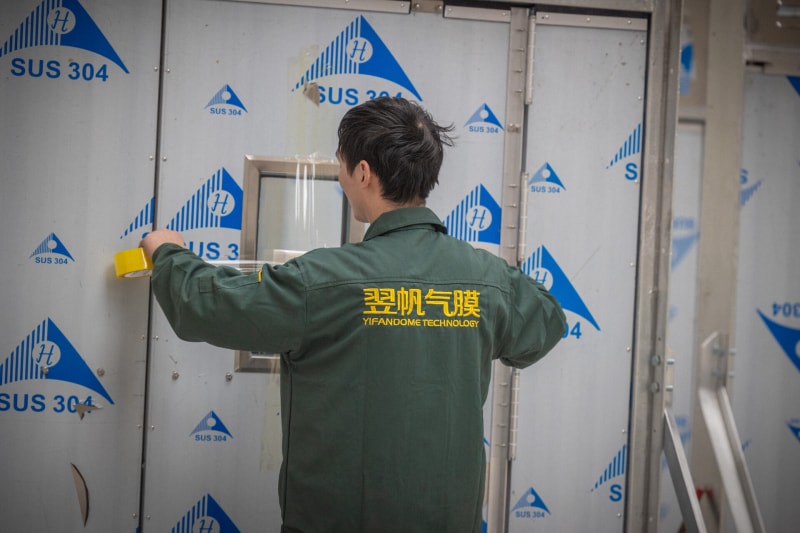
9. Check the product, pack it, and prepare for transportation
Our engineering team designs structures compliant with Chilean NCh standards for seismic and wind loads.
When implementing tensile fabric structures in Chile, compliance with local building codes is paramount. Chile is renowned for having some of the world's strictest seismic design regulations (NCh433) due to its location on the Pacific Ring of Fire. Traditional rigid buildings require massive concrete foundations and complex structural joints to withstand earthquakes. Tensile membrane structures, however, possess an inherent advantage. The lightweight nature of the membrane, combined with flexible steel cable networks, allows the structure to absorb and dissipate seismic energy without structural failure. In the event of an earthquake, the risk of collapse is virtually eliminated, ensuring the safety of personnel and stored assets.
Additionally, wind loads (NCh432) present a significant challenge in coastal cities like San Antonio, Iquique, and Coquimbo, as well as the southern region of Magallanes. Our tensile fabric sheds are engineered using advanced finite element analysis (FEA) to model wind behavior and ensure structural integrity. We utilize high-strength PVDF (Polyvinylidene Fluoride) and PTFE (Polytetrafluoroethylene) coated fabrics. These materials feature exceptional tensile strength, flame retardancy, and self-cleaning properties. Rainwater easily washes away dirt and dust from the smooth membrane surface, minimizing maintenance costs for Chilean operators.
Explore our diverse range of tensile fabric sheds and air dome installations tailored for Chilean clients.
Everything you need to know about Tensile Fabric Sheds and Air Domes in Chile.
Yes, absolutely. Tensile membrane structures are highly flexible and lightweight. Unlike rigid steel or concrete buildings, they absorb seismic forces rather than resisting them, making them exceptionally safe during earthquakes. Our designs comply fully with Chile's NCh433 seismic standards.
We use high-grade PVDF and PTFE membrane materials that are treated with specialized UV-resistant coatings. These coatings block harmful ultraviolet rays, prevent material degradation, and reflect a large portion of solar heat, keeping the interior temperature significantly cooler than traditional metal-clad buildings.
The lifespan depends on the membrane material chosen. High-quality PVDF membranes typically last 15 to 20 years, while premium PTFE structures can last upwards of 25 to 30 years. The structural steel frames are hot-dip galvanized to ensure they match or exceed the lifespan of the fabric cover.
Yes. Every structure we export to Chile is customized based on local meteorological data. Whether your project is in the high-altitude Andes mining region facing heavy snow or in the windy coastal ports, our engineers calculate the exact steel gauge and membrane tension required to ensure absolute structural safety.