
Leave Your Message
Chile, with its diverse geography spanning from the hyper-arid Atacama Desert in the north to the subpolar regions of Patagonia in the south, presents unique architectural and engineering challenges. The country's robust industrial backbone—led by mining, agriculture, fisheries, and logistics—demands infrastructure that is not only cost-effective but also highly resilient to extreme environments. This is where the Tensile Structure Roof has emerged as a revolutionary solution for modern Chilean businesses.
In northern Chile, particularly in regions like Antofagasta and Atacama, the mining sector operates under harsh environmental conditions. The intense solar radiation, high winds, and heavy dust generation require massive protective enclosures. Tensile membrane structures provide the perfect large-span shelter solution for copper and lithium stockpile containment, truck maintenance bays, and processing facilities. These lightweight structures can cover vast spans without internal support pillars, maximizing operational efficiency while meeting strict environmental dust-control regulations.
Meanwhile, in the Central Valley (Region Metropolitana, O'Higgins, and Maule), Chile's agricultural export powerhouse relies heavily on optimized packaging and storage. Tensile structure roofs are increasingly used for fruit sorting facilities, winery storage, and agricultural exhibition spaces. The ability to diffuse natural sunlight reduces energy consumption for indoor lighting while protecting delicate organic produce from direct UV damage.
Chile has positioned itself as a regional leader in green energy and sustainable development. The construction sector is under pressure to reduce its carbon footprint. Tensile structure roofs require significantly less raw material (steel and concrete) compared to conventional buildings. Furthermore, air-supported structures and tensioned membranes are fully recyclable and can be disassembled and relocated, aligning perfectly with Chile's circular economy goals.
From the intense UV exposure in the north to the heavy snow loads in the Andes and the relentless rains of the south, Chile's climate variability requires customized material engineering. The market is trending toward multi-layered insulated tensile membranes. These configurations provide exceptional thermal performance, allowing sports arenas, commercial malls, and public spaces to maintain comfortable temperatures year-round with minimal HVAC intervention.
Modern air domes and tensile structures are no longer passive envelopes. In Chile, there is a growing demand for smart membrane systems equipped with sensors that monitor internal air pressure, structural tension, and external wind or snow loads in real-time. This is particularly crucial for air-supported domes used in sports complexes and industrial warehouses, ensuring absolute safety under unpredictable weather patterns.
Yifan Air Dome is a high-tech enterprise dedicated to innovative, eco-friendly air-supported membrane structures and integrated air dome building solutions. As a leading integrated service provider in the application of membrane structure technology across China, we cover the full industrial chain of R&D, design, manufacturing, installation and full-cycle operation and maintenance, delivering high-efficiency, energy-saving and low-carbon sustainable building space solutions for global clients.
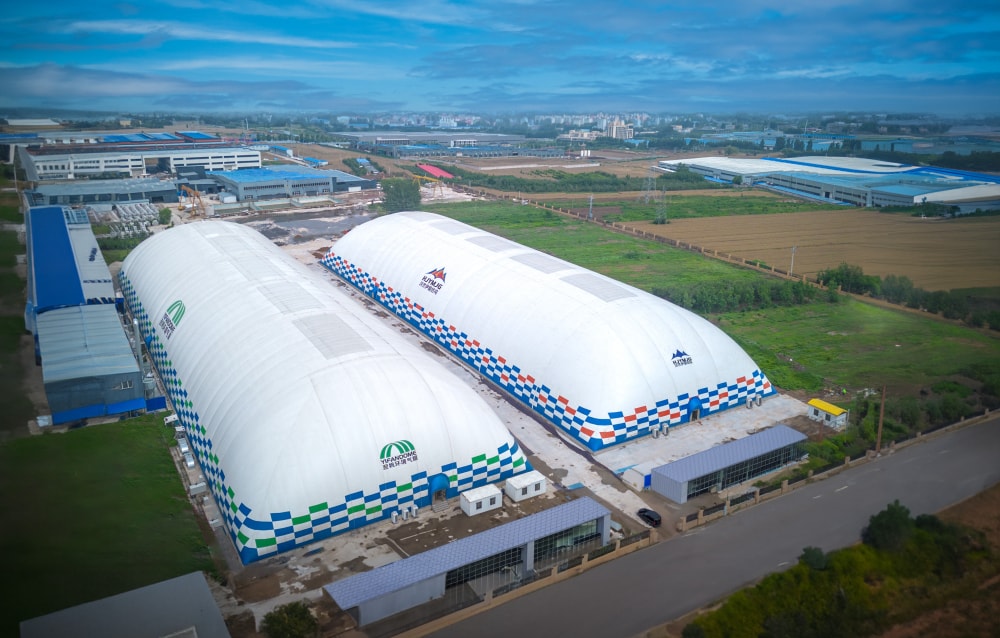
With years of deep cultivation in the air dome and membrane structure industry, we adhere to the development philosophy of green low-carbon, technological innovation and quality priority, and strictly comply with industrial construction and production standards. Supported by standardized production techniques and abundant experience in large-scale project implementation, we professionally customize various air domes, including sports stadiums, industrial warehouses, environmental enclosures, cultural tourism venues and exhibition membrane buildings, which are widely applied in sports fitness, industrial storage, environmental dust prevention, cultural tourism scenic spots and public supporting facilities.
As a premier tensile structure roof factory and supplier, we tailor our advanced membrane engineering to suit the specific regulatory and climatic conditions of the Chilean market. Below are the primary application scenarios where our structures deliver unmatched value:
Chilean environmental laws (such as those enforced by the SMA) mandate strict control over particulate matter emissions from mining activities. Our heavy-duty tensile membrane domes are deployed to cover large copper ore stockpiles, coal reserves, and chemical storage yards. Engineered with high UV-stabilized PVDF coatings, these covers resist extreme solar radiation and prevent hazardous dust from dispersing into the fragile desert ecosystem.
Urban land scarcity and the need for year-round sports facilities in Santiago have driven the adoption of air-supported domes. We provide customized air domes for tennis, football, and basketball courts. Designed with translucent fabrics, these structures allow natural ambient light during the day, reducing operational electricity costs. Their seismic elasticity ensures safety for thousands of local community members during earth tremors.
Ports like Iquique, Valparaíso, and San Antonio handle millions of tons of import/export cargo. Salt-laden marine air causes severe oxidation on traditional metal roofs, leading to high maintenance costs. Our tensile membrane roofs utilize corrosion-proof structural systems (hot-dip galvanized steel or aluminum alloy arches paired with high-strength PVC/PVDF membranes), providing a maintenance-free lifespan of over 20-25 years.
In southern Chile, eco-lodges and adventure camps require structures that blend harmoniously with nature while offering superior protection against freezing winds, heavy rain, and snow loads. Our customized modular tension structures provide luxury glamping domes and communal dining halls that can withstand wind speeds of up to 150 km/h, ensuring comfort in the wilderness of Torres del Paine.
Discover our meticulous manufacturing and quality control standards. We utilize state-of-the-art automated equipment to ensure every tensile roof membrane meets international engineering specifications.
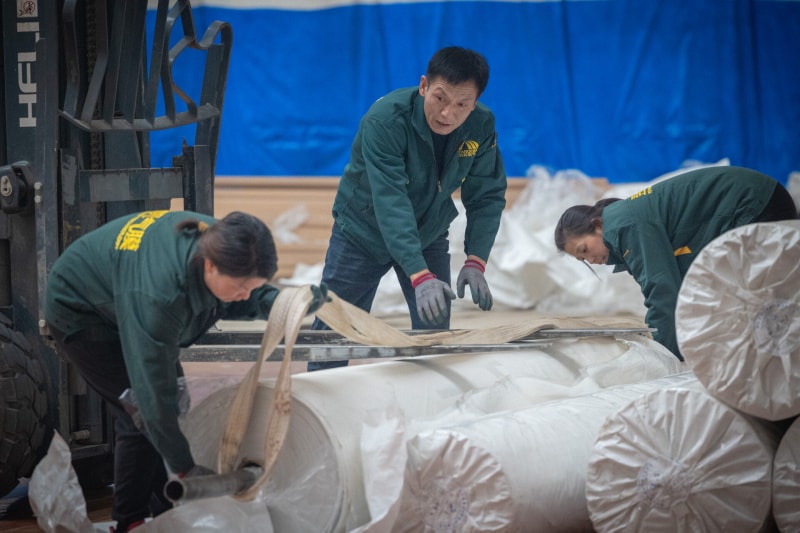
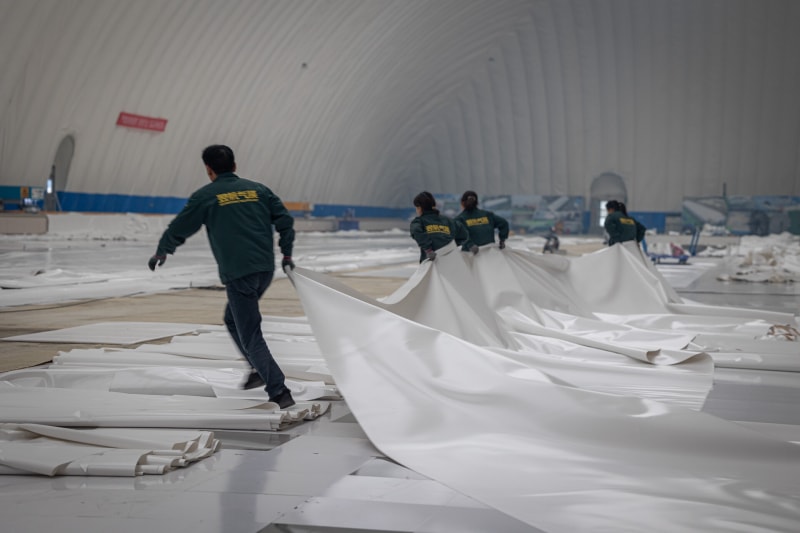
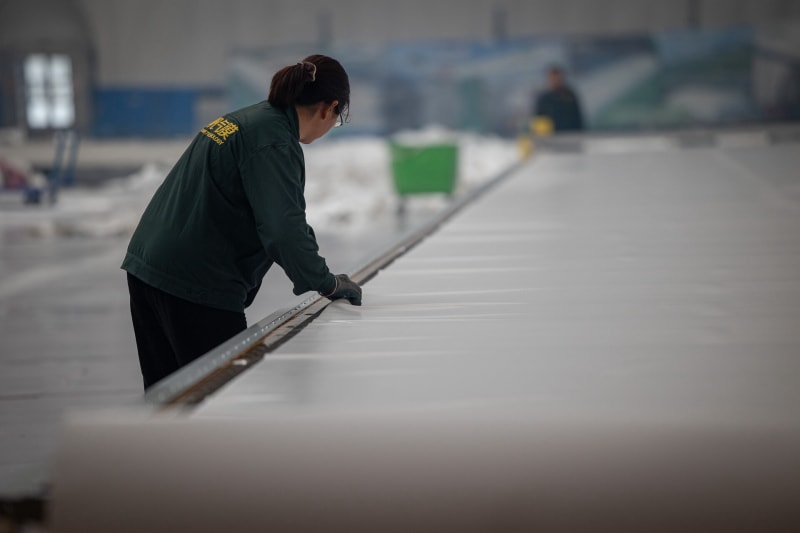
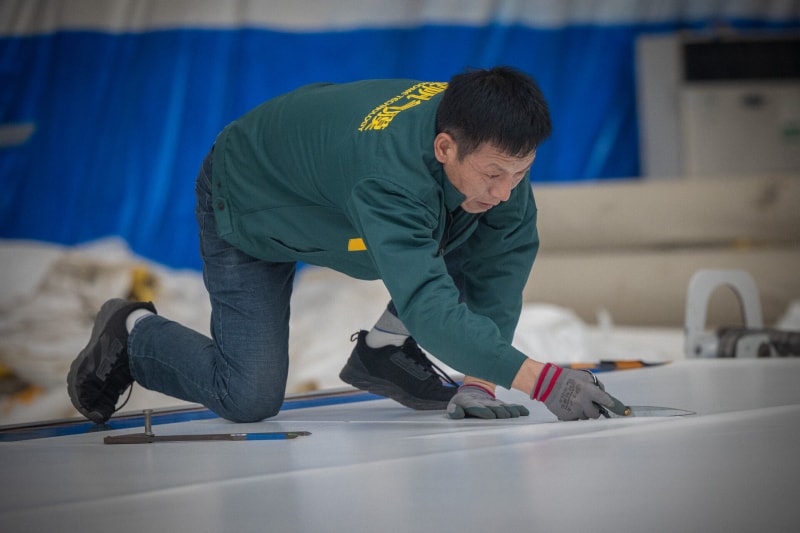
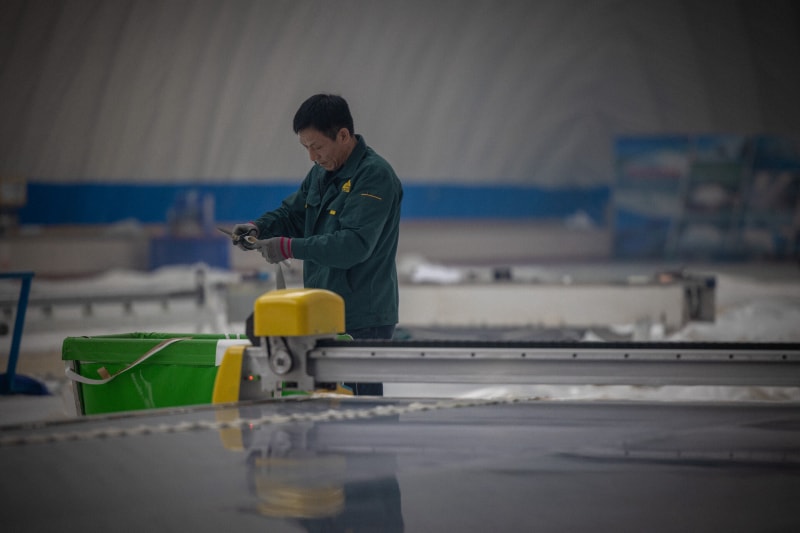
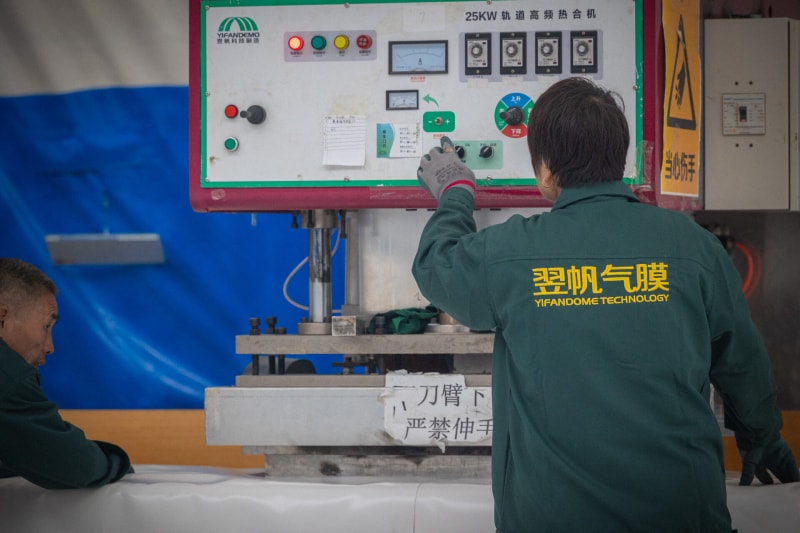
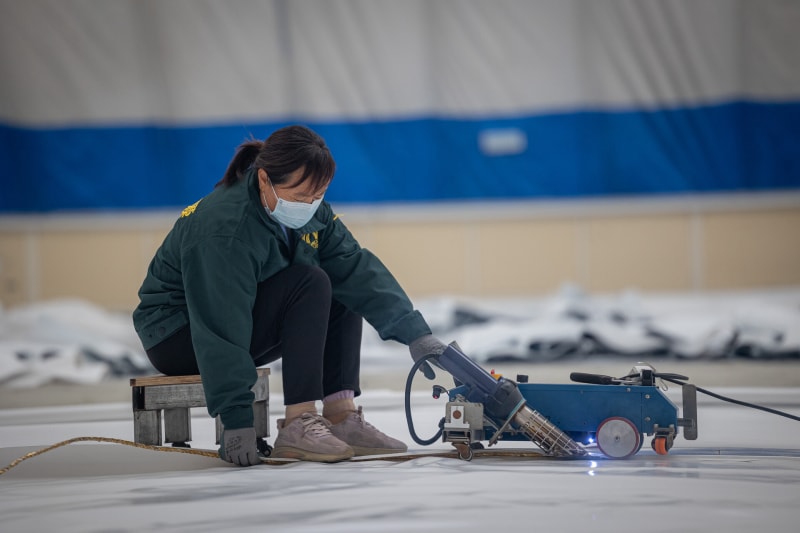
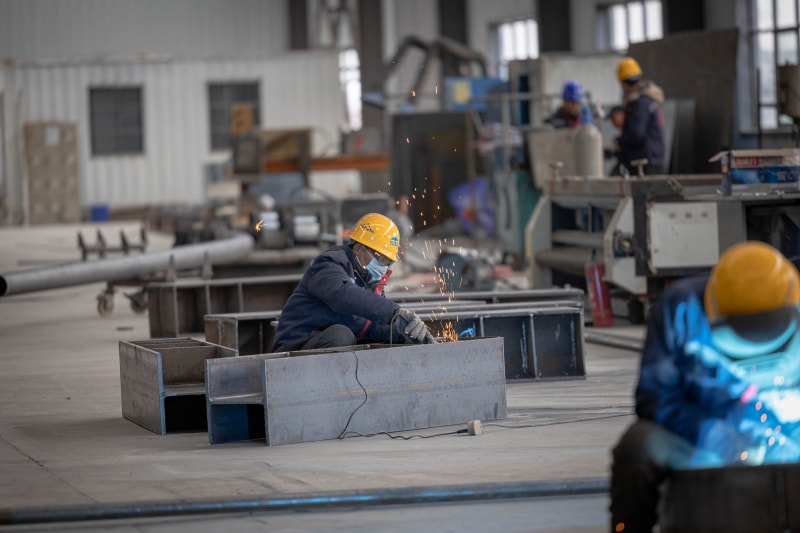
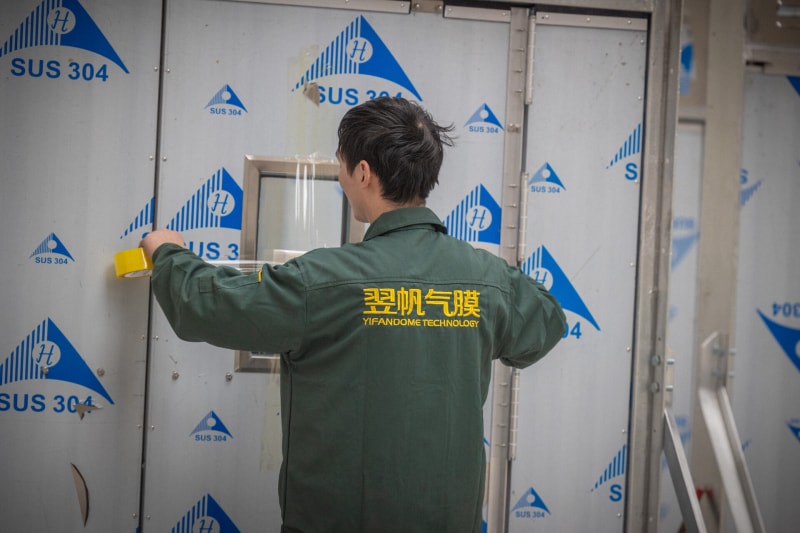
As a trusted international supplier, Yifan Air Dome incorporates advanced architectural physics to ensure our tensile structure roofs meet Chile's strict building codes (such as NCh433 for seismic design and NCh432 for wind loads).
Unlike heavy steel or concrete roofs, which generate massive inertial forces during an earthquake, tensile membranes are extremely lightweight. The structural load is distributed evenly across high-tension cables and structural steel arches. In the event of a severe earthquake, the membrane flexes and absorbs energy without structural failure, guaranteeing maximum safety for commercial, industrial, and public spaces in active zones like Santiago and Valparaíso.
We offer tailored material options depending on project requirements:
From industrial hangars to public arenas, discover how our custom installations perform across diverse environments in Chile.
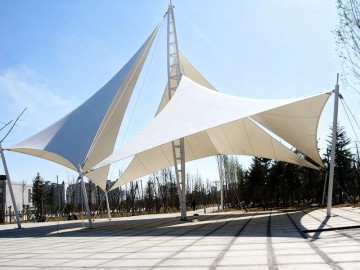
High-Strength Tensile Membrane for Awning & Canopy - Chile Commercial Grade
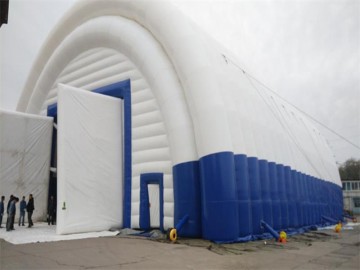
Custom Air-Rib Membrane Structure Aircraft Hangar - Santiago Airport Project
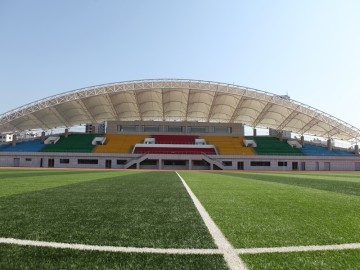
Steel-Membrane Structure for Stadium - Chile Municipal Arena
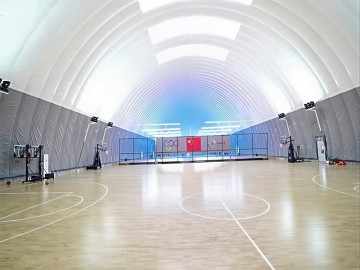
Customized Air Supported Membrane Basketball Court - Chile Sports Complex
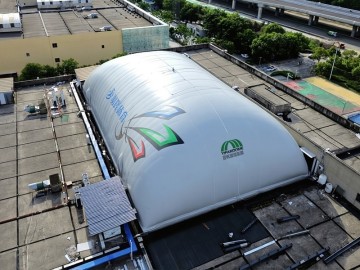
Anti-Glare Air Dome Structure for Badminton Stadium - Antofagasta Sports Center
High-Strength Tensile Membrane - Atacama Mining Outpost Canopy
Custom Air-Rib Membrane Structure - Patagonia Logistics Base Hangar
Steel-Membrane Structure - Valparaíso Community Center Roof