
Leave Your Message
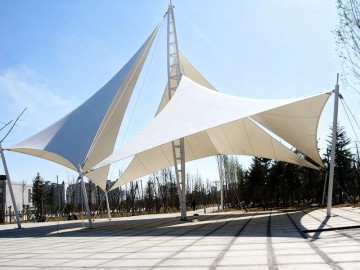
The introduction of the Tensile Structure Roof For Agricultural Greenhouse And Crop Protection marks a monumental paradigm shift in agrotechnology. By utilizing advanced membrane materials such as PVDF, ETFE, and high-tenacity PVC, these structures offer tensile strength, lightweight architecture, and unparalleled light diffusion. Designed to span massive areas without the need for heavy, light-blocking internal pillars, tensile membrane roofs maximize usable agricultural space while providing a highly controlled environment optimized for crop growth.
Unlike traditional glass or rigid plastic greenhouses, tensile membrane roofs are engineered to adapt dynamically to external environmental stresses. They present a flexible, durable, and highly cost-effective alternative that caters directly to the demands of large-scale commercial farming, high-value crop nurseries, and industrial agricultural operations worldwide.
Globally, the commercial greenhouse market is experiencing exponential growth, driven by the rising demand for food security, organic produce, and year-round crop availability. Large-scale agricultural enterprises are transitioning from standard polyethylene tunnels to heavy-duty tensile membrane structures. This shift is particularly prominent in regions prone to extreme weather conditions, such as typhoons, heavy snowfalls, and intense solar radiation.
Industrially, tensile structures represent a low-carbon construction methodology. The materials used, particularly lightweight steel trusses combined with architectural membranes, require significantly less energy to manufacture and transport than traditional glass structures. Furthermore, the rapid installation process minimizes site disruption and labor costs, delivering a faster Return on Investment (ROI) for commercial growers. By reducing structural weight, companies can construct wider spans, facilitating the deployment of automated farming machinery, drones, and vertical farming racks without structural interference.
The success of modern tensile greenhouse roofs lies in the chemical and physical engineering of the membrane materials. Today's agricultural membranes are far from simple plastic sheets; they are complex multi-layered materials designed to optimize plant biology.
Advanced membranes filter harmful UV rays while maximizing Photosynthetically Active Radiation (PAR) transmission, enhancing photosynthesis and accelerating crop growth cycles.
Multi-layered tensile systems incorporate thermal barriers to prevent heat loss at night and reflect excess infrared radiation during hot summer days, cutting HVAC costs.
Engineered to withstand wind loads up to 120 km/h and heavy snow accumulation, these structures ensure continuous crop protection in harsh climates.
Additionally, these membranes are treated with anti-drip and anti-fog coatings. Condensation on greenhouse ceilings can block sunlight and drip onto crops, spreading fungal diseases. By altering the surface tension of the membrane, moisture flows smoothly to the sides of the structure, ensuring optimal light transmission and a healthier microclimate.
Delicate seedlings and premium flowers require precise control over light intensity and humidity. The diffuse light transmission properties of tensile membranes prevent leaf scorching and eliminate shadows, ensuring uniform growth across the entire facility. This makes it the premier choice for high-tech seed propagation centers.
Modern soil-less farming depends heavily on automation. By utilizing steel-membrane structures with clear spans exceeding 50 meters, commercial operators can design optimized layouts for automated nutrient channels, fish tanks, and harvesting tracks, completely free of structural columns.
In arid regions or areas with high solar radiation, tensile roofs act as advanced sunscreens, reflecting excess heat while maintaining adequate light levels. Conversely, in cold regions, air-supported double-layer membrane structures act as highly insulated envelopes, trapping heat and allowing year-round cultivation in sub-zero climates.
The future of the Tensile Structure Roof For Agricultural Greenhouse And Crop Protection is deeply integrated with smart technologies. We are witnessing the rise of photovoltaic (PV) integrated membranes, where flexible solar panels are embedded directly into the tensile fabric. This allows the greenhouse to generate its own electricity, powering automated irrigation, lighting, and ventilation systems.
Furthermore, the incorporation of IoT sensors within the membrane structure allows real-time monitoring of structural tension, humidity, and temperature. As smart agriculture expands, tensile structures will evolve from passive shelters into active, intelligent components of the digital agricultural ecosystem, driving global food production toward a more sustainable, resilient, and high-yielding future.
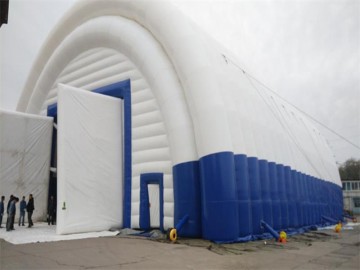
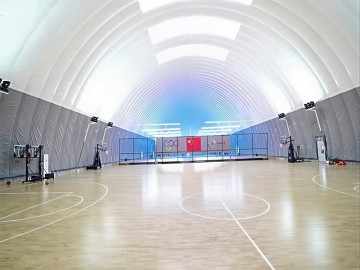
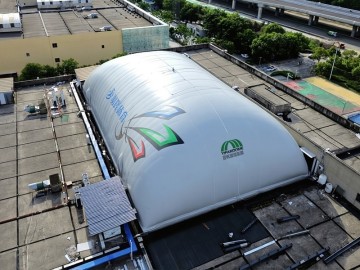
Yifan Air Dome is a high-tech enterprise dedicated to innovative, eco-friendly air-supported membrane structures and integrated air dome building solutions. As a leading integrated service provider in the application of membrane structure technology across China, we cover the full industrial chain of R&D, design, manufacturing, installation and full-cycle operation and maintenance, delivering high-efficiency, energy-saving and low-carbon sustainable building space solutions for global clients.
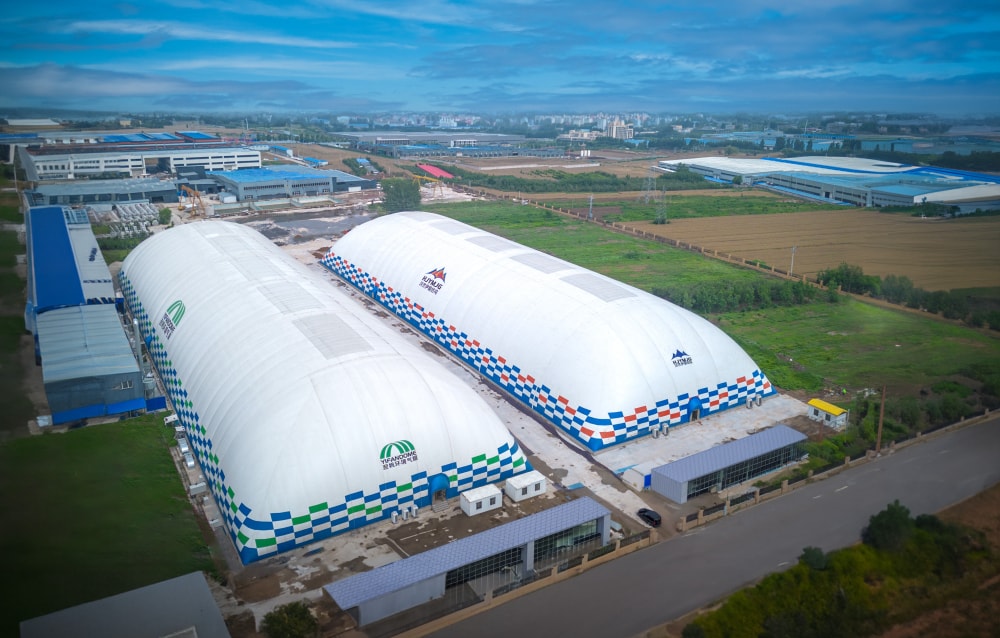
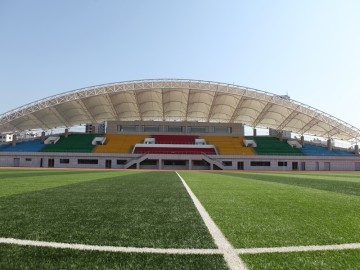
With years of deep cultivation in the air dome and membrane structure industry, we adhere to the development philosophy of green low-carbon, technological innovation and quality priority, and strictly comply with industrial construction and production standards. Supported by standardized production techniques and abundant experience in large-scale project implementation, we professionally customize various air domes, including sports stadiums, industrial warehouses, environmental enclosures, cultural tourism venues and exhibition membrane buildings, which are widely applied in sports fitness, industrial storage, environmental dust prevention, cultural tourism scenic spots and public supporting facilities.
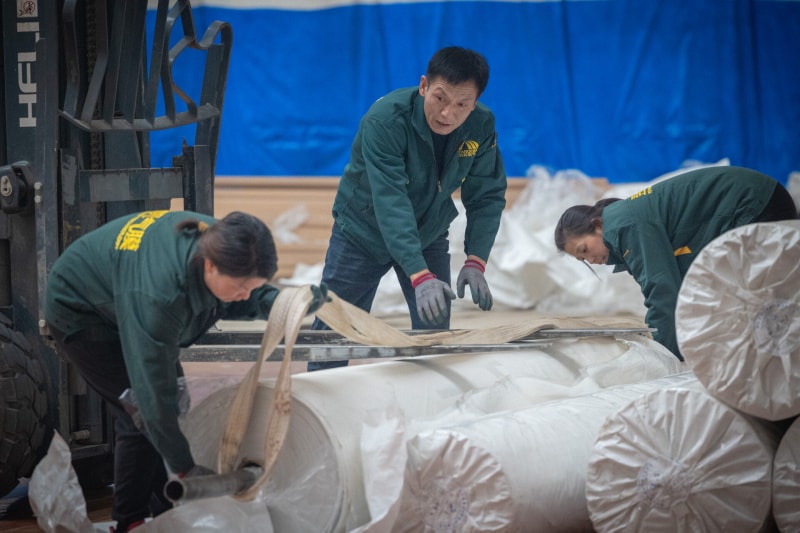
1. Select the customized membrane material
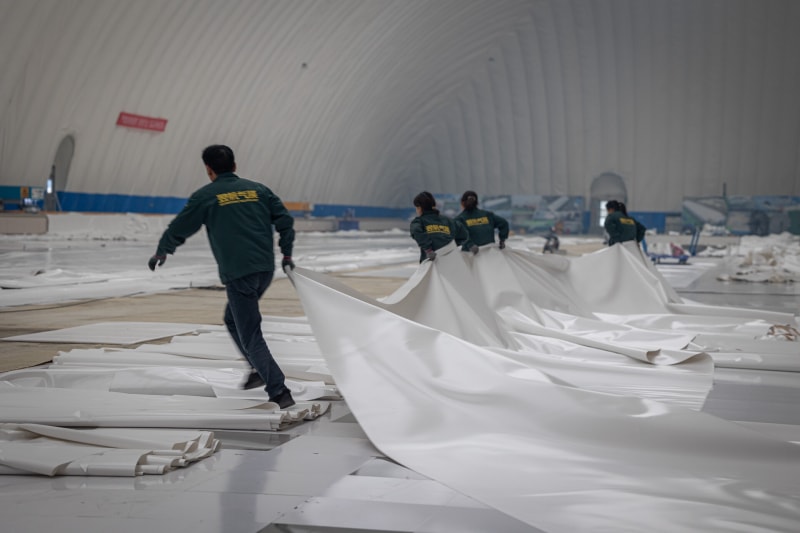
2. Deploy the membrane material
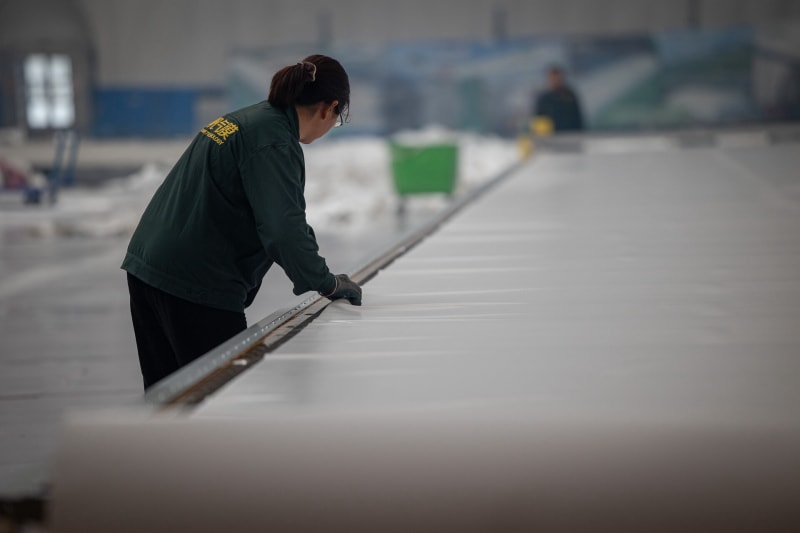
3. Lay the membrane material on the automated cutting machine and import the flat design drawings into the machine
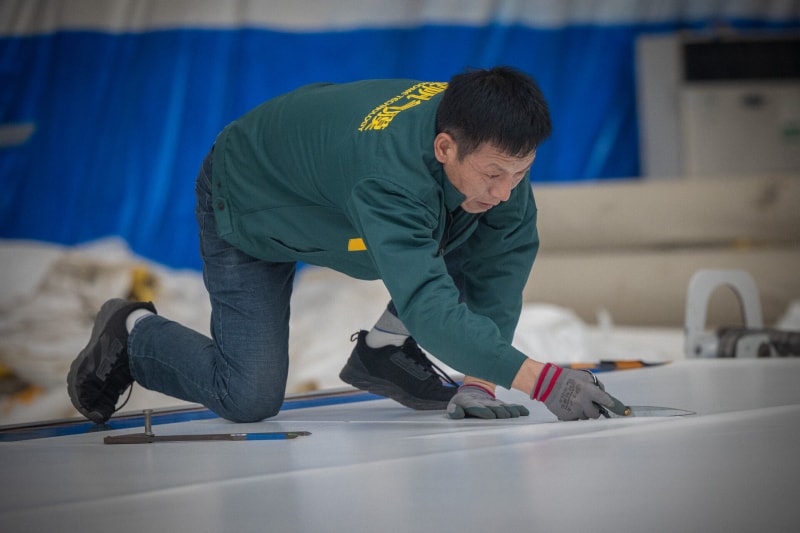
4. Manually trim the edges of the membrane material again to remove exposed fibers and ensure a secure weld
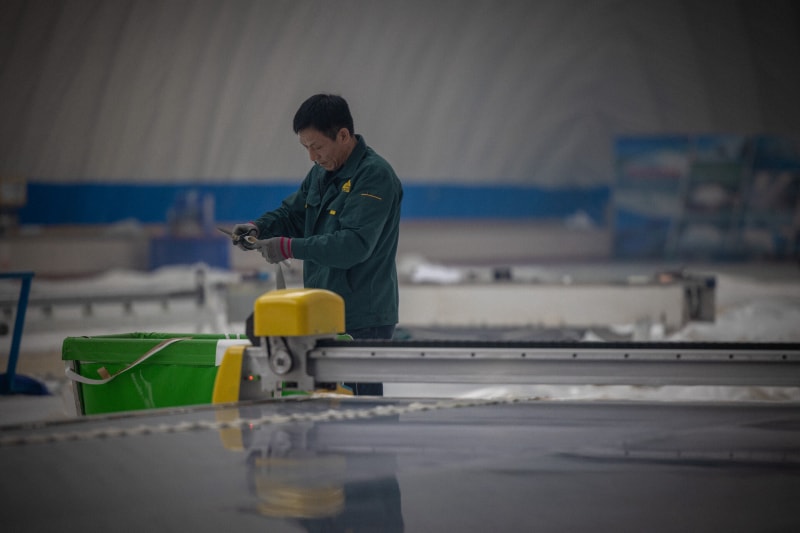
5. Cutting, Splicing, and Reinforcement Strips
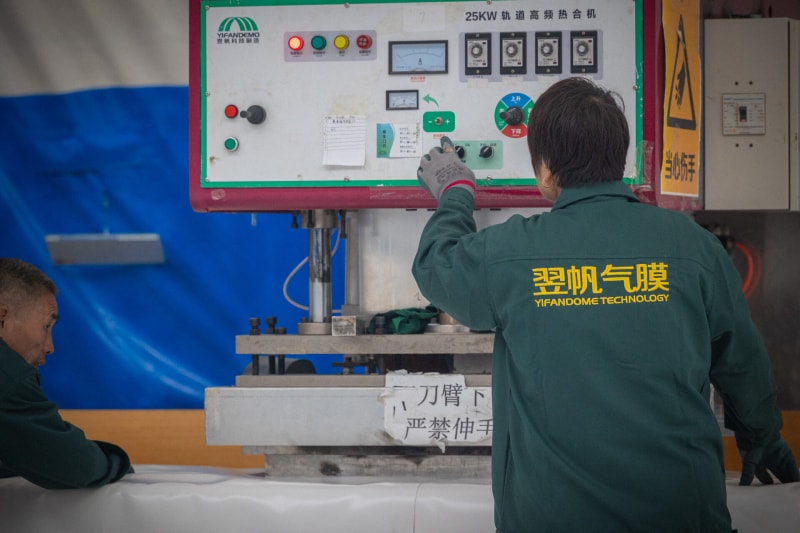
6. Workers arrange the membrane materials according to the layout drawings and weld them using a track-type high-frequency heat-sealing
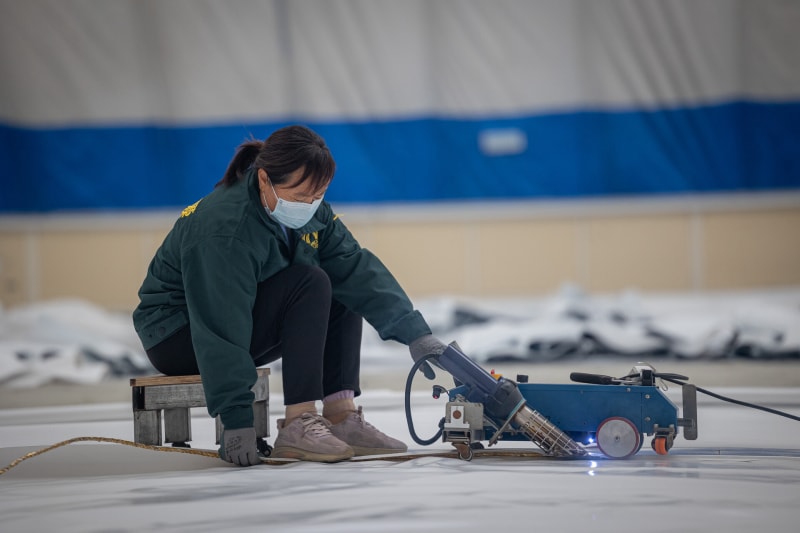
7. Small Hot Sealer Welding Rope Channel
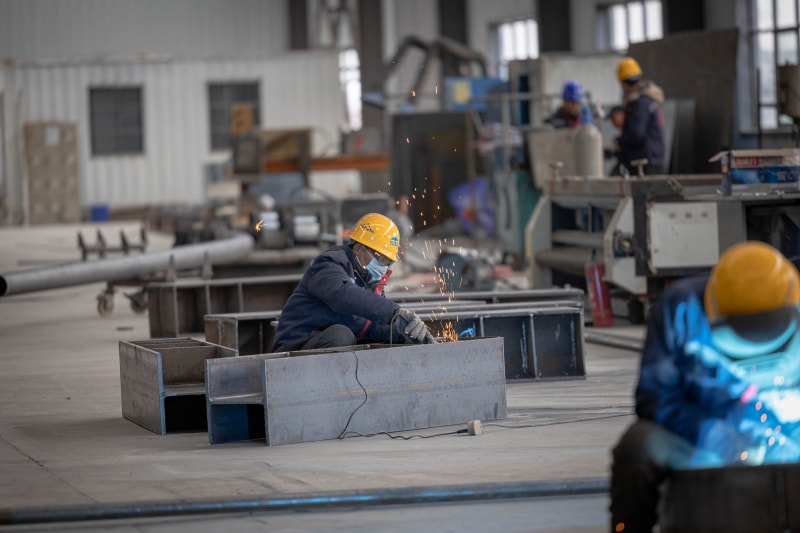
8. Manufacturing aluminum alloy clamps, door and window fittings, and inflatable pipes
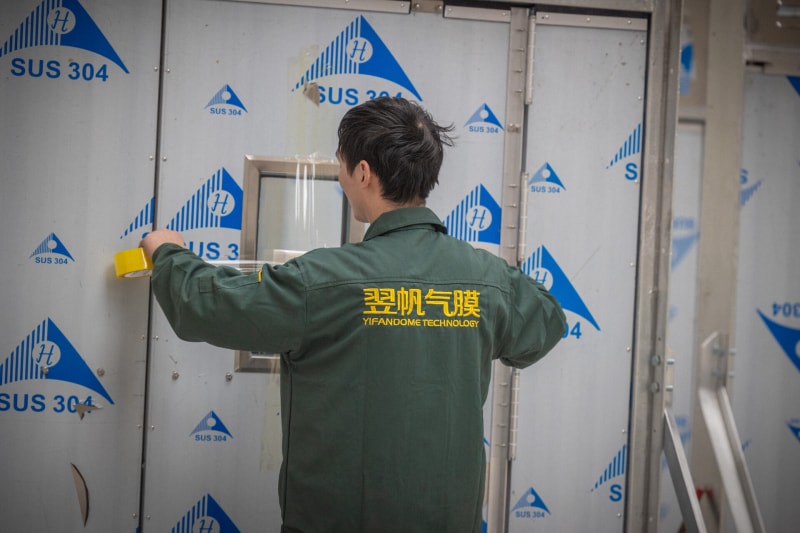
9. Check the product, pack it, and prepare for transportation
We utilize automated cutting systems, high-frequency track welding machines, and advanced tensile testing hardware to guarantee the structural integrity of every agricultural membrane cover produced.
Our research and development team focuses on environmental adaptability, spectral optimization, and thermal efficiency. We continually test membrane coatings for maximum PAR light transmission and durability in extreme environments.
Yifan presents its advanced membrane structure systems at major building technology and agricultural expos globally. We cooperate with international engineering firms to deliver sustainable structural solutions worldwide.