Leave Your Message
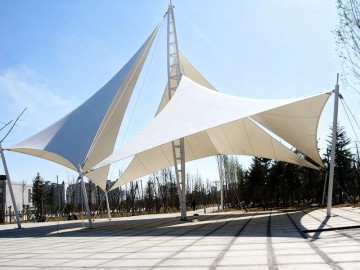
The global cold-chain logistics sector is undergoing a profound structural transformation. Driven by the exponential growth of fresh food e-commerce, international pharmaceutical distribution, and strict global food safety regulations, the demand for highly efficient, scalable, and temperature-controlled storage infrastructure has reached unprecedented levels. Traditional brick-and-mortar or metal-clad cold storage warehouses often face severe limitations, including high capital expenditure, prolonged construction timelines, and inflexibility in spatial adaptability. This is where modern tensile structure roof materials step in as a disruptive architectural solution.
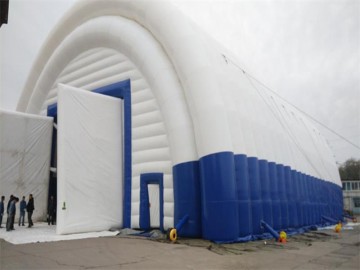
Tensile membrane structures, particularly air-supported domes and steel-tensioned fabric systems, are redefining the economics of cold storage. By utilizing advanced multi-layered PVDF/PVC materials integrated with high-performance thermal insulation blankets, these structures deliver exceptional U-values and airtight environments. This precise climate control prevents thermal bridging, eliminates condensation risks, and dramatically reduces the energy load required to maintain sub-zero temperatures. From fresh agricultural hubs to seafood distribution centers, tensile membrane roofing offers the perfect balance between cost-efficiency, speed of construction, and operational durability.
Unlike conventional metal roofs that suffer from thermal expansion, rust, and joints prone to air leakage, specialized tensile membranes provide a continuous, seamless, and highly reflective envelope. This maximizes solar reflectance (often exceeding 80%), minimizing heat absorption and keeping the internal cooling load remarkably stable.
To meet the rigorous demands of cold-chain logistics, the tensile structure roof material must be engineered with multi-functional layers. The outer layer typically consists of high-strength PVC (Polyvinyl Chloride) coated with PVDF (Polyvinylidene Fluoride) or PTFE (Polytetrafluoroethylene). This outer membrane acts as a shield against UV radiation, acid rain, and atmospheric pollutants, ensuring a self-cleaning surface that maintains its high solar reflectance index (SRI) over decades of service.
Beneath the outer weather-resistant membrane lies the core of the cold-storage capability: the insulation and vapor barrier system. Modern installations utilize double-membrane or triple-membrane configurations with enclosed dead-air spaces or specialized glass wool/aerogel insulation blankets. This creates a highly effective thermal barrier that prevents convective heat transfer. Furthermore, the inherent flexibility of the membrane allows for seamless integration with specialized airlocks, thermal doors, and automated conveyor docks, ensuring that the cold chain remains unbroken during loading and unloading cycles.
Multi-layer membrane systems with integrated insulation achieve thermal resistance values comparable to traditional sandwich panels, preventing heat ingress.
Non-toxic, anti-microbial coatings prevent mold, mildew, and bacterial growth, maintaining strict sanitary conditions for food contact and storage.
High solar reflectivity and airtight construction drastically lower HVAC power consumption, resulting in up to 40% reduction in operational energy costs.
Pre-engineered modular design allows these structures to be manufactured and erected in a fraction of the time required for traditional concrete warehouses.
The versatility of tensile roof materials allows them to be deployed in diverse high-demand scenarios across the food supply chain:
As the logistics industry aligns with global net-zero carbon goals, the development of tensile structures is focusing heavily on sustainability and smart technology. The integration of Building Integrated Photovoltaics (BIPV) directly onto flexible PVDF membranes allows cold storage facilities to generate their own clean electricity, offsetting the power demand of refrigeration compressors. Additionally, embedded IoT sensors within the membrane layers monitor structural tension, internal pressure, humidity, and temperature differentials in real-time, feeding data to AI-driven facility management systems. This proactive approach ensures absolute structural safety and thermal consistency, ensuring the highest standards of food preservation.
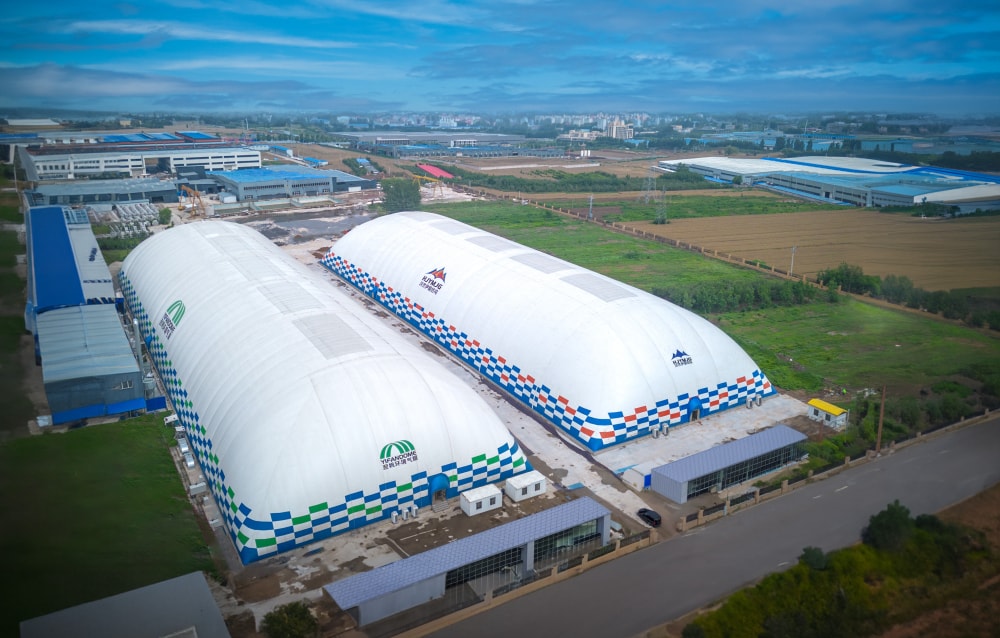
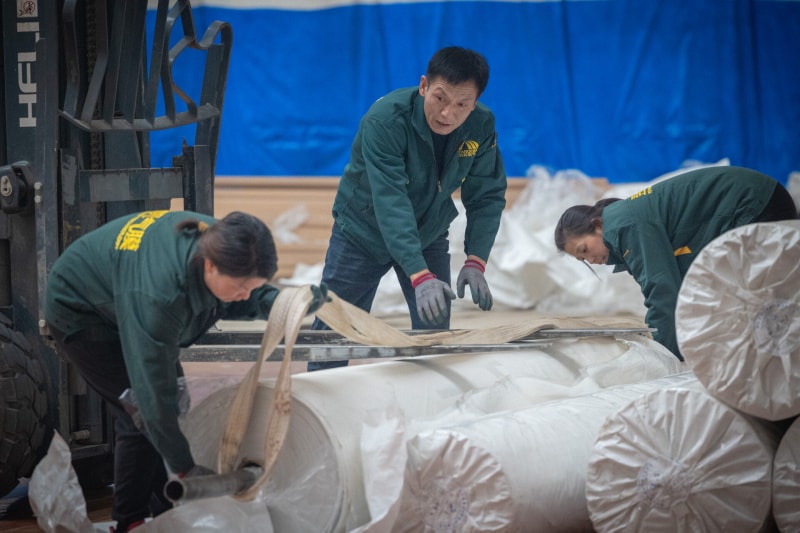
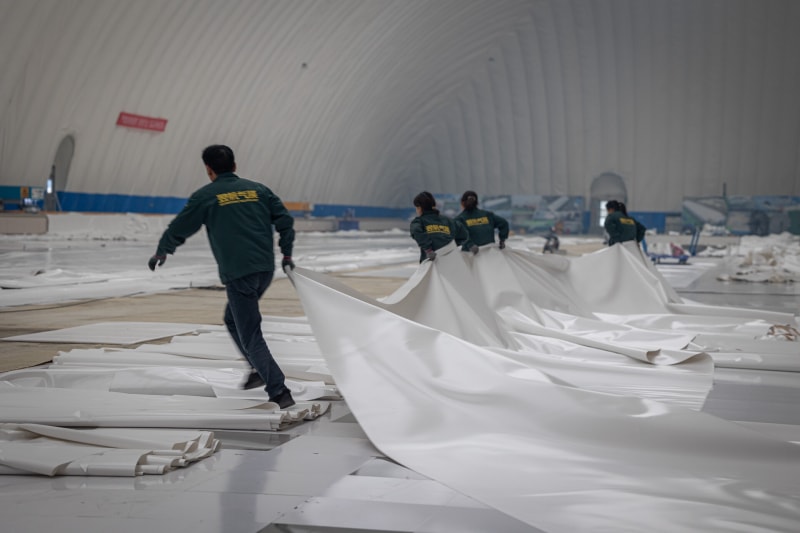
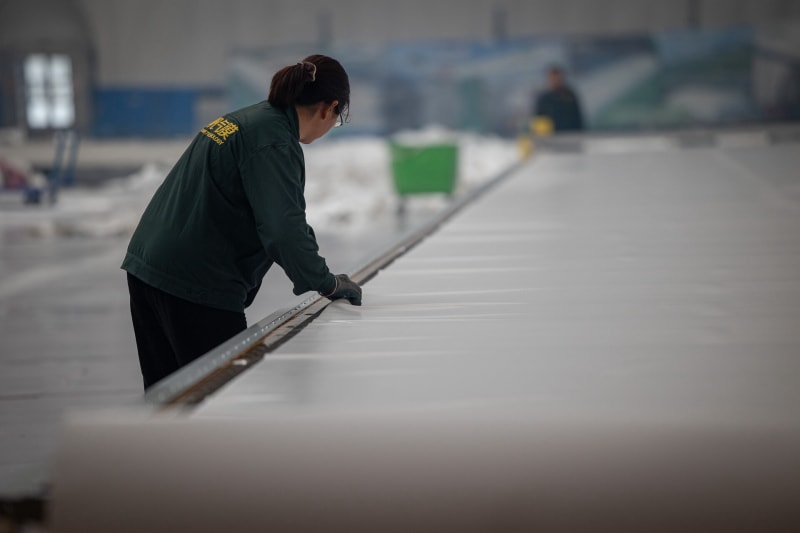
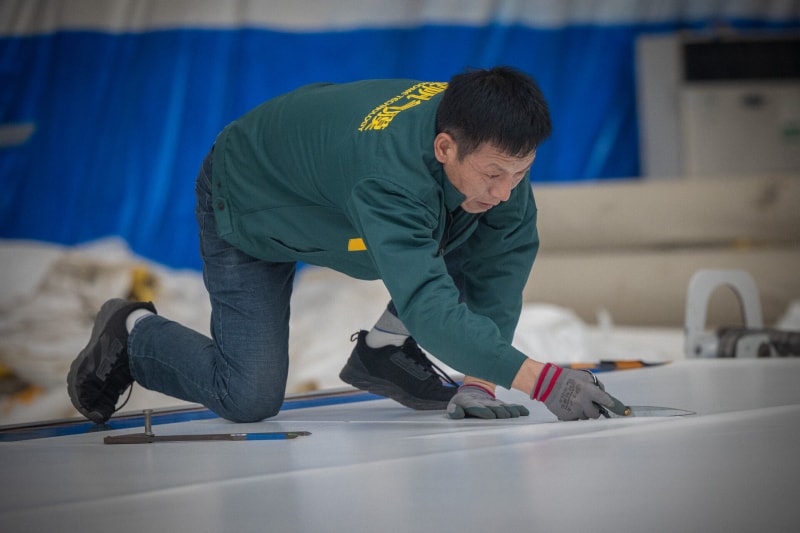
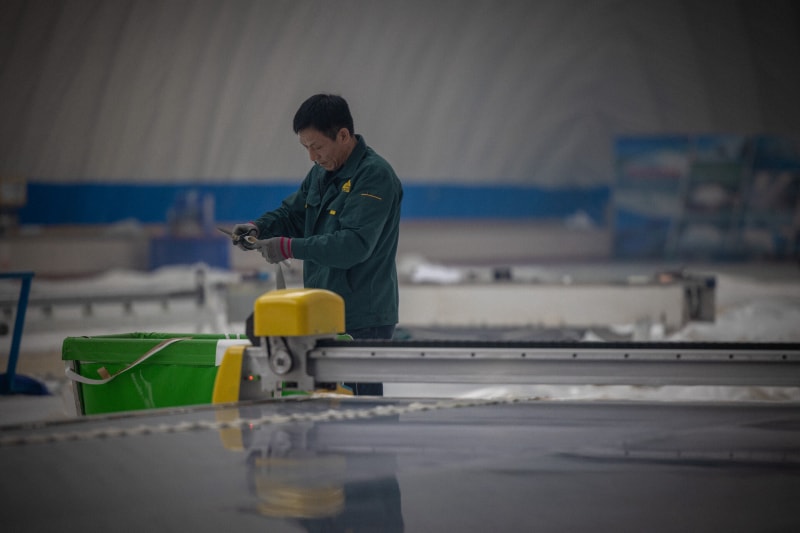
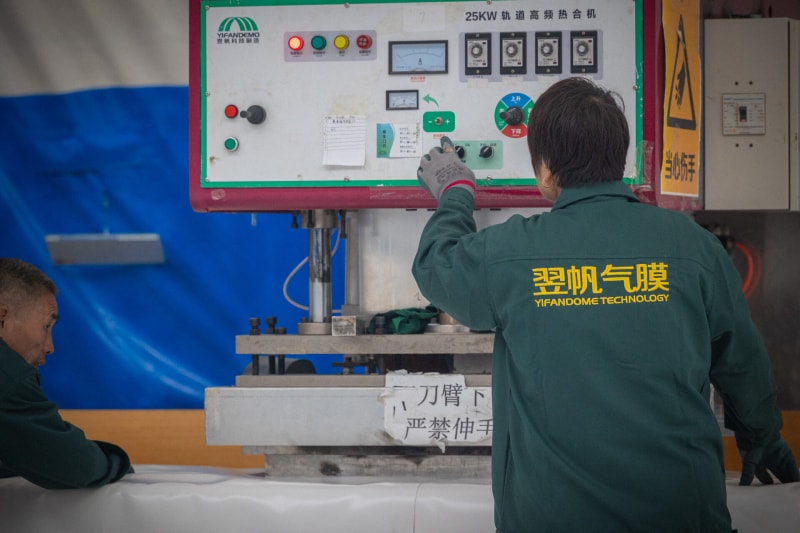
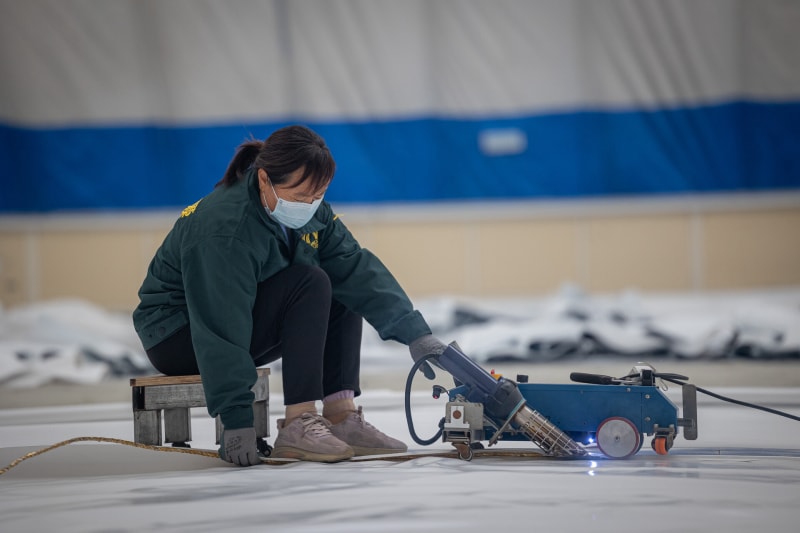
Yifan Air Dome is a high-tech enterprise dedicated to innovative, eco-friendly air-supported membrane structures and integrated air dome building solutions. As a leading integrated service provider in the application of membrane structure technology across China, we cover the full industrial chain of R&D, design, manufacturing, installation and full-cycle operation and maintenance, delivering high-efficiency, energy-saving and low-carbon sustainable building space solutions for global clients.
With years of deep cultivation in the air dome and membrane structure industry, we adhere to the development philosophy of green low-carbon, technological innovation and quality priority, and strictly comply with industrial construction and production standards. Supported by standardized production techniques and abundant experience in large-scale project implementation, we professionally customize various air domes, including sports stadiums, industrial warehouses, environmental enclosures, cultural tourism venues and exhibition membrane buildings, which are widely applied in sports fitness, industrial storage, environmental dust prevention, cultural tourism scenic spots and public supporting facilities.