Leave Your Message
Explore our core tensile structure roof systems designed for rapid deployment, high wind-load resistance, and exceptional durability in the aviation sector.
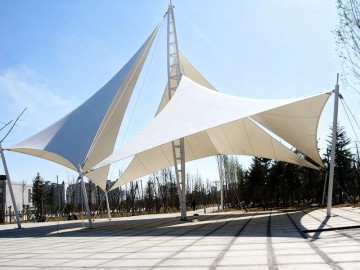
The aviation industry is moving at an unprecedented pace. With global travel demands fluctuating, rapid expansion of cargo logistics, and the continuous advancement of military defense systems, the demand for adaptable, cost-effective, and rapidly deployable infrastructure has never been higher. Traditional brick-and-mortar hangars, while durable, require years of planning, massive capital investment, and are permanently anchored to a single location. Enter the revolutionary era of tensile structure roof materials for temporary aircraft hangars and aviation shelters.
Modern tensile membranes, engineered from high-performance polymers like PVDF (Polyvinylidene Fluoride), PTFE (Polytetrafluoroethylene), and advanced PVC composites, have completely redefined what temporary and semi-permanent aviation buildings can achieve. These materials offer the structural integrity of conventional buildings combined with the flexibility, lightweight properties, and rapid installation capability of modular design. Whether deployed for commercial MRO (Maintenance, Repair, and Overhaul) operations, humanitarian relief bases, or tactical military jet storage, tensile structures provide a reliable shield against harsh environmental conditions.
Did you know? Modern aviation tensile structure roof materials can reflect up to 80% of solar radiation, significantly reducing the cooling loads inside large-span aircraft hangars and creating a comfortable working environment for maintenance crews.
From a commercial perspective, airlines and airport operators face the constant challenge of optimizing space and managing operational expenditures (OPEX). When an airline expands its fleet or establishes a new regional route, waiting 18 to 24 months for a traditional steel hangar is often not an option. Temporary aircraft hangars utilizing advanced tensile roofs can be designed, manufactured, and fully installed in a fraction of that time—often within weeks.
Furthermore, the industrial application of these structures is expanding rapidly in the cargo and logistics sectors. E-commerce giants and global freight forwarders require flexible sorting hubs and temporary storage near runways. Tensile membrane structures allow them to scale operations up or down depending on seasonal peak demands, without committing to long-term land leases or permanent concrete footprints.
Aviation environments are among the most demanding on Earth. Roof materials must withstand extreme UV exposure, high wind velocities, heavy snow loads, and chemical exposure from jet fuel and hydraulic fluids. The material science behind these membranes is highly specialized, focusing on multiple layers of protection and reinforcement.
High-tensile base fabrics (usually high-density woven polyester or glass fiber) are coated to resist tearing under heavy wind loads and prevent accumulation of snow or sand, ensuring structural stability in any climate.
Compliance with international fire safety standards (such as NFPA 701, DIN 4102 B1, and EN 13501-1) is non-negotiable. Modern membranes are self-extinguishing and produce minimal smoke in fire scenarios.
PVDF and PTFE coatings block harmful UV rays that degrade materials, while allowing natural, diffused light to penetrate. This eliminates internal glare, providing natural illumination for precision MRO tasks.
Aviation environments expose roofs to jet exhaust, fuel vapors, and aggressive cleaning agents. The outer protective coatings prevent chemical degradation, yellowing, and dirt accumulation.
The versatility of tensile structure roof materials enables their application across several distinct aviation scenarios:
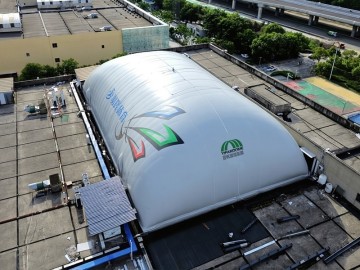
Yifan Air Dome is a high-tech enterprise dedicated to innovative, eco-friendly air-supported membrane structures and integrated air dome building solutions. As a leading integrated service provider in the application of membrane structure technology across China, we cover the full industrial chain of R&D, design, manufacturing, installation and full-cycle operation and maintenance, delivering high-efficiency, energy-saving and low-carbon sustainable building space solutions for global clients.
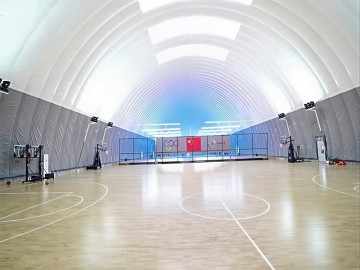
With years of deep cultivation in the air dome and membrane structure industry, we adhere to the development philosophy of green low-carbon, technological innovation and quality priority, and strictly comply with industrial construction and production standards. Supported by standardized production techniques and abundant experience in large-scale project implementation, we professionally customize various air domes, including sports stadiums, industrial warehouses, environmental enclosures, cultural tourism venues and exhibition membrane buildings, which are widely applied in sports fitness, industrial storage, environmental dust prevention, cultural tourism scenic spots and public supporting facilities.
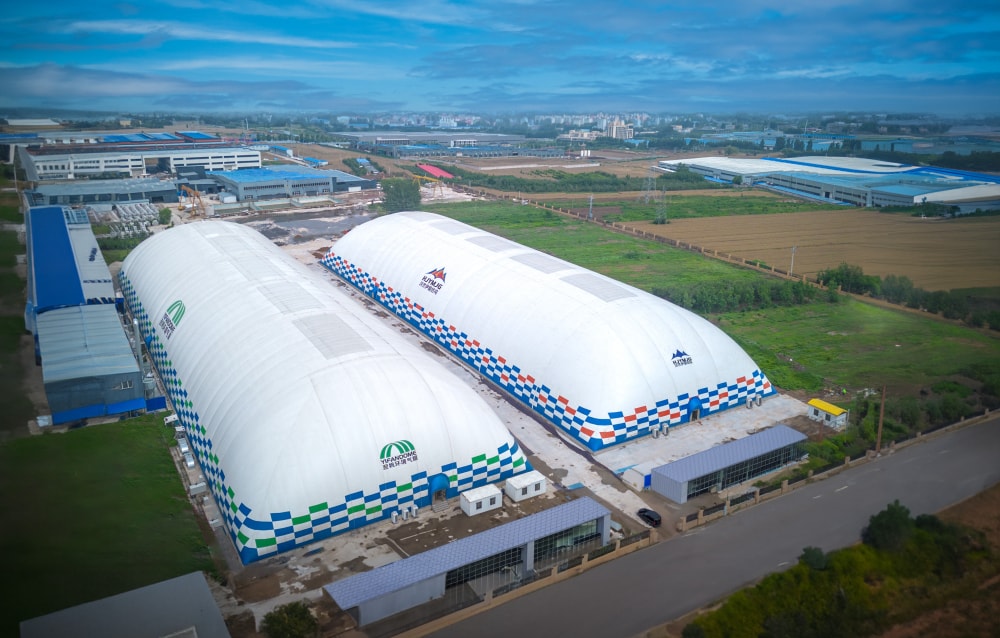
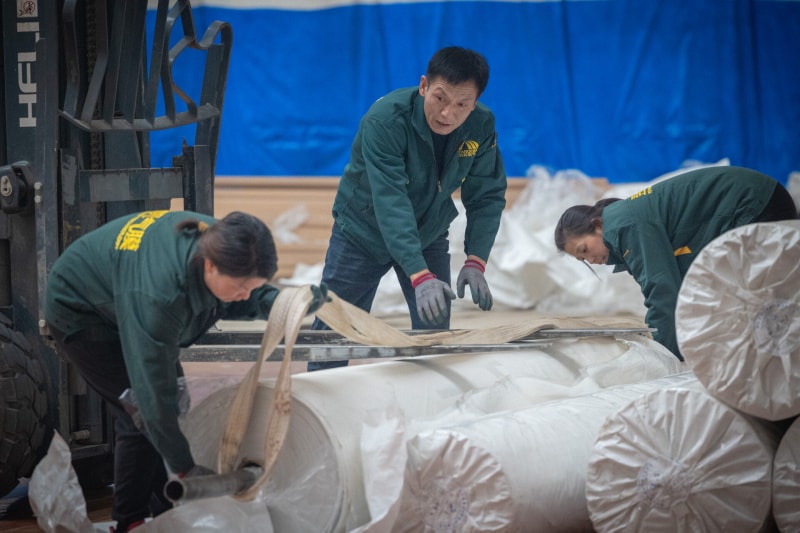
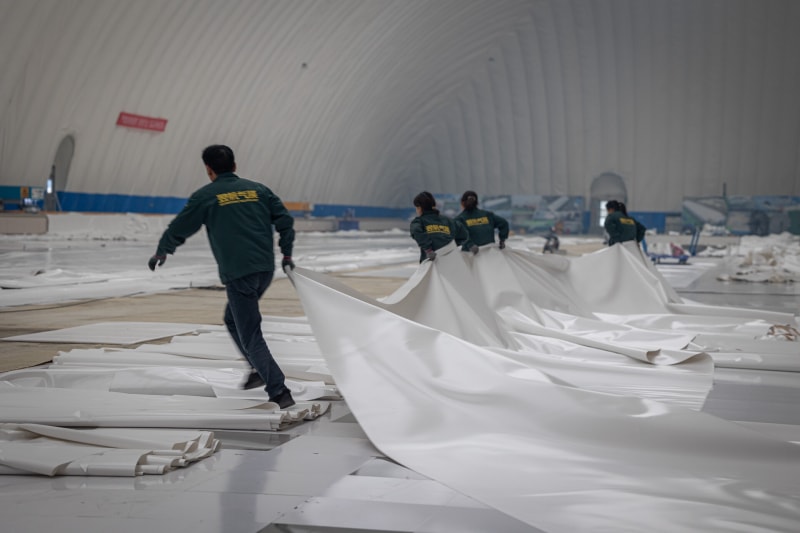
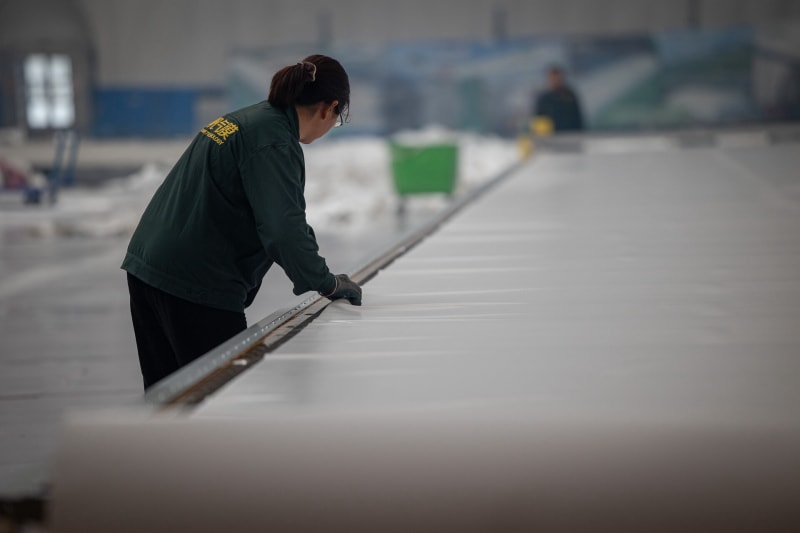
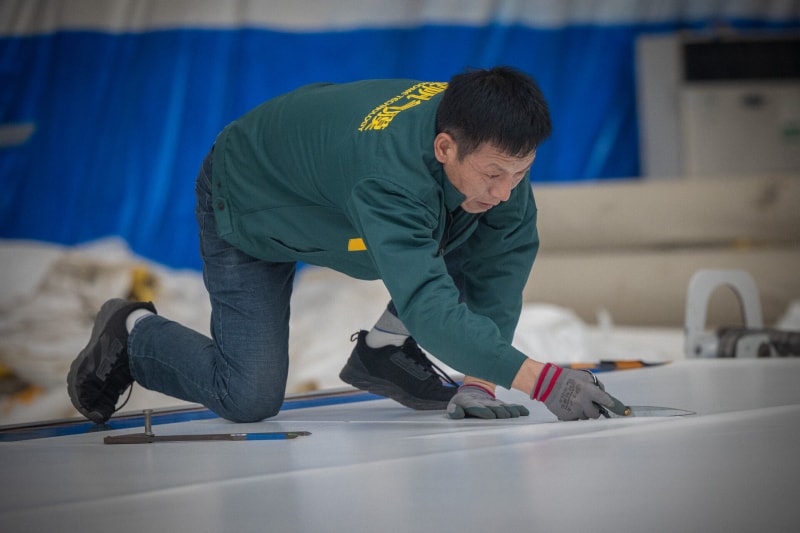
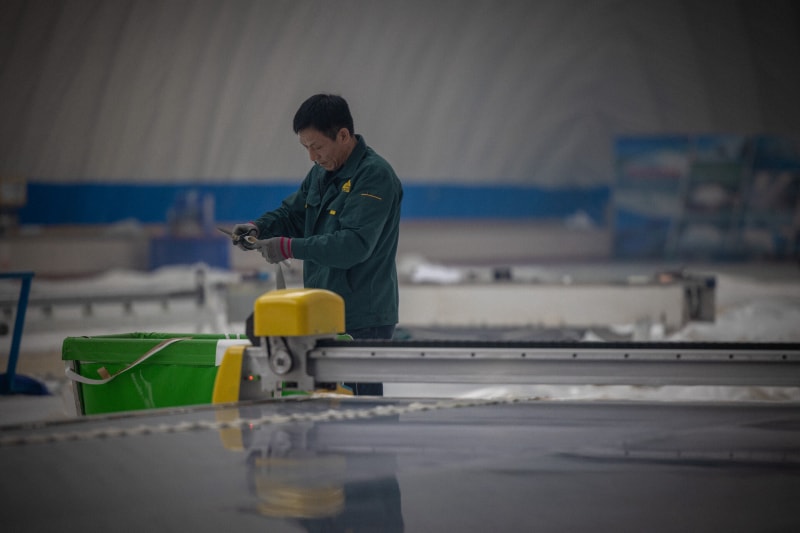
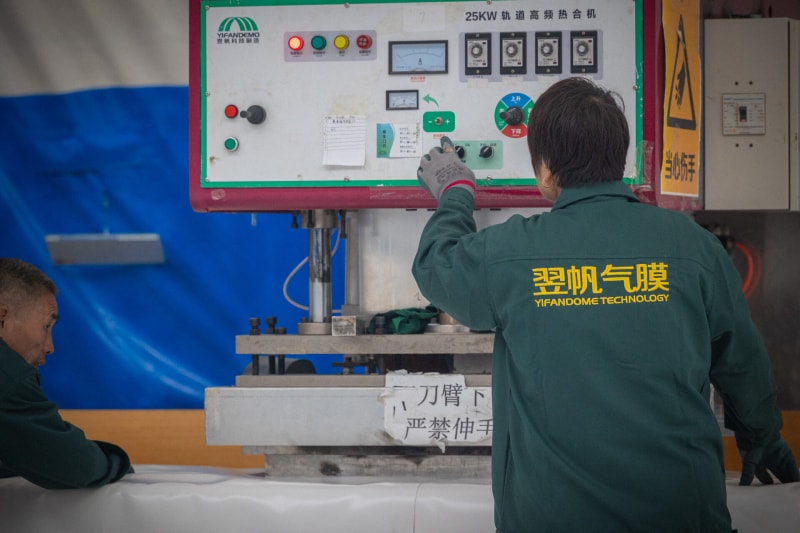
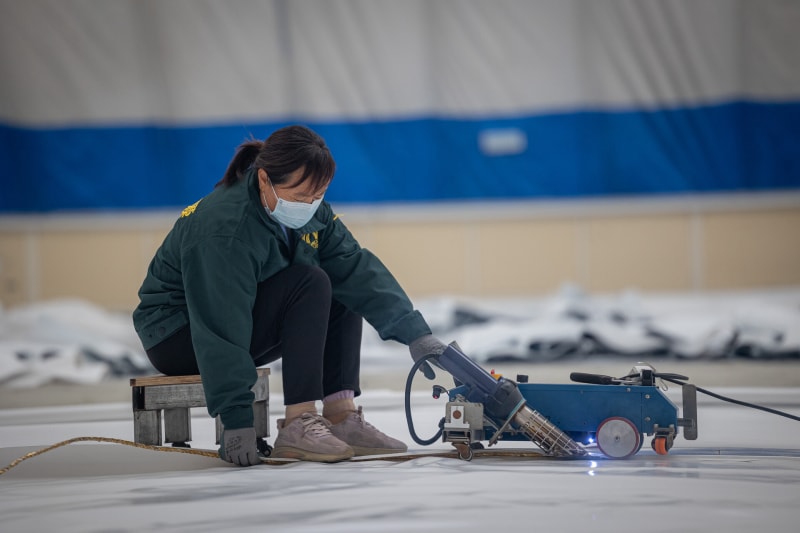
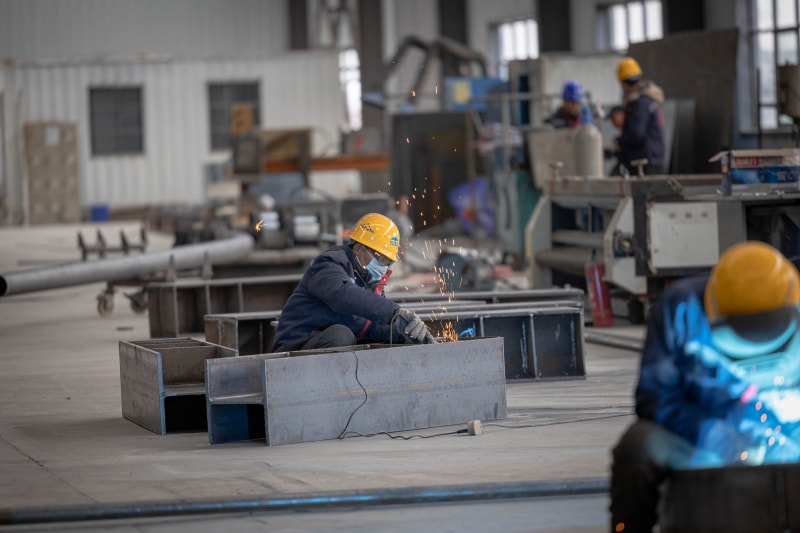
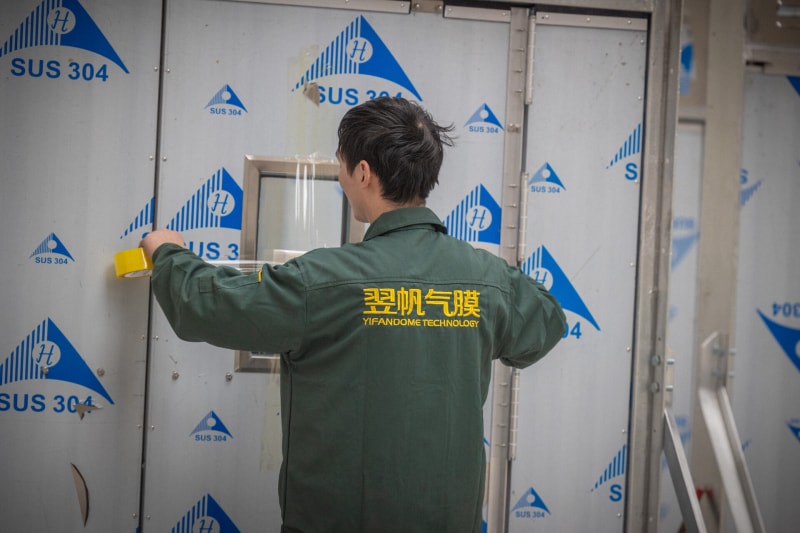
We utilize automated cutting machines, high-frequency track welding systems, and specialized thermal sealing tools to ensure precision fabrication of every square meter of tensile membrane.
Our dedicated engineering team works on next-generation composite coatings, thermal insulation liners, and smart structural health monitoring systems for large-span air domes and tensile roofs.
Showcasing our innovative temporary hangar designs and sustainable building solutions at major international aviation, defense, and industrial infrastructure expos.
As the aviation sector shifts toward carbon-neutral operations, tensile roof structures are playing a vital role. The lightweight nature of membrane materials means they require significantly less energy to manufacture, transport, and install compared to traditional heavy steel or concrete structures. In addition, several key trends are shaping the future of this industry:
The massive surface area of aircraft hangars presents a perfect opportunity for solar energy harvesting. Future tensile structure roof materials are being designed to integrate lightweight, flexible thin-film solar panels directly onto the membrane surface. This allows temporary hangars to become self-sustaining power units, generating green electricity to run lighting, ventilation, and aircraft service tools.
For temporary military and commercial hangars deployed in high-risk zones (such as areas prone to typhoons or heavy snowfalls), real-time monitoring is crucial. Smart sensors embedded within the tension cables and membrane seams can continuously measure stress, internal air pressure (in air domes), and environmental loading. This data is fed into AI-driven diagnostic systems that alert facility managers of any maintenance requirements before structural compromise occurs.
Historically, temporary shelters suffered from poor thermal insulation. Today, double and triple-skin membrane systems with internal air gaps or specialized translucent fiberglass insulation inserts are changing the game. These systems achieve exceptional U-values, keeping hangar interiors warm in sub-zero arctic environments and cool in tropical zones, minimizing HVAC energy consumption.
Discover our complete lineup of structural membranes, customized air domes, and tension systems optimized for temporary aircraft hangars, MRO bases, and military logistics.