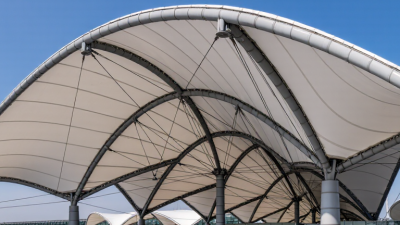

2026 Best Tensile Membrane Material Types for Global Buyers
Looking ahead to 2026, buyers around the world are asking sharper questions about tensile membrane materials. Sure, price is important, but it’s not the only thing to consider. When you’re dealing with things like stadium roofs, airport canopies, or temporary pavilions, these structures face all sorts of challenges—wind, fire, UV exposure, and ongoing maintenance—each demanding different solutions.
According to Grand View Research, the global market for tensile structures is still growing. People are loving lightweight designs and the quick install times these materials offer. Similarly, Smithers’ analysis of technical textiles points to a rising demand for coated fabrics, performance finishes, and materials that are gentler on the planet. But let’s be real—just because the reports show momentum, that doesn’t mean every material is right for every project. You still need engineering proof to back up your choices.
Changing the material can totally transform how a roof feels and functions. For example, PVC-coated polyester is popular because it helps keep costs down and can be bright and colorful. On the other hand, PTFE-coated fiberglass is known for being super durable, maintaining its shape, and looking pretty shiny. If you’re after loads of daylight, ETFE foil is awesome—just remember, it needs careful design to handle inflation and punctures. And don’t forget, seam quality and easy cleaning access are spot-on important.
Horst Berger, one of the top minds in tensile design, famously said, “The structure is the architecture.” That’s still true today. A membrane isn’t just a pretty face; it carries load through tension, shape, edge design, and how everything’s connected.
This guide is all about helping global purchasing teams pick the best tensile membrane materials for 2026. We look at how long they last, fire safety, how see-through they are, sustainability, how easy they are to manufacture, and regional availability. We even compare the costs, including hidden expenses like transportation, welding, testing, replacing, and maintaining—because the price you see isn’t the whole story.
No one material checks all the boxes for every project, and that’s okay. Our comparison tries to be practical, but it’s not perfect—manufacturer data can sometimes differ from real-world performance. So, before approving any specs, make sure to ask for up-to-date certificates, independent tests, and examples of completed projects. Remember, reliability isn’t just about pretty samples—it's about asking the right questions.
Read more »