Leave Your Message
Engineered for maximum span, environmental compliance, and structural safety
In the modern industrial landscape, the management of bulk materials—particularly coal—poses significant environmental, operational, and financial challenges. Traditionally, coal stockpiles were kept in open-air yards, exposing them to wind and rain. This practice leads to severe fugitive dust emissions, causing air pollution and violating strict environmental regulations globally. Rainwater runoff from open coal piles also threatens local water tables with heavy metals and acidic contaminants.
Governments worldwide have instituted strict environmental policies, such as the EPA standards in the United States and the "Blue Sky Defense War" initiatives in China. These regulations mandate that bulk material yards, especially coal stockyards in power plants, steel mills, and ports, must be fully enclosed. Traditional steel-structure enclosures, while common, present major drawbacks: high initial capital investment, long construction periods, susceptibility to coal-dust corrosion, and structural limitations when spanning wide areas without internal support columns.
Steel structures are highly prone to corrosion from sulfur dioxide and moisture present in coal yards. Additionally, internal columns restrict the movement of heavy machinery like stacker-reclaimers, increasing the risk of structural collisions and reducing overall storage efficiency.
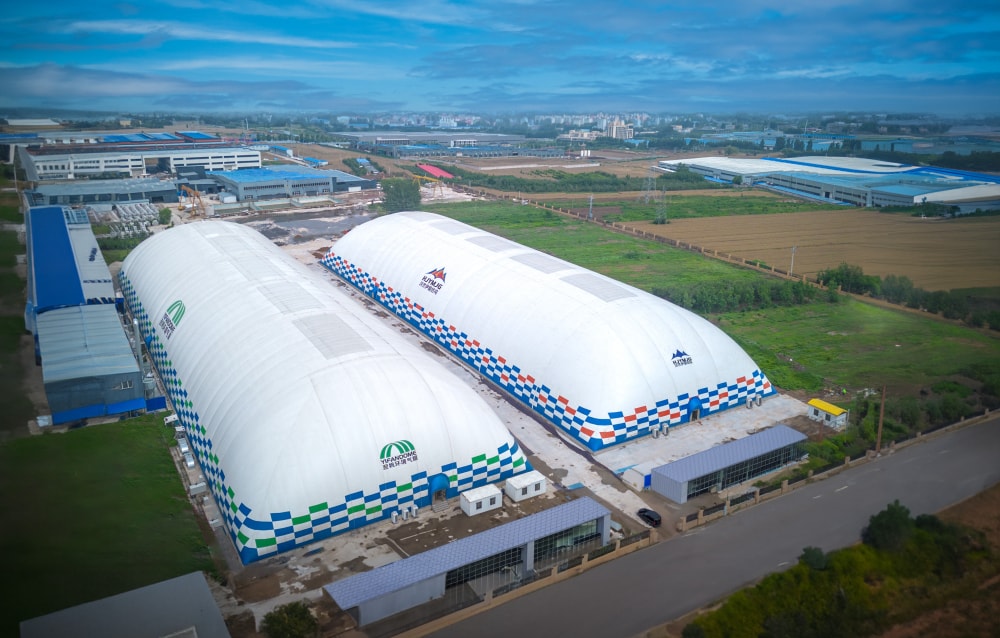
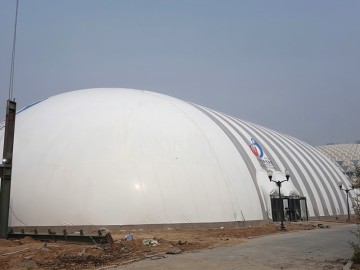
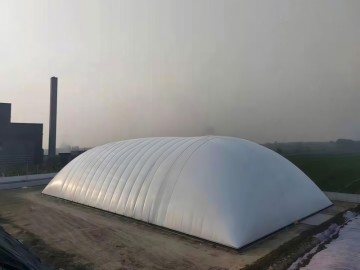
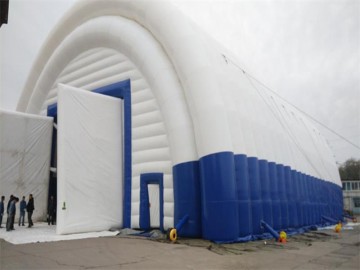
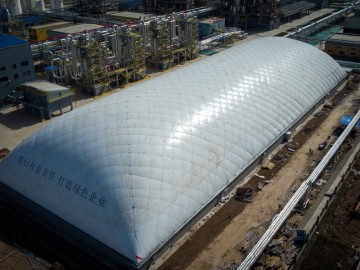
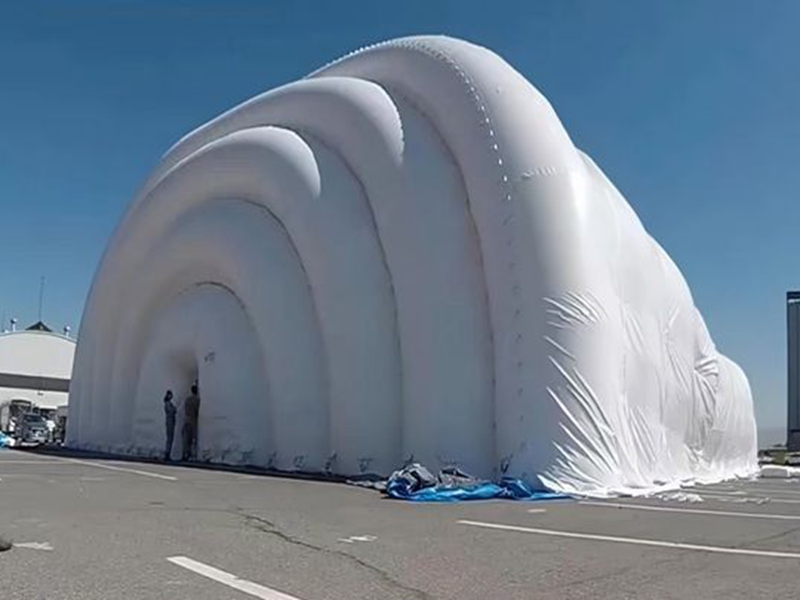
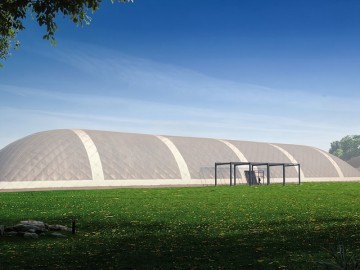
Warehouse Air Domes have emerged as the definitive solution for bulk material coal site enclosures. Using high-strength PVDF or PTFE membrane materials, supported by internal air pressure generated by intelligent blower systems, these structures achieve massive spans of up to 180 meters without any internal pillars or columns. This provides an unobstructed interior space, allowing for optimal storage configuration and unhindered operation of heavy machinery.
Thermal power plants require vast coal reserves. Air domes offer complete dust containment, automated dust suppression integration, and real-time gas monitoring to prevent coal dust explosions and spontaneous combustion.
Ports handling bulk coal shipments face harsh marine environments. PVDF membranes are inherently resistant to salt spray, acid rain, and corrosion, maintaining structural integrity for over 25 years with minimal maintenance.
Located in remote and rugged terrains, mining sites benefit from the modular and lightweight nature of air domes, which can be rapidly deployed, expanded, or even relocated as mining phases shift.
Safety is paramount in enclosed coal storage. Coal dust is highly combustible, and enclosed spaces can accumulate dangerous levels of toxic and explosive gases like methane and carbon monoxide. Yifan Air Domes integrate state-of-the-art automated systems to mitigate these risks completely:
Yifan Air Dome is a high-tech enterprise dedicated to innovative, eco-friendly air-supported membrane structures and integrated air dome building solutions. As a leading integrated service provider in the application of membrane structure technology across China, we cover the full industrial chain of R&D, design, manufacturing, installation and full-cycle operation and maintenance, delivering high-efficiency, energy-saving and low-carbon sustainable building space solutions for global clients.
With years of deep cultivation in the air dome and membrane structure industry, we adhere to the development philosophy of green low-carbon, technological innovation and quality priority, and strictly comply with industrial construction and production standards. Supported by standardized production techniques and abundant experience in large-scale project implementation, we professionally customize various air domes, including sports stadiums, industrial warehouses, environmental enclosures, cultural tourism venues and exhibition membrane buildings, which are widely applied in sports fitness, industrial storage, environmental dust prevention, cultural tourism scenic spots and public supporting facilities.
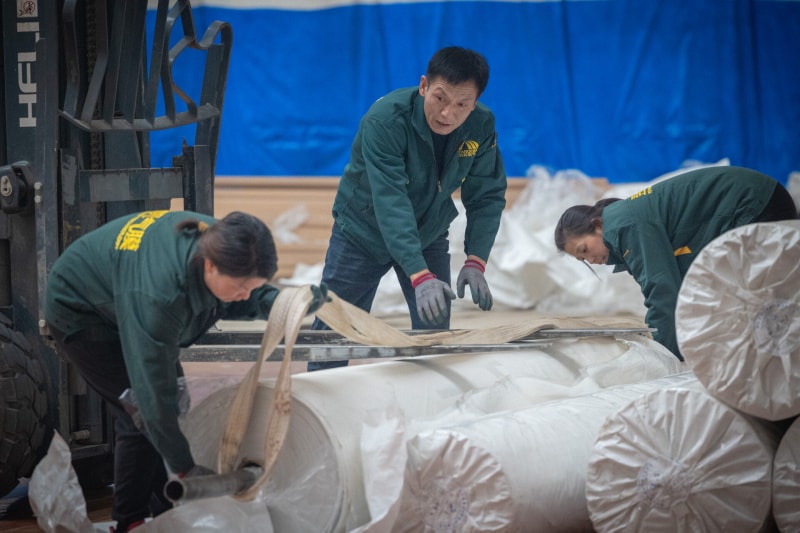
Our rigorous manufacturing standards ensure every air dome meets high-performance industrial requirements.
1. Select the customized membrane material
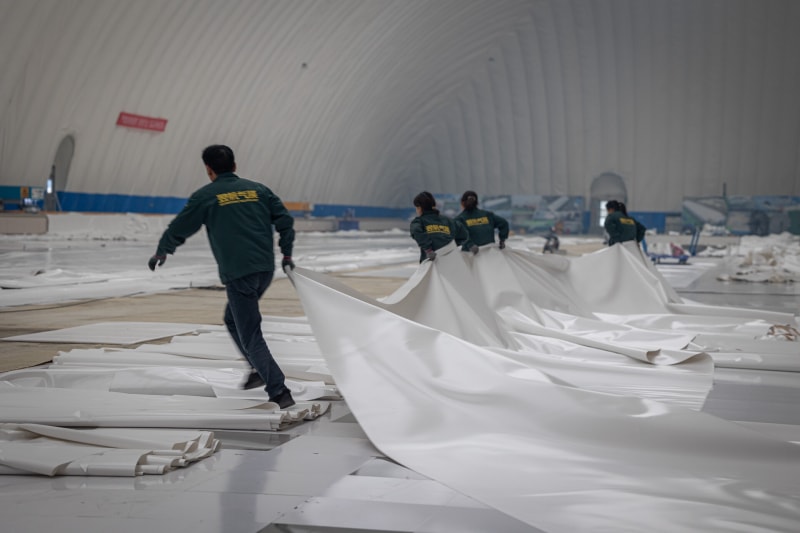
2. Deploy the membrane material
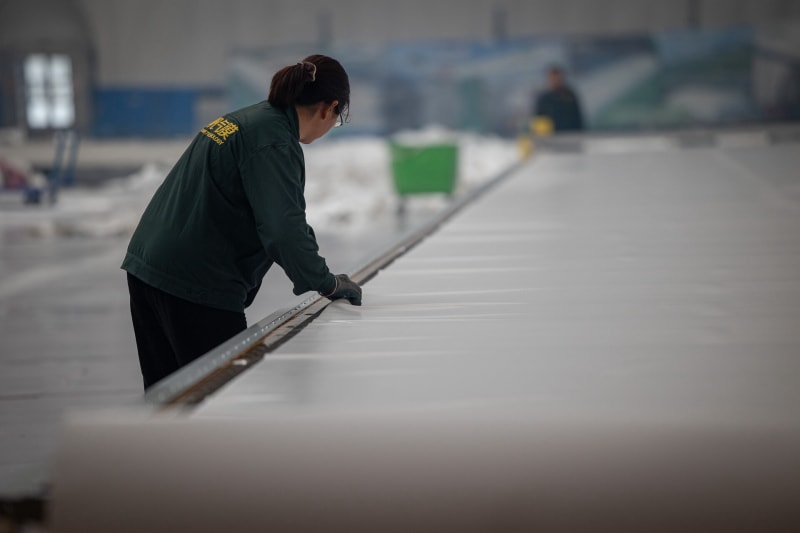
3. Lay membrane on cutting machine & import flat design drawings
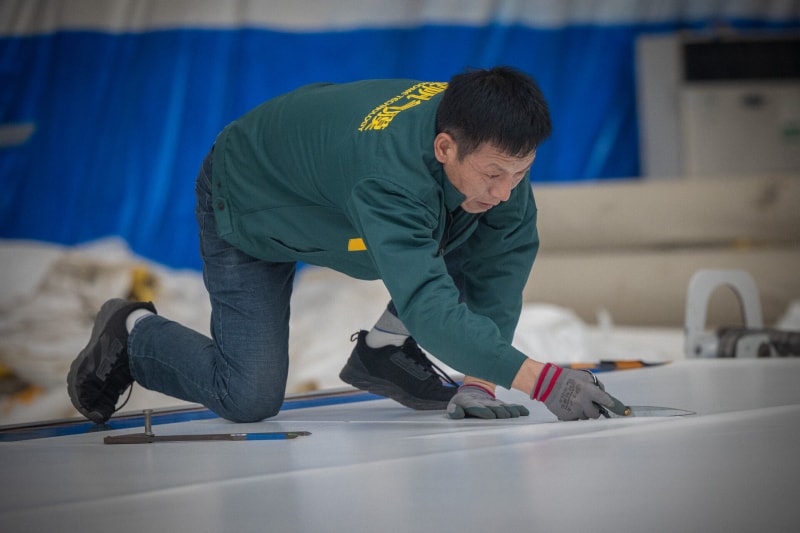
4. Manually trim edges to remove exposed fibers for secure weld
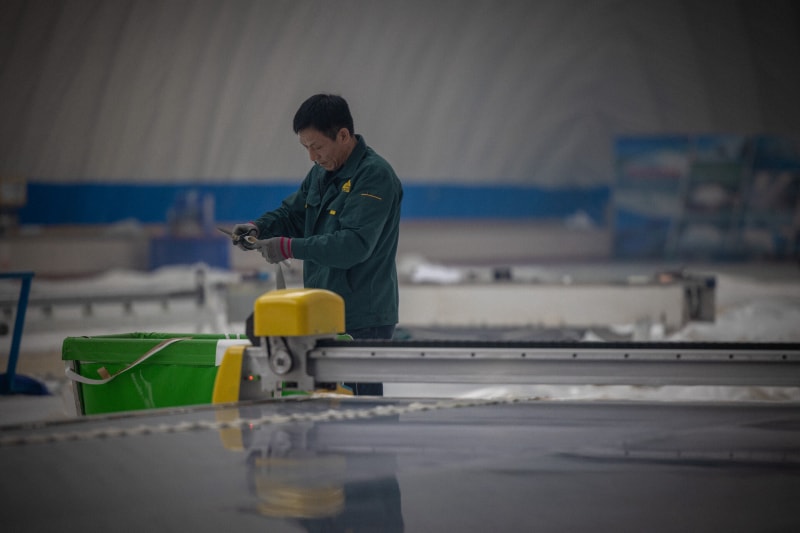
5. Cutting, Splicing, and Reinforcement Strips
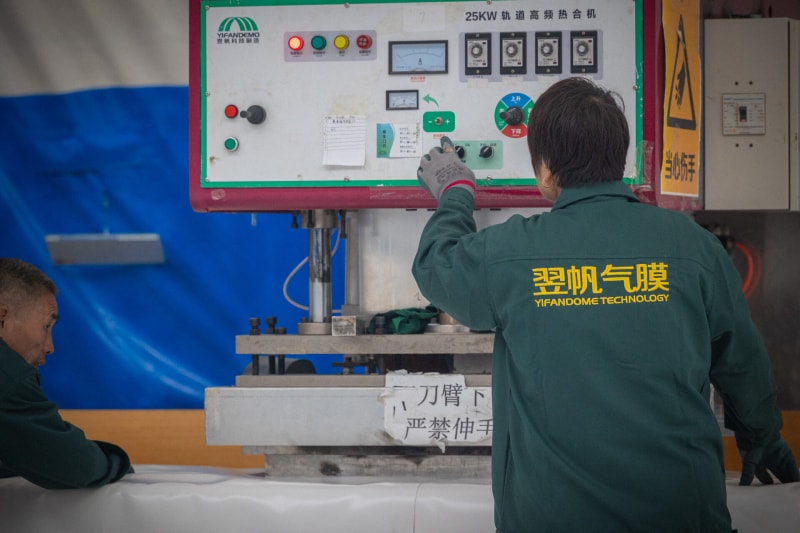
6. Arrange materials and weld using track-type high-frequency sealer
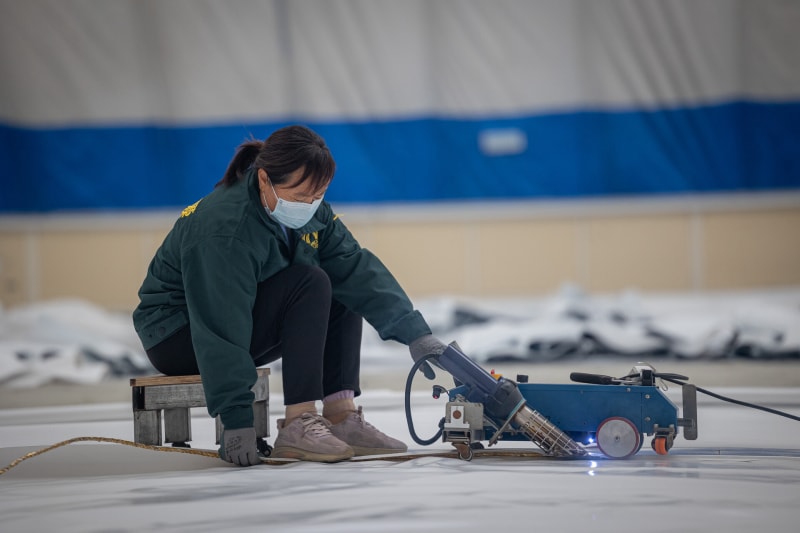
7. Small Hot Sealer Welding Rope Channel
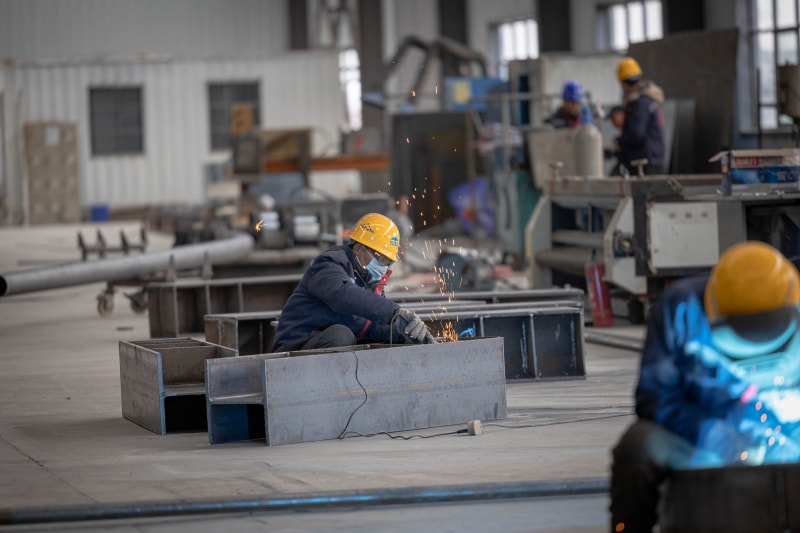
8. Manufacturing alloy clamps, door/window fittings, & pipes
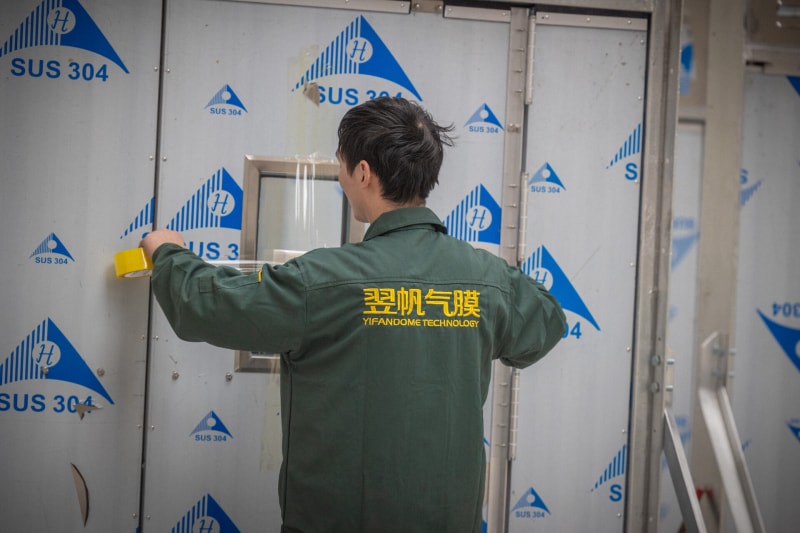
9. Quality check product, pack, and prepare for transportation
The industrial storage industry is undergoing a massive transformation driven by digitalization, automation, and carbon-neutral targets. Warehouse air domes are uniquely positioned to lead this change due to their low carbon footprint during both manufacturing and operation. Compared to traditional steel structures, air dome construction generates up to 70% less carbon emissions during the raw material and installation phases.
Looking ahead, the integration of flexible solar photovoltaics (PV) onto the curved surfaces of air domes is a game-changing trend. This turns the massive surface area of a coal site enclosure into a clean energy power plant, offsetting the energy consumed by the blower systems and feeding excess electricity back into the grid. Furthermore, AI-driven control systems will allow domes to dynamically adjust internal pressure based on external wind speeds and snow levels, reducing energy consumption by up to 40% compared to legacy air-supported structures.
As coal mines reach their lifecycle limits, traditional steel buildings are abandoned, turning into industrial waste. Air domes, however, can be deflated, packed, and re-erected at new sites, embodying the core principles of a circular economy.
Explore our diverse portfolio of custom-engineered air domes for sports, logistics, and environmental protection